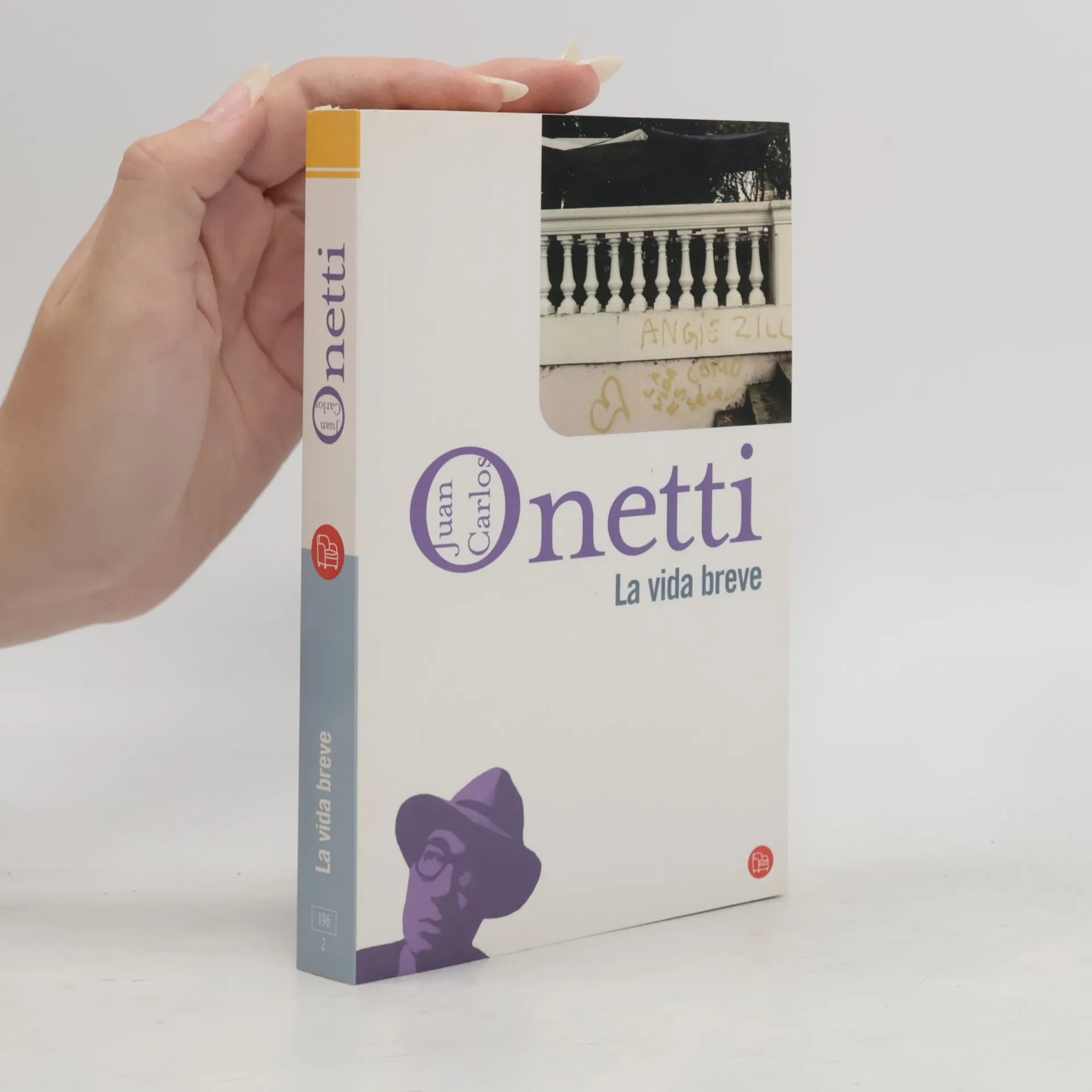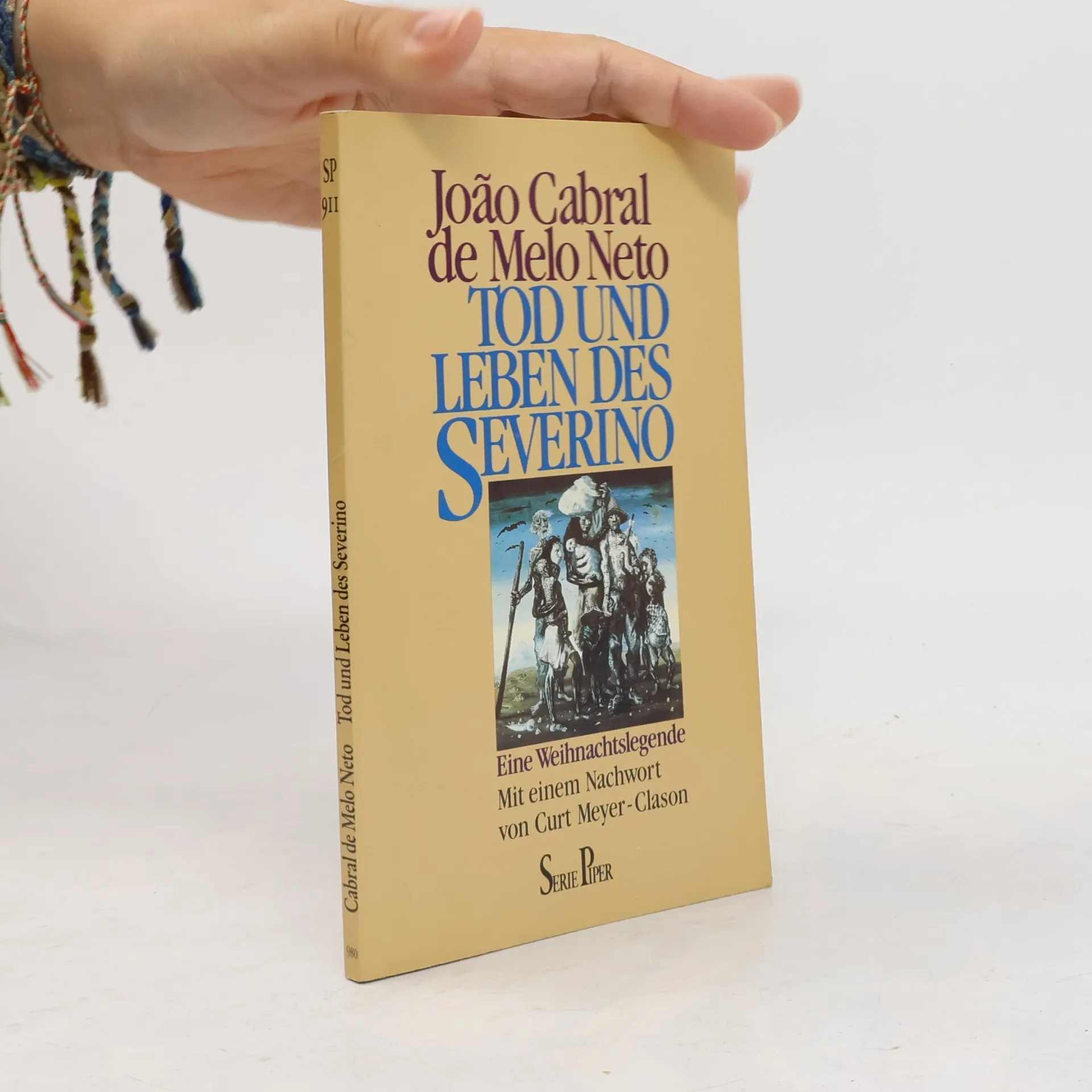
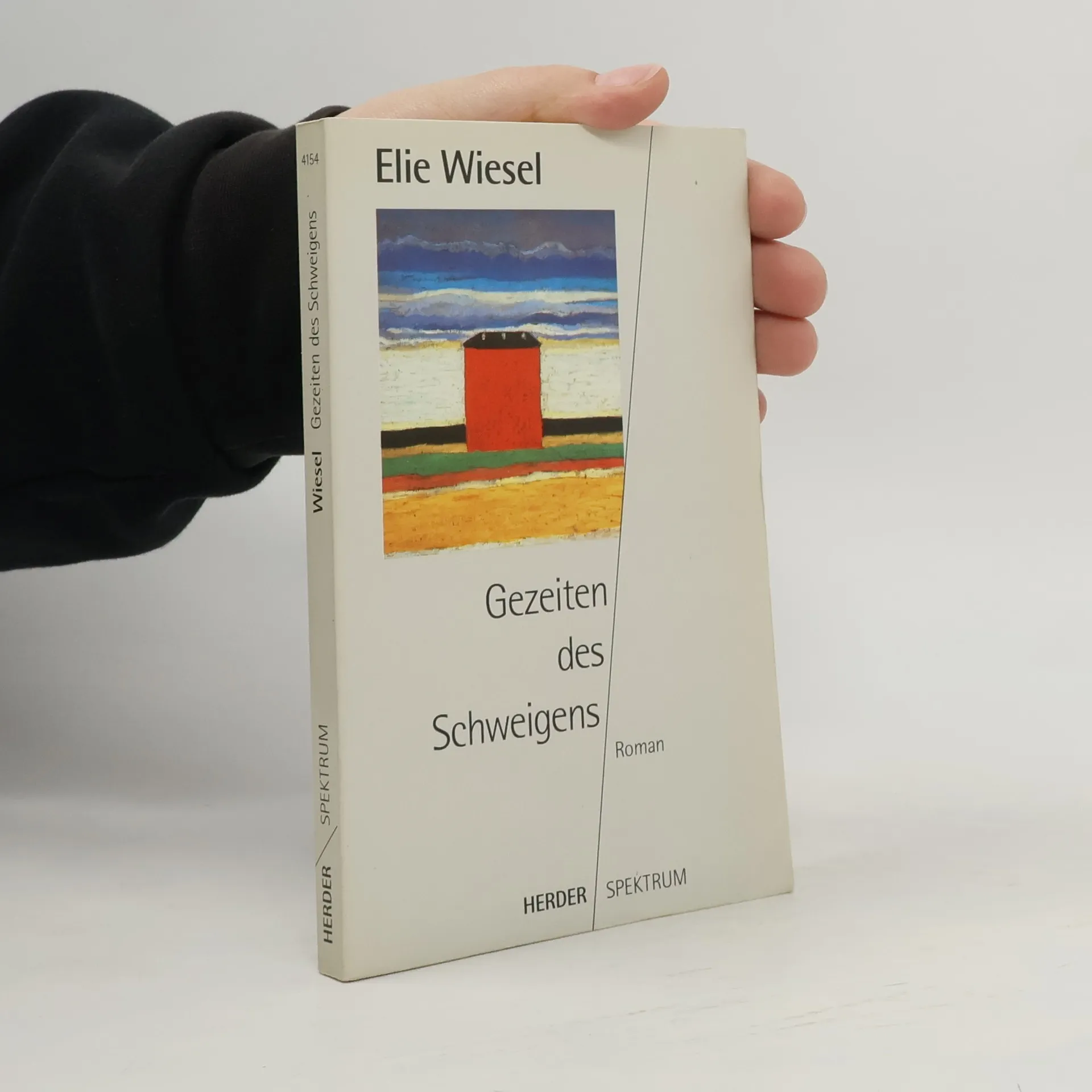
Der Zuschauer sieht, ohne gesehen zu werden. Er ist da, ohne sich bemerkbar zu machen. Das Rampenlicht schützt ihn. Er klatscht nicht Beifall, er erhebt keinen Einspruch: seine Gegenwart weicht aus und verpflichtet ihn weniger als seine Abwesenheit. Er sagt weder ja noch nein, auch nicht vielleicht. Er sagt nichts. Er ist da, handelt aber so, als sei er nicht da. Noch schlimmer: er handelt, als seien wir nicht da.Das ist er.
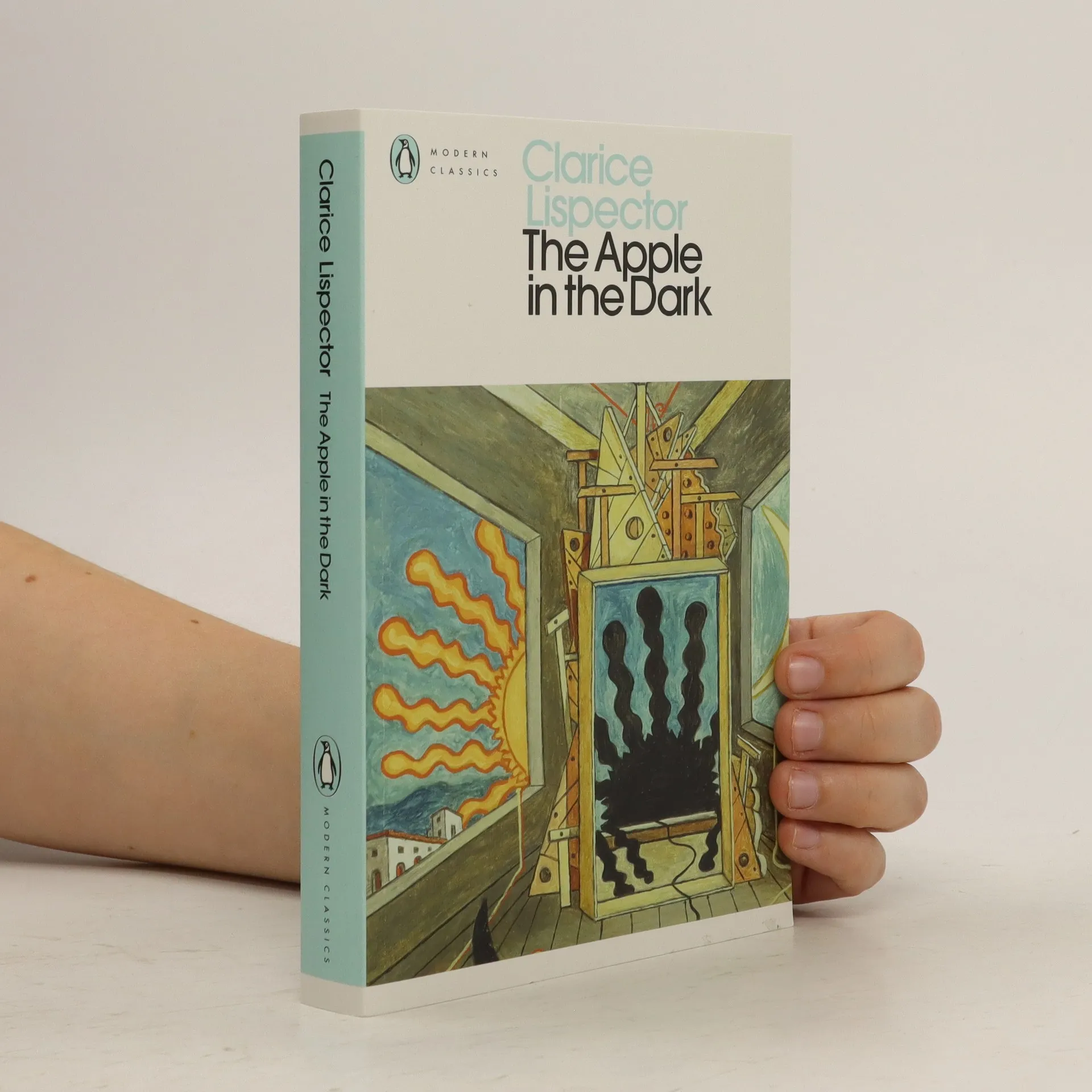
In the mistaken belief that he has killed his wife, Martim flees the city and arrives, in a state of both fear and wonder, at a remote ranch. There, he will have to remake himself, emerging, from the beast-like state in which his crime has plunged him, to the fullness of a reinvented humanity. Along the way, he will mark the lives of the two women who run the ranch, brambly, authoritarian Vit ria and her weepy cousin Ermelinda. But the real drama is interior- Clarice Lispector's most wrenching, and most intoxicating, exploration of how a man becomes a human - and of how language can transform a life into a destiny. A highly sculpted, metaphysical book whose mysteries and allegories glow with a scintillating light, Apple in the Dark is a masterpiece by "one of the hidden geniuses of the twentieth century'" (Colm T ibin). Translated by Benjamin Moser.
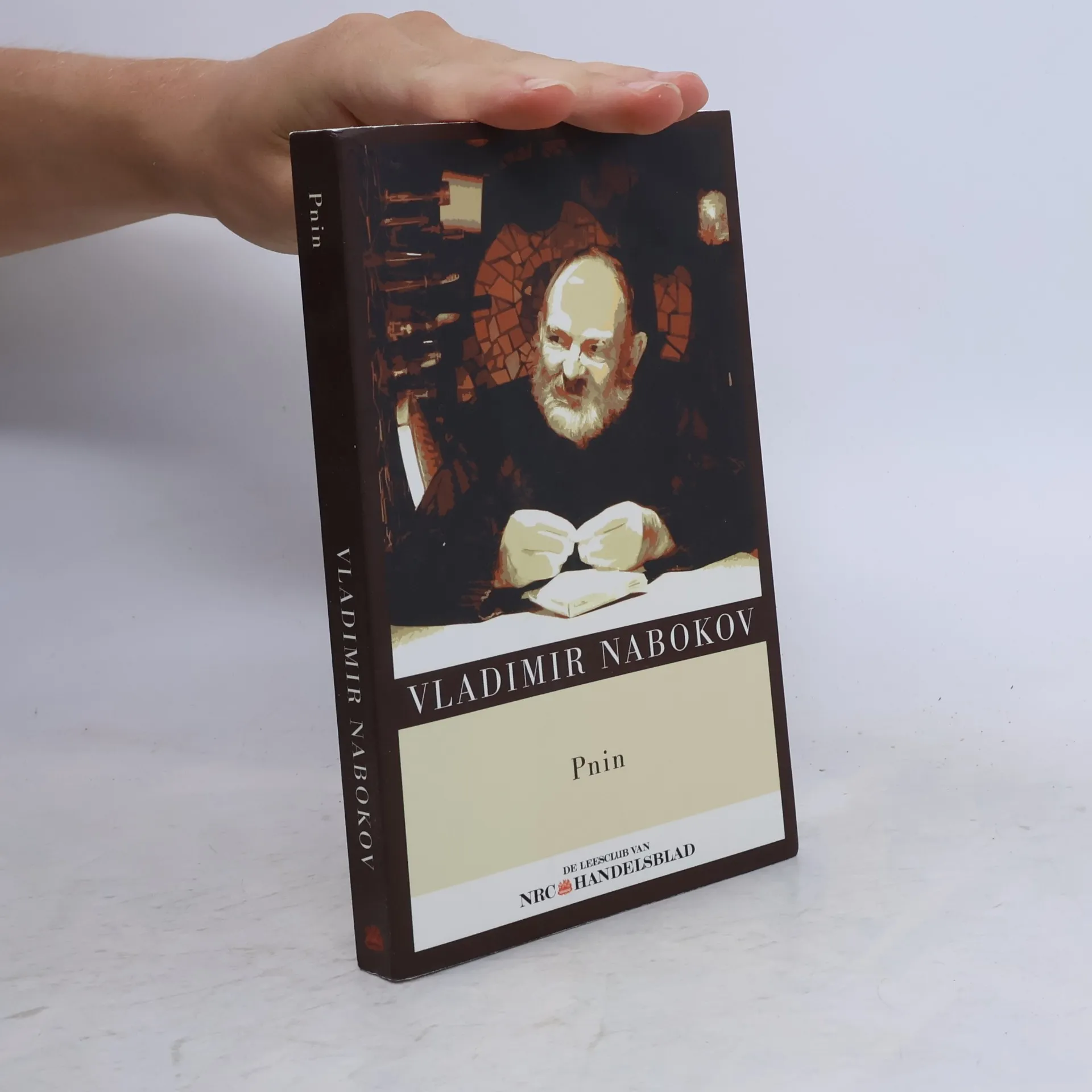
One of the best-loved of Nabokov’s novels, Pnin features his funniest and most heart-rending character. Professor Timofey Pnin is a haplessly disoriented Russian émigré precariously employed on an American college campus in the 1950s. Pnin struggles to maintain his dignity through a series of comic and sad misunderstandings, all the while falling victim both to subtle academic conspiracies and to the manipulations of a deliberately unreliable narrator. Initially an almost grotesquely comic figure, Pnin gradually grows in stature by contrast with those who laugh at him. Whether taking the wrong train to deliver a lecture in a language he has not mastered or throwing a faculty party during which he learns he is losing his job, the gently preposterous hero of this enchanting novel evokes the reader’s deepest protective instinct. Serialized in The New Yorker and published in book form in 1957, Pnin brought Nabokov both his first National Book Award nomination and hitherto unprecedented popularity.
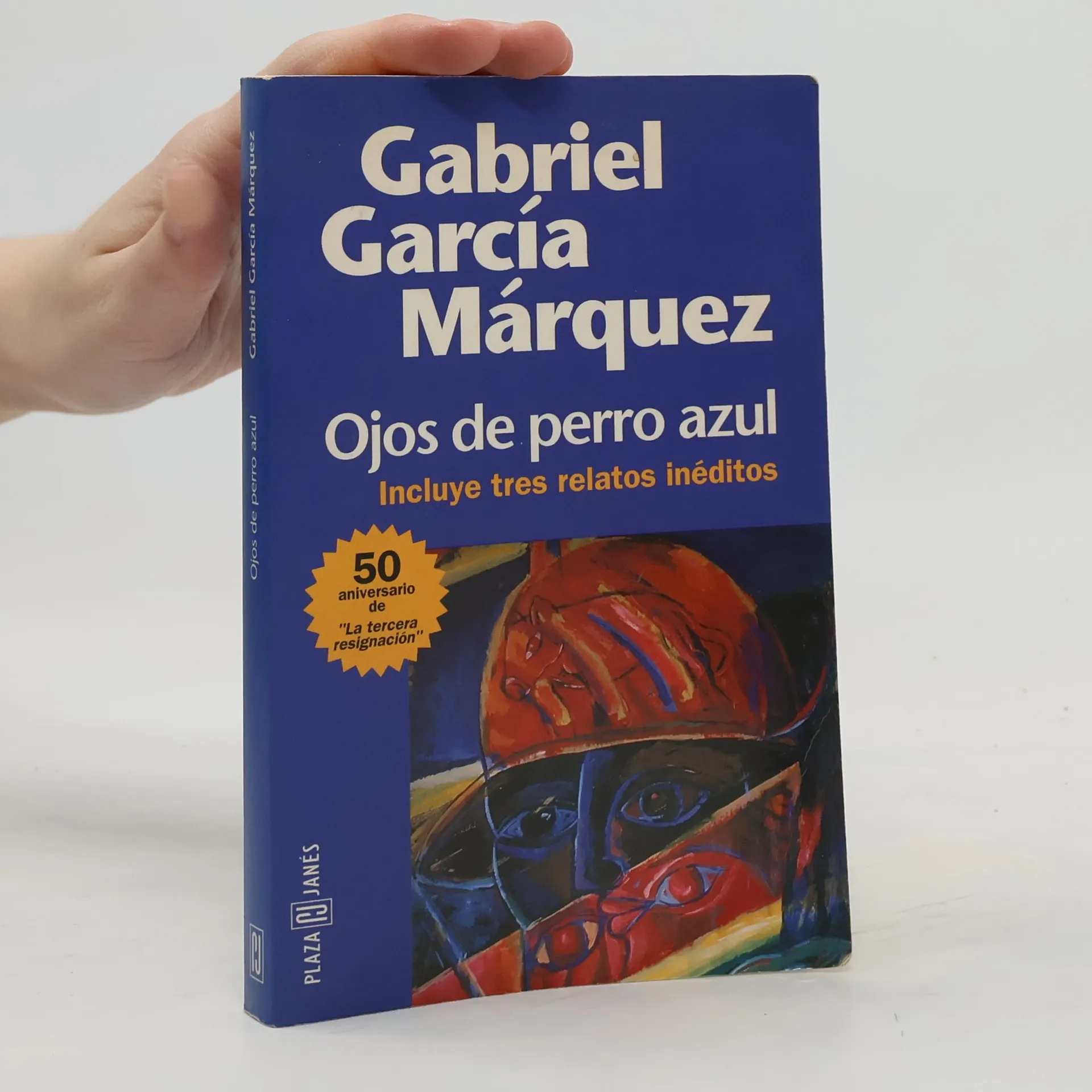
Estos relatos tempranos de Gabriel García Márquez fueron escritos y publicados entre 1947 y 1955, aunque, como libro, Ojos de perro azul no aparecería hasta 1974 cuando el escritor ya había publicado otros dos libros de relatos y cuatro novelas, de las que la última, "Cien años de soledad", le proporcionaría su primer gran éxito internacional. En este libro se incluye su primer cuento célebre, el "Monólogo de Isabel viendo llover en Macondo", escenario de sus obras posteriores. El personaje de Isabel reaparecerá en su primera novela, y el tema de la lluvia cayendo interminablemente, en su personal versión del diluvio universal, acabaría integrándose suave y flexiblemente en "Cien años de soledad". Este relato, incluido en todas las antologías del cuento latinoamericano de nuestros días, fue la primera piedra de ese gigantesco edificio, tan imaginario como real, que terminaría fundando el espacio literario más poderoso de las letras universales de nuestro tiempo: Macondo.
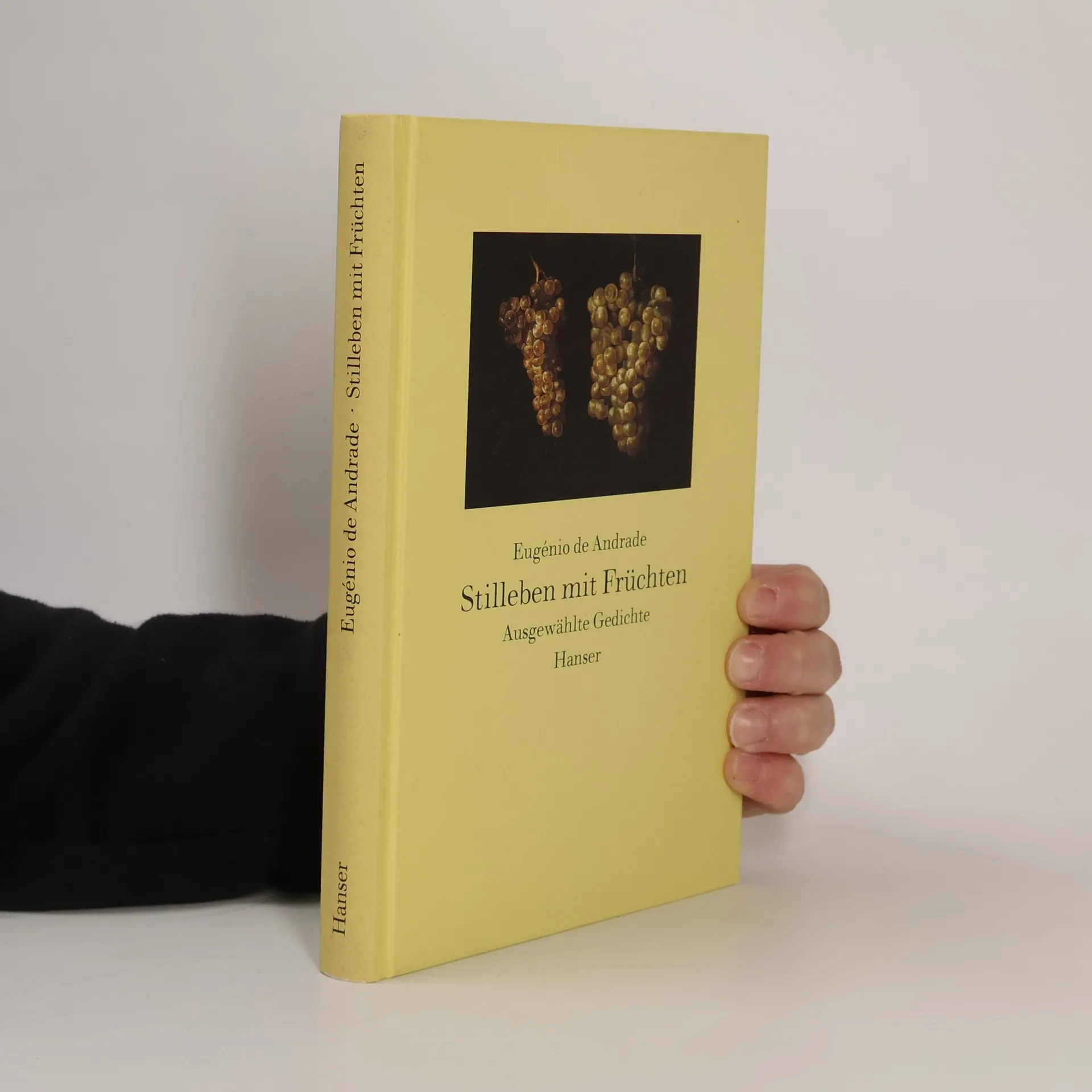
Andrade ist ein bedeutender zeitgenössischer Lyriker Portugals, dessen Gedichte sich mit den grundlegenden Aspekten des Lebens befassen, wie dem menschlichen Körper, der Natur und der Liebe. Seine erstmals auf Deutsch veröffentlichten Verse zeichnen sich durch klare, musikalische Sprache aus.
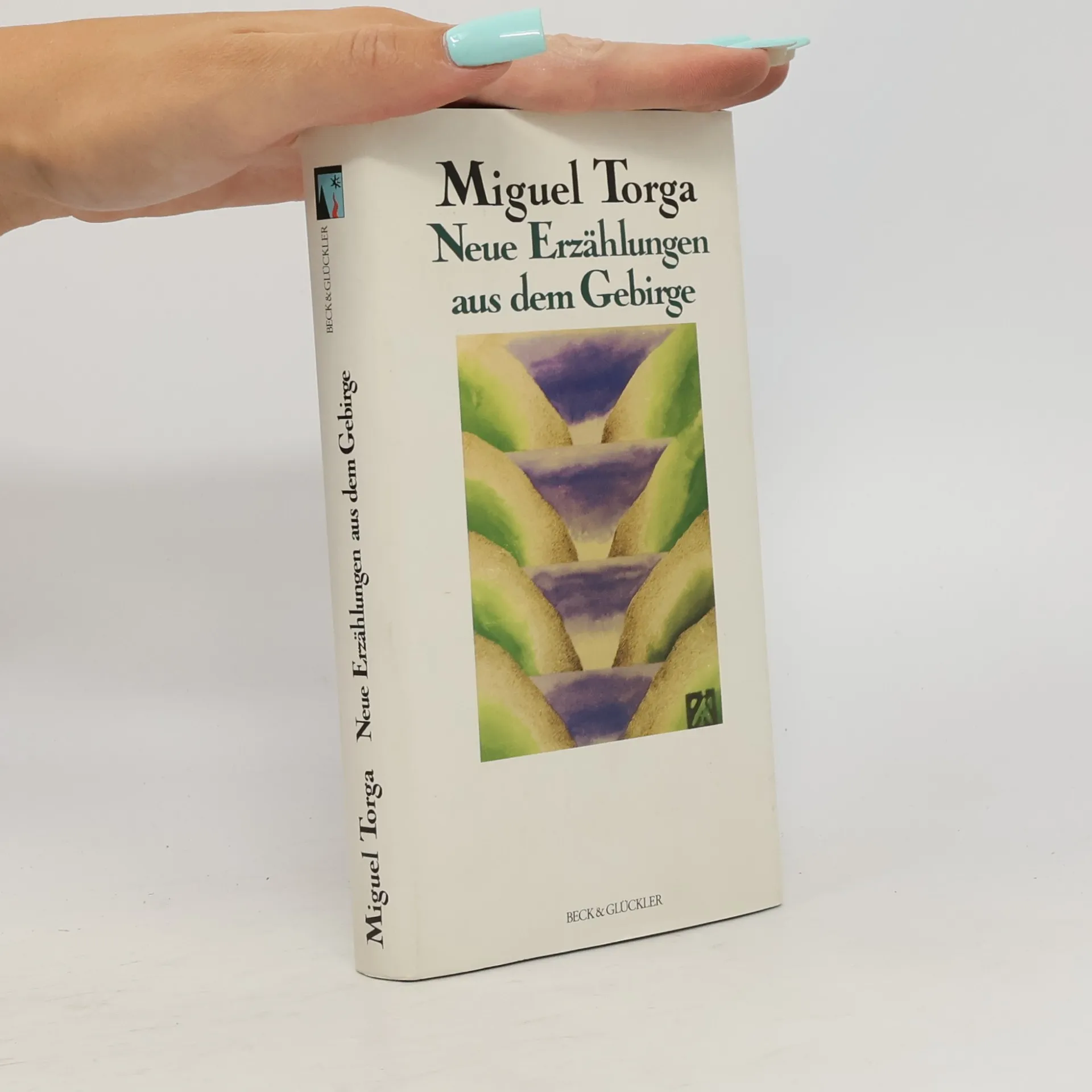
Miguel Torga retrata nesta obra a dureza do mundo rural português recorrendo a uma linguagem simples mas cuidada. Histórias que giram em torno de personagens duras e terrosas que têm como cenário de fundo a paisagem transmontana que ilustram o confronto do homem contra as leis divinas e terrestres que o aprisionam. Contos: O Alma-Grande | Fronteira | O Pastor Gabriel | Repouso | O Caçador | O Leproso | Destinos | O Lopo | O Sésamo | Mariana | Natal | Névoa | Renovo | O Regresso | A Confissão | O Milagre | O Artilheiro | Teia de Aranha | A Festa | O Marcos | A Caçada | O Senhor