

HarperCollins is proud to present its incredible range of best-loved, essential classics... Despite dating from the 4th century BC, The Art of Rhetoric continues to be regarded by many as the single most important work on the art of persuasion. As democracy began emerging in 5th-century Athens, public speaking and debate became an increasingly important tool to garner influence in the assemblies, councils, and law courts of ancient Greece. In response to this, both politicians and ordinary citizens became desperate to learn greater skills in this area, as well as the philosophy behind it. This treatise was one of the first to provide just that, establishing methods and observations of informal reasoning and style, and has continued to be hugely influential on public speaking and philosophy today. Aristotle, the grandfather of philosophy, student of Plato, and teacher of Alexander the Great, was one of the first people to create a comprehensive system of philosophy, encompassing logic, morality, aesthetics, politics, ethics, and science. Although written over 2,000 years ago, The Art of Rhetoric remains a comprehensive introduction for philosophy students into the subject of rhetoric, as well as a useful manual for anyone today looking to improve their oratory skills of persuasion.
Jacob Aristotle Volgorde van de boeken (chronologisch)
Aristoteles behoort tot de grootste filosofen aller tijden, wiens werken de westerse filosofie eeuwenlang hebben gevormd. Zijn onderzoek bestreek een breed scala aan onderwerpen, van logica en metafysica tot ethiek, politiek en esthetiek. Zijn nadruk op observatie en empirisch onderzoek, met name in de biologie, was baanbrekend. Aristoteles' filosofie is complex en blijft tot op heden discussie oproepen, wat zijn blijvende invloed op de intellectuele geschiedenis bewijst.

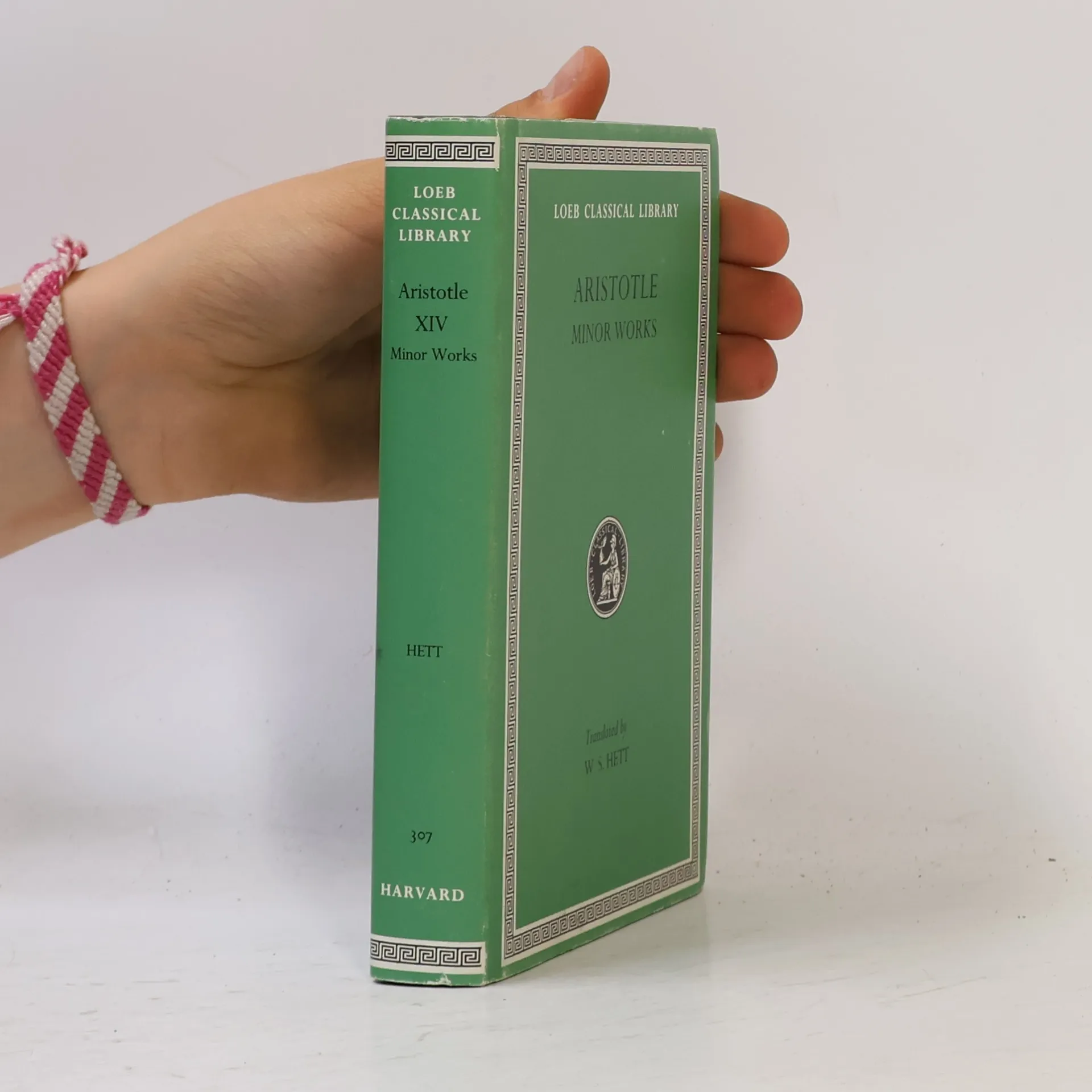
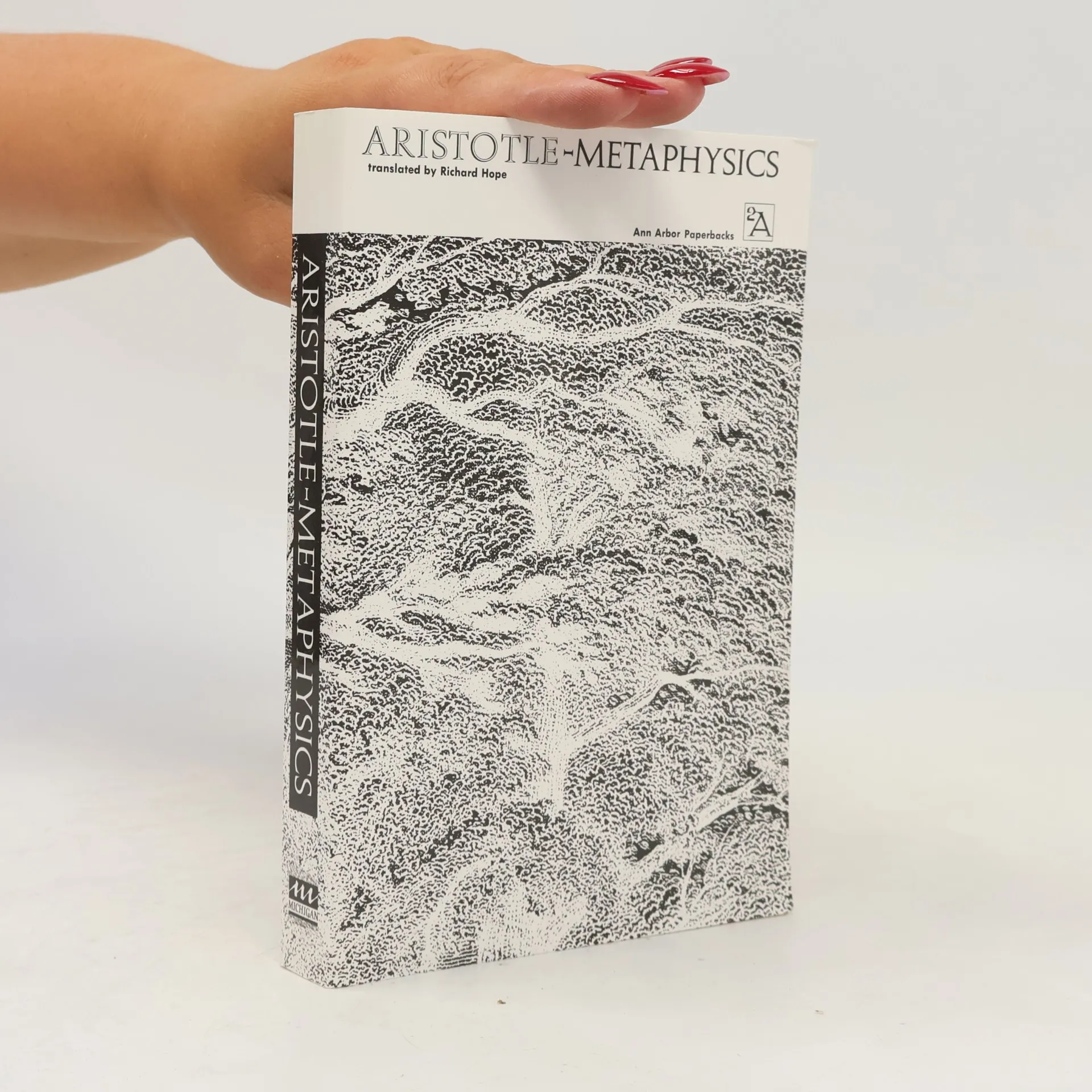

Loeb Classical Library - 14: Minor Works
- 528bladzijden
- 19 uur lezen
Nearly all the works Aristotle (384 322 BCE) prepared for publication are lost; the priceless ones extant are lecture-materials, notes, and memoranda (some are spurious). They can be categorized as practical; logical; physical; metaphysical; on art; other; fragments.
Aristotle XI. History of Animals. Books VII-X
Edited and Translated by D.M. Balme
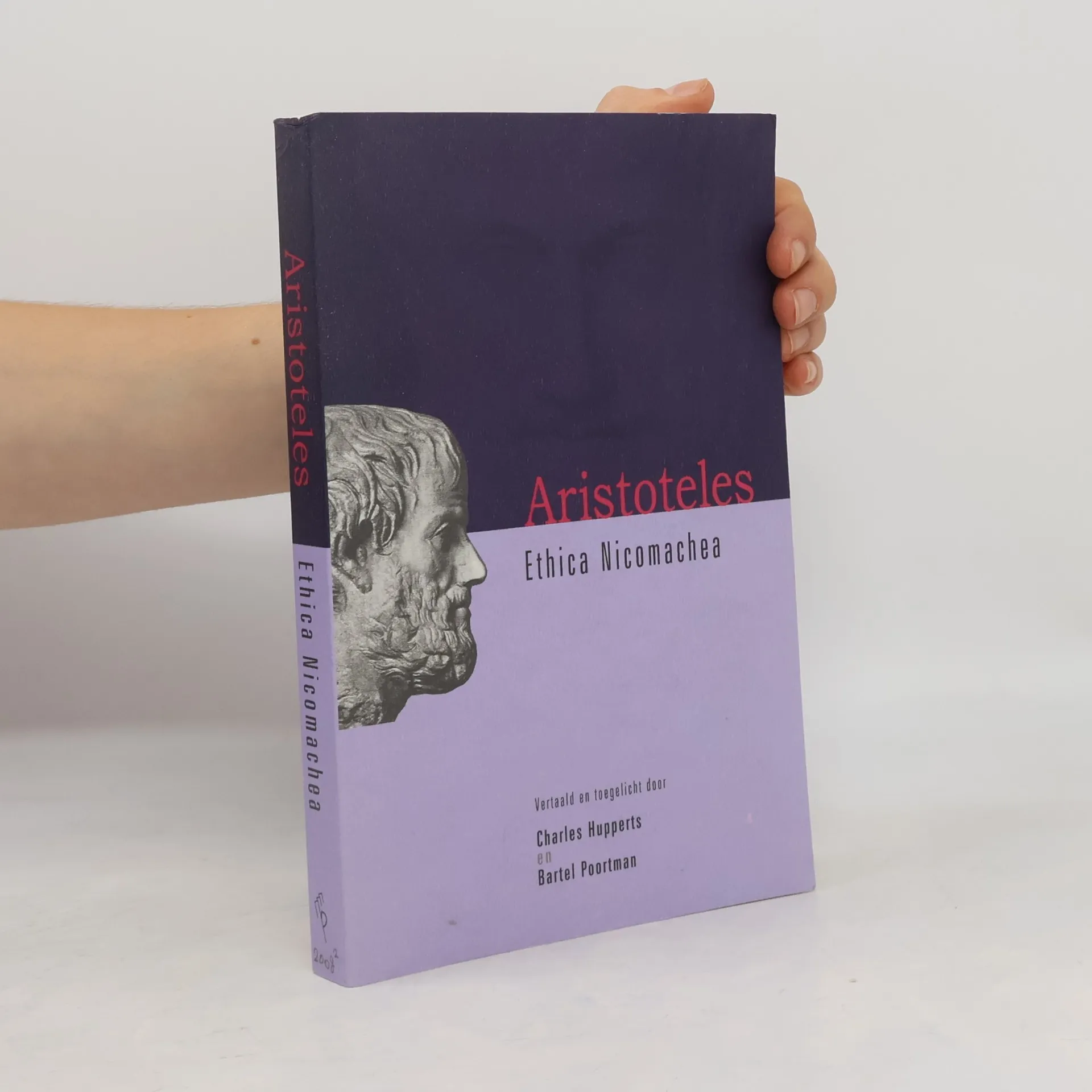
Ethica Nicomachea
- 416bladzijden
- 15 uur lezen
Inleiding tot en geannoteerde vertaling van het wijsgerig-ethische overzichtswerk van Griekse filosoof (384-322 v.Chr.).
Metaphysics
- 416bladzijden
- 15 uur lezen
Aristotle's great work translated into English with an index giving Greek, Latin, and English forms of key terms