

Bookbot

Andrew Lakoff

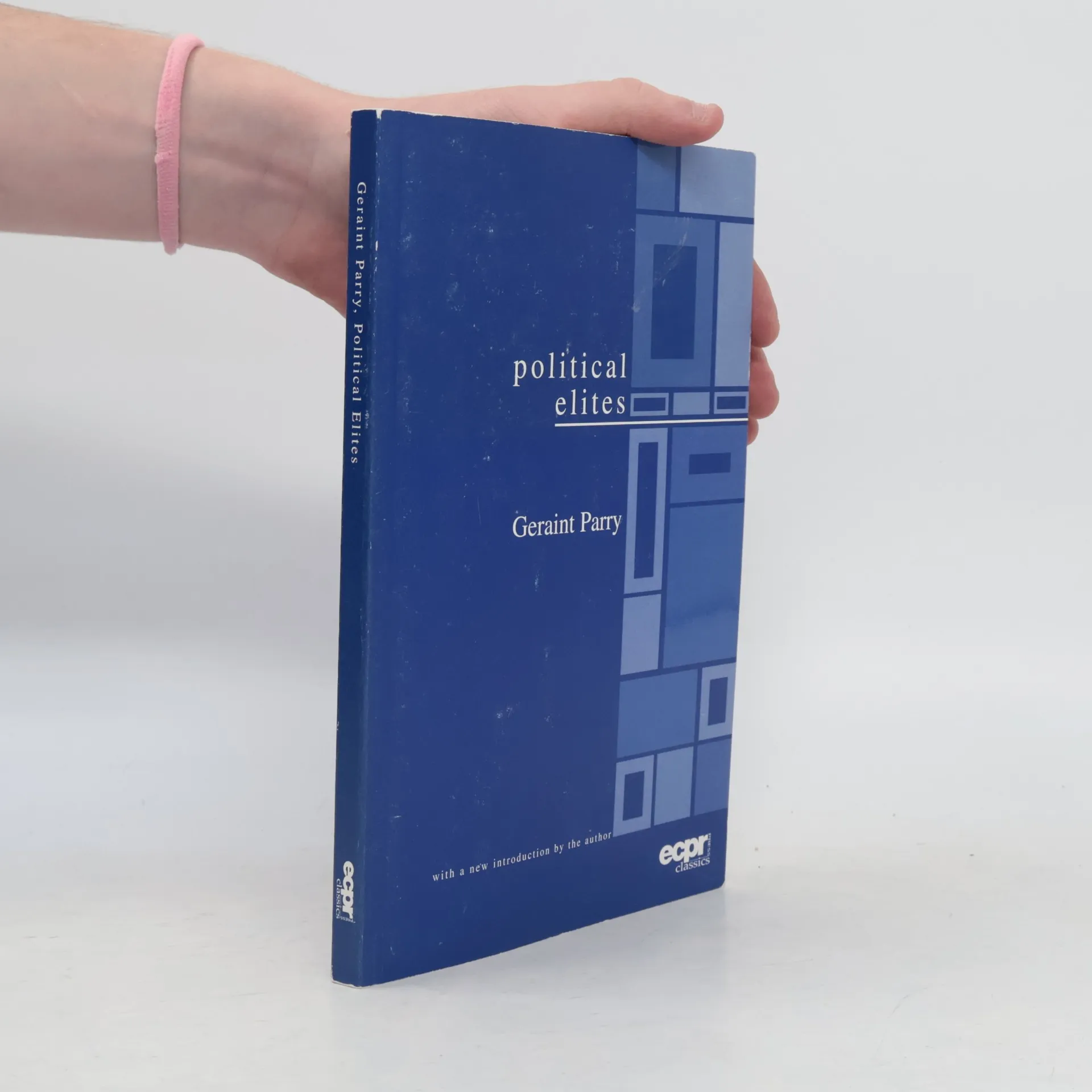
    Ecpr Classics: Political Elites With a New Introduction by the Author
    Planning for the Wrong Pandemic
    Pharmaceutical Reason
    • Planning for the Wrong Pandemic

      • 150bladzijden
      • 6 uur lezen

      The disorganized governmental response to the coronavirus pandemic in the United States raised questions about why the country, equipped with knowledge and resources, was so unprepared. Critics pointed to a dismissive President, a fragmented media landscape fostering misinformation, a sluggish health bureaucracy, and social disparities exacerbating the disease's impact. However, this book adopts a different perspective. It acknowledges that much of the governmental and expert response had been planned in advance, with many strategies implemented during the pandemic's early stages. Authorities relied on pre-existing concepts and tools designed for emergencies, which helped them respond quickly but also created significant blind spots. The book examines the circumstances under which these planning tools were developed, what they allowed experts and officials to perceive, and what they obscured. As we evaluate the failures of our pandemic response and prepare for future crises, it questions the reliability of these tools in guiding effective interventions. This exploration invites a deeper understanding of the complexities involved in emergency preparedness and response, highlighting the need for critical assessment of existing frameworks.

      Planning for the Wrong Pandemic2024
      3,7
    • Pharmaceutical Reason

      Knowledge and Value in Global Psychiatry

      • 220bladzijden
      • 8 uur lezen

      Focusing on the social and political ramifications, this case study explores the emerging 'pharmaceutical' perspective on human behavior. It delves into how this approach reshapes our understanding of mental health and influences societal norms, raising critical questions about the implications for individuals and communities. The analysis provides insight into the intersection of medicine, psychology, and policy, encouraging readers to reconsider the role of pharmaceuticals in shaping human experiences and behaviors.

      Pharmaceutical Reason2009
      4,1
    • Elites have been described both as the bulwarks of democracy and its very antithesis. 'Political Elites', first published in 1969, reviews the literature on the role of elites in politics. It deals with both the 'classic' elite theorists - Mosca, Pareto, Michels, Burnham and C. Wright Mills - and with many of the empirical and theoretical works on elites by modern political scientists and sociologists. It seeks to clarify the central terms of elite discourse, some of which have entered the everyday political vocabulary - 'elitism', 'power elite', 'establishment', 'elite consensus'', 'iron law of oligarchy' and 'mass'. It explores the ways in which the descriptions of power relationships can subtly be infiltrated by the values of the observers. For this ECPR Classics edition Professor Parry has added an introduction reviewing significant new developments in elite political science.

      Ecpr Classics: Political Elites With a New Introduction by the Author2005