

Bookbot

Larry M. Bartels

    16 mei 1956

    Larry Bartels is een Amerikaanse politicoloog wiens onderzoek zich richt op de publieke opinie, campagnes en verkiezingen, representatie en overheidsbeleid. Hij onderzoekt hoe publieke meningen worden gevormd en hoe deze politieke processen en beslissingen beïnvloeden. Zijn uitgebreide onderzoek omvat wetenschappelijke werken en bijdragen aan toonaangevende kranten, wat bijdraagt aan het bredere publieke debat over belangrijke maatschappelijke kwesties.

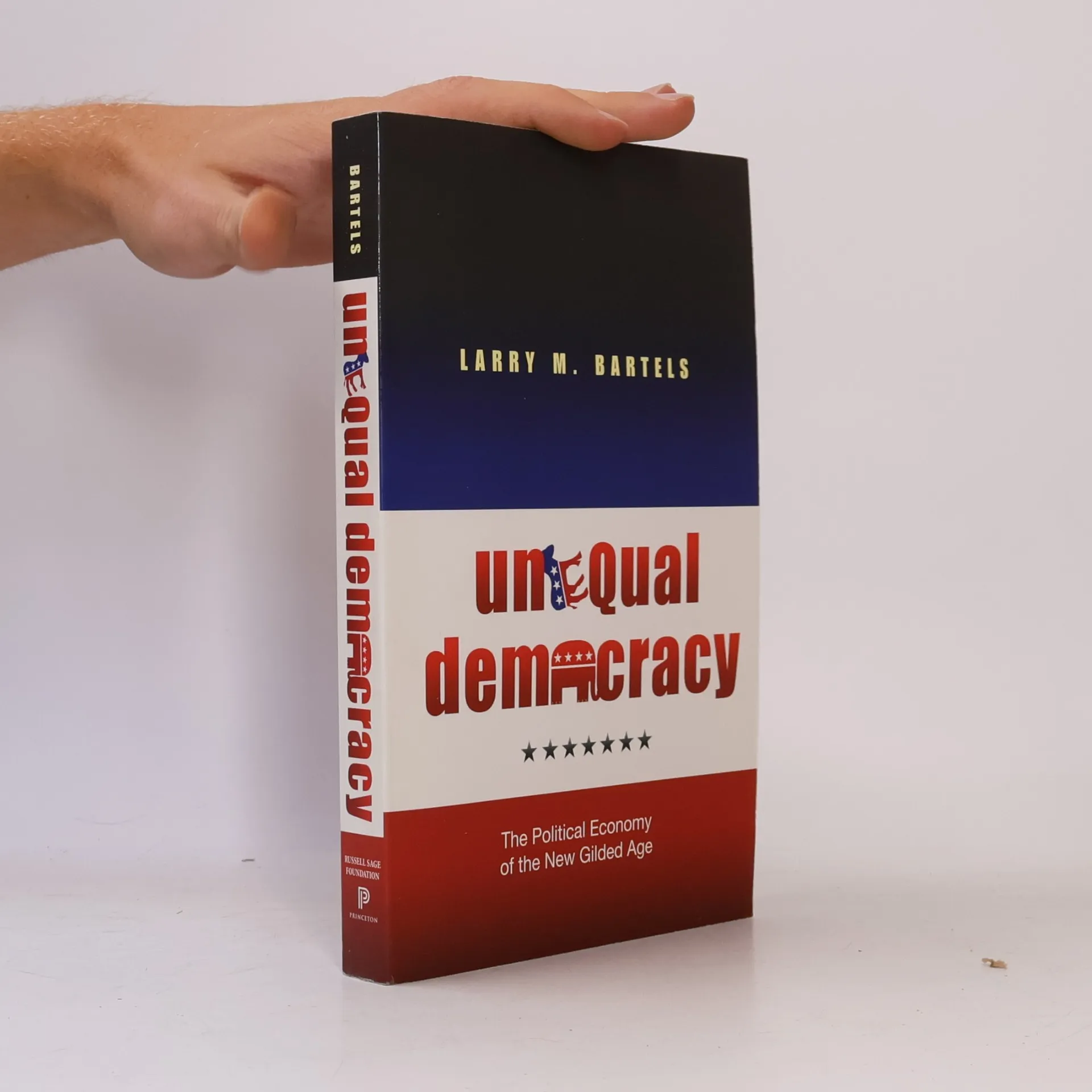
    Unequal Democracy
    Democracy Erodes from the Top
    • Democracy Erodes from the Top

      • 280bladzijden
      • 10 uur lezen

      A surge in support for right-wing populist parties has raised alarms about the state of liberal democracy in Europe, prompting fears of a crisis reminiscent of the 1930s. However, this book reveals that the true crisis originates from political leaders who exploit or mishandle the inherent vulnerabilities of democracy, rather than from a populist public. The author dismantles the myth of a populist wave in contemporary European sentiment, showing that while populist feelings exist, trust in politicians and parliaments remains stable compared to two decades ago. Enthusiasm for European integration and satisfaction with democratic processes have not diminished, and anti-immigrant sentiment has actually declined. The modest rise in electoral support for right-wing populist parties can be attributed to the unique successes of populist figures, failures of mainstream parties, and sensational media coverage. Notably, instances of democratic backsliding in Hungary and Poland stem not from voter desire for authoritarianism, but from conventional conservative parties consolidating power once in office. By challenging traditional bottom-up interpretations of the political crisis, this work reshapes our understanding of democratic politics in Europe.

      Democracy Erodes from the Top2023
      3,5
    • Unequal Democracy

      The Political Economy of the New Gilded Age

      • 344bladzijden
      • 13 uur lezen

      Using a vast swath of data spanning the past six decades, <i>Unequal Democracy</i> debunks many myths about politics in contemporary America, using the widening gap between the rich and the poor to shed disturbing light on the workings of American democracy. Larry Bartels shows the gap between the rich and poor has increased greatly under Republican administrations and decreased slightly under Democrats, leaving America grossly unequal. This is not simply the result of economic forces, but the product of broad-reaching policy choices in a political system dominated by partisan ideologies and the interests of the wealthy. Bartels demonstrates that elected officials respond to the views of affluent constituents but ignore the views of poor people. He shows that Republican presidents in particular have consistently produced much less income growth for middle-class and working-poor families than for affluent families, greatly increasing inequality. He provides revealing case studies of key policy shifts contributing to inequality, including the massive Bush tax cuts of 2001 and 2003 and the erosion of the minimum wage. Finally, he challenges conventional explanations for why many voters seem to vote against their own economic interests, contending that working-class voters have not been lured into the Republican camp by values issues like abortion and gay marriage, as commonly believed, but that Republican presidents have been remarkably successful in timing income growth to cater to short-sighted voters. <i>Unequal Democracy</i> is social science at its very best. It provides a deep and searching analysis of the political causes and consequences of America's growing income gap, and a sobering assessment of the capacity of the American political system to live up to its democratic ideals.

      Unequal Democracy2010