Honoré de Balzac was een negentiende-eeuwse Franse romanschrijver en toneelschrijver wiens omvangrijke oeuvre een panorama schetst van het Franse leven in de periode na de val van Napoleon Bonaparte. Hij wordt erkend als een grondlegger van het Europese literaire realisme vanwege zijn scherpe oog voor detail en zijn onverbloemde weergave van de maatschappij. Balzac staat bekend om zijn veelzijdige personages, die complex, moreel ambigu en volkomen menselijk zijn, en zijn schrijfstijl verleent vaak zelfs levenloze objecten en de stad Parijs menselijke eigenschappen. Zijn literaire invloed strekte zich uit tot tal van beroemde auteurs en blijft schrijvers tot op de dag van vandaag inspireren.
Le cousin Pons is Balzac’s last novel in his grand series ‘La comédie humaine’. Pons is an elderly man, conductor of a theatre orchestra. Pons is dying. His inheritance is meant for his friend Schmucke. But some other people get their hands on Pons’s money and possessions. The novel has many beautiful characterizations, a well-drawn social context of the French middle class in the first half of the nineteenth century, it has a variety of emotions, and excitement in the development of the plot. JM
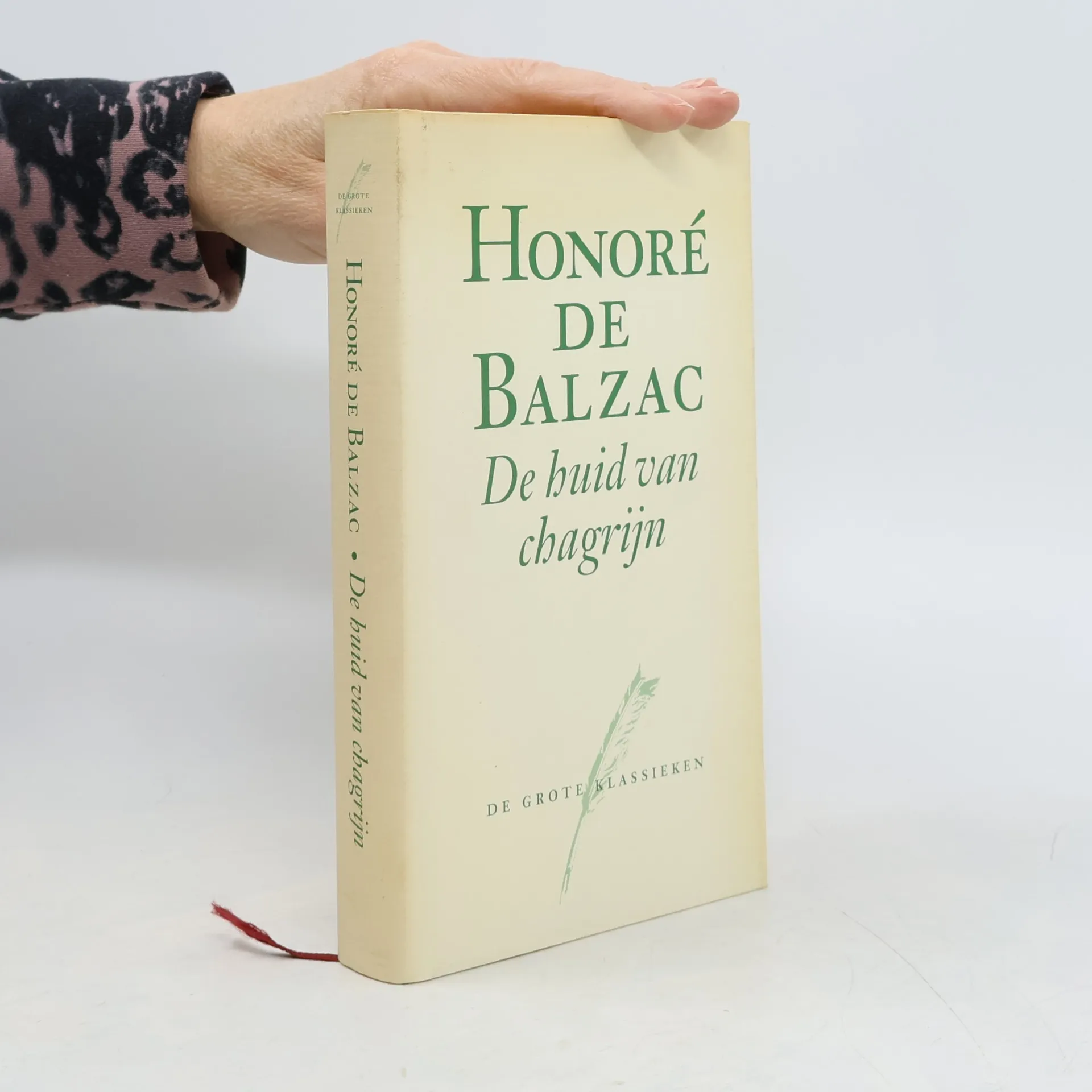
The Wild Ass's Skin is Honoré de Balzac's 1831 novel that tells the story of a young man, Raphaël de Valentin, who discovers a piece of shagreen, in this case a rough untanned piece of a wild ass's skin, which has the magical property of granting wishes. However the fulfillment of the wisher's desire comes at a cost, after each wish the skin shrinks a little bit and consumes the physical energy of the wisher. "The Wild Ass's Skin" is at once both a work of incredible realism, in the descriptions of Parisian life and culture at the time, and also a work of supernatural fantasy, in the desires that are fulfilled by the wild ass's skin. Balzac uses this fantastical device masterfully to depict the complexity of the human nature in civilized society.
Encyclopædia Britannica offers a monumental collection that compiles history's greatest written works, from the ancient classics to more recent masterpieces. It contains 517 works from 130 of the most renowned minds throughout history. The collection includes a unique guide that enables you to investigate a particular idea and compare the perspectives of different authors, organizing thirty centuries of thought into 102 Great Ideas, divided into topics and subtopics to explore different viewpoints over time. This collection represents the essential core of the Western literary canon.
The novel sequence La Comédie humaine offers a detailed exploration of post-Napoleonic French society through Balzac's keen observation and unfiltered realism. His characters, rich in complexity and moral ambiguity, reflect the intricacies of human nature, while even inanimate objects gain personality, particularly the vibrant city of Paris. Balzac's influential style has left a lasting impact on notable writers and filmmakers, cementing his status as a foundational figure in European literature.
Balzac begins with a travelogue of the fiords of Norway, concentrating ultimately on one valley that is isolated by the roaring waters of the Sieg River which rises in Sweden and by the forbidding mountains of Jarvis. We begin with two figures cross-country skiing UP a mountain, past unimaginable abysses. One of them is Minna Becker, daughter of the village pastor. The other is a pale young male named Seraphitus, who expertly guides Minna up the slope to an Alpine meadow.
The novel sequence La Comédie humaine offers a detailed exploration of post-Napoleonic French society, showcasing Balzac's mastery in realism. His characters are intricately developed, displaying moral complexity and depth, while even inanimate objects, like the city of Paris, are given human traits. Balzac's keen observational skills and unfiltered societal representation have established him as a pivotal figure in European literature, influencing notable writers and filmmakers across generations.
Balzac's work offers a detailed portrayal of post-Napoleonic French society through his extensive sequence, La Comédie humaine. His characters, rich in complexity and moral ambiguity, reflect a deep understanding of human nature. Notably, even inanimate objects and settings, like Paris, are infused with personality, enhancing the narrative's realism. This keen observation and representation of life have established Balzac as a pivotal figure in European literature, influencing notable writers and filmmakers alike.
The novel presents an intimate glimpse into the lives of two friends, Louise de Chaulieu and Renée de Maucombe, as they navigate the shift from convent school to the challenges of adulthood and marriage in early 19th-century France. Through their letters, Balzac intricately examines themes of female friendship, love, and the societal limitations imposed on women, offering a rich commentary on their experiences and aspirations. This epistolary format enhances the personal nature of their journey, making their struggles and triumphs resonate deeply.
Balzac's work is a detailed exploration of post-Napoleonic French society, showcasing his keen observational skills and commitment to realism. His characters, rich in complexity and moral ambiguity, reflect the intricacies of human nature, while even inanimate objects, particularly in Paris, are given life and personality. This intricate portrayal of life has left a profound impact on numerous literary figures and filmmakers, establishing Balzac as a pivotal influence in European literature.
The novella explores the contrasting worlds of the idealistic artist Théodore de Sommervieux and the practical Augustine Guillaume, daughter of a cloth merchant. Set against the backdrop of early 19th-century France, it delves into themes of social class, ambition, and the complexities of love. As part of Balzac's La Comédie humaine, it provides insight into the intricacies of human relationships and societal expectations during that era.
The novel explores the complexities of marriage through the story of Paul de Manerville, a wealthy Parisian gentleman who chooses to abandon his bachelor lifestyle at twenty-seven to marry Natalie Evangelista, a stunning but spoiled Spanish heiress. Set against the backdrop of Bordeaux, the narrative delves into the tensions between love and societal expectations, as Paul's decision faces opposition from his cynical friend de Marsay and highlights the challenges posed by Natalie's family's diminishing fortune.
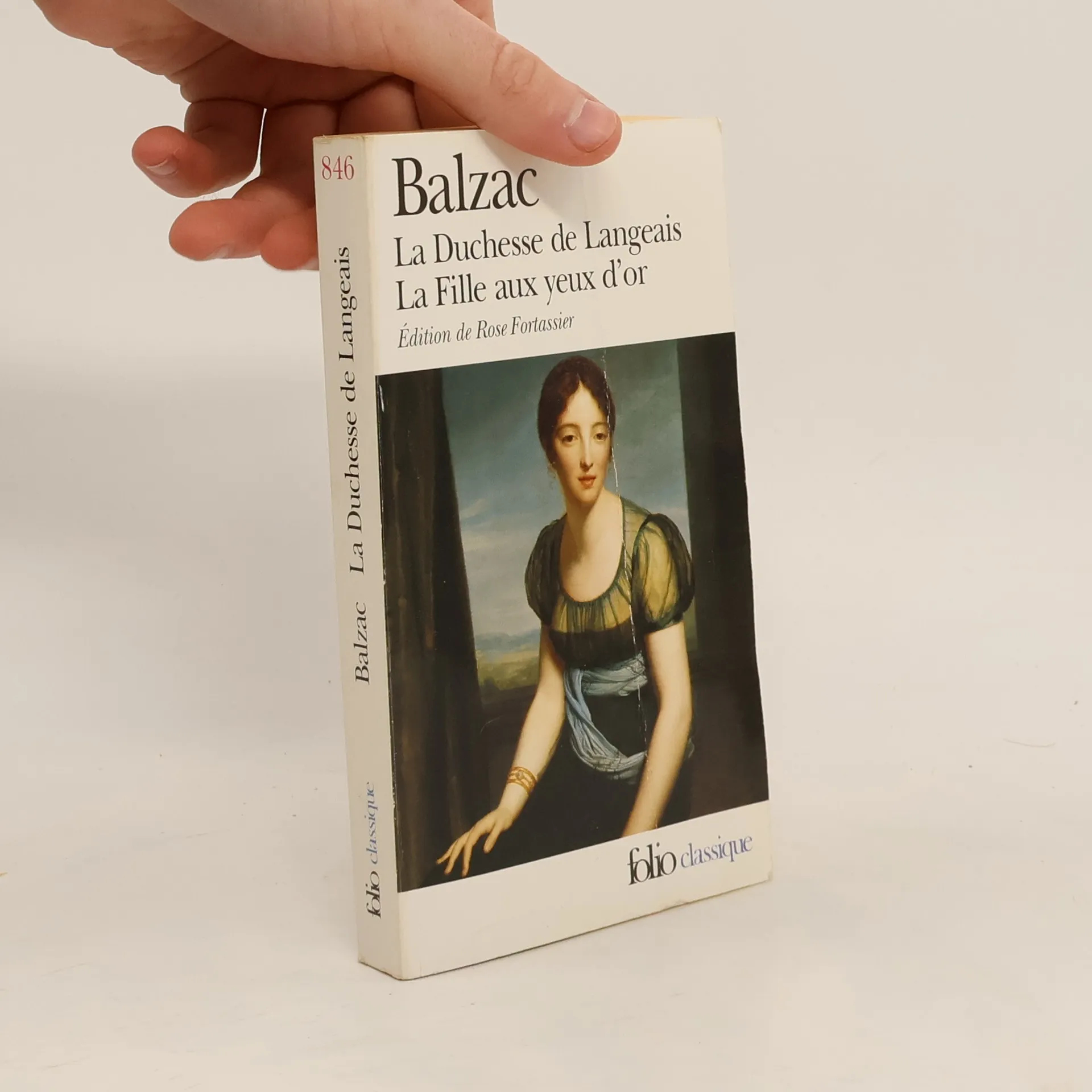
History of the Thirteen is a trilogy written by Honoré de Balzac: Ferragus is the first part, the second is La Duchesse de Langeais and the third is The Girl with the Golden Eyes. The story is set around the year 1820. Auguste de Maulincour, a young cavalry officer, walking in a Parisian district of ill repute, sees from afar a young married woman, Clemence, with whom he is secretly in love. In the days that follow his arrival to Paris, Auguste uncovers the secrets of powerful and mysterious people and escapes several assassination attempts.
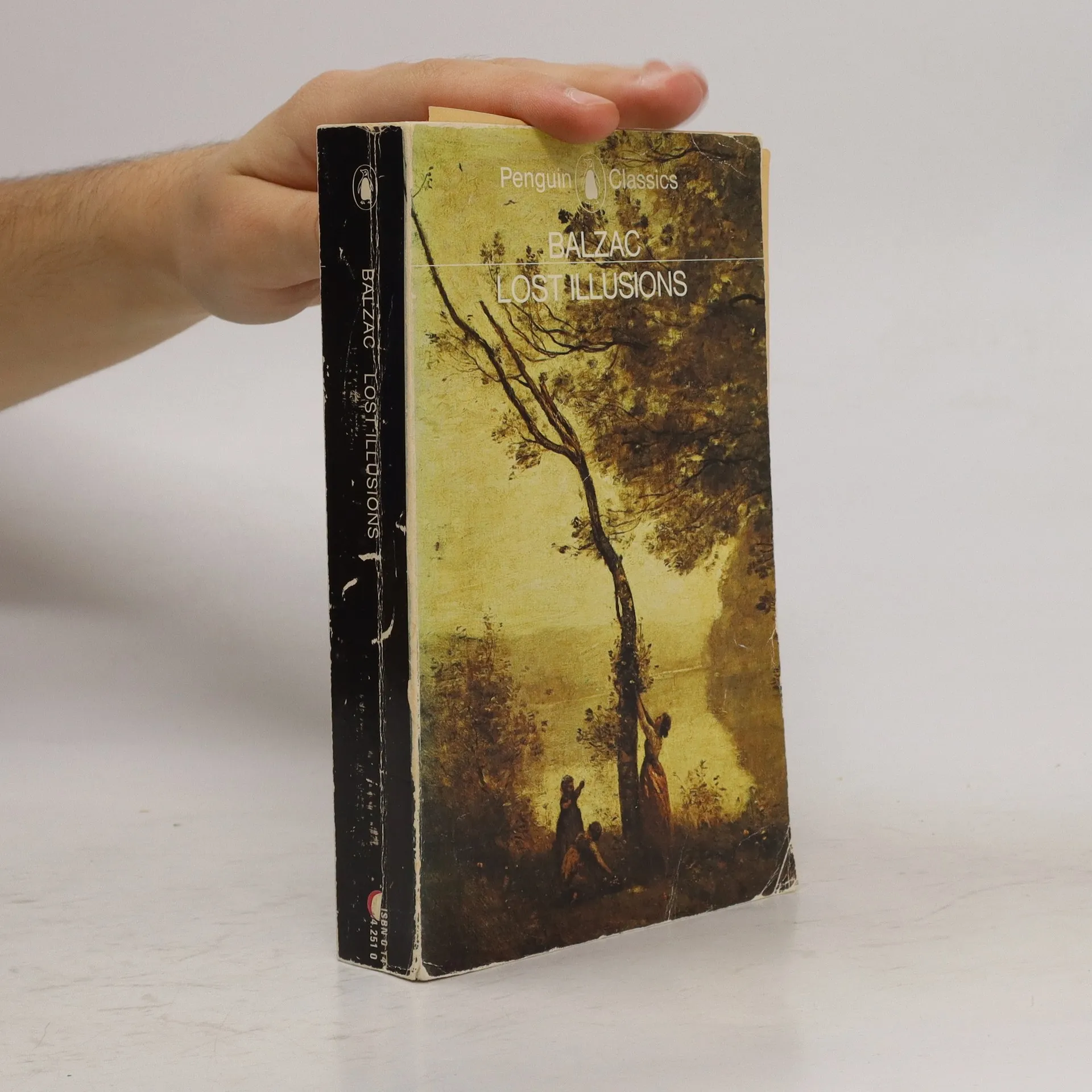
Handsome would-be poet Lucien Chardon is poor and naïve, but highly ambitious. Failing to make his name in his dull provincial hometown, he is taken up by a patroness, the captivating married woman Madame de Bargeton, and prepares to forge his way in the glamorous beau monde of Paris. But Lucien has entered a world far more dangerous than he realized, as Madame de Bargeton's reputation becomes compromised and the fickle, venomous denizens of the courts and salons conspire to keep him out of their ranks. Lucien eventually learns that, wherever he goes, talent counts for nothing in comparison to money, intrigue and unscrupulousness. Lost Illusions is one of the greatest novels in the rich procession of the Comédie humaine, Balzac's panoramic social and moral history of his times. For more than seventy years, Penguin has been the leading publisher of classic literature in the English-speaking world. With more than 1,700 titles, Penguin Classics represents a global bookshelf of the best works throughout history and across genres and disciplines. Readers trust the series to provide authoritative texts enhanced by introductions and notes by distinguished scholars and contemporary authors, as well as up-to-date translations by award-winning translators.
Set against the backdrop of 19th-century French society, the novel explores themes of social class and familial pressure through the character of Rosalie, the daughter of a distinguished yet dysfunctional family. Her timid father contrasts sharply with her proud, controlling mother, who desires for Rosalie to pursue a relationship with the superficial M. de Soulas. The story delves into the complexities of personal aspirations and societal expectations during the Restoration and July Monarchy periods, reflecting Balzac's keen observations of human nature.
This publication focuses on making historical works accessible through large print, catering specifically to individuals with impaired vision. The effort by Megali highlights the importance of inclusivity in literature, allowing a broader audience to engage with classic texts.
Balzac's work is celebrated for its vivid portrayal of post-Napoleonic French society through La Comédie humaine, a series of interconnected stories. His keen observational skills and unfiltered societal critique establish him as a pioneer of realism in literature. The complexity of his characters, even minor ones, reflects moral ambiguity and human depth, while the city of Paris is depicted with rich, anthropomorphic qualities. His influence extends to numerous prominent writers and filmmakers, marking a significant impact on literary and cinematic traditions.
The narrative centers on Esther van Gobseck, a courtesan navigating the complexities of 19th-century Parisian society. Known as La Torpille, she rises to prominence despite a tumultuous past linked to the criminal underworld and rival courtesans vying for wealthy patrons. The story intricately weaves themes of love, power, and social hypocrisy, highlighting the double standards faced by women in a male-dominated world. Balzac's vivid prose and complex characters offer a profound exploration of human experience and societal critique in this timeless classic.
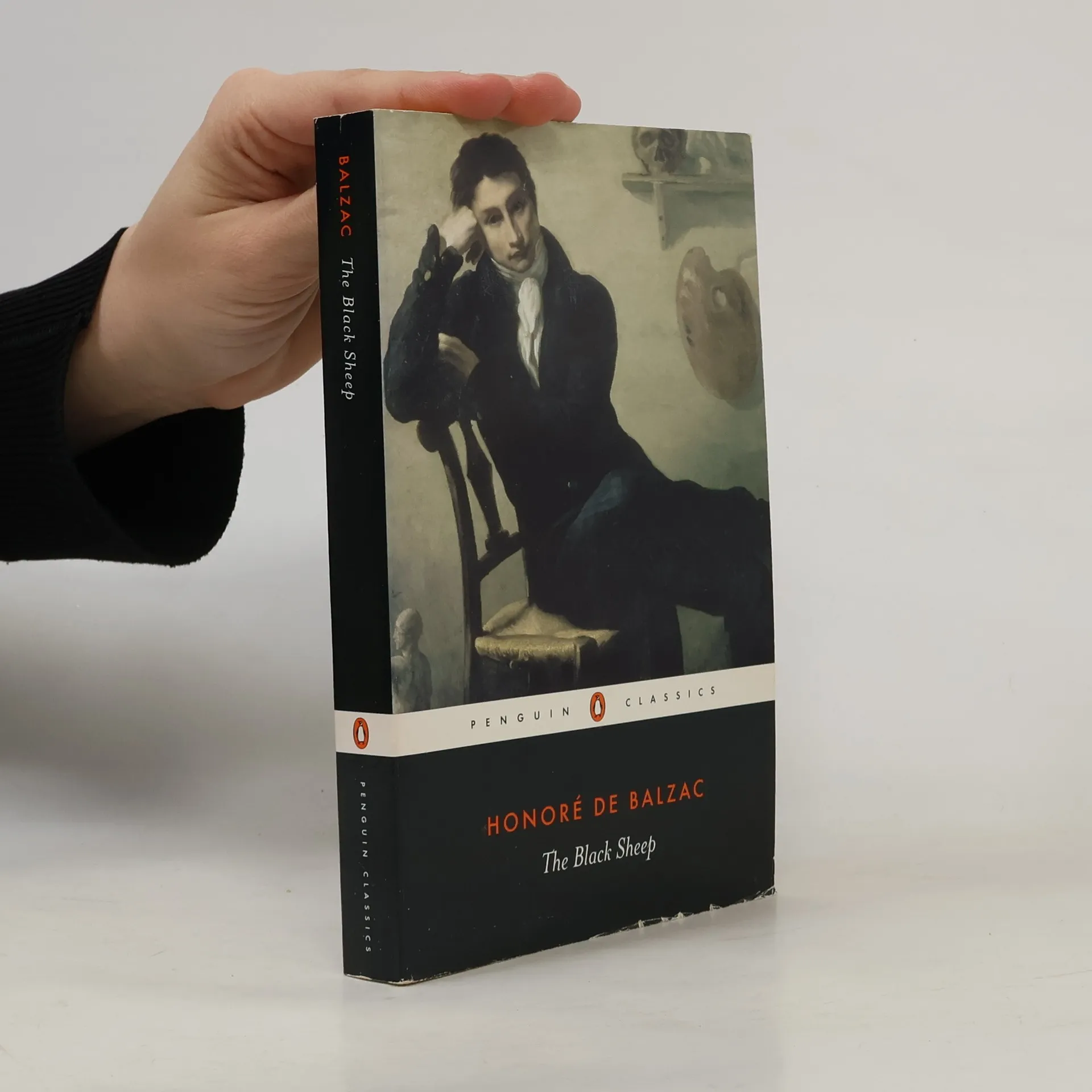
In this elegantly-crafted tale of sibling rivalry, two brothers, Philippe and Joseph Bridau, embody stark contrasts. Philippe, the elder, is a seemingly heroic soldier adored by their mother, Agathe, yet he harbors bitterness and squanders her savings after a fleeting career as Napoleon's aide-de-camp. In contrast, Joseph is fundamentally virtuous, but Agathe's prejudice against his artistic lifestyle blinds her to his kindness. Unbeknownst to her, she is manipulated by her favored son, raising the question of who the true black sheep is. This narrative offers a dazzling depiction of the power of money and the harsh realities of life in nineteenth-century France, exploring the nature of deceit. The translation by Donald Adamson captures Balzac's modernity, while the introduction situates the story within the broader context of Balzac's renowned Comédie humaine. For over seventy years, Penguin has been a leading publisher of classic literature, offering a global collection of over 1,700 titles. Readers rely on the series for authoritative texts, enriched by introductions and notes from distinguished scholars and contemporary authors, as well as contemporary translations by award-winning translators.
A Parisian doctor, disillusioned and weary of his dissipated lifestyle, moves to a village in Savoy where, with commitment and dedication, he works to improve the life of the community, which rewards him by electing him mayor. The reconstruction of the small universe of the village, the description of its interiors and peasant customs, and the long conversations of the doctor-mayor offer intense and effective pages from which a great variety of portraits, detailed profiles, and simple sketches come to life.
Set within the framework of La Comédie humaine, this novel explores the life of a young woman, Modeste Mignon, navigating love and ambition in a society marked by social stratification. The story unfolds through her interactions with various suitors, each representing different facets of society and desire. Balzac's rich character development and intricate social commentary highlight the challenges Modeste faces as she seeks true love amidst societal expectations. The work reflects the complexities of human relationships in 19th-century France.
The House of the Cat Who Pelted: followed by The Ball of Seals; The Vendetta; The Purse. Four "scenes of private life," four short stories written around 1830 that show Balzac beginning his social investigation, taking root in reality, laying the first stones of the edifice of The Human Comedy. This comedy is primarily about love, and three of these stories depict failed marriages, one due to cultural incompatibility, another due to social arrogance, and the third due to the madness of familial vengeance. But beyond the romantic intrigue appears the soon abundant variety of types and conditions: shopkeepers and courtiers, remnants of the Old Regime, lions and wolves of the Restoration, while Balzac discovers the mysterious and cruel Paris that will be one of the main characters of his work.
Set against the backdrop of 19th-century France, the novel explores the lives of characters inspired by real literary and musical figures. The story revolves around Béatrix de Rochefide and her complex relationships, particularly with the musician Gennaro Conti, reflecting themes of love, ambition, and artistic passion. Balzac intricately weaves the personal narratives of celebrated individuals like Félicité des Touches and Claude Vignon, offering a rich tapestry of social and cultural commentary within the framework of his broader work, La Comédie humaine.
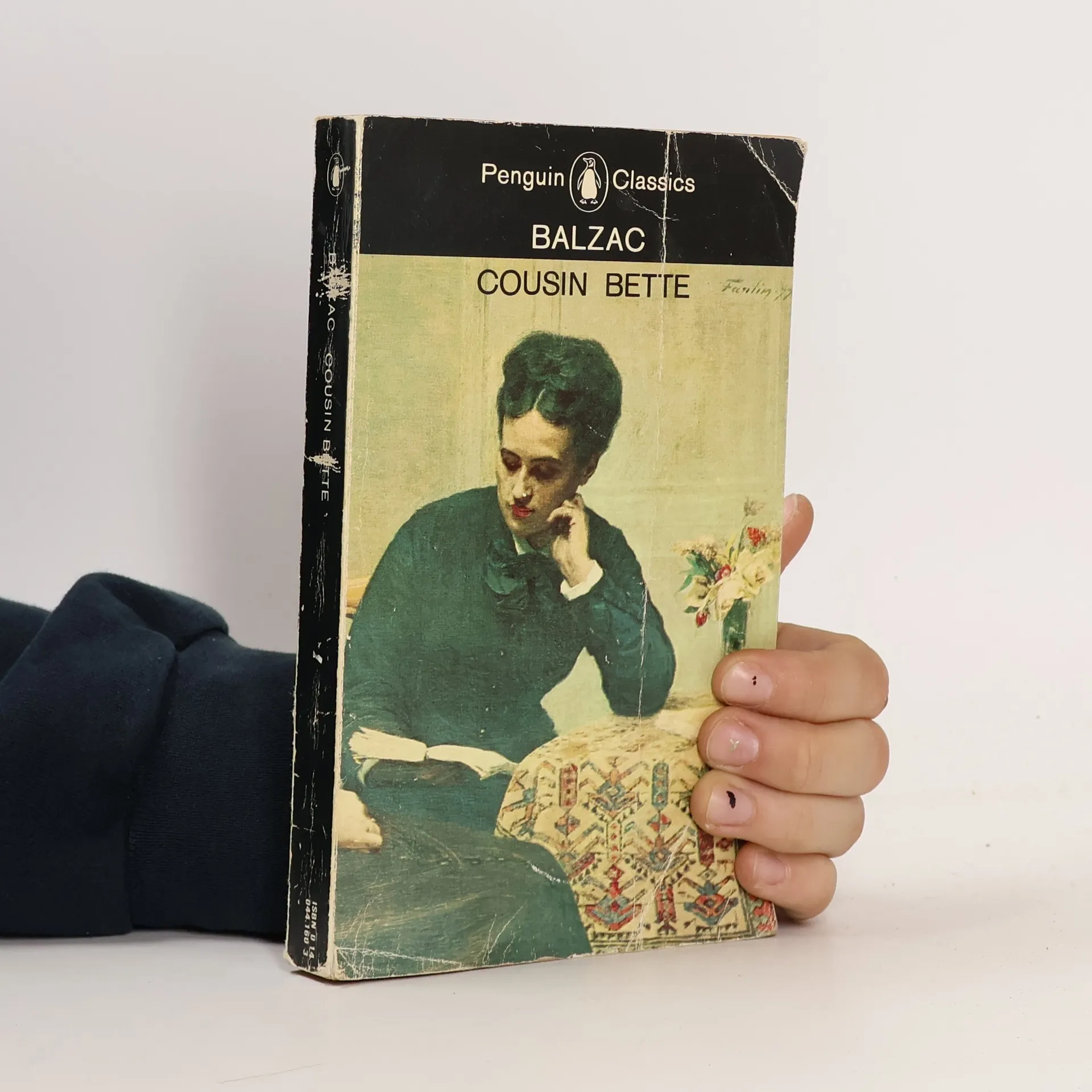
Poor, plain spinster Bette is compelled to survive on the condescending patronage of her socially superior relatives in Paris: her beautiful, saintly cousin Adeline, the philandering Baron Hulot and their daughter Hortense. Already deeply resentful of their wealth, when Bette learns that the man she is in love with plans to marry Hortense, she becomes consumed by the desire to exact her revenge and dedicates herself to the destruction of the Hulot family, plotting their ruin with patient, silent malice. Cousin Bette is a gripping tale of violent jealousy, sexual passion and treachery, and a brilliant portrayal of the grasping, bourgeois society of 1840s Paris. The culmination of the Comédie humaine, Balzac's epic chronicle of his times, it is one of his greatest triumphs as a novelist.
In "The Lily of the Valley," Honoré de Balzac explores themes of love, duty, and societal constraints through the story of Felix de Vandenesse, who struggles with his feelings for a married woman. Set in early 19th-century France, the novel offers rich character development and a profound commentary on human relationships and social dynamics.
Godefroid, a thirty-year-old failure, seeks solace in a monastery-like lodging house near Notre-Dame, overseen by the noble yet tragic Madame de La Chanterie. The house is home to men shaped by the aftermath of the French Revolution, dedicated to charitable acts. Inspired by their mission, Godefroid embarks on a secret journey to rescue a noble family living in slum conditions. There, he encounters a beautiful Polish woman oblivious to her family's suffering. Through this quest, Godefroid seeks spiritual redemption and a deeper understanding of virtue.
This book is a reproduction of a historical work, published by Megali, which focuses on making literature accessible through large print. It aims to assist readers with impaired vision, ensuring they can enjoy and engage with classic texts comfortably.
The novel sequence La Comédie humaine offers a comprehensive view of post-Napoleonic French society, showcasing Balzac's keen observational skills and unfiltered portrayal of life. His characters, rich in complexity and moral ambiguity, reflect the human experience, while even inanimate objects, like the city of Paris, are infused with personality. Balzac's influence on literature is profound, impacting notable authors such as Émile Zola and Charles Dickens, as well as filmmakers like François Truffaut, establishing him as a pivotal figure in the realism movement.
This work is a reproduction of a historical text, presented in large print format to enhance accessibility for individuals with impaired vision. The publishing house Megali focuses on making such texts available, ensuring that important historical works can be enjoyed by a wider audience.
This work has been selected by scholars as being culturally important, and is part of the knowledge base of civilization as we know it. This work was reproduced from the original artifact, and remains as true to the original work as possible. Therefore, you will see the original copyright references, library stamps (as most of these works have been housed in our most important libraries around the world), and other notations in the work. This work is in the public domain in the United States of America, and possibly other nations. Within the United States, you may freely copy and distribute this work, as no entity (individual or corporate) has a copyright on the body of the work. As a reproduction of a historical artifact, this work may contain missing or blurred pages, poor pictures, errant marks, etc. Scholars believe, and we concur, that this work is important enough to be preserved, reproduced, and made generally available to the public. We appreciate your support of the preservation process, and thank you for being an important part of keeping this knowledge alive and relevant.
This publication focuses on making historical works accessible through large print, catering specifically to individuals with impaired vision. Megali, the publishing house behind this initiative, emphasizes the importance of preserving and sharing historical texts while ensuring readability for all.
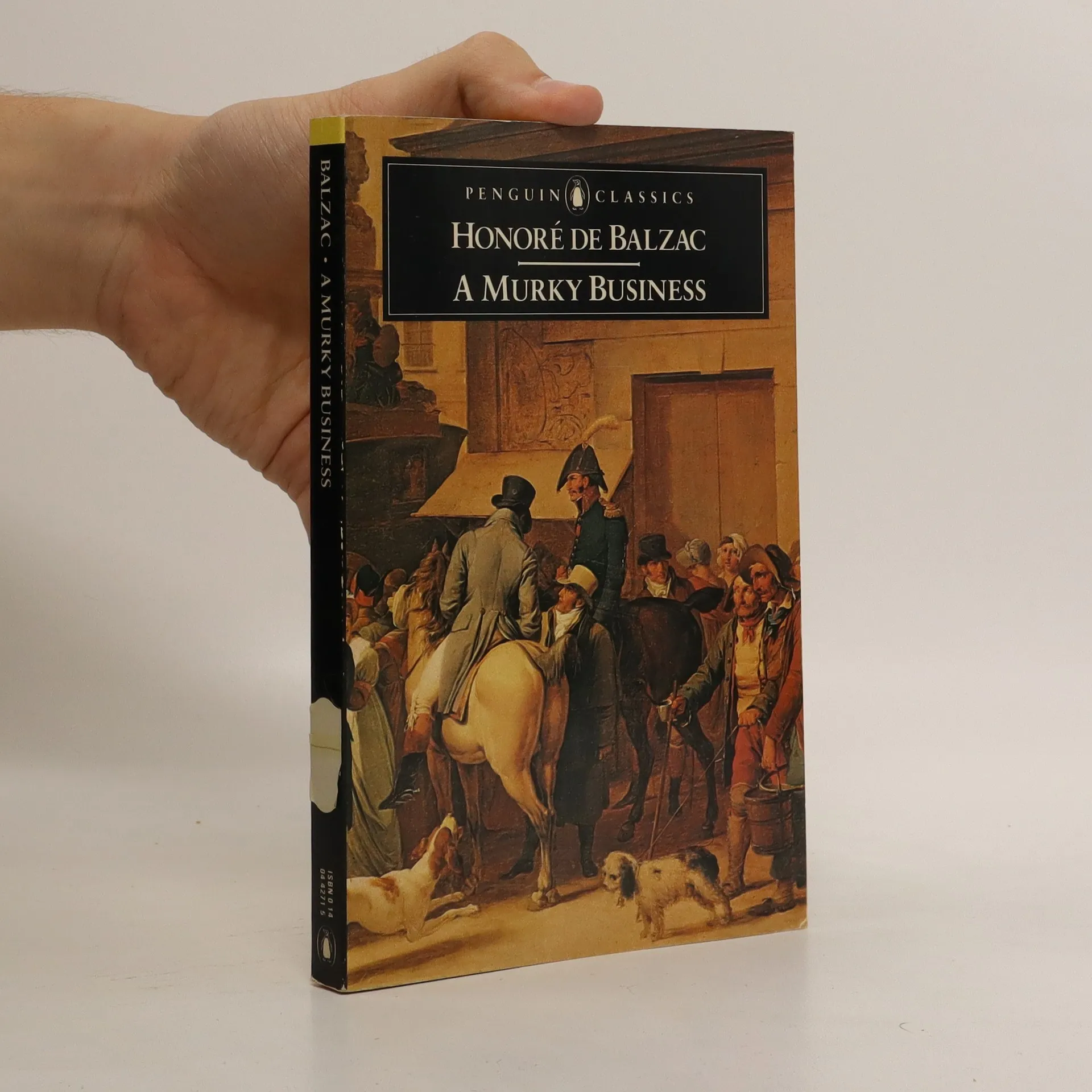
Characterized by amoral ruthlessness, the politics of A Murky Business would seem to bear out Balzac's questionable precept. Set earlier than most of Balzac's Comedie Humaine, the novel covers the years 1803-6, when Napolean was making himself first Consul and then Emperor. The inclusion of Napoleon himself, as well as figures like Talleyrand and Fouche, makes this a historical novel. But it is also an early example of the detective story, in which the sinister, implacable police agent, Corentin, stalks his way towards vengeance on his aristocractic enemies.
Set against the backdrop of 19th-century France, this novella explores the life of Gobseck, a shrewd usurer whose wealth and power reveal the moral decay of society. Through intricate character interactions and sharp social commentary, Balzac delves into themes of greed, ambition, and the consequences of financial manipulation. The story serves as a critical reflection on the human condition, showcasing the interplay between wealth and personal integrity within the broader narrative of La Comédie humaine.
Focusing on accessibility, this publication features a reproduction of a historical work in large print, catering specifically to individuals with impaired vision. Megali, the publishing house behind this initiative, is dedicated to enhancing the reading experience for those who may struggle with standard text sizes.
"While still concerned with the depiction of the underside of Parisian life, as is most of Balzac's oeuvre, The Girl with the Golden Eyes considers not the working lives of the poor, but the sex lives of the upper crust. In a rendering nearly baroque with erotically-charged details as well as lush and extravagant language, The Girl with the Golden Eyes tells the story of a rich and ruthless young man in nineteenth-century Paris caught up in an amorous entanglement with a mysterious beauty. His control slipping, incest, homosexuality, sexual slavery, and violence combine in what was then, and still remains, a shocking and taboo-breaking work."--Jacket
The book is a reproduction of a historical work, presented in large print to enhance accessibility for individuals with impaired vision. Published by Megali, a company dedicated to making historical texts more readable, it aims to preserve the original content while ensuring it is accessible to a broader audience.
Balzac's work is celebrated for its rich portrayal of post-Napoleonic French society, showcasing a diverse array of complex characters, each morally ambiguous and deeply human. His keen attention to detail and realistic representation of life mark him as a pioneer of realism in literature. Inanimate objects and settings, particularly Paris, are infused with personality, enhancing the narrative's depth. His influence extends to renowned authors and filmmakers, solidifying his legacy in the literary and cinematic worlds.
Set against the backdrop of post-war Brittany during the 1799 uprising, the narrative weaves a tale of romance and conflict between aristocrat Marie de Verneuil and royalist Alphonse de Montauran. Honoré de Balzac intricately blends military history with personal drama, reflecting the tensions of the era. Inspired by his trip to Brittany in 1828, Balzac meticulously crafted the story through multiple revisions, showcasing his fascination with the region's people and culture.
Set in early 19th century Paris, the story follows Auguste de Maulincour, a young cavalry officer infatuated with Clemence, a married woman he observes in a disreputable district. As part of Balzac's broader work, La Comédie humaine, this novel delves into themes of love, desire, and societal constraints. It serves as the first installment of the Histoire des treize trilogy, exploring the complexities of relationships within the context of Parisian life. The narrative intricately weaves personal ambition with the darker elements of urban existence.
Balzac's work is marked by a detailed and unfiltered portrayal of post-Napoleonic French society, establishing him as a pioneer of realism in literature. His characters, even the minor ones, are intricately developed with moral complexity, reflecting the human experience. Inanimate objects, particularly the city of Paris, are given life and personality, enhancing the narrative depth. His influence extends to notable writers and filmmakers, showcasing his lasting impact on literature and art.
The longest, without exception, of Balzac's books, and one which contains hardly any passage that is not very nearly of his best, Illusions Perdues suffers, I think, a little in point of composition from the mixture of the Angouleme scenes of its first and third parts with the purely Parisian interest of Un Grand Homme de Province. It is hardly possible to exaggerate the gain in distinctness and lucidity of arrangement derived from putting Les Deux Poetes and Eve et David (a much better title than that which has been preferred in the Edition Definitive) together in one volume, and reserving the greatness and decadence of Lucien de Rubempre for another.
Focusing on accessibility, this book is a reproduction of a historical work presented in large print format. The publishing house Megali is dedicated to enhancing reading experiences for individuals with impaired vision, ensuring that classic texts remain available and easy to read.
Focusing on accessibility, this book is a reproduction of a historical work presented in large print, catering specifically to individuals with impaired vision. Published by Megali, a house dedicated to enhancing readability, it aims to preserve important texts while ensuring they are easily accessible to a wider audience.
The publishing house Megali focuses on creating large print reproductions of historical works, catering specifically to individuals with impaired vision. This initiative aims to enhance accessibility and ease of reading, ensuring that important texts from the past remain available to a broader audience.
The book is a reproduction of a historical work, published by Megali, which focuses on making literature accessible to individuals with impaired vision through large print. This initiative highlights the importance of inclusivity in reading, ensuring that historical texts are available to a wider audience.
This book is a reproduction of a historical work, presented in large print for enhanced readability. The publishing house Megali focuses on making literature accessible to individuals with impaired vision, ensuring that important texts remain available to a broader audience.
The book features a reproduction of a historical work presented in large print, catering specifically to individuals with impaired vision. Published by Megali, a company dedicated to making historical texts more accessible, this edition emphasizes readability while preserving the original content.
The novel sequence La Comédie humaine offers a detailed exploration of post-Napoleonic French society through a realistic lens. Balzac's talent for creating complex, morally ambiguous characters, alongside anthropomorphizing inanimate objects, enriches the narrative. His portrayal of Paris as a living entity adds depth to the backdrop of his stories. As a pivotal figure in the development of realism, Balzac's influence extends to notable authors and filmmakers, marking him as a significant contributor to European literature.
Focusing on accessibility, this work by Megali aims to provide historical texts in large print, catering specifically to individuals with impaired vision. The publishing house emphasizes the importance of making literature more accessible, ensuring that significant works can be enjoyed by a wider audience.
This book is a reproduction of a historical work, published in large print to enhance accessibility for individuals with impaired vision. The publishing house Megali focuses on making such texts available, ensuring that important historical content is easier to read and enjoy for a wider audience.
The book is a reproduction of a historical work, presented in large print to enhance accessibility for individuals with impaired vision. Megali, the publishing house behind this edition, focuses on making important texts more readable for a wider audience.
Exploring the ambitions and challenges of a provincial man in the vibrant society of Paris, this novel offers a rich portrayal of human relationships and the quest for social success. Balzac's keen observations and vivid characterizations bring to life the complexities of Parisian life in the 19th century. The narrative serves as a profound commentary on the human condition, highlighting the struggles for recognition and acceptance within the sophisticated milieu of the French capital. This work is essential for enthusiasts of French literature and societal insights.
Focusing on accessibility, this edition is a reproduction of a historical work presented in large print, catering specifically to individuals with impaired vision. The publishing house Megali is dedicated to making classic literature more accessible, ensuring that important texts can be enjoyed by a wider audience.
Focusing on accessibility, this edition is a reproduction of a historical work presented in large print, catering specifically to individuals with impaired vision. Published by Megali, a house dedicated to enhancing readability, it aims to provide an inclusive reading experience while preserving the original text's integrity.
This publication focuses on making historical works more accessible by using large print, catering specifically to individuals with impaired vision. Megali, the publishing house behind this initiative, is dedicated to preserving and reproducing significant texts while enhancing readability for its audience.
The publishing house Megali focuses on making historical works accessible through large print editions, specifically designed for individuals with impaired vision. This initiative aims to enhance readability and ensure that important historical texts can be enjoyed by a wider audience.
The book is a reproduction of an original work, published by Megali, a house dedicated to making historical texts accessible through large print. This initiative aims to assist individuals with impaired vision, ensuring that important literary works can be enjoyed by a wider audience.
Set against the backdrop of Napoleon's Egyptian expedition, a young soldier's daring escape from Ottoman captivity leads him into the desert, where he finds refuge in a cave. There, he forms an extraordinary bond with a panther, showcasing themes of survival and companionship in harsh conditions. This captivating short story by Honoré de Balzac explores the depths of human-animal relationships and the resilience of the human spirit in the face of adversity.
The book is a reproduction of a historical work, presented in large print to enhance readability for individuals with impaired vision. Published by Megali, a house dedicated to making classic texts accessible, this edition aims to preserve the original content while catering to the needs of visually impaired readers.
Focusing on accessibility, this book is a reproduction of a historical work presented in large print, catering specifically to individuals with impaired vision. Published by Megali, a house dedicated to making literature more accessible, it emphasizes the importance of preserving historical texts while ensuring they are readable for all audiences.
This publication focuses on making historical works accessible through large print, catering specifically to individuals with impaired vision. Megali, the publishing house behind this initiative, emphasizes the importance of preserving and sharing classic texts in a format that enhances readability for all.
Focusing on accessibility, this publication features a reproduction of a historical work in large print, catering specifically to individuals with impaired vision. The Megali publishing house is dedicated to enhancing the reading experience for those who require larger text, ensuring that historical literature remains accessible to a wider audience.
This publication focuses on making historical works accessible to those with impaired vision by offering a large print format. Megali, the publishing house behind this initiative, specializes in reproducing original texts, ensuring that classic literature is available to a wider audience.
This edition focuses on making historical works accessible through large print, catering specifically to individuals with impaired vision. Published by Megali, it emphasizes the importance of inclusivity in literature, allowing a broader audience to engage with significant texts from the past.
The book is a reproduction of a historical work, presented in large print to enhance accessibility for individuals with impaired vision. Published by Megali, a company dedicated to making historical texts more readable, this edition aims to preserve the original content while catering to those who benefit from larger text formats.
Focused on accessibility, this publication features a reproduction of a historical work in large print, catering specifically to individuals with impaired vision. The publishing house Megali is dedicated to making classic literature more readable, ensuring that important texts remain available to a wider audience.
The book is a reproduction of a historical work, produced by Megali, a publishing house dedicated to creating large print editions. This initiative aims to enhance accessibility for readers with impaired vision, ensuring that important texts remain available and easier to read for all audiences.
Focusing on accessibility, this book is a reproduction of a historical work published by Megali, a house dedicated to producing large print editions. This initiative aims to enhance reading experiences for individuals with impaired vision, ensuring that important texts remain accessible to a wider audience.
Focusing on accessibility, this publication features a reproduction of a historical work in large print, catering specifically to individuals with impaired vision. The Megali publishing house is dedicated to enhancing the reading experience for those who may struggle with standard text sizes, ensuring that important historical texts remain available and enjoyable to a wider audience.
This book is a reproduction of an original historical work, published by Megali, a company dedicated to making literature accessible for those with impaired vision. By offering large print editions, it aims to enhance readability and ensure that important historical texts remain available to a wider audience.
This publication focuses on making historical works accessible to individuals with impaired vision through large print. Megali, the publishing house behind this initiative, specializes in reproducing these important texts, ensuring that a wider audience can enjoy and engage with historical literature.
Focusing on accessibility, this book is a reproduction of a historical work presented in large print, catering specifically to individuals with impaired vision. The publishing house, Megali, is dedicated to making classic texts more readable, ensuring that important literature remains available to a wider audience.
Focusing on accessibility, this publication features a reproduction of a historical work in large print, catering specifically to individuals with impaired vision. Megali, the publishing house behind this edition, is dedicated to making historical texts more readable and inclusive for all audiences.
The novel sequence La Comédie humaine offers a detailed exploration of post-Napoleonic French society, showcasing Balzac's mastery in realism. His characters, regardless of their prominence, are complex and morally nuanced, reflecting the intricacies of human nature. Even the setting, particularly Paris, is portrayed with human-like traits, enriching the narrative. Balzac's profound influence extends to numerous notable writers and filmmakers, marking him as a pivotal figure in European literature.