The Invention of China
- 320bladzijden
- 12 uur lezen
A provocative account showing that China--and its 5,000 years of unified history--is a national myth, created only a century ago with a political agenda that persists to this day




A provocative account showing that China--and its 5,000 years of unified history--is a national myth, created only a century ago with a political agenda that persists to this day
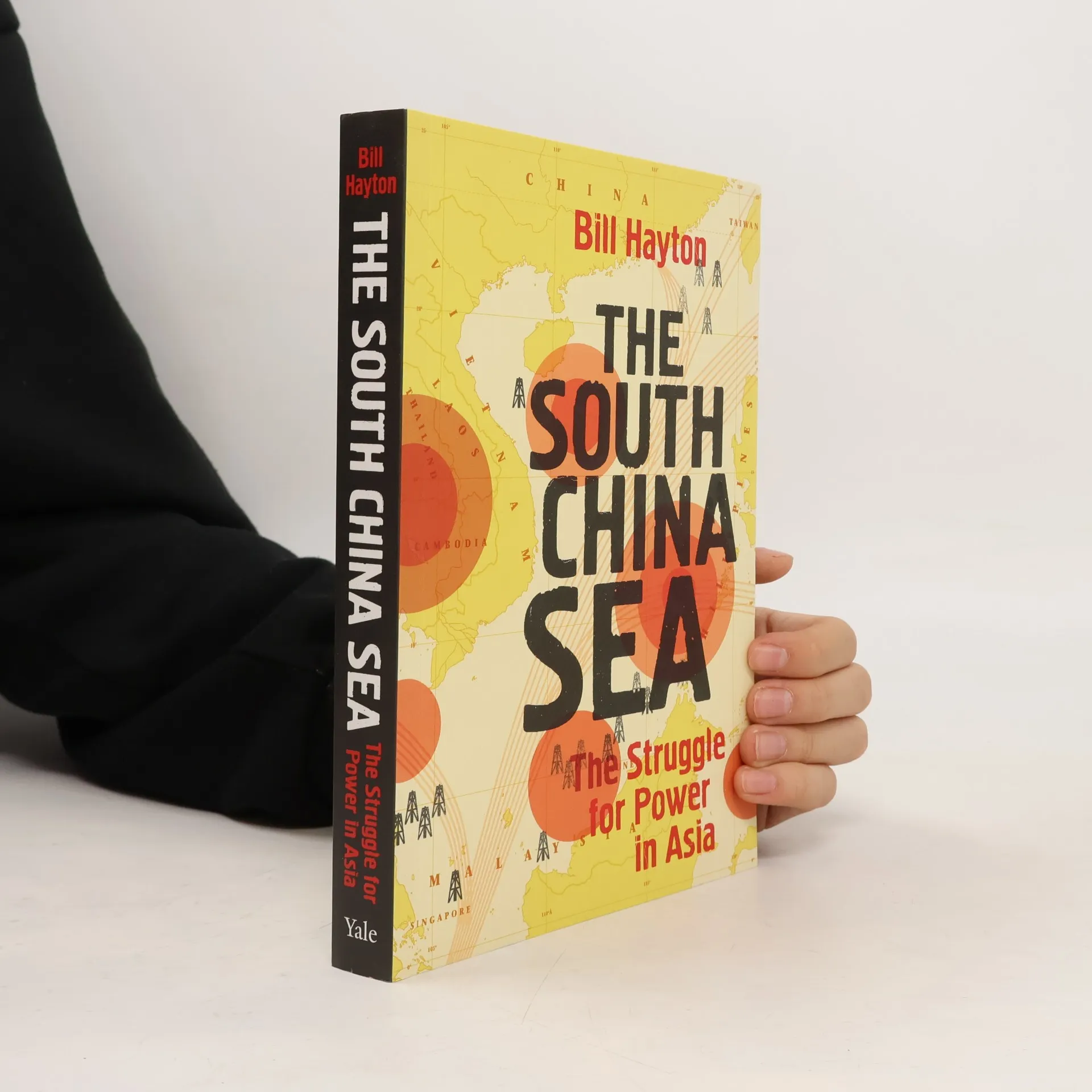
China's rise has upset the global balance of power, and the first place to feel the strain is Beijing's backyard: the South China Sea. For decades tensions have smouldered in the region, but today the threat of a direct confrontation among superpowers grows ever more likely. This book makes clear sense of the South Sea disputes. Bill Hayton examines the high stakes involved for rival nations that include Vietnam, India, Taiwan, the Philippines, and China, as well as the United States, Russia, and others. Hayton also lays out the daunting obstacles that stand in the way of peaceful resolution.
The West's focus has shifted to China and India, but Vietnam is rapidly emerging among its Asian counterparts. A remarkable period of social change has seen foreign investment ushering in capitalism within its nominally communist framework, with bustling cities absorbing smaller villages and modern living challenging traditional family and community structures. However, an authoritarian political system complicates the nation's apparent progress. In this insightful work, journalist Bill Hayton explores the costs of change in Vietnam, questioning whether this rising power is genuinely moving toward capitalism and democracy. Drawing on vivid eyewitness accounts and relevant case studies, Hayton addresses a range of contemporary issues, including shifts in international relations, the growth of civil society, economic challenges, and the evolving democracy movement alongside the country's notorious internal security. His fresh analysis of Vietnam’s "police state" and its mechanisms of social control, coercion, and surveillance is crucial, especially when juxtaposed with his portrayals of urban life, cultural legacies, religion, media, and the arts. With a strong historical and cultural context, Hayton investigates how these issues have developed and their implications for Vietnam's future trajectory.