

Bookbot

Megan Herbert

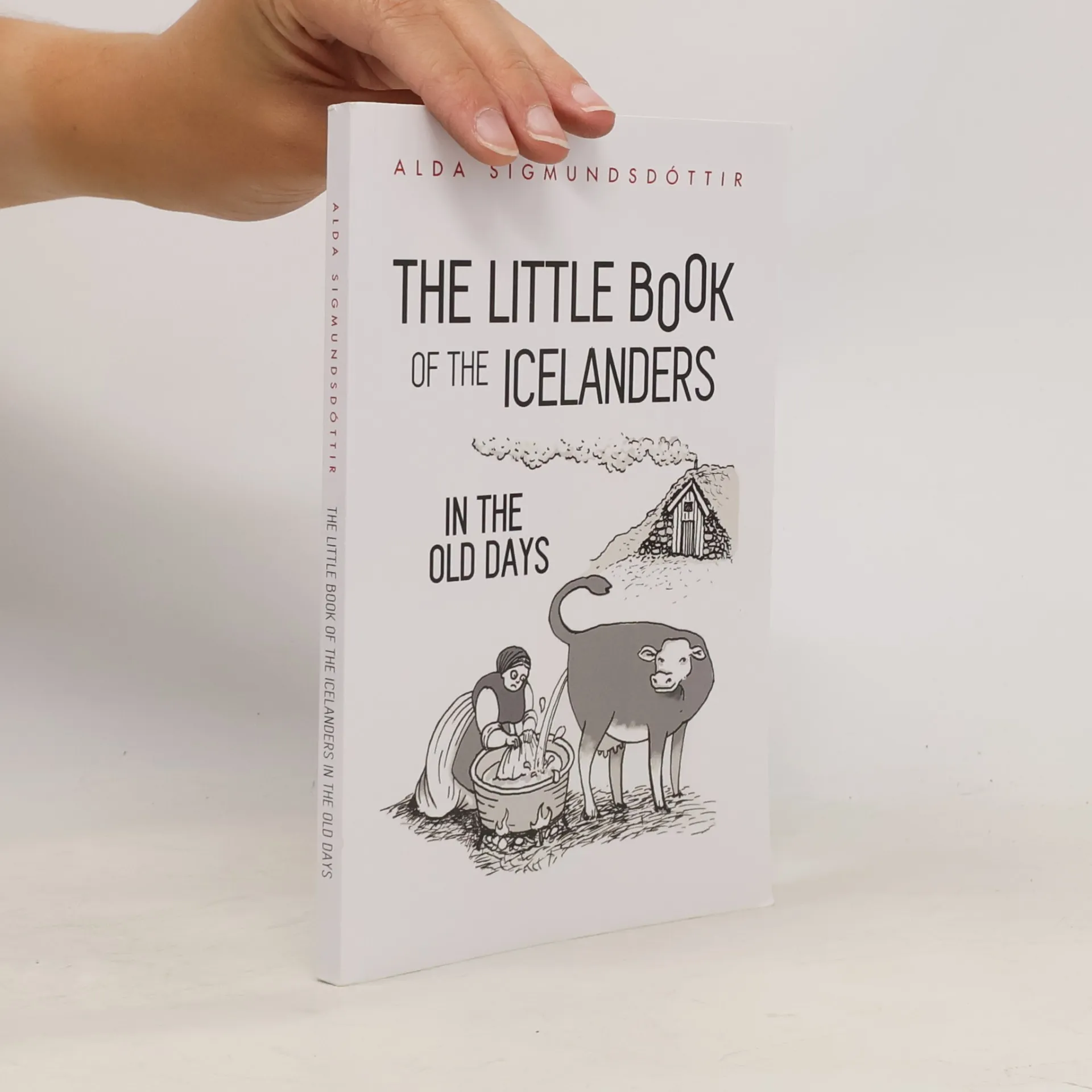
    The Little Book of the Icelanders in the Old Days
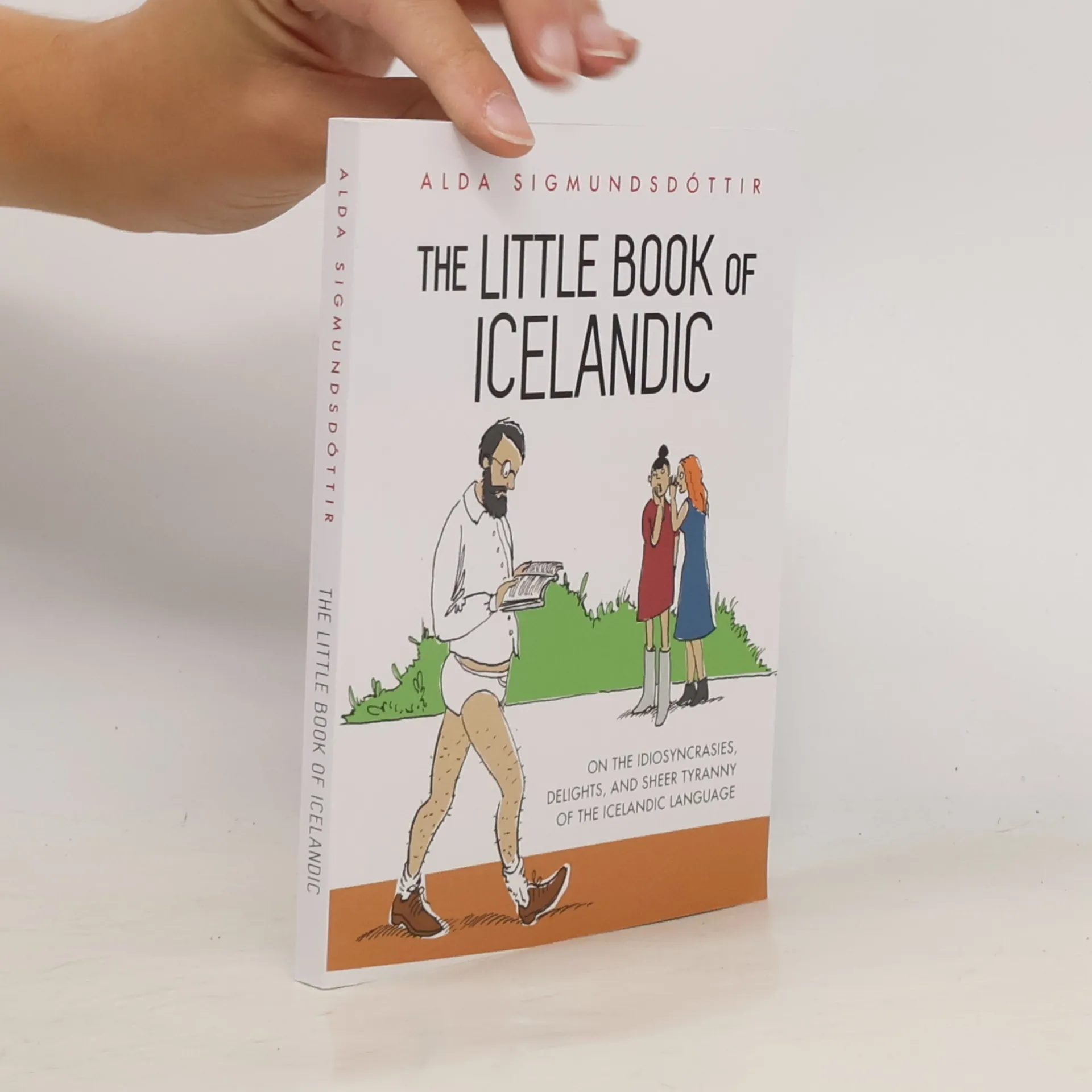
    The Little Book of Icelandic
    The Little Book of the Icelanders at Christmas
    • Christmas in Iceland is a vibrant celebration that unites the nation through festive traditions. Music fills the air, friends gather, and restaurants buzz with people enjoying special Yuletide offerings. The excitement of the season is encapsulated in the word "jólaskap," meaning "Christmas mood." Alda Sigmundsdóttir takes you on a journey through Iceland's enchanting Yuletide season, exploring unique foods, customs, and the colorful characters integral to the festivities. Her engaging narrative blends modern practices with the historical and cultural significance of enduring traditions. Discover the delights of smoked lamb, ptarmigan, and the essential Sarah Bernhardt cookies. Learn about the significance of Christmas lights during the dark winter months, family traditions, and the quirky customs that define Icelandic celebrations. Meet the whimsical figures of Grýla, Leppalúði, and the Yule Cat, and dive into the pyrotechnic madness of New Year's Eve. A cherished tradition in Iceland is gifting books during Christmas, which began during World War II when paper imports were less restricted. This custom has flourished, making Iceland the country with the highest book publication rate per capita, especially during the six weeks leading up to Christmas, known as jólabókaflóðið or the Christmas book flood.

      The Little Book of the Icelanders at Christmas
      4,5
    • The Little Book of Icelandic

      On the Idiosyncrasies, Delights and Sheer Tyranny of the Icelandic Language

      • 164bladzijden
      • 6 uur lezen

      Icelandic is one of the oldest and most complex languages in the world. In this book, Alda Sigmundsdóttir looks at the Icelandic language with wit and humour, and how it reflects the heart and soul of the Icelandic people and their culture. Many of the Icelanders' idioms and proverbs, their meaning and origins, are discussed, as is the Icelanders' love for their language and their attempts to keep it pure through the ongoing construction of new words and terminology. There is a section on Icelandic curse words as well as Icelandic slang, which is mostly derived from English. Throughout, this book deconstructs Icelandic vocabulary, and the often-hilarious, almost naive, ways in which words are made. This is a must-read book for anyone interested in the Icelandic people, their culture - and of course their language.

      The Little Book of Icelandic
      4,1
    • Iceland in centuries past was a formidable place to live. Situated in the North Atlantic Ocean, on the edge of the inhabitable world, the nation was both isolated and abjectly poor. Centuries of colonisation translated into oppression and subjugation from the colonial overlords, and a hostile climate and repeated natural disasters meant that mere survival was a challenge to even the hardiest of souls. In these 50 miniature essays, Alda Sigmundsdottir writes about the Icelanders in centuries past in a light and humourous way, yet never without admiration and respect for the resilience and strength they showed in coping with conditions of adversity that are barely imaginable today. Their ways of interacting with the natural world are described, as are their sometimes tragic, sometimes ingenious, means of dealing with maltreatment and injustice from the church and other rulers. These forms of oppression include a trade monopoly imposed by Denmark that lasted nearly two centuries, a ban on dancing that lasted for a similar length of time, the forced dissolution of households when the breadwinner of the family died, the tyranny of merchants granted exclusive right to trade with the Icelanders, and the dreaded decrees of the Grand Judgement - a court of law that was set up to punish various offenses, real or imagined. Yet it is not only the

      The Little Book of the Icelanders in the Old Days