

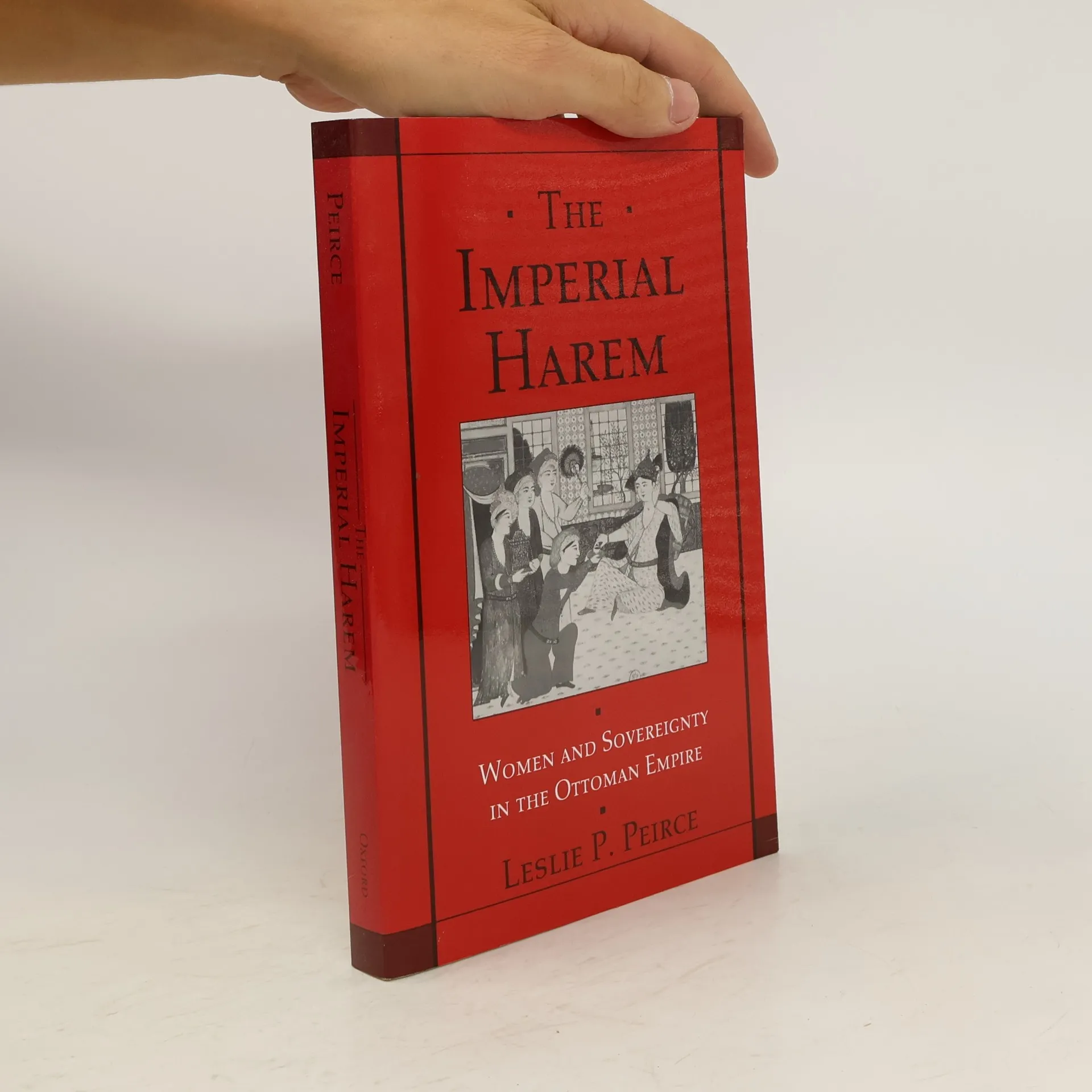
The unprecedented political power of the Ottoman imperial harem in the sixteenth and seventeenth centuries is widely viewed as illegitimate and corrupting. This book examines the sources of royal women's power and assesses the reactions of contemporaries, which ranged from loyal devotion to armed opposition. By examining political action in the context of household networks, Leslie Peirce demonstrates that female power was a logical, indeed an intended, consequence of political structures. Royal women were custodians of sovereign power, training their sons in its use and exercising it directly as regents when necessary. Furthermore, they played central roles in the public culture of sovereignty--royal ceremonial, monumental building, and patronage of artistic production. The Imperial Harem argues that the exercise of political power was tied to definitions of sexuality. Within the dynasty, the hierarchy of female power, like the hierarchy of male power, reflected the broadersociety's control for social control of the sexually active.
Leslie Peirce Boeken
Leslie P. Peirce is een historicus wiens werk zich verdiept in de vroegmoderne geschiedenis van het Ottomaanse Rijk, met een bijzondere focus op gender, recht en maatschappij. Haar wetenschap wordt gekenmerkt door een diepe onderdompeling in de sociale structuren en rechtssystemen van die tijd. Peirce onderzoekt de fijne kneepjes van het dagelijks leven en de machtsdynamiek door middel van nauwkeurige analyse van historische bronnen. Haar benadering biedt een uniek perspectief op de vorming van de maatschappij en de positie van vrouwen in de vroegmoderne Ottomaanse wereld.
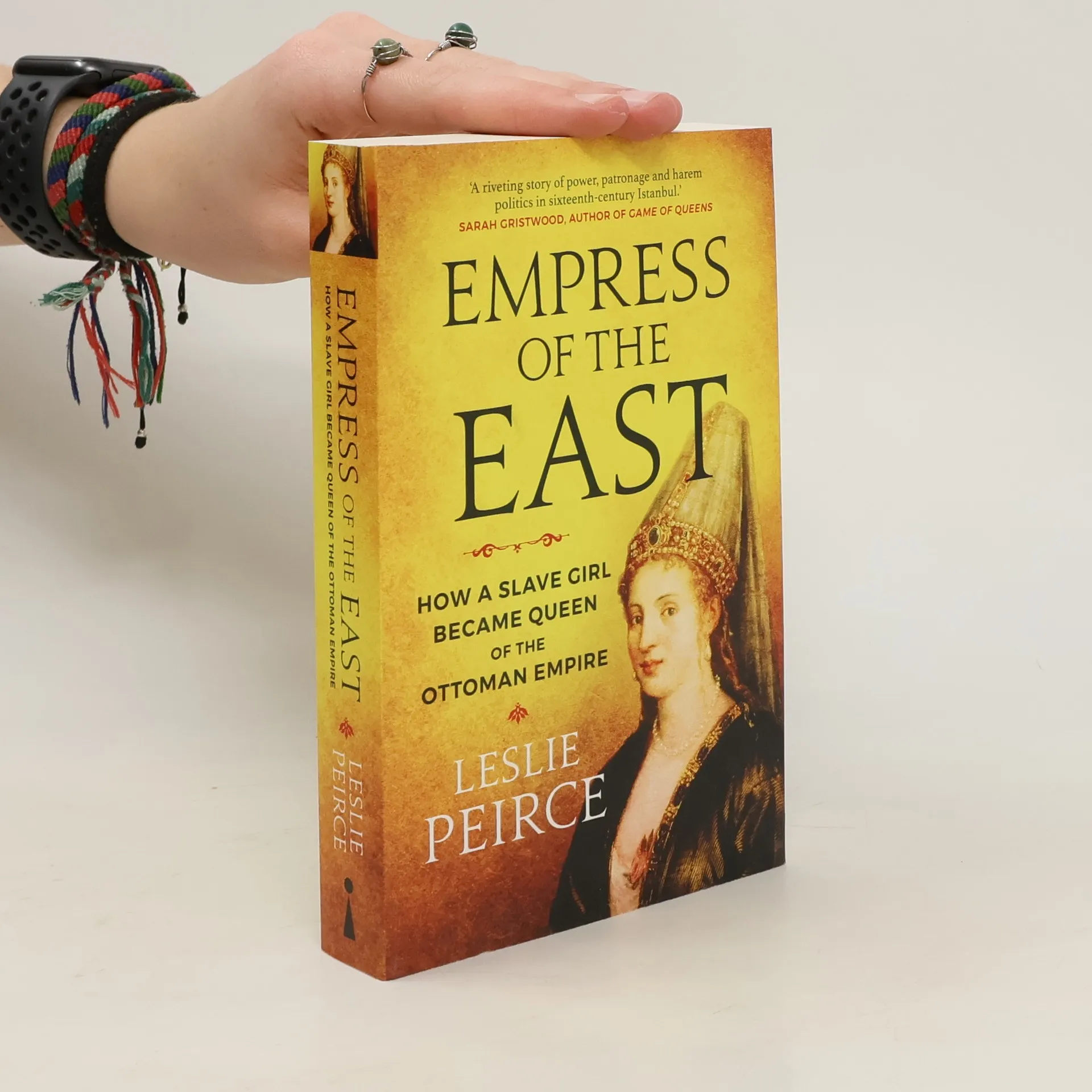
Empress of the East
- 384bladzijden
- 14 uur lezen
The extraordinary story of a slave-girl who rose from concubine to become the Ottoman Empire's only queen.