Deze auteur duikt diep in de fascinerende wereld van dierlijke zintuiglijke systemen en evolutionaire ecologie. Zijn werk onderzoekt hoe dierlijk gedrag en hun zintuiglijke systemen zijn geëvolueerd en hoe ze functioneren binnen hun ecologische contexten. Met een focus op de evolutie en functie van dierlijke kleuring – inclusief camouflage, mimicry en waarschuwingssignalen – onderzoekt de auteur deze fenomenen vanuit het perspectief van dierlijk zicht. Zijn uitgebreide onderzoek, dat een breed scala aan wezens omvat, belicht regelmatig thema's van misleiding en bedrog in de natuurlijke wereld.
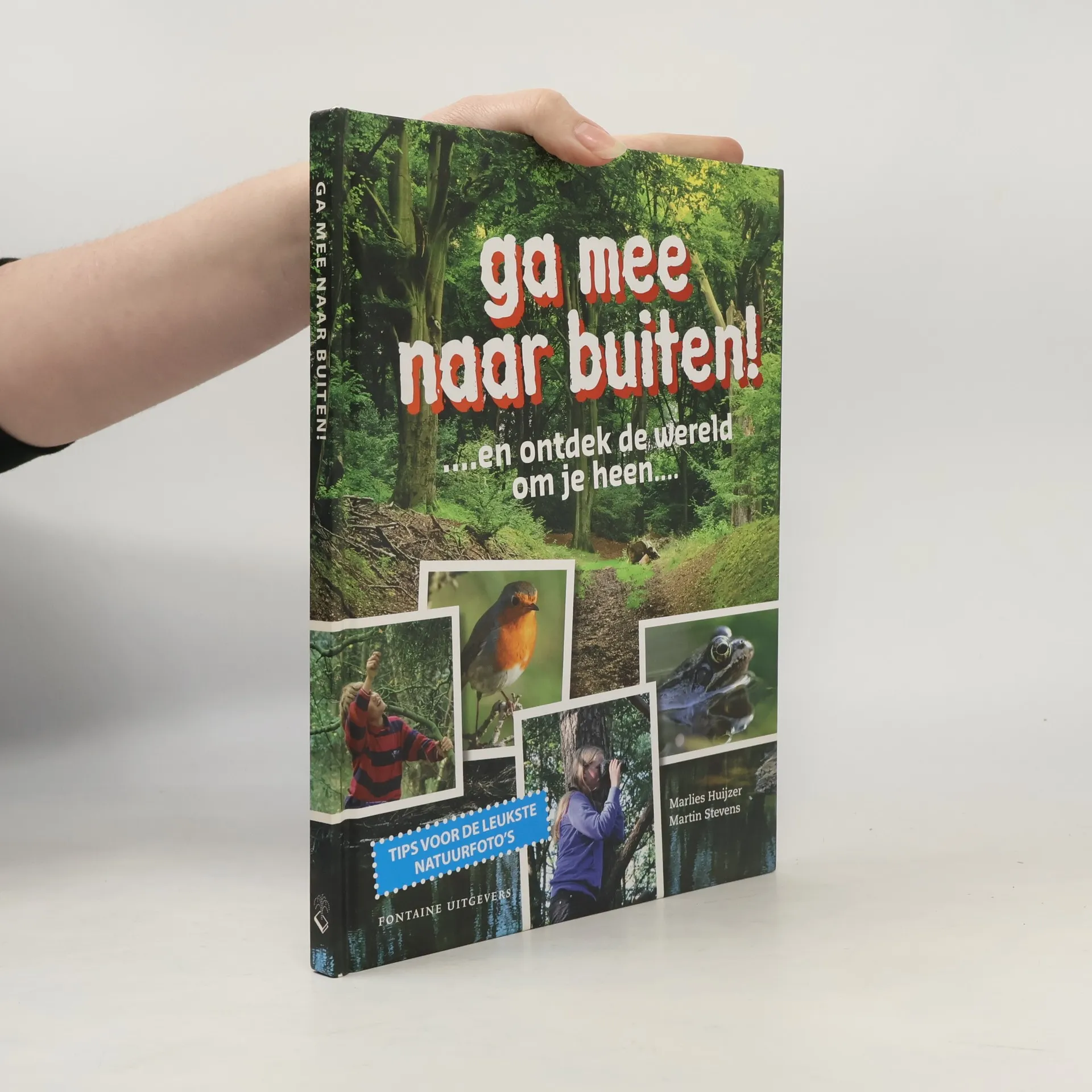
En ontdek de wereld om je heen - Tips voor de leukste natuurfoto's / druk 1
40bladzijden
2 uur lezen
Welke bijzondere dieren, planten, stenen en schelpen zie je in de duinen, de tuin, het bos en andere leefgebieden in Nederland? Met fototips en veel kleurenfoto's. Vanaf ca. 9 t/m 12 jaar.
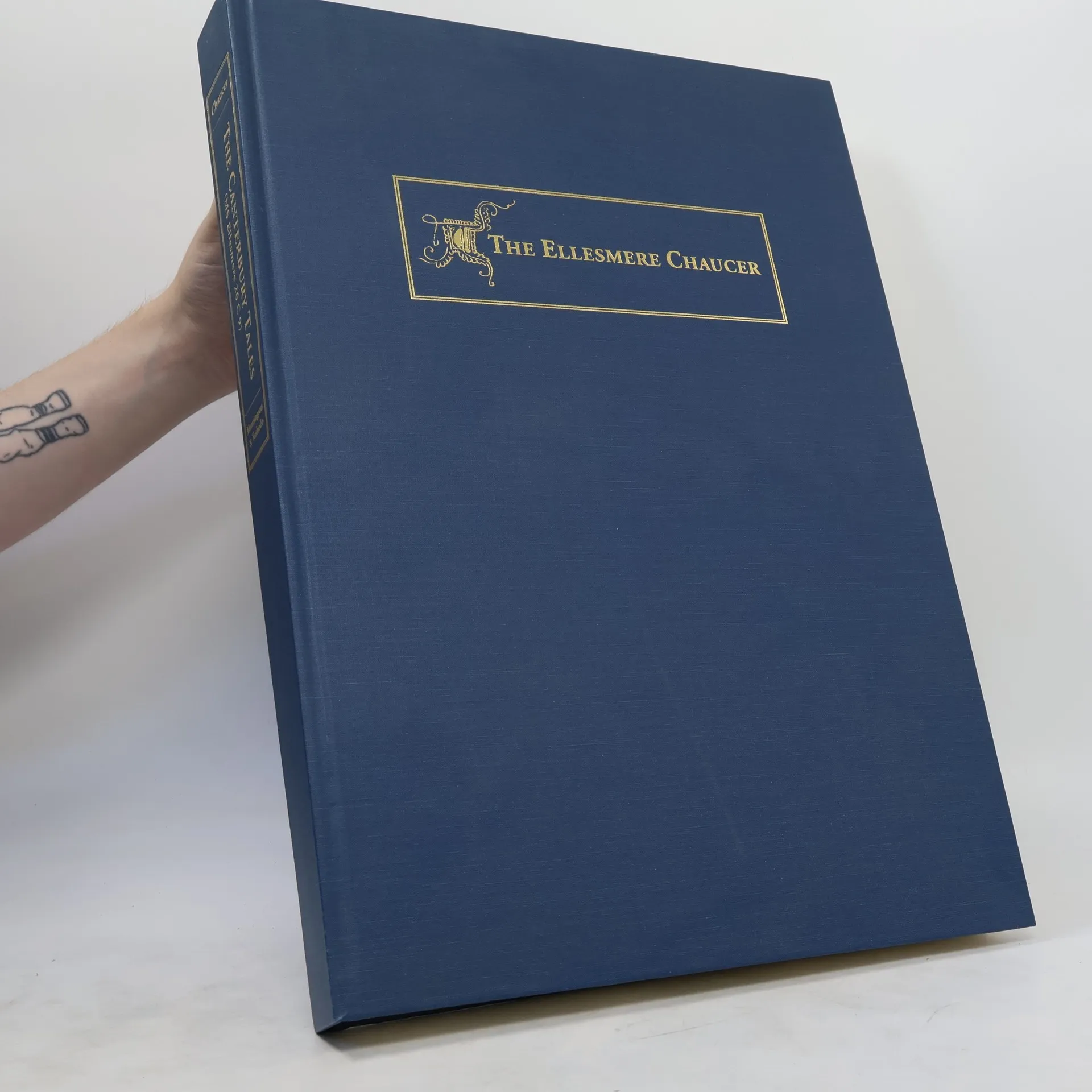
The Ellesmere Manuscript is the most complete, authentic version of the Canterbury Tales and the most famous literary treasure in the Huntington Library's collections. The manuscript's 464 text pages are embellished with floriated borders, illuminated initials and other decorations, and twenty-three illustrations of the pilgrim-storytellers. In 1995, the Huntington Library and the Yushodo Co., Ltd., of Japan produced a color facsimile of this beautiful manuscript. The transparencies that were the basis of the landmark color facsimile were then used to make a full-size, monochromatic facsimile, an edition of special usefulness for those involved in textual and other studies where color is not of primary significance. The Huntington's purpose in producing the monochromatic facsimile is to make available an edition that is more readily affordable to students, scholars, and libraries.Elegantly printed by the Stinehour Press of Lunenberg, Vermont, the facsimile conveys the trim, texture, and decoration of the original manuscript pages. It also features a color frontispiece, the page that begins the Knight's Tale. The facsimile can be a useful teaching tool in courses on Chaucer and the history of the book as well as a cornerstone in every library (private or public) supporting the study of literature in English.
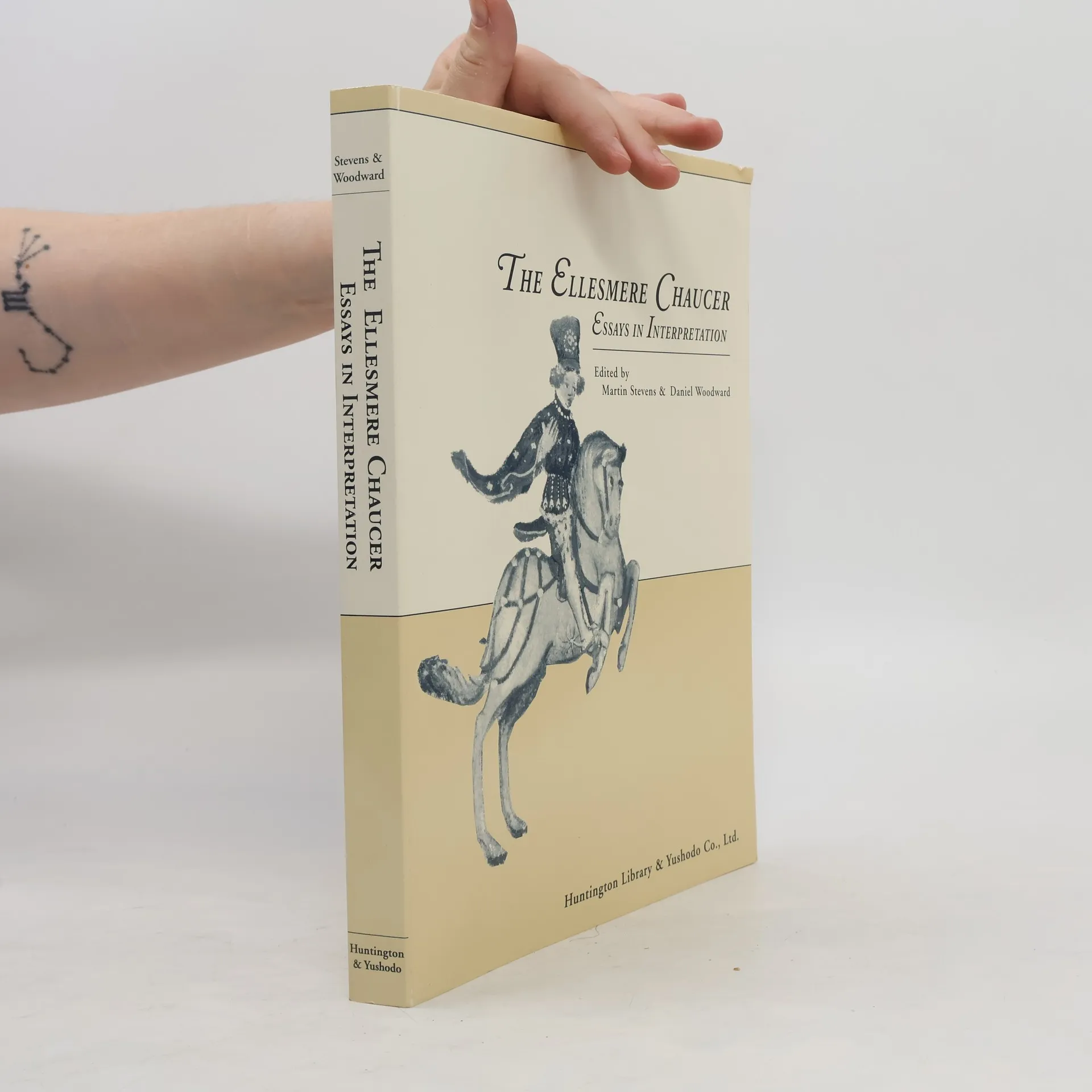
This volume of essays was produced in conjunction with a full-size facsimile of the Huntington's Ellesmere manuscript of Chaucer's Canterbury Tales. The introductory essays and appendices, prepared by Woodward (Huntington Library) and Stevens (Graduate School, City University of New York), explain the significance and construction of the facsimile and summarize the conservation work done on the manuscript as the facsimile was in the making. Essays by fourteen internationally known British, American, and Japanese scholars discuss the physical construction of the Ellesmere manuscript, its decoration and illumination, its text and language, the ways in which the arrangement and presentation of the manuscript affect the meaning of the text, the order of tales in the manuscript, the relationship of this work to contemporary literary efforts and practices, and the provenance of the manuscript before its acquisition by Henry E. Huntington in 1917. As a reflection of the significance of this manuscript in an increasingly English-reading world, the volume concludes with a survey of Chaucer studies in Japan. There are fifty-seven illustrations in the book, supplemented by a separate color foldout that reproduces all of the famous Ellesmere illustrations of the pilgrim-storytellers.
Our senses are limited compared to some animals that see in the ultraviolet,
communicate using electricity, or navigate vast distances with magnetic
information. Stevens explores how other animals experience the world, how
their senses were shaped by evolution, and the shocking impacts on wildlife of
our bright lights and traffic noise.
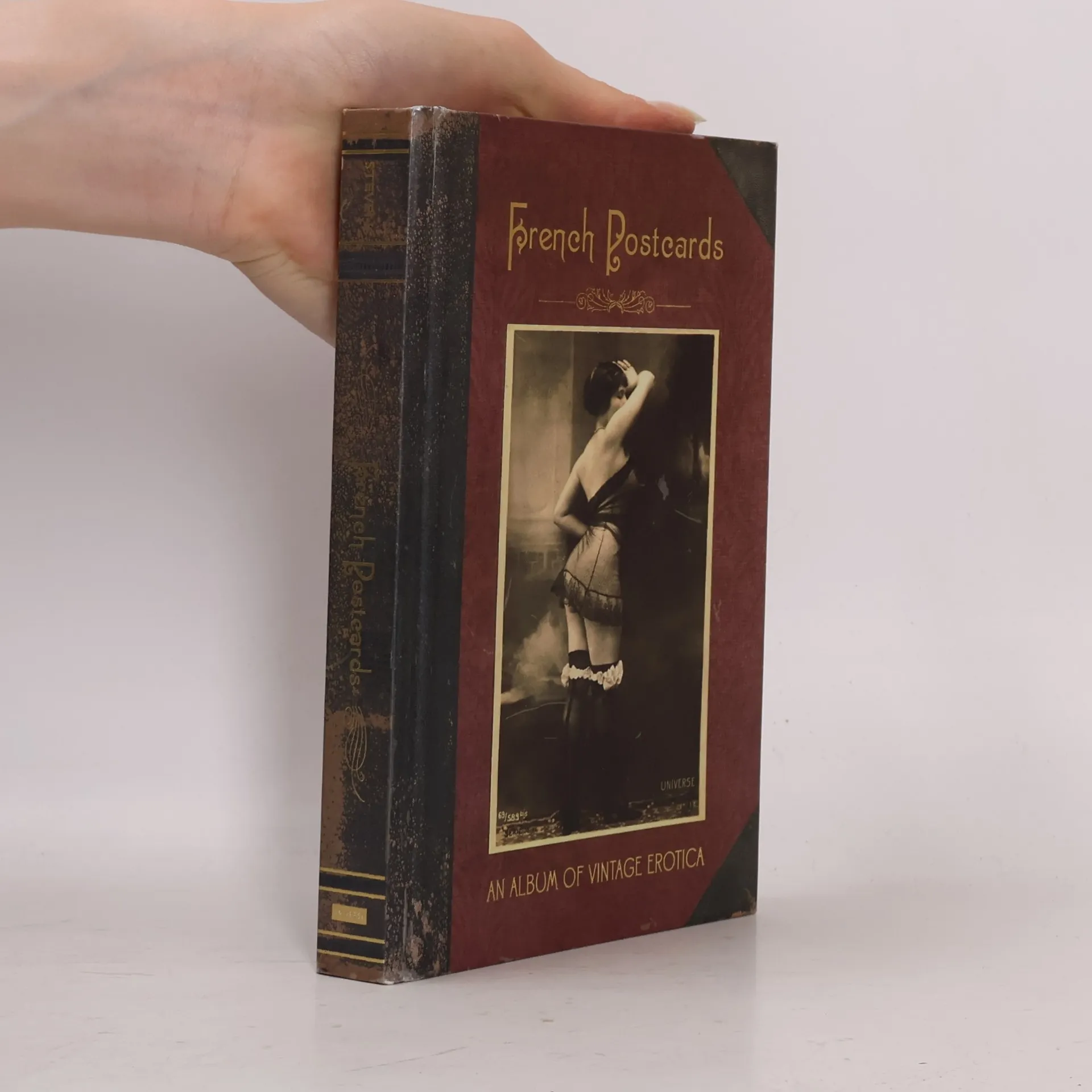
Long before pin-ups, Playboy , or the Internet, enterprising Parisians at the turn of the 20th-century turned the relatively new invention of the camera toward the female nude. Artfully posed with classical architecture or in flirtatious dishabille with stockings and lingerie, the winking models embody the erotic fantasies of a repressed society. Some of the women shown are demure and shy, wearing a slip or low-cut blouse-a great tease in an age when showing an ankle was scandalous. Their daring glimpses of decolletage carry a particular charge, so rare in today's world of overexposure. These cards were sold, often in packets, at street kiosks and under tabac counters, hush-hush but nevertheless ubiquitous. As foreigners flooded the city in the early part of the 20th-century, the cards became cherished souvenirs that were secretly collected and shared among men abroad. This is when the phrase "French postcards" became a euphemistic code for erotic nude images. These lovely ladies evoke a campy nostalgia that celebrates a healthy, voluptuous ideal of sensual feminine beauty. More retro than raunchy, French Postcards has the saucy fun of a naughty valentine, sure to charm and entertain a friend or lover.
Dieser Ratgeber ist ein hilfreicher Begleiter für alle, die eine Gelenksersatzoperation an der Hüfte oder am Knie vor sich haben oder bereits eine Hüft- oder Knieprothese tragen. Sie können mit einfachen Maßnahmen und Übungen selbst dazu beitragen, dass der Eingriff Ihnen optimal nützt und Ihre Lebensqualität und Leistungsfähigkeit wieder hergestellt werden. Verständlich und ohne Umschweife erfahren Sie das Wichtigste über die Arthrose, die Gelenkersatzoperation und die anschließende Rehabilitation. Sie lernen, warum körperliche Bewegung und Fitness nach der Operation so wichtig sind. Anhand von kurzen Videoclips und zahlreichen Fotos demonstriert dieses Buch, welche Aktivitäten aus Alltag und Freizeit Sie als Hüft- oder Knieprothesenträger auf welche Weise ausführen können und gibt Tipps für jedes Alter u.a. zu Ernährung, Sport und Sexualität.