
Koop 10 boeken voor 10 € hier!
Bookbot

Kolář

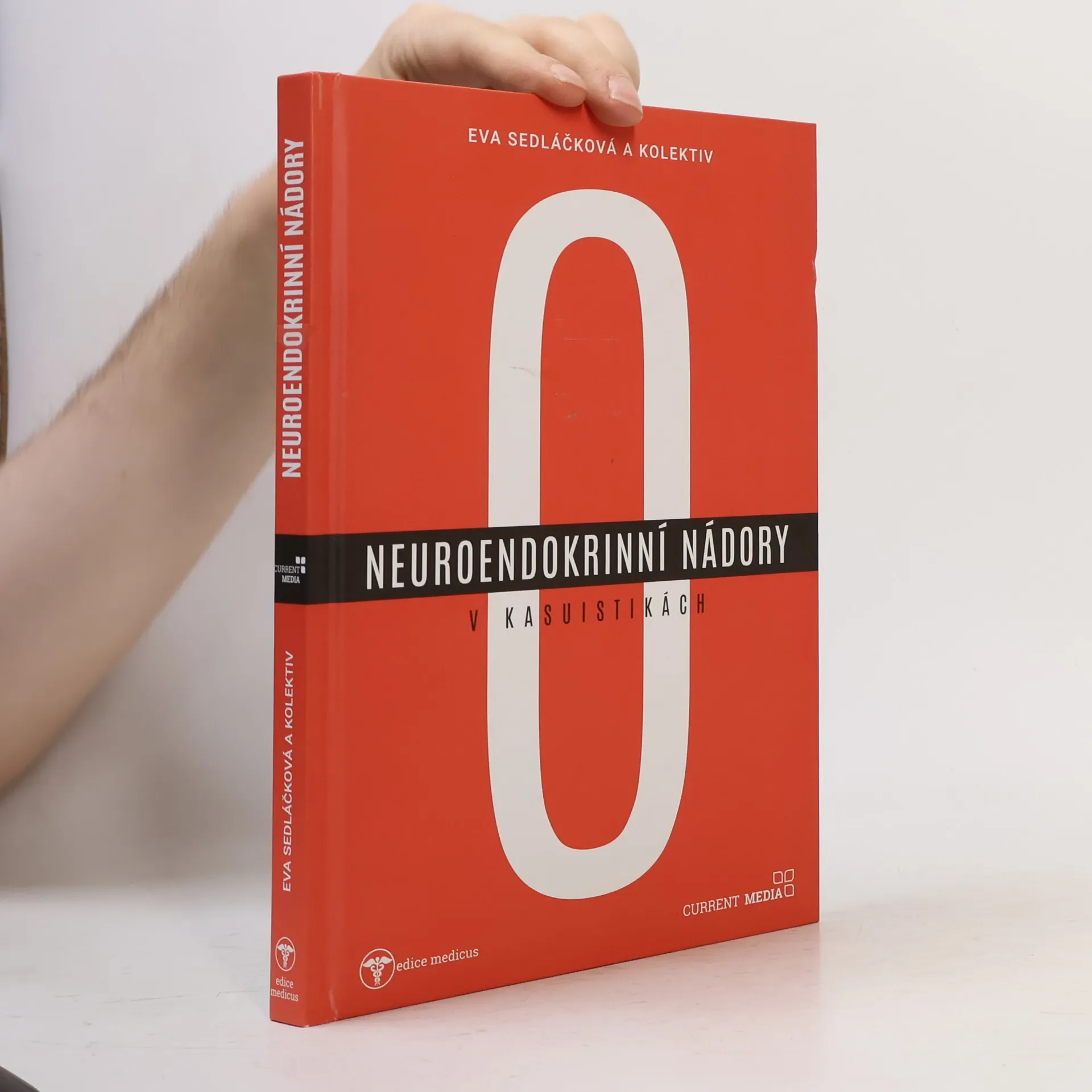
    Neuroendokrinní nádory v kasuistikách
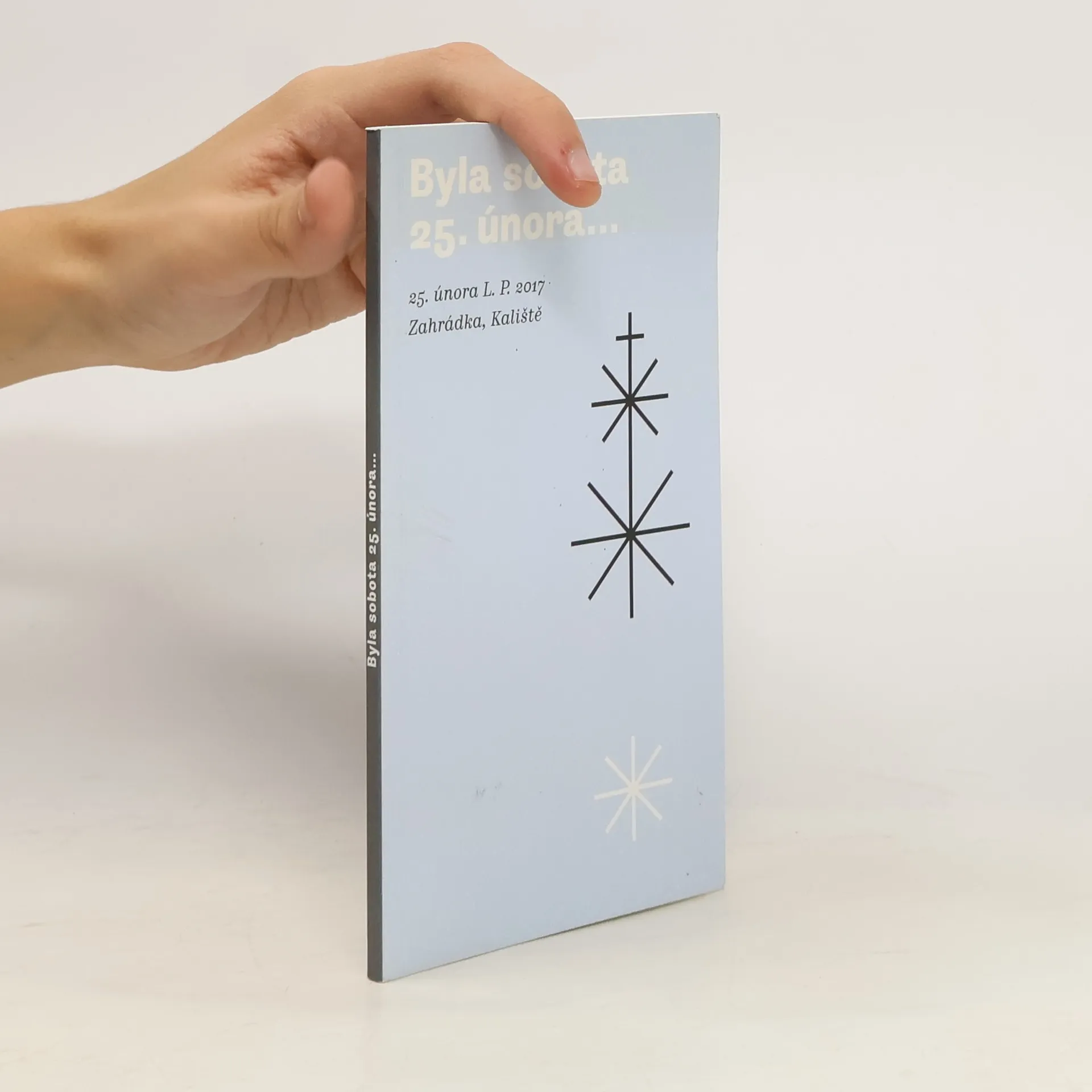
    Byla sobota 25. února…
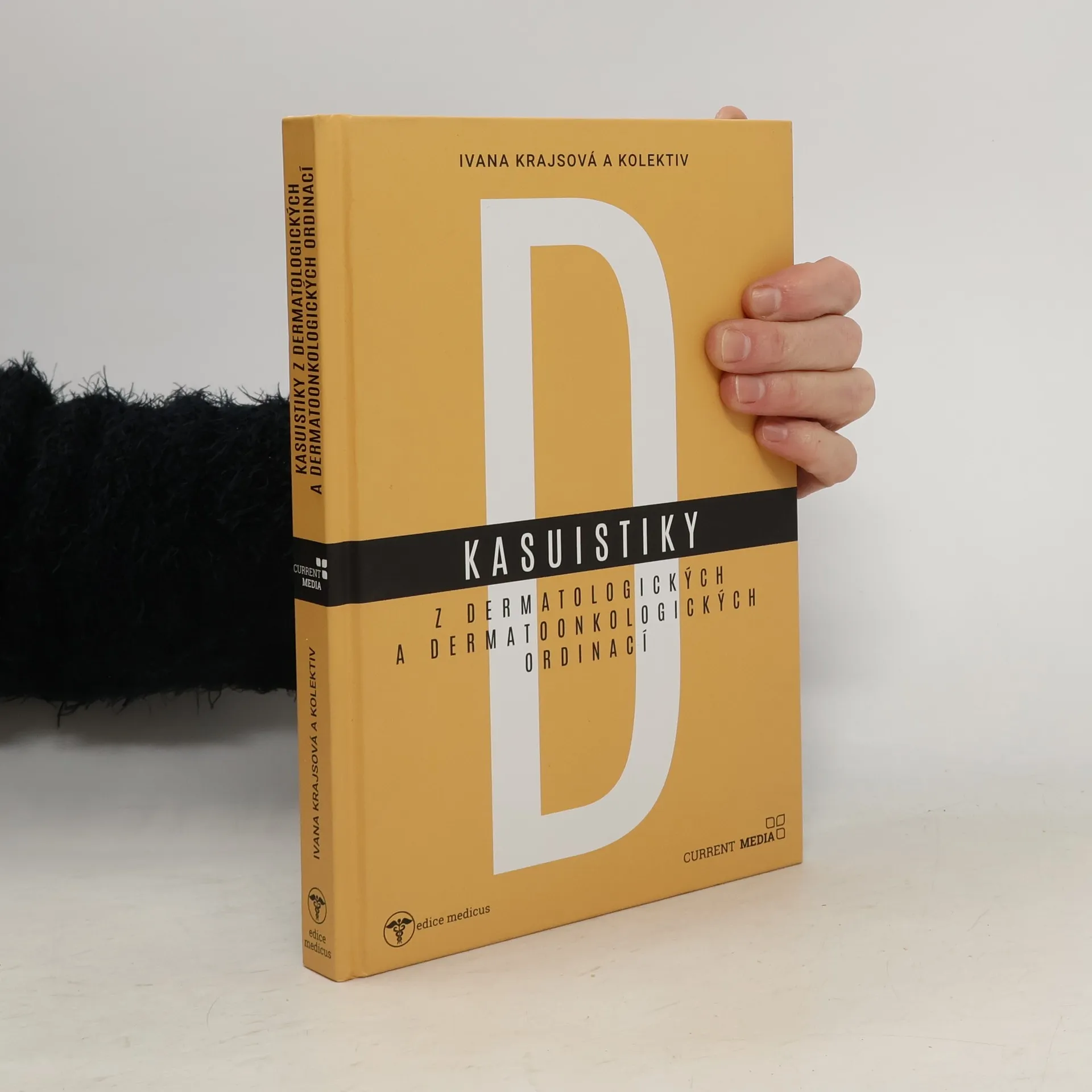
    Kasuistiky z dermatologických a dermatoonkologických ordinací
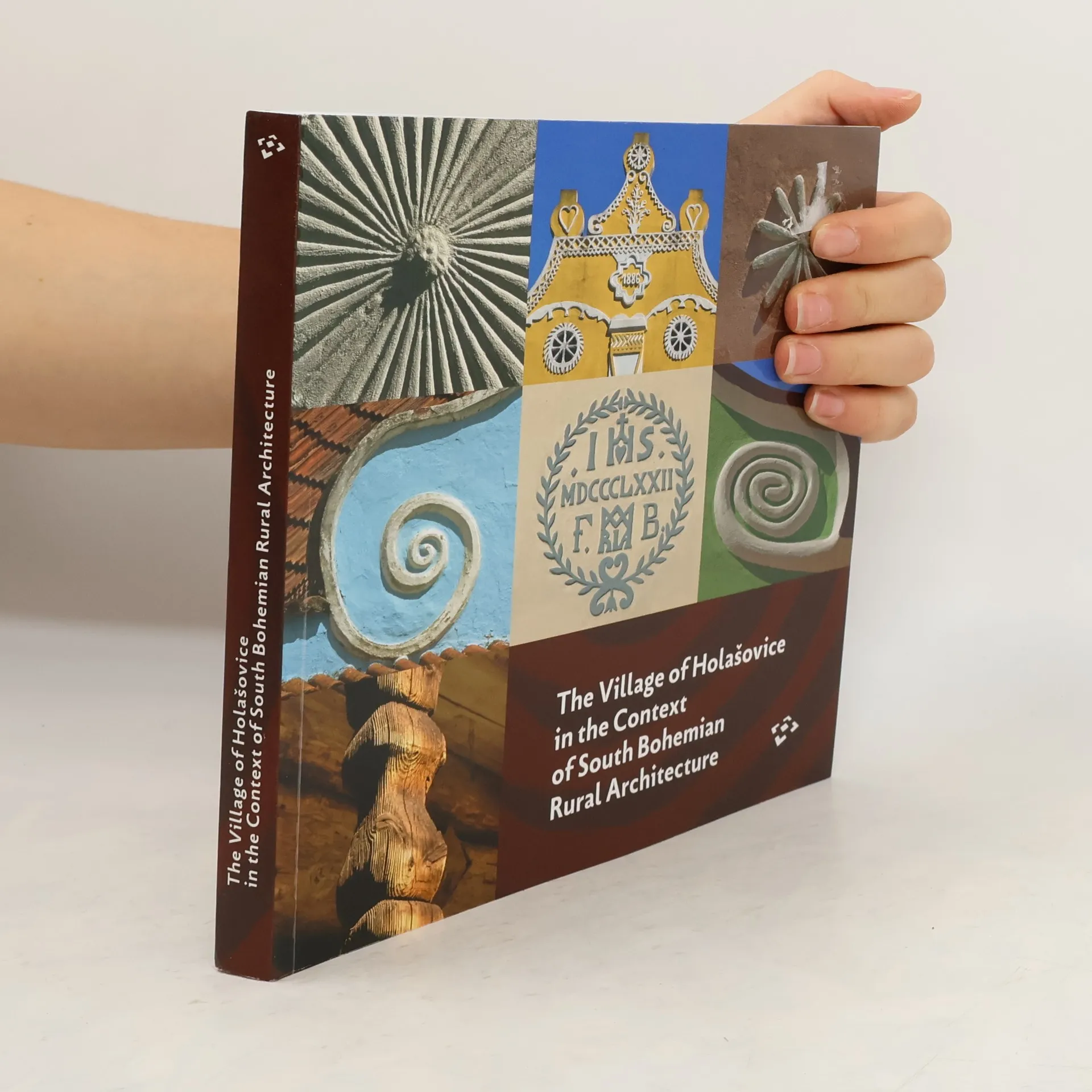
    The Village of Holašovice in the Context of South Bohemian Rural Architecture
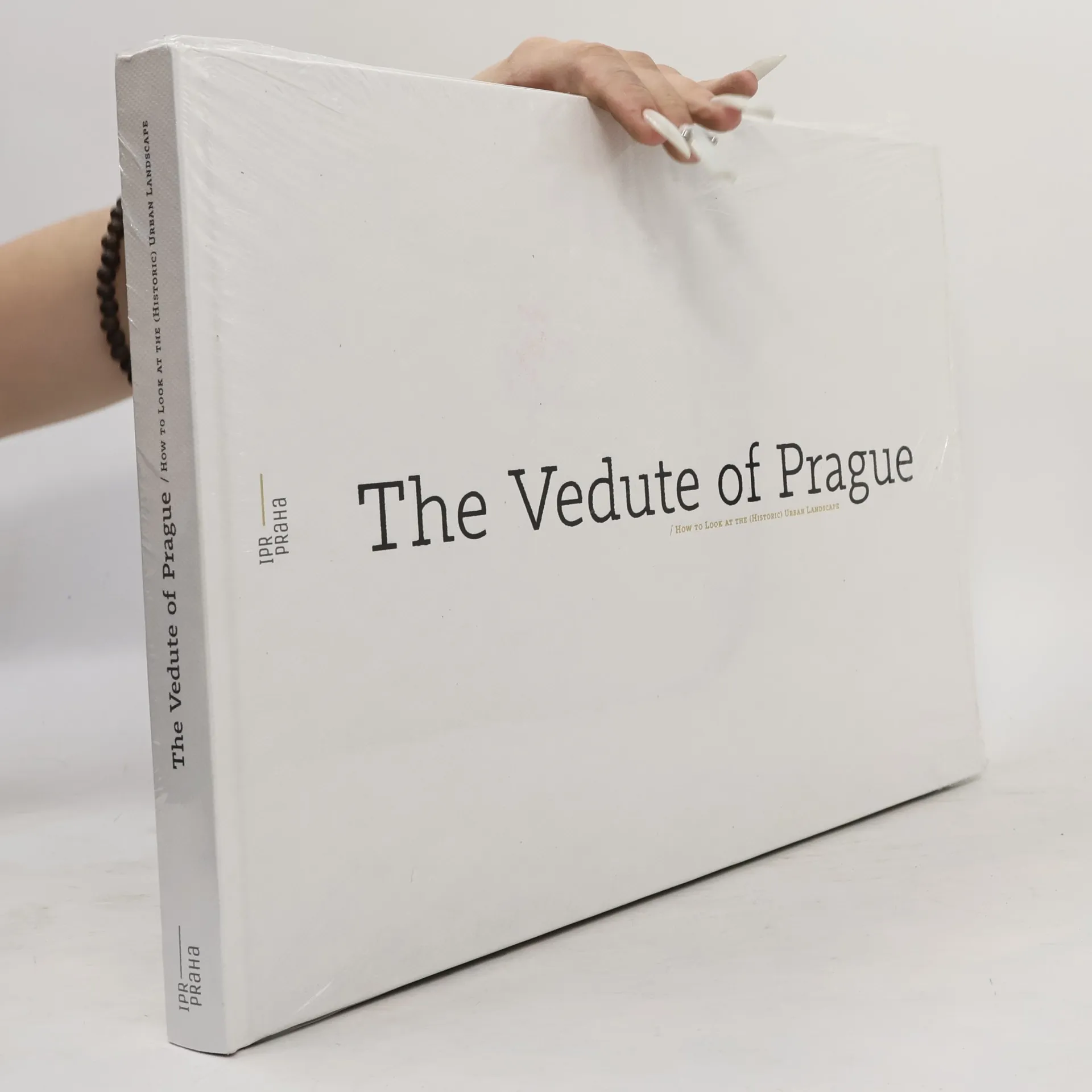
    The Vedute of Prague
    • The Vedute of Prague

      • 223bladzijden
      • 8 uur lezen

      „Book „The Vedute of Prague“ describes the development of Prague cityscape in the period of last 5 centuries and emphasizes future possible scenarios how the city composition could be continuously developed in the 21st century,“ comments the content of the book Roman Koucký, the co-author of the book and the chief of the Metropolitan plan office, that prepares new urban plan of Prague, called Metropolitan plan. The overall visual composition of the city forms a significant part of its identity and the collective mental “city image”. The layered and diverse composition of the city “from medieval times up to now” is, as emphasized in the book’s first chapter, the reason for Prague’s inscription in the prestigious UNESCO Register of World Cultural Heritage. The second chapter describes how it is not only possible but indeed necessary to read the contemporary city/metropolis, and what to emphasis in supplementing its composition. The third chapter is a brief history of the formulation of Prague’s historic urban landscape, particularly in the turbulent 20th century, and an outline of a possible solution for its further development based on the Metropolitan Plan. It describes how it is possible to supplement the historically layered city with a contemporary cultural layer precisely as assumed in the wording of the UNESCO inscription from 1992. The attempt of the book is to place today’s views of the city into a historical context. For this reason, in the first excursus, the book provides a selection of historic Prague vedute from the collection of the City of Prague Museum. In the second excursus, the book presents selection from the archival collections of IPR Praha with views of the design of the city from the 20th century. The main part of the book represents in the 3rd excursus series of new Prague vedute: the panoramic photographs taken from 2014 to 2017 as the artistic vision of Ester Havlová, capturing of a crucial historical moment in the search for a vision of the future of Prague. The final, fourth excursus is a description of the entirely new depiction of the proposed future composition of the city, the ‘digital veduta’ using orthogonal imaging, used aswell in the Metropolitan plan of Prague proposal. The present book is published to mark the 25th anniversary of the inscription of the historic centre of Prague to the UNESCO Register of World Cultural and Natural Heritage. The book also commemorates the 5th anniversary of the founding of the Office of the Metropolitan Plan. For the text and illustrations, the materials used are results of research by the Office of the Metropolitan Plan, published in full in the volume Metropolitní plán, koncept odůvodnění 2014, supplemented by an extensive new research including methodological principles of defining the height composition of the city.

      The Vedute of Prague
    • The Bohemian south is the epitome of the rural environment that retains a certain harmony more than other regions of the Czech Republic, based on the preservation of historic spatial pattern and the enduring natural sense for the symbiosis of architecture and landscape. The evidence is not only the seventy-one South Bohemian village conservation areas and protection zones, but also the inscription of Holašovice as a site on the UNESCO List of World Cultural and Natural Heritage (by the registration decree of 5 December 1998). The catalogue of the exhibition that was published on the 20th anniversary of this inscription captures the complexity of South Bohemian rural architecture and introduces individual regions with their typical elements documented by specific preserved buildings. Contents The Land of Rural Farmsteads [Pavel Hájek] 6 Rural cultural landscape [Marek Ehrlich] 18 The spatial pattern of the South Bohemian village [Klára Pešková, Gabriela Šťastná] 26 The Historic Village of Holašovice [Michaela Špinarová, Daniel Šnejd] 34 The South Bohemian Rural Architecture 52 The Foothills of the Blanský Forest [Zdeňka Kočková] 54 The Soběslav-Veselí Blata Region [Pavel Hájek, Miroslav Pikous] 70 The Ševětín Region [Pavel Hájek] 100 The Zbudov-Hluboká Blata Region [Pavel Hájek] 108 Southern and Central Písek Regions [Pavel Hájek] 140 The Work of Jakub Bursa in the Regions of Vlachovo Březí and Volyně [Jana Štorková] 164 The Strakonice Region [Zdeňka Kočková] 176 The Regions of Třeboň and Weitra [Jakub Drozda] 188 The Jindřichův Hradec and Nová Bystřice Regions [Jakub Drozda] 198 Doudleby Area [Daniel Šnejd] 208 Empire-style Houses in the Sedlice Region [Jana Štorková] 222 Vierkants [Daniel Šnejd] 228 The Mladá Vožice Region [Pavel Hájek] 242 Timber Architecture of the Northern Písek and Tábor Regions [Jana Štorková] 246 Timbered Houses in Šumava [Eva Zuzáková] 264 Houses in Volary [Eva Zuzáková] 274 Pre-industrial Buildings [Jakub Drozda] 286 Literature 297

      The Village of Holašovice in the Context of South Bohemian Rural Architecture
    • Nejen dermatologové, ale i lékaři řady dalších odborností se setkávají ve svých ambulancích s pestrou škálou kožních exantémů a chorob, které nemají zcela typický klinický obraz či očekávaný průběh. Cílem publikace je na příkladech zajímavých klinických kazuistik seznámit čtenáře se širokým spektrem současných diagnostických i terapeutických možností využívaných v dermatologii a dermatoonkologii. Jednotlivé prezentované případy ukazují jak pestrý je obor kožního lékařství. Snahou autorů je, aby se kazuistiky staly alespoň zčásti návodem jak správně v ordinacích postupovat, aby pomáhaly při rozhodování o nejvhodnějších diagnostických metodách, či léčebných postupech.

      Kasuistiky z dermatologických a dermatoonkologických ordinací
    • Knížka–sborník /s podtitulem 25. února Zahrádka, Kaliště/ je vydána u příležitosti temného 70. výročí komunistického puče a násilného přeložení jedné z prvních obětí komunistického teroru u nás P. Josefa Toufara do Číhoště. Publikace je sestavena z archivních snímků, fotografického cyklu Aleše Formánka věnovaného plastice Olbrama Zoubka „Socha pro Josefa Toufara“. A především z textů, básní a reflexí, které se vztahují k osobnosti kněze Josefa Toufara: od sochaře Olbrama Zoubka, historika umění a básníka Josefa Kroutvora, sochaře Jakuba Grece, historika a teologa Tomáše Petráčka, kněze a překladatele Zdeňka Jančaříka, Jana Kárníka a básníka Miloše Doležala, který je také editorem celého svazku. Graficky knihu upravil Luboš Drtina. Zoubkova „Socha pro Josefa Toufara“ byla jeho poslední prací a tak je tento sborník také skromnou poctou jeho dílu.

      Byla sobota 25. února…
    • Neuroendokrinní nádory jsou relativně vzácné , i když jejich incidence a zejména prevalence celosvětově stoupá . Představují velmi heterogenní skupinu nádorů, které se liší místem původu , stupněm diferenciace a tedy i maligním potenciálem, a rozmanitou hormonální produkcí nebo její absencí. Kniha kazuistik neuroendokrinních nádorů ilustruje jednotlivé typy nádorů jednak podle lokalizace (plíce, thymus, žaludek, tenké střevo, pankreas, appendix, tlusté střevo, konečník, vzácné lokalizace) ale i podle histologického typu a specifické hormonální produkce a její symptomatologie. Kazuistiky jsou zaměřeny na klinickou, laboratorní i zobrazovací diagnostiku a možnosti terapie daného typu nádoru. Zvláštní oddíl je věnován i geneticky podmíněným nádorům (MEN1, MEN2, VHL syndrom) a neuroendokrinním nádorům dětského věku. Autory kazuistik jsou zkušení lékaři z center, která se dlouhodobě léčbou neuroendokrinních nádorů zabývají.

      Neuroendokrinní nádory v kasuistikách