
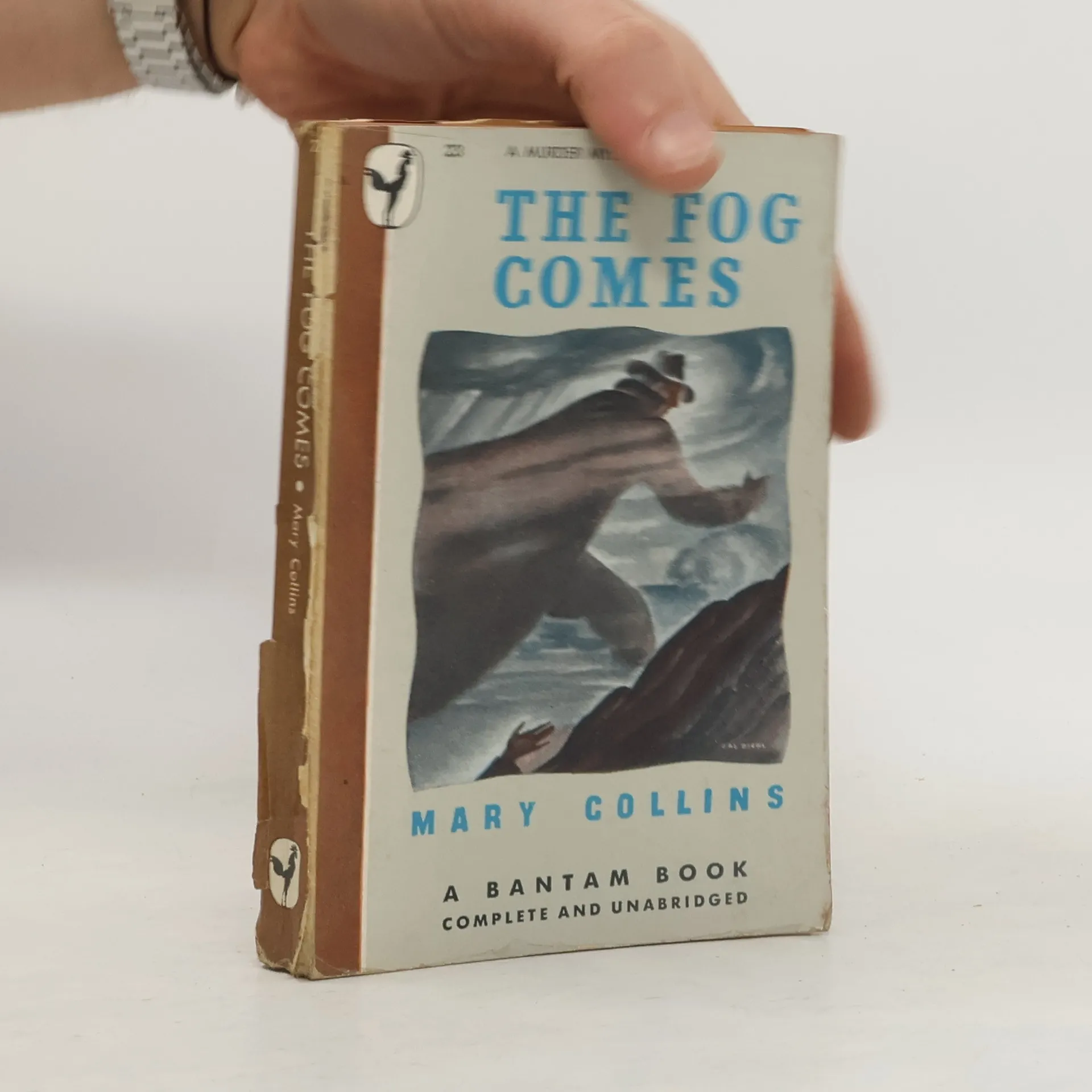

The next compelling, heartfelt instalment in the lives of the Ten Bells Street girls, a wartime saga series from Mary Collins (pseudonym of bestselling crime writer, Barbara Nadel, author of the Inspector Ikmen series).
Mary Collins Boeken
Mary Collins is een schrijfster wiens werk diep geworteld is in de meergeneratieverbinding van haar familie met Londens East End. Haar achtergrond in psychologie, met ervaring in psychiatrische ziekenhuizen en gemeenschapszorg, informeert haar genuanceerde begrip van menselijk gedrag. Collins' schrijven verkent de complexiteit van de geest, puttend uit haar unieke perspectief om boeiende verhalen te creëren. Ze schrijft ook misdaadromans onder een pseudoniem, waarmee ze haar veelzijdigheid als verhalenverteller toont.


Ten Bells Street at War
- 320bladzijden
- 12 uur lezen
The next compelling, heartfelt instalment in the lives of the Ten Bells Street girls, a wartime saga series from Mary Collins (pseudonym of bestselling crime writer, Barbara Nadel, author of the Inspector Ikmen series).
Only the Good
- 202bladzijden
- 8 uur lezen
Set in a world where morality is put to the test, the narrative follows a group of individuals grappling with their choices in the face of dire circumstances. As they navigate complex relationships and ethical dilemmas, themes of redemption and the human capacity for both good and evil emerge. The characters are richly developed, each representing different facets of morality, and their journeys intertwine in unexpected ways, leading to a thought-provoking exploration of what it truly means to be good.
Wait Until Mourning
- 102bladzijden
- 4 uur lezen
Exploring themes of life, love, and loss, this poetry collection captures a young woman's journey of self-discovery as a resilient bisexual female in America. Through her verses, she reflects on personal experiences that shape her identity and resilience, offering an intimate glimpse into her emotional landscape.
A Play Book: Creating Writers, Creating Citizens
- 164bladzijden
- 6 uur lezen
Exploring the decline of unsupervised play and its implications for democracy, the author shares personal anecdotes and classroom experiences in a blend of memoir and manifesto. Through watercolor painting and a series of flash nonfiction essays, she emphasizes the importance of creativity and reflection in fostering engaged citizens. The work serves as a vital reminder of the connection between writing, creativity, and our shared humanity, offering a refreshing perspective on the challenges faced by individuals today.