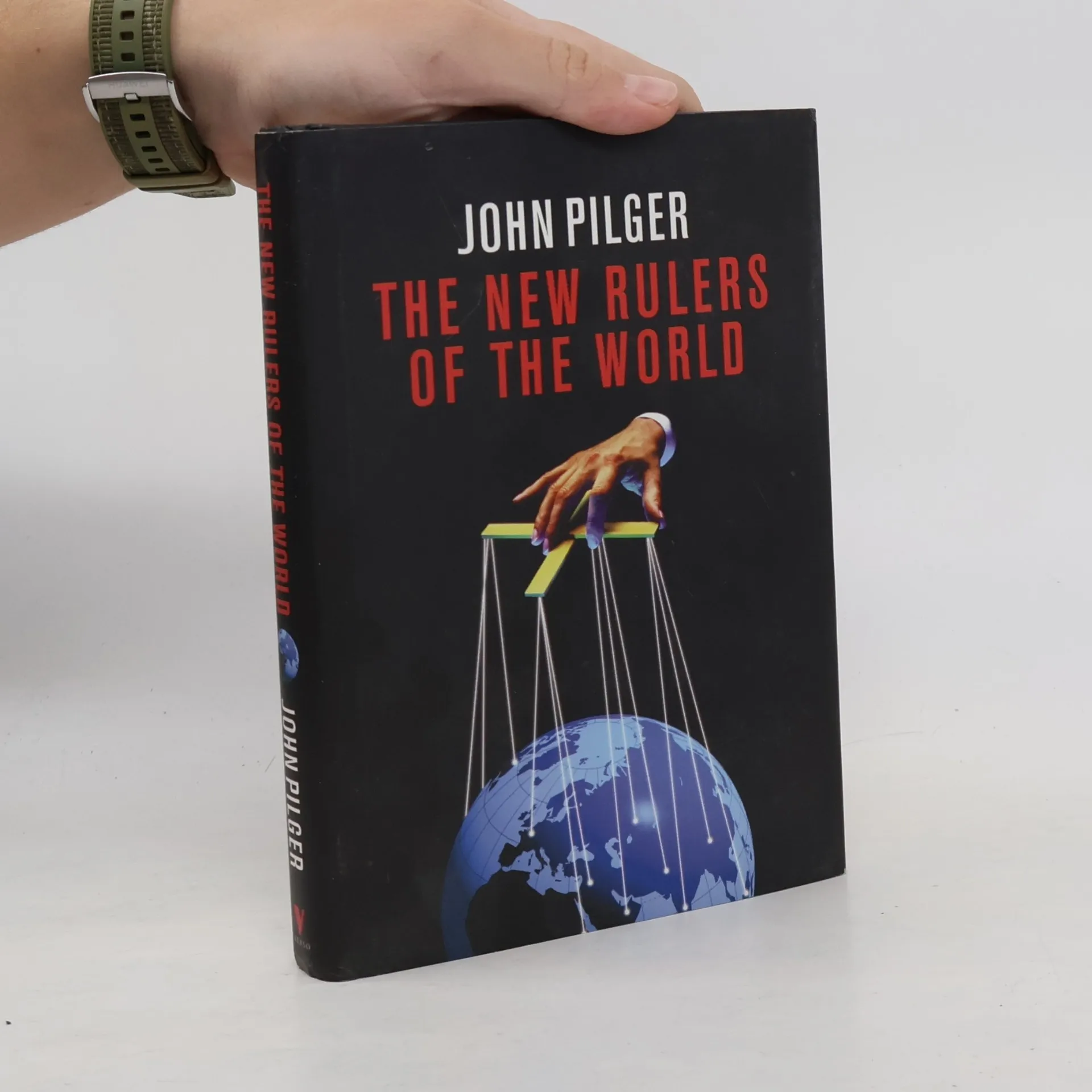
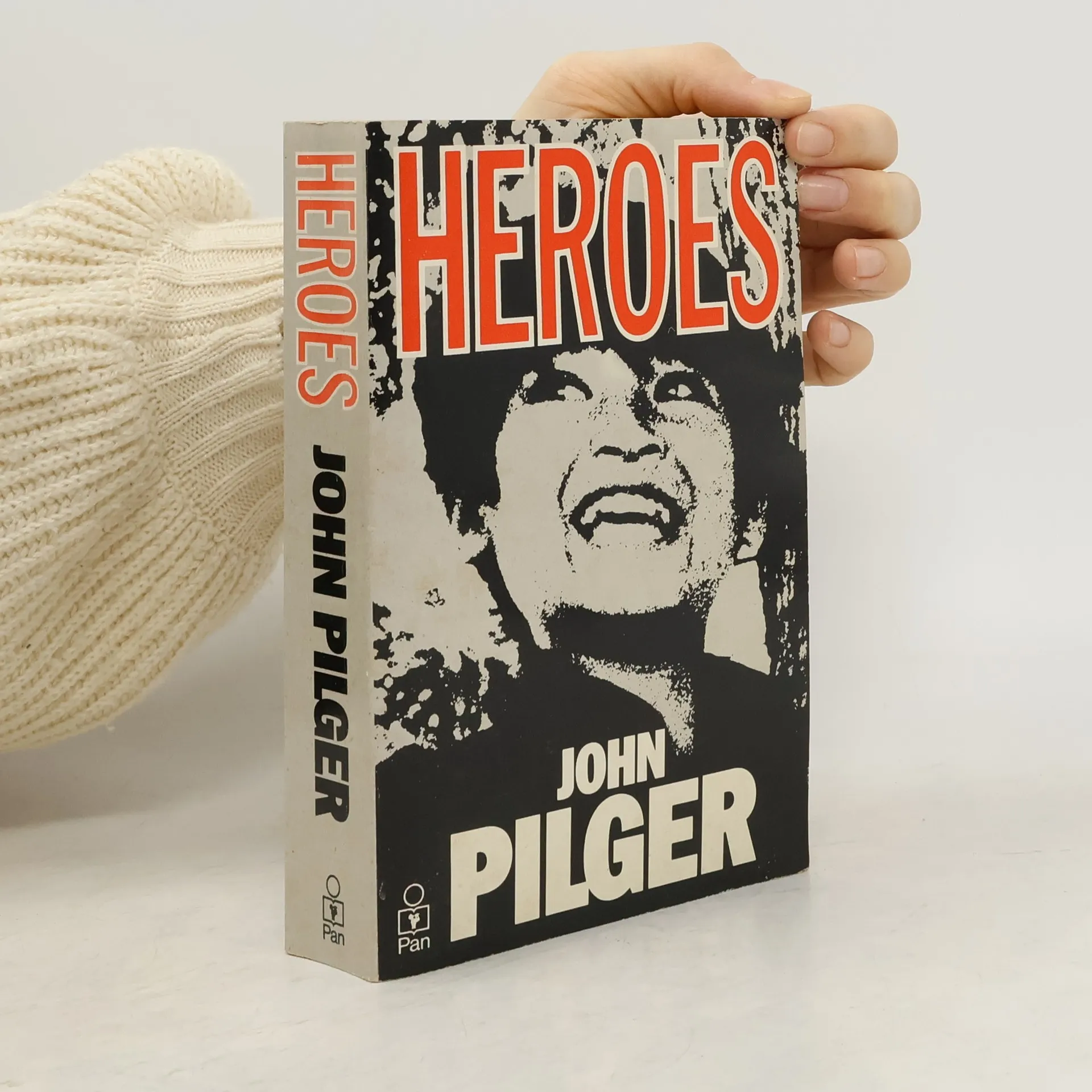
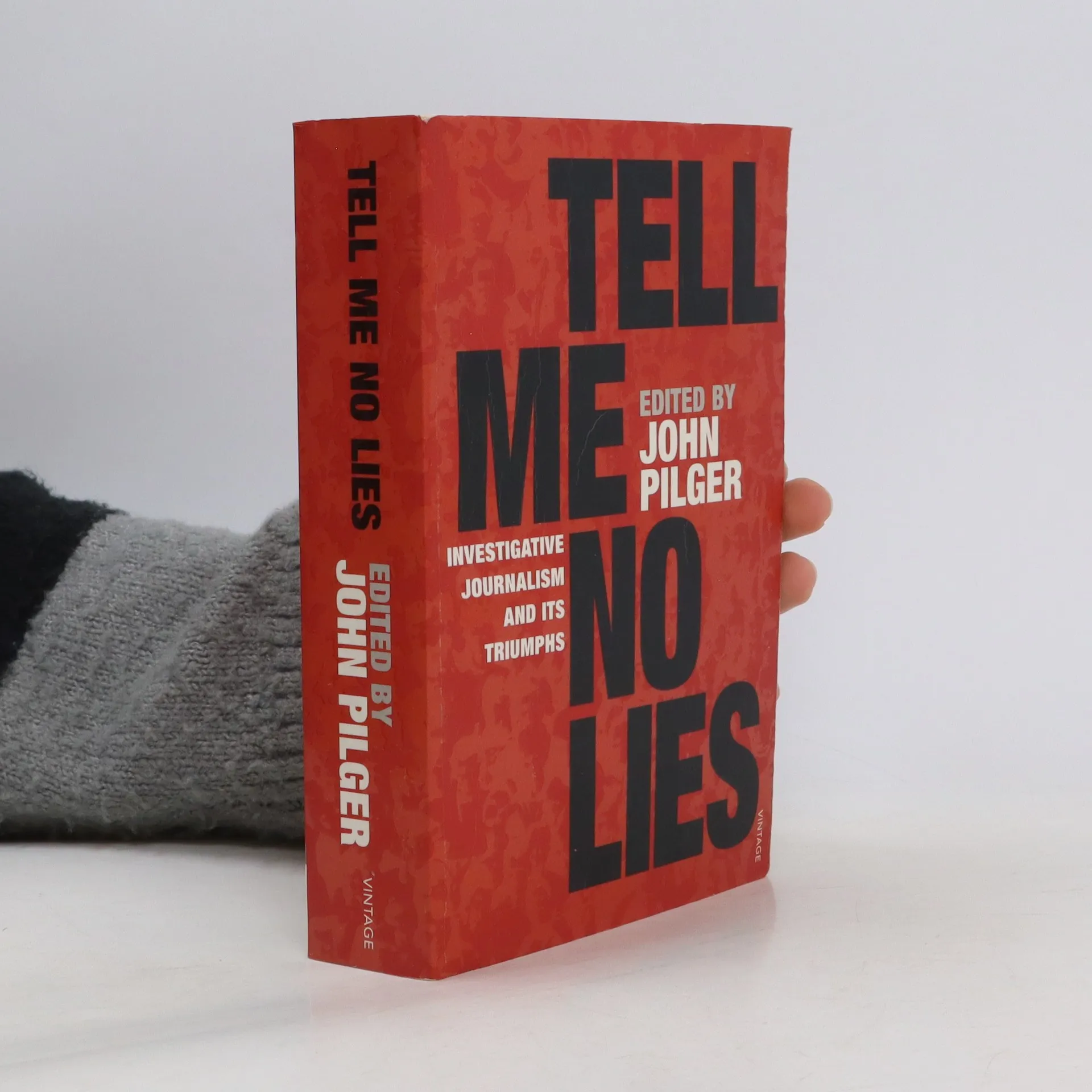
De Australische journalist en documentairemaker John Pilger staat bekend om zijn polemische en actiegerichte stijl. Zijn werk is erop gericht verborgen machtsstructuren te ontmaskeren en op te komen voor de onderdrukten. Pilgers documentaires, bekroond in zowel Groot-Brittannië als de VS, hebben hem samen met zijn journalistieke inspanningen aanzienlijke erkenning opgeleverd. Zijn aanpak wordt gekenmerkt door de toewijding om "schermen weg te trekken, achter gevels te kijken, stenen om te draaien".
John Pilger looks at five countries, each of which has had a long struggle for freedom, and in each the people, having shed blood and dreams, are still waiting. He talks about Afghanistan, Iraq, South Africa, Palestine, and the island of Diego Garcia, aiming to give a voice to the people living through these momentous times.
The War Correspondent as Hero and Myth-Maker from the Crimea to Kosovo. Introduction by John Pilger
574bladzijden
21 uur lezen
s/t: The War Correspondent as Hero, Propagandist & Myth Maker The First Casualty is a disturbing book because it suggests that attitudes to history are moulded by what's read in war-time & that what's read too often bears little resemblance to reality. The Miserable Parent of a Luckless Tribe The First Challenge The Golden Age Quite Another Game The Last War Enter America The Remedy for Bolshevism Is Bullets The Real Scoop Commitment in Spain Their Finest Hour The Struggle for Mother Russia Remember Pearl Harbor Never Again Korea, the United Nations' War Algeria Is French Vietname War Is Fun Acknowledgements Notes of Sources Selected Bibliography Index
The book - a selection of articles, broadcasts and books extracts that
revealed important and disturbing truths - ranges from across many of the
critical events, scandals and struggles of the past fifty years. Along the way
it bears witness to epic injustices committed against the peoples of Vietnam,
Cambodia, East Timor and Palestine.
Paperback release (with minor changes) of the controversial and passionate 1989 portrait of Australia's Tdark side': racially discriminatory, and, in the case of Aborigines, oppressive; politically and militarily dependent on foreign powers; and betrayed by politicians working in collusion with the financial kingpins. Pilger, an expatriate Australian, is a documentary maker and former war correspondent.
Award-winning journalist and filmmaker John Pilger selects from his recent Guardian and New Statesman essays on power, its secrets and illusions, for this new collection. The title is taken from his television film about the mythology of globalisation, in which he revealed how General Suharto's bloody seizure of power in Indonesia in the 1960s was part of a Western design that was the beginning of globalisation in Asia.In this book, Pilger discloses more of a secret history which saw a million Indonesians as the price for its mantle as the World Bank's 'model pupil'. He also describes the price paid by the people of Iraq for the West's decade-long embargo of that country. Returning to his homeland, Australia, he looks behind the hype that led up to the Millennium Olympics in Sydney, reflecting on Australia's continuing subjugation of its Aboriginal people. Following the terrorist attacks in America and the bombing in Afghanistan, he looks at the new thrust of American power and its goal of world order, and the propaganda that helps drive it.
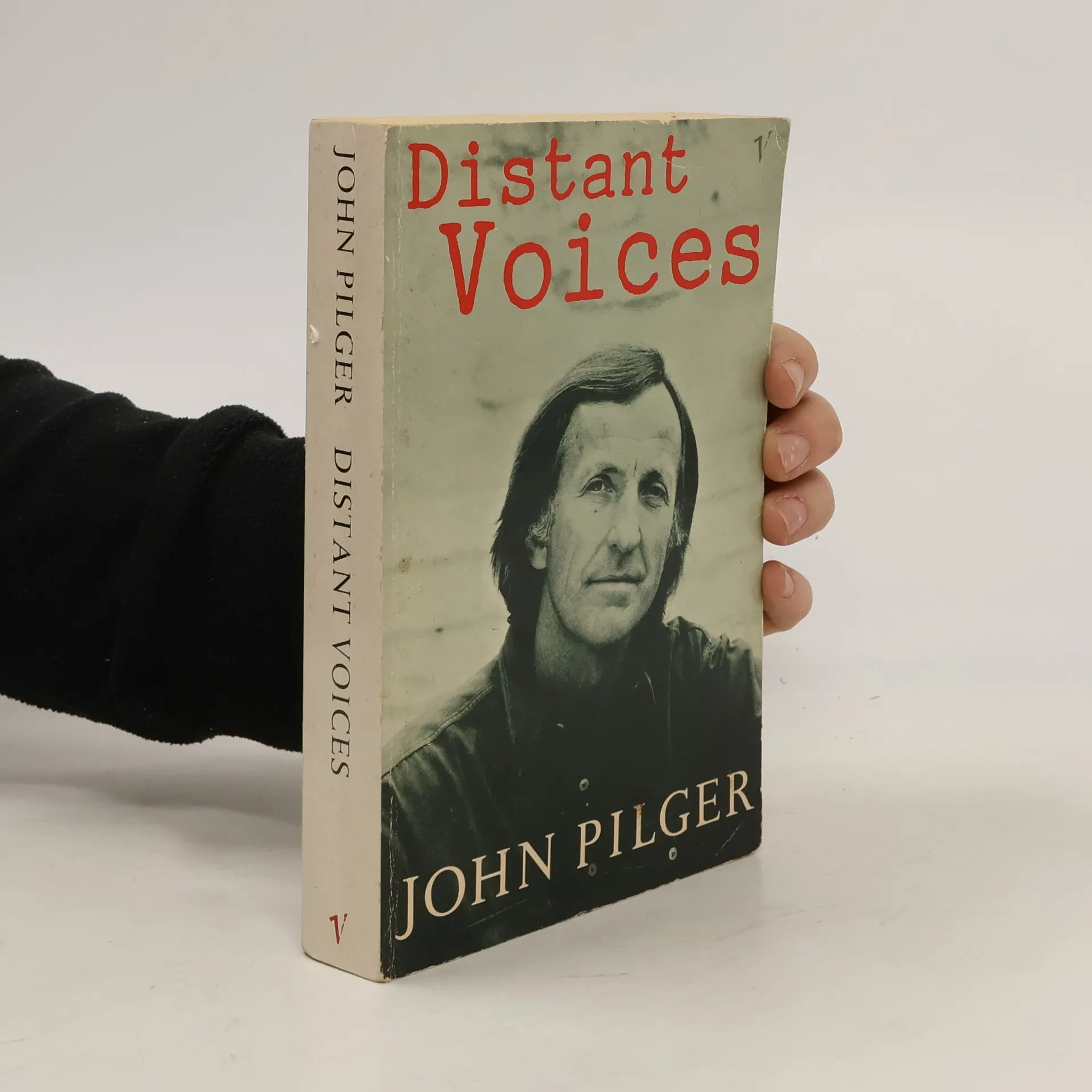
Folowing on from "Heroes", this book includes articles/essays from the award-winning journalist. The pieces in the book look at the Gulf War, world poverty, Cambodia, England, Australia and analyses why there are so few distant voices of dissent in the media the world over.
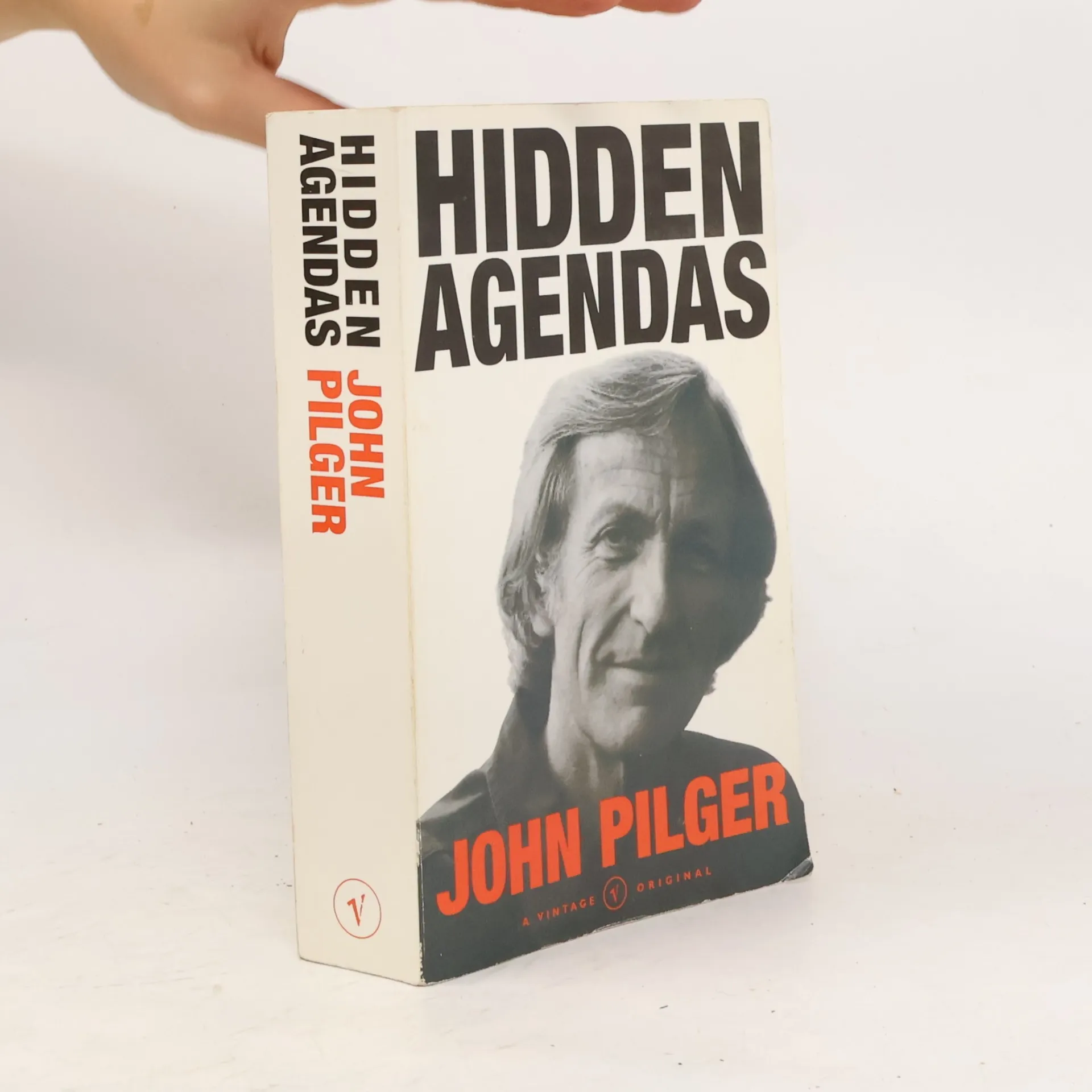
In this book John Pilger strips away the layers of deception, dissembling language and ommision that prevent us from understanding how the world really works. From the invisible corners of Tony Blair's New Britain to Burma, Vietnam, Australia, South Africa and the illusions of the 'media age', power, he argues, has its own agenda. Unchallenged, it operates to protect its interests with a cynical disregard for people - shaping, and often devastating, millions of lives
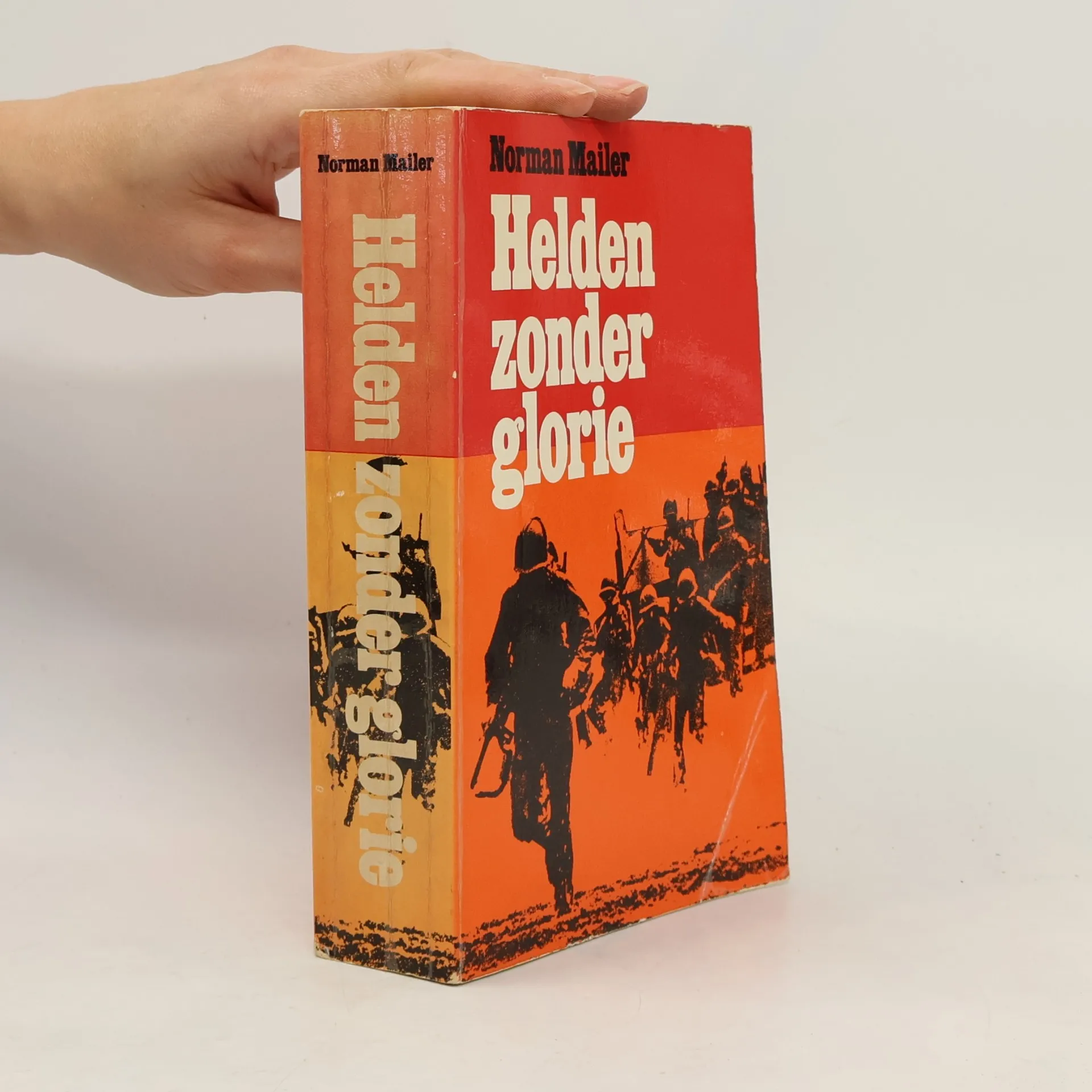
"Helden zonder glorie is het verhaal van de verovering door de Amerikanen van Anopei, een eiland in de Stille Oceaan. Het onderliggend thema is de strijd om de macht in de rangen van de Amerikanen zelf, en dat zowel op het hoogste niveau (generaal Cummings) als op het niveau waar men de bevelen van hogerhand maar heeft uit te voeren (het peloton van sergeant Croft). Op het einde lijken zowel Cummings als Croft hun macht kwijt te raken (Croft verliest de controle over zijn mannen als hij bij het innemen van een berg in een nest horzels trapt), maar als de rook is opgetrokken, blijkt dat hun positie niet wezenlijk is aangetast. Helden zonder glorie is en blijft een meesterwerk, een boek ook dat Mailer naderhand niet meer heeft geëvenaard. Al 20 jaar is deze formidabele roman een internationale bestseller, terwijl het boek tevens een van de meesterwerken uit de moderne Amerikaanse literatuur is. Simon Vestdijk vond het destijds een betere roman over de oorlog dan Tolstoi's Oorlog en Vrede."
On Preserving Capitalism in the Twenty-First Century
208bladzijden
8 uur lezen
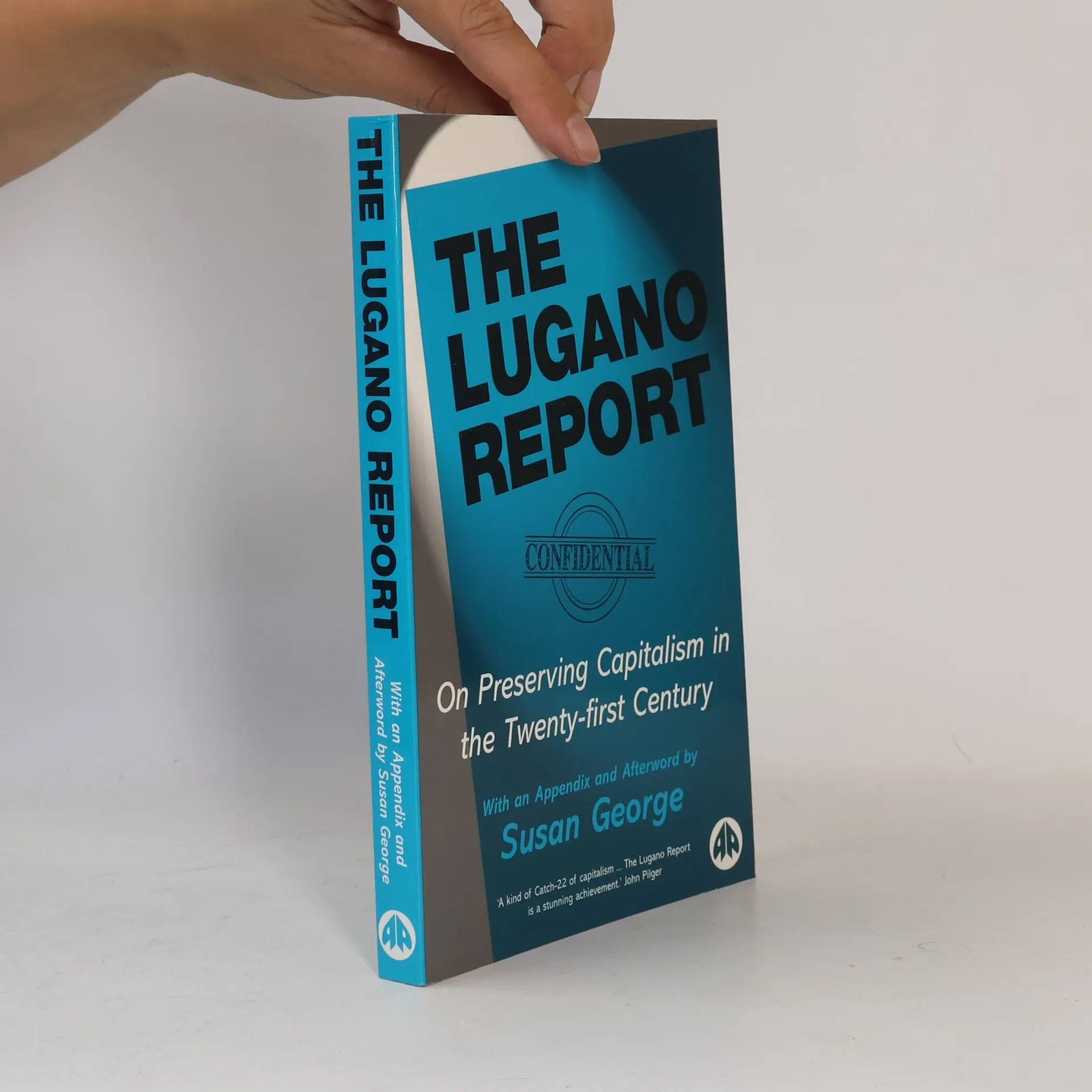
This report is not what is seems. It is written entirely by the leading development specialist Susan George. Although a spoof report, it is based on fact and illustrates the logical processes of the world economy as we approach the new century. Written from the perspective of one in broad support of the systems of global power, Susan George is in fact deeply critical of the state of the world. Through her unique style of approach to her subject, George paints a worrying picture of the world over the next 25 years.
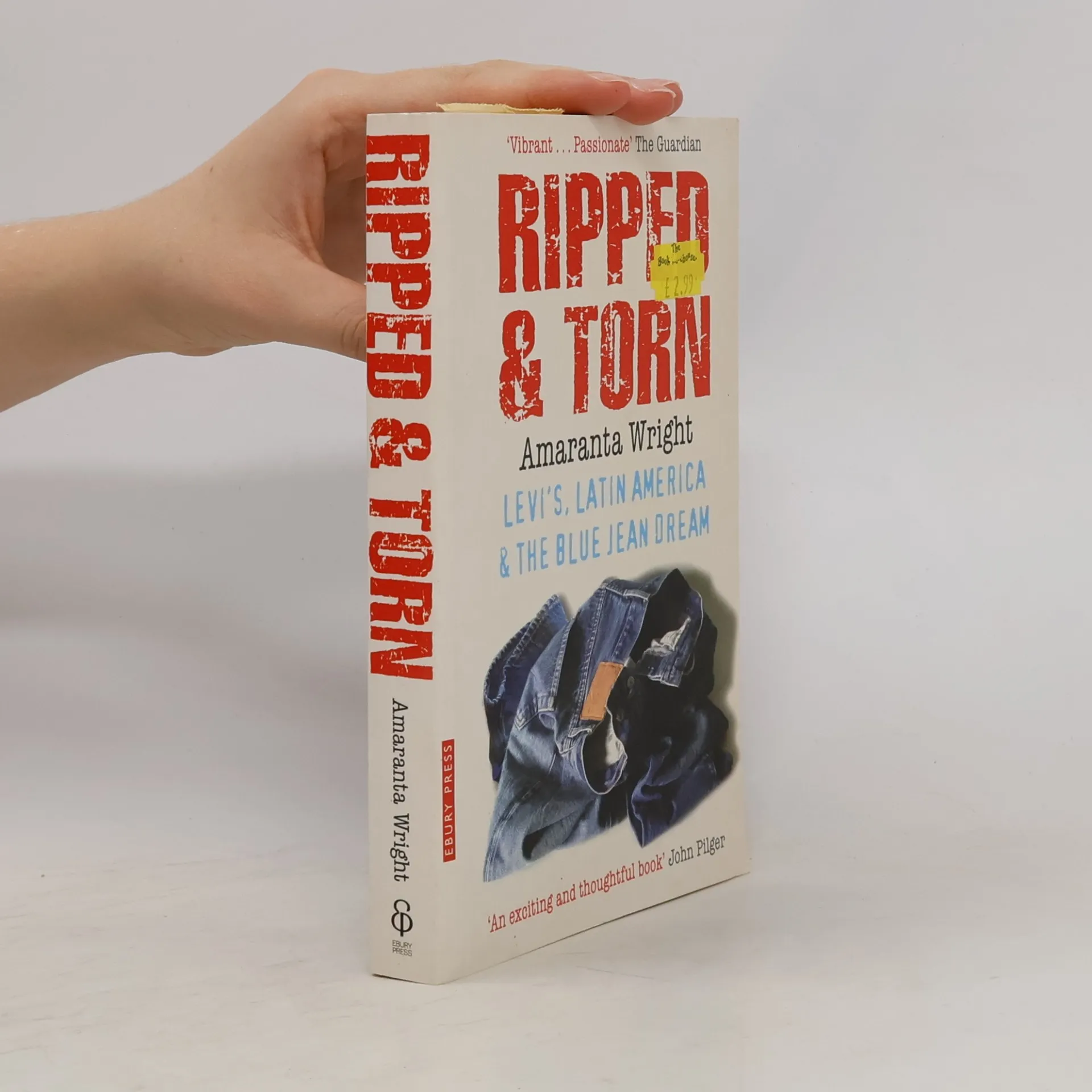
Amaranta Wright was a young writer living in Miami when Levi's hired her to travel through Latin America. Her brief was to befriend teenagers and report back with every aspect of their lives: their hopes, fears, dreams and aspirations. At first, she saw the job as a means to travel around a continent she loved. But as time passed, the more sinister and divisive aspects of what she was being asked to do became apparent, her attempts to understand the dispossessed of these countries constantly frustrated by the mechanics of corporate globalisation - its unspoken aim to reduce individuals to bullet points. This is a compellingly humane portrait of a continent in crisis - riddled with paradox, complexity, beauty and brutality. It is a book about the arrogance with which we in the West refer to 'developing' continents, the developed world's overarching desire to turn people into consumers, and the often insidious methods employed to this end. It is about what happens when indigenous voices are silenced by corporate vision. An evocative, startling and politically-incisive book.
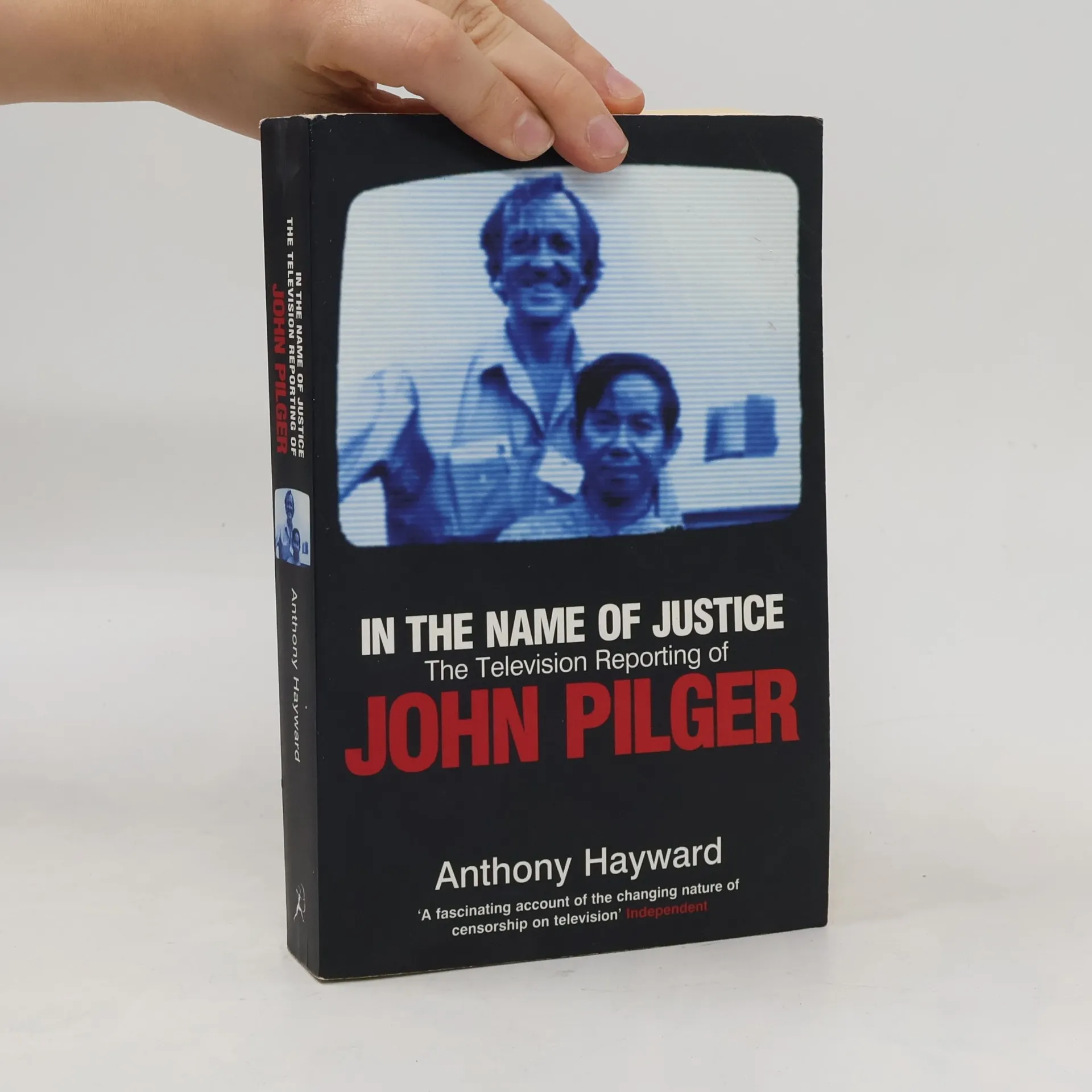
Justice and human struggle around the globe have been the recurring themes throughout John Pilger's 30 years of making television documentaries. This work examines the journalist and his long career on the small screen, one unparalleled by others outside regular current affairs programs.