Bookbot

William Dunbar

    William Dunbar was een Schotse dichter die actief was in de late 15e en vroege 16e eeuw. Zijn uitgebreide oeuvre in de Schotse taal wordt gekenmerkt door grote variatie in thema's en literaire stijlen. Hij was nauw verbonden met het hof van koning Jacobus IV, voor wie hij deze betekenisvolle werken produceerde. Dunbar's poëzie werd opgenomen in de eerste in Schotland gedrukte boeken.

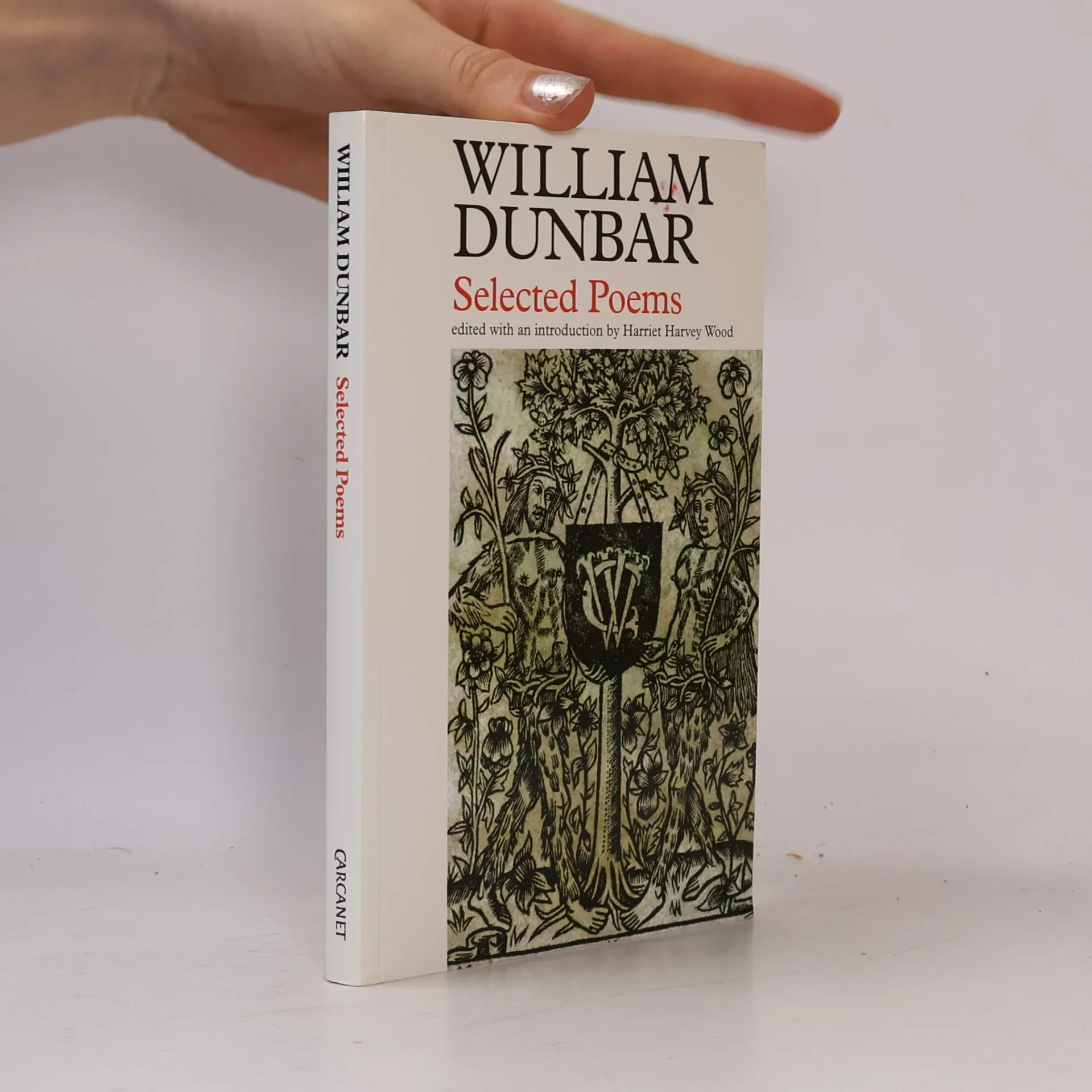
    Selected Poems
    The Makars
    • Selected Poems

      • 135bladzijden
      • 5 uur lezen

      William Dubar was a man of reasonable means from an East Lothian family, and whose life spanned the 15th and 16th centuries. A career in the Church secured his living, furthered by close connections with the Court of King James IV. He, perhaps more than any other mediaeval poet, displays through his work an individual personality still evident today. His ingenuity with metre, form, diction, and above all wit, give his poetic legacy a sharp and appealing edge - often turned against his enemies, bitter and amusing by turn. Often described as Chaucerian - part of the Henryson and Douglas set, Dunbar was heir to more than one legacy: French, Latin and Teutonic influences were all at play. This collection of his works breaks down some of the earlier, more rigid divisions and presents a glimpse of the mediaeval mind and world.

      Selected Poems1999
    • The Makars

      The Poems of Henryson, Dunbar and Douglas

      • 843bladzijden
      • 30 uur lezen

      The poetry of the Makars marked an extraordinary flowering of Scottish culture and the Scots language in the 15th and early 16th centuries. This magnificent anthology, introduced, edited and annotated by J.A. Tasioulas, makes available for the modern reader the complete poems of both Henryson and Dunbar, as well as Gavin Douglas's The Palis of Honoure . Old Scots words are glossed and medieval and classical references are explained to make this the most approachable collection of major poems in a period which forged a nation's cultural and political sense of itself, from the moral subtlety of Henryson, to the wild flytings of Dunbar, to the democratic humanism of Gavin Douglas.

      The Makars1999
      3,4