Bookbot

Gian Piero Brunetta

    Cent'anni di cinema italiano
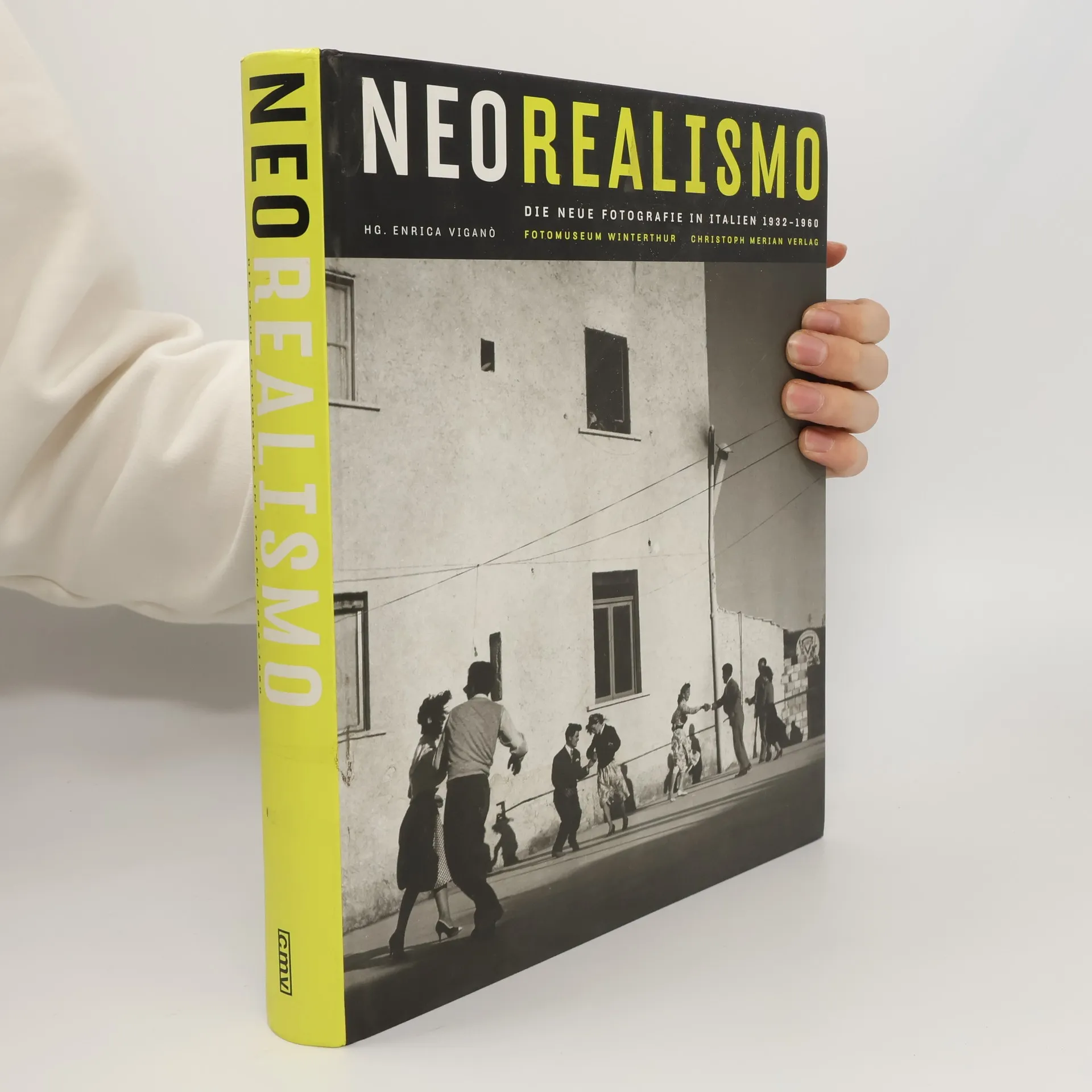
    Neorealismo
    Storia del cinema italiano I-II
    The Cinema of Italy
    • The Cinema of Italy

      • 288bladzijden
      • 11 uur lezen
      4,0(7)Tarief

      The Cinema of Italy, a new addition to the 24 Frames series, looks at the recurring historical, thematic and stylistic features of twenty-four of the most important Italian sound films. Viewing Italian cinema at the intersection of history, politics, art and popular culture, the 24 concise essays of this anthology contextualize each film within both Italian and Western film culture. Alongside the crucial lessons of neorealist masterpieces such as Rossellini's Paisan and De Sica's The Bicycle Thief, this collection looks at how Italian cinema has confronted both the nation's history (1860, Senso, The Conformist, Lamerica), the so-called -Southern question- (Salvatore Giuliano, Padre Padrone), as well as modern configurations of labor and gender relationships through the films of Camerini, De Santis, Olmi, Pasolini, Antonioni, Wertmuller, and the Taviani Brothers. The Cinema of Italy also considers the very personal works of Fellini, Ferreri and Moretti and gives special attention to those film-makers (Argento and Leone) whose cinema directly addresses such international film genres as horror and the western.

      The Cinema of Italy
    • Neorealismo

      Die neue Fotografie in Italien 1932-1960

      • 339bladzijden
      • 12 uur lezen

      Ebenso wie der italienische Film und die Literatur durchlief auch die italienische Fotografie eine Phase des „Neorealismo“. Im aufkommenden Faschismus geboren, begleitete und dokumentierte er den Zusammenbruch des Regimes und den Wandel Italiens hin zu einer modernen Gesellschaft. Die Fotografien lösten sich vom Mythos der „Bella Italia“ ab und stellten in eindrucksvollen Dokumentarbildern ein realistisches, karges, manchmal hartes Italien vor, das vor Leben zu strotzen scheint. Auf 350 Seiten versammelt der Bildband zahlreiche fotografische Positionen aus den Jahren 1932 bis 1960. Der Autor Giuseppe Pinna zeichnet die Entwicklung des fotografischen Neorealismo nach, Gian Piero Brunetta verfolgt den langen Weg des neorealistischen Kinos und Bruno Falcetto schreibt über den Neorealismus in der Literatur. Ein umfangreiches Kurzlexikon mit über hundert Einträgen zu Fotografen, Fotojournalisten, Fotokritikern, Zeitschriften und Ausstellungen macht den aufwändig gestalteten Fotoband zu einem Standardwerk der dokumentarischen Fotografie.

      Neorealismo
    • Da Roma città aperta, attraverso Caro diario e La vita è bella, fino alla Meglio gioventù: un panorama completo della nostra cinematografia che, dopo una lunga crisi, sembra aver ritrovato la sua anima e la sua identità.

      Cent'anni di cinema italiano