

Koop 10 boeken voor 10 € hier!
Bookbot

I. William Zartman

    9 januari 1932
    Peacemaking in International Conflict
    Morocco: Problems of New Power
    The Practical Negotiator
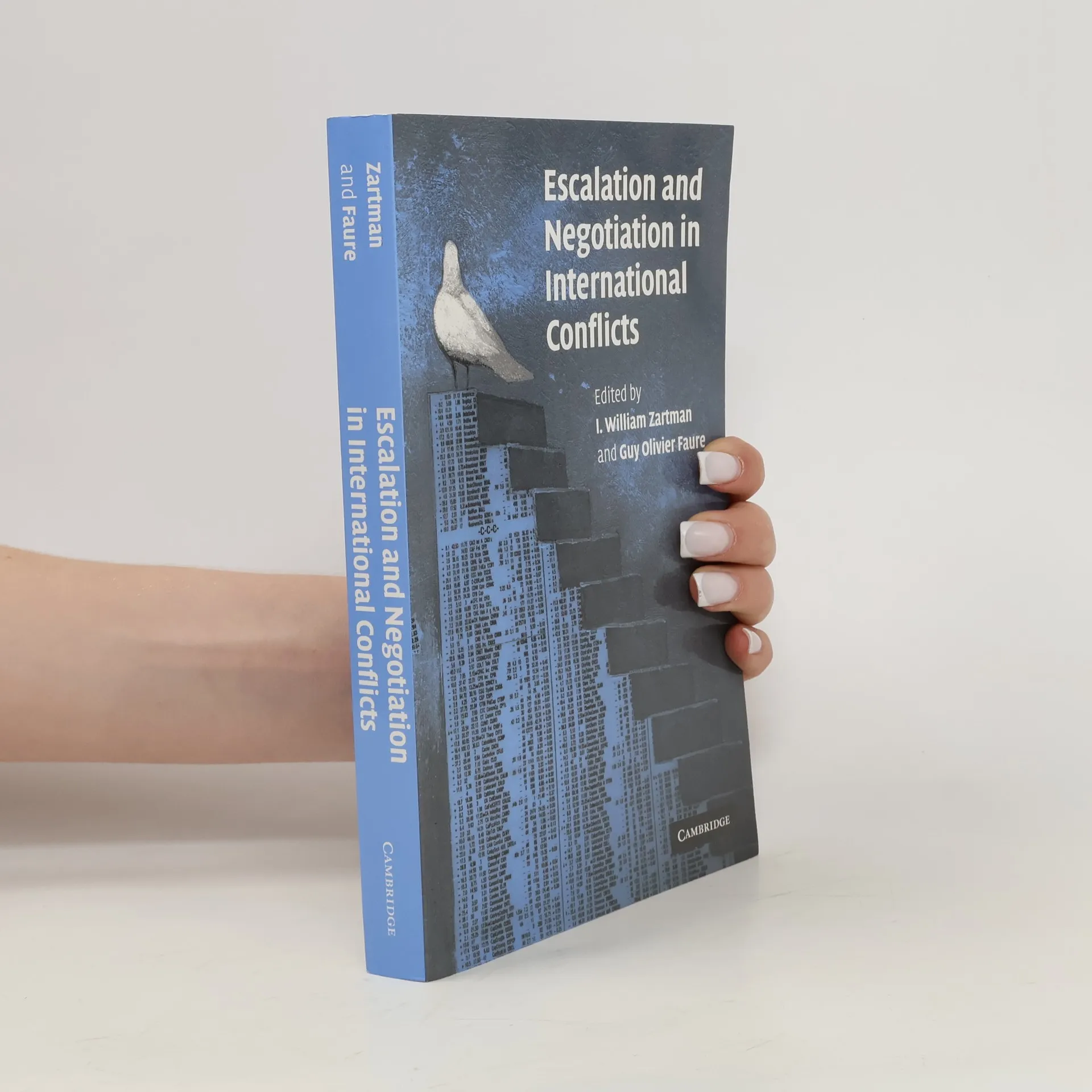
    Escalation and negotiation in international conflicts
    • How can an escalation of conflict lead to negotiation? In this systematic study, Zartman and Faure bring together European and American scholars to examine this important topic and to define the point where the concepts and practices of escalation and negotiation meet. Political scientists, sociologists, social psychologists, and war-making and peace-making strategists, among others, examine the various forms escalation can take and relate them to conceptual advances in the analysis of negotiation. They argue that structures, crises, turning points, demands, readiness and ripeness can often define the conditions where the two concepts can meet and the authors take this opportunity to offer lessons for theory and practice. By relating negotiation to conflict escalation, two processes that have traditionally been studied separately, this book fills a significant gap in the existing knowledge and is directly relevant to the many ongoing conflicts and conflict patterns in the world today.

      Escalation and negotiation in international conflicts
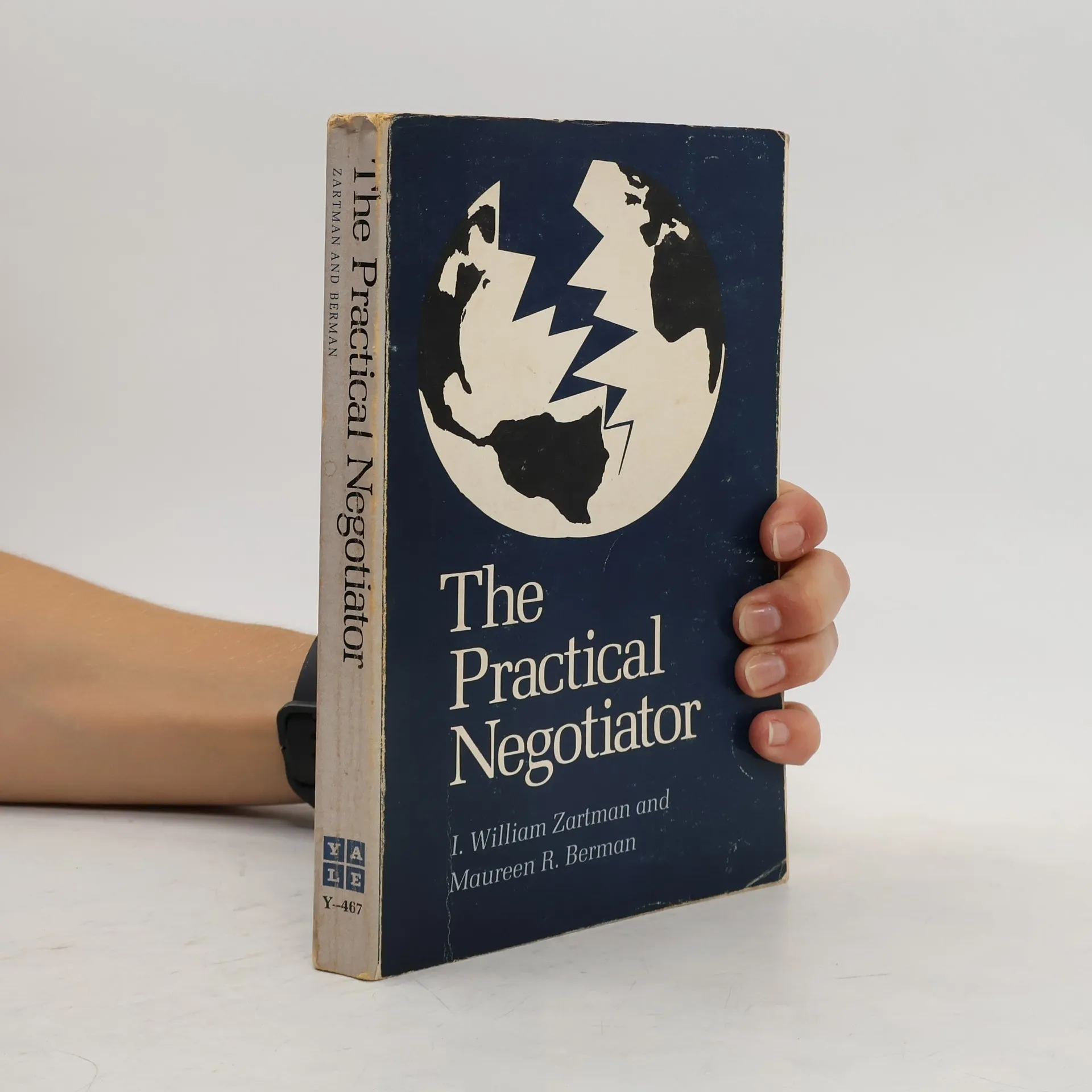
    • The Practical Negotiator

      • 272bladzijden
      • 10 uur lezen

      Advice and analysis of the negotiating experience in international affairs and politics. A compact but powerful guide to the essentials of diplomacy.

      The Practical Negotiator
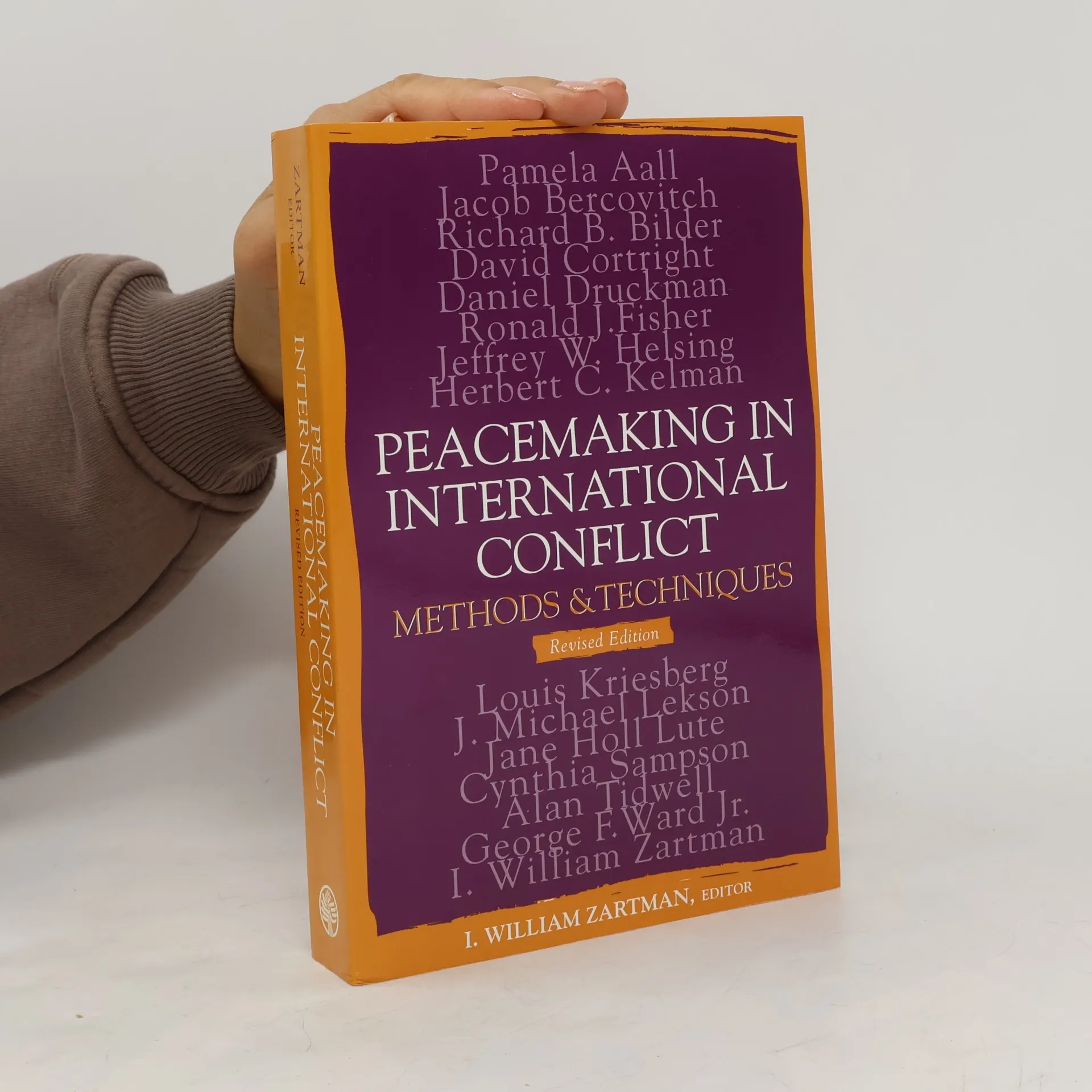
    • Peacemaking in International Conflict

      • 432bladzijden
      • 16 uur lezen

      The methods and techniques of peacemaking--whether it is called conflict resolution, management, or transformation--have become increasingly sophisticated, partly in response to the increased complexity of international conflict today. This volume describes the tools and skills that are currently available and critically assesses their usefulness and limitations. The field's preeminent researchers and practitioners, including a diplomat and an NGO representative, present not only the more traditional approaches to peacemaking--bargaining and negotiation, third-party mediation, and arbitration and adjudication. They also present newer, nonofficial approaches that have attracted considerable attention for their innovativeness--social-psychological approaches, problem-solving workshops, conflict transformation, and training. Written for scholars as well as practitioners in all aspects of peacemaking and foreign policymaking, the chapters in Peacemaking in International Conflict provide cogent analyses and offer practical lessons for a variety of conflict settings, from disarmament and arms-control negotiations to subnational conflicts in the new and emerging states of the post-Cold War era.

      Peacemaking in International Conflict