
Caroline Brothers, geboren in Australië, heeft een doctoraat in geschiedenis en heeft haar observatievermogen aangescherpt als buitenlandcorrespondent in Europa en Latijns-Amerika. Nu gevestigd in Parijs, duikt haar schrijfwerk diep in de aspecten van de menselijke ervaring en historische gebeurtenissen. De proza van Brothers wordt gekenmerkt door haar scherpe en gevoelige aard, waarbij ze de complexiteit van relaties en de blijvende impact van geschiedenis op individuen onderzoekt.
Buenos Aires, 1976. Osvaldo Ferrero, a distinguished doctor, and his wife Yolanda escape the city with their daughters, sensible Julieta and wilful Graciela, who is nineteen and madly in love. On their return, the Argentine military stages a coup. Friends disappear overnight, and Osvaldo is forced to flee to Europe. When her fiancé is abducted, Graciela goes into hiding, then she vanishes in turn. As Yolanda fights on the ground for some trace of their beloved daughter, she soon realises she may be fighting for an unknown grandchild as well...
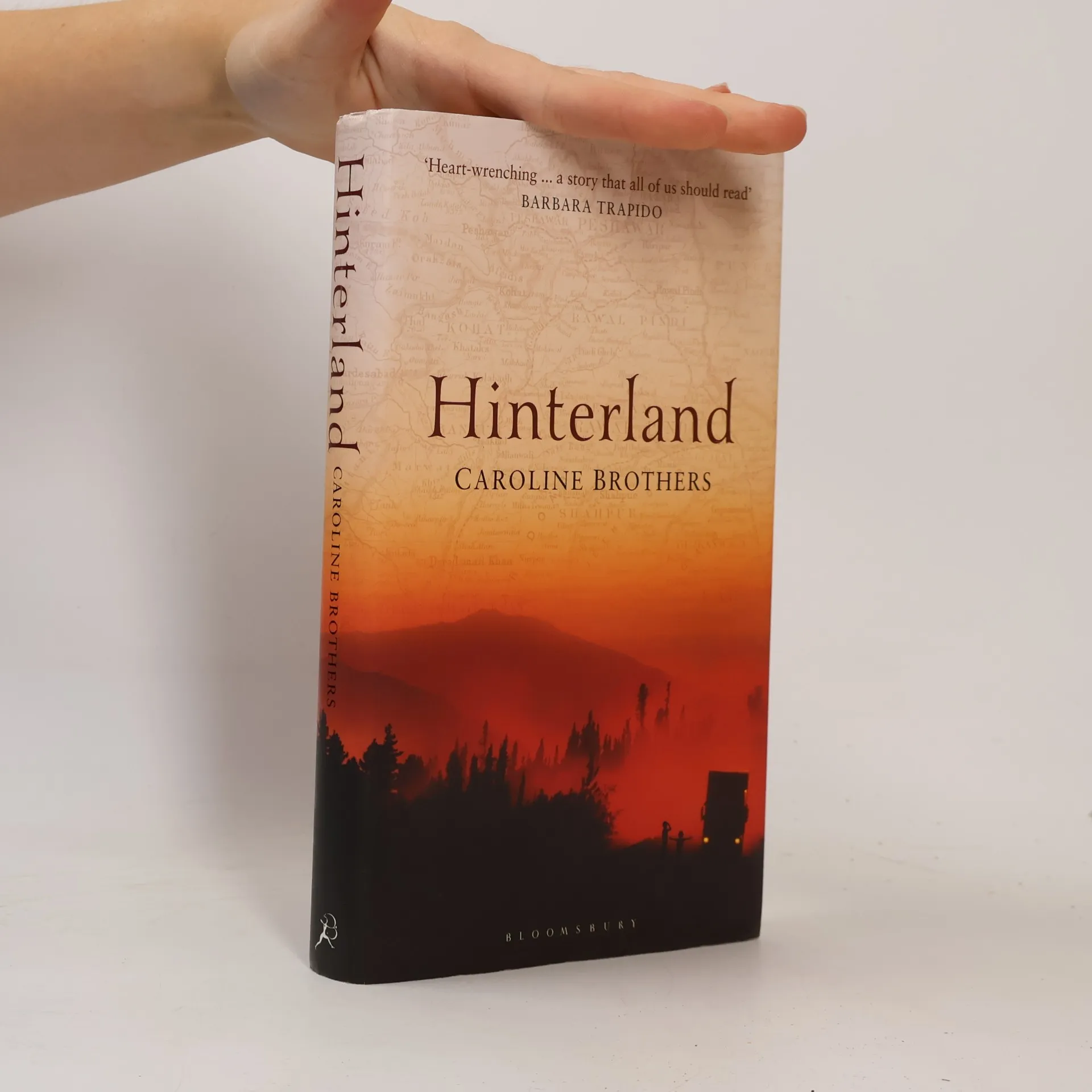
Two boys are crossing Europe. Only fourteen and eight years old, they have nothing but the clothes on their backs and a dwindling inheritance stitched into the lining of a belt. Their goal is a future they can no longer wait for in Afghanistan, one they hope to find in faraway England. As they travel, the older, Aryan, teaches his brother Kabir the capitals of the countries they'll pass through-a way of mapping the course in case anything should happen to separate them. Together they recite a list of cities they can't yet imagine, so as not to forget the names: Kabul-Tehran-Istanbul-Athens- Rome-Paris-London. Though their journey is filled with moments of boyish wonder and adventure, the two also confront hunger and exhaustion, cold and heat, violence and confusion, and are exploited for their labor and forced to rely on strangers who shouldn't be trusted. Caroline Brothers first met these "lost boys" of Afghanistan as a journalist in France, in makeshift refugee camps. Her report on them made the front page of the<i> New York Times</i>, but she wanted to go deeper, to tell their story in human terms. <i>Hinterland</i>, her debut novel, raises questions about the global community's responsibilities toward these children, dispensing with journalistic remove to emerge as a work of incredible empathy, beautifully written. <i>Hinterland</i> is a gripping journey of love and courage, the story of two resolute spirits not soon forgotten.
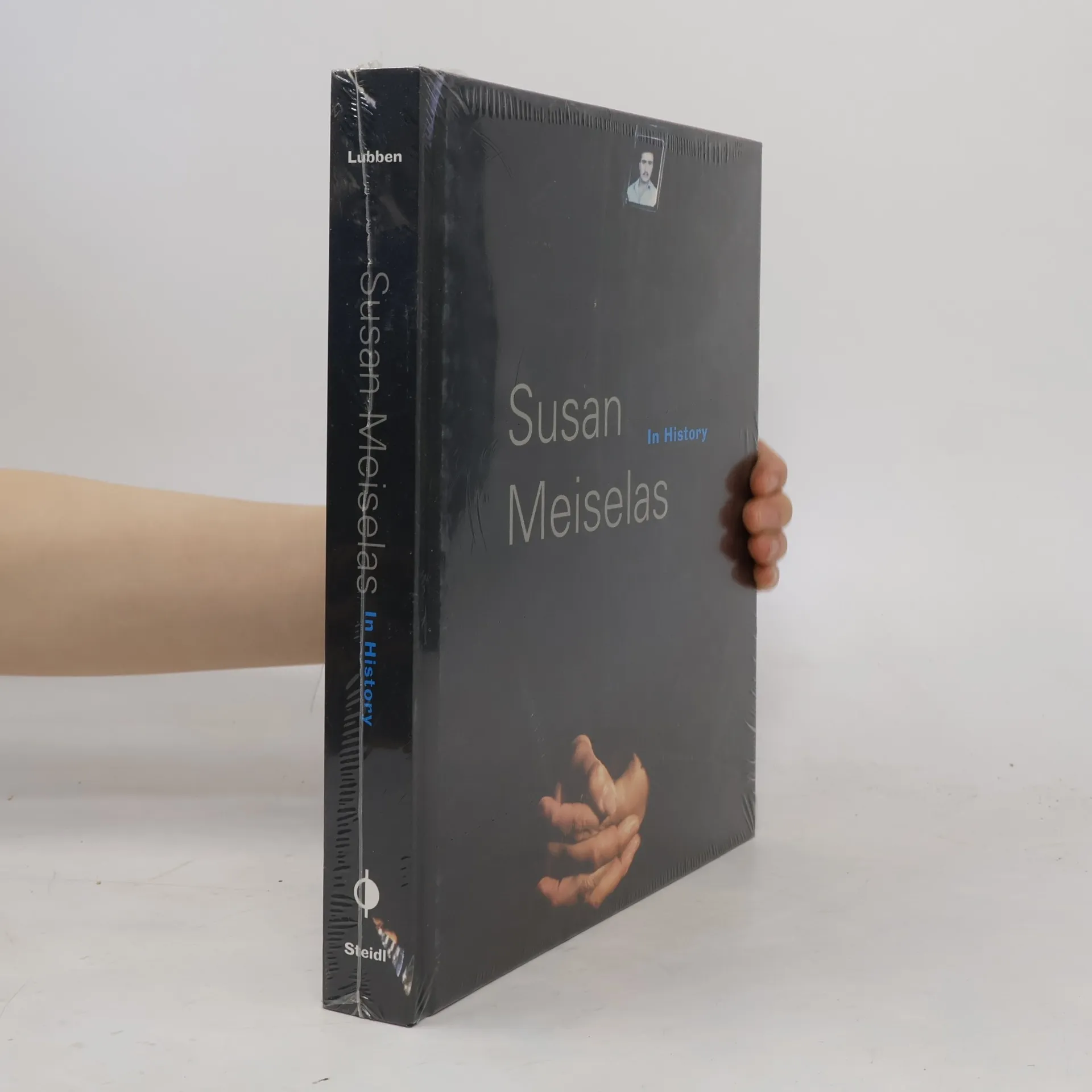
Since the 1970s, questions of ethics raised by documentary practice have been central to debates in photography. Perhaps no other photographer has so closely and consistently represented and participated in these debates than Susan Meiselas. An American photographer best known for her work covering the political upheavals in Central America in the 1970s and 80s--including the El Mozote massacre in El Salvador--Meiselas' process has evolved in radical and challenging ways as she has grappled with essential questions about her relationship to her subjects, the use and circulation of her images in the media and the relationship of images to history and memory. Meiselas is under no illusions about the dual nature of the photographer's role as "The camera is an excuse to be someplace you otherwise don't belong. It gives me both a point of connection and a point of separation." Her tenacious engagement with these matters has made her a leading commentator in the debate on contemporary photojournalism. With 200 plates and contributions from some of photography's finest theorists--among them David Levi Strauss, Lucy Lippard, Kristen Lubben, Jan-Erik Lundstrom and Allan Sekula--this volume gives an overview of Meiselas' enormously varied and courageous work to date.
Sie sind auf der Flucht: Ihr Ziel ist London. In Lieferwagen und Güterzügen versteckt oder zu Fuß durchqueren die Brüder Aryan und Kabir ganz Europa. Sie geraten in die Hände von skrupellosen Schleppern und müssen für Bauern Zwangsarbeiten verrichten. Sie stehlen, um zu überleben. Jeden einzelnen Tag kämpfen sie, um ihrem Ziel ein kleines Stückchen näher zu kommen. Und immer halten sie zusammen. Ein bewegender Roman, der den Leser das Schicksal von Flüchtlingskindern hautnah miterleben lässt. »Eine Geschichte, die unter die Haut geht und zum Denken anregt.« Buchjournal