

This study explores the rise, fall, and modern resurgence of an enigmatic text revered by yoga enthusiasts worldwide. Comprising fewer than two hundred verses written in a complex language, Patanjali's Yoga Sutra is celebrated by the yoga community as a timeless classic and guide. However, David Gordon White reveals that these assumptions are largely misguided. The text was nearly forgotten in India for centuries and faced criticism upon its introduction to the West. Its iconic status, along with translations into over forty languages, emerged only in the last forty years. White traces the unusual journey of this work from its ancient roots, through its peak popularity between the seventh and eleventh centuries, to its decline and eventual revival since the nineteenth century. Initially introduced to the West by British Orientalist Henry Thomas Colebrooke, the Yoga Sutra found new life primarily in Europe and America, especially in English. White highlights the diverse interpretations and misappropriations that contributed to its esteemed position in contemporary culture. His comprehensive research reveals that the yoga practiced today bears little resemblance to its historical roots in India.
David Gordon White Volgorde van de boeken (chronologisch)
David Gordon White is een vooraanstaand geleerde op het gebied van religies in Zuid-Azië, met een focus op tantrische tradities en alchemistische concepten. Zijn werk duikt in de complexiteit van yogische oefeningen en biedt diepgaande inzichten in hun historische en culturele contexten. White onderzoekt de verbanden tussen lichaam, geest en spirituele praktijk, en onthult de veelzijdige aard van tradities zoals Tantra en Yoga. Zijn benadering wordt gekenmerkt door nauwkeurig onderzoek van primaire teksten en etnografisch veldwerk, waardoor lezers een gezaghebbende en verhelderende verkenning krijgen van deze fascinerende spirituele paden.
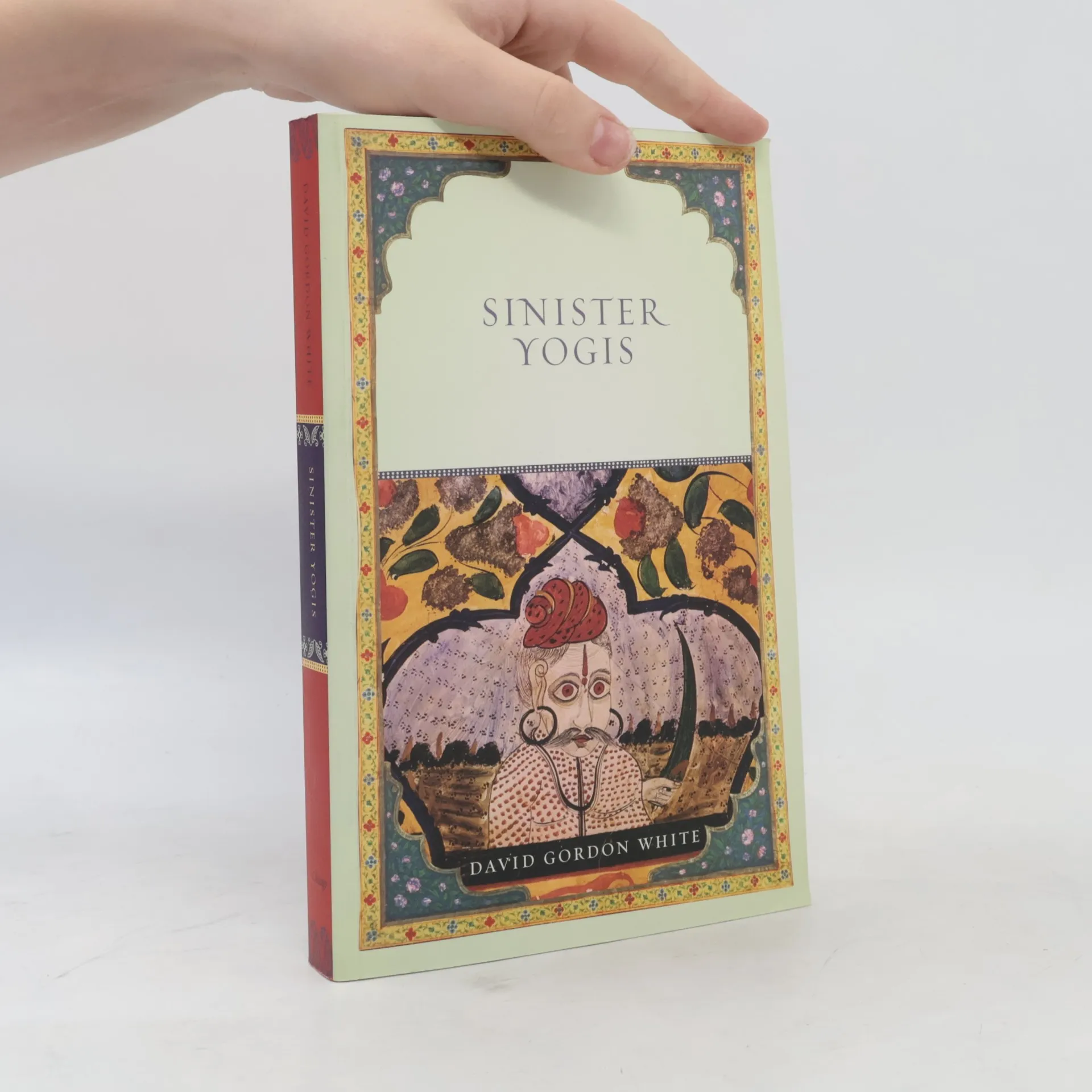


Sinister Yogis
- 376bladzijden
- 14 uur lezen
Focuses on yoga's practitioners. Combing through millennia of South Asia's vast and diverse literature, this title discovers that yogis are usually portrayed as wonder-workers or sorcerers who use their dangerous supernatural.
Kiss of the yoginí : "tantric sex" in its South Asian contexts
- 391bladzijden
- 14 uur lezen
For those curious about the true nature of Tantric practices compared to the "Tantric sex" popularized in the West, David Gordon White provides a clear distinction: there is no relation. He dispels centuries of misconceptions by revisiting original texts, images, and rituals to trace the history of South Asian Tantra from the medieval era to today. The focus is on the unique aspect of South Asian Tantra—sexualized ritual practices, particularly within the medieval Kaula rites. These rituals involved the exchange of transformative sexual fluids between male practitioners and wild female spirits known as Yoginis. By "drinking" these fluids, men could join the supreme godhead, gaining supernatural powers and transforming into deities. White emphasizes that these sexual rituals were central to the religious, social, and political fabric of precolonial life, suggesting that Tantra was mainstream and continues to influence contemporary Hinduism, despite reformist views that marginalize it. The work includes White's translations of over a dozen Tantras previously unavailable in any European language, making it an essential resource for those seeking to understand the significant role of Tantra in South Asian history, society, culture, and religion.
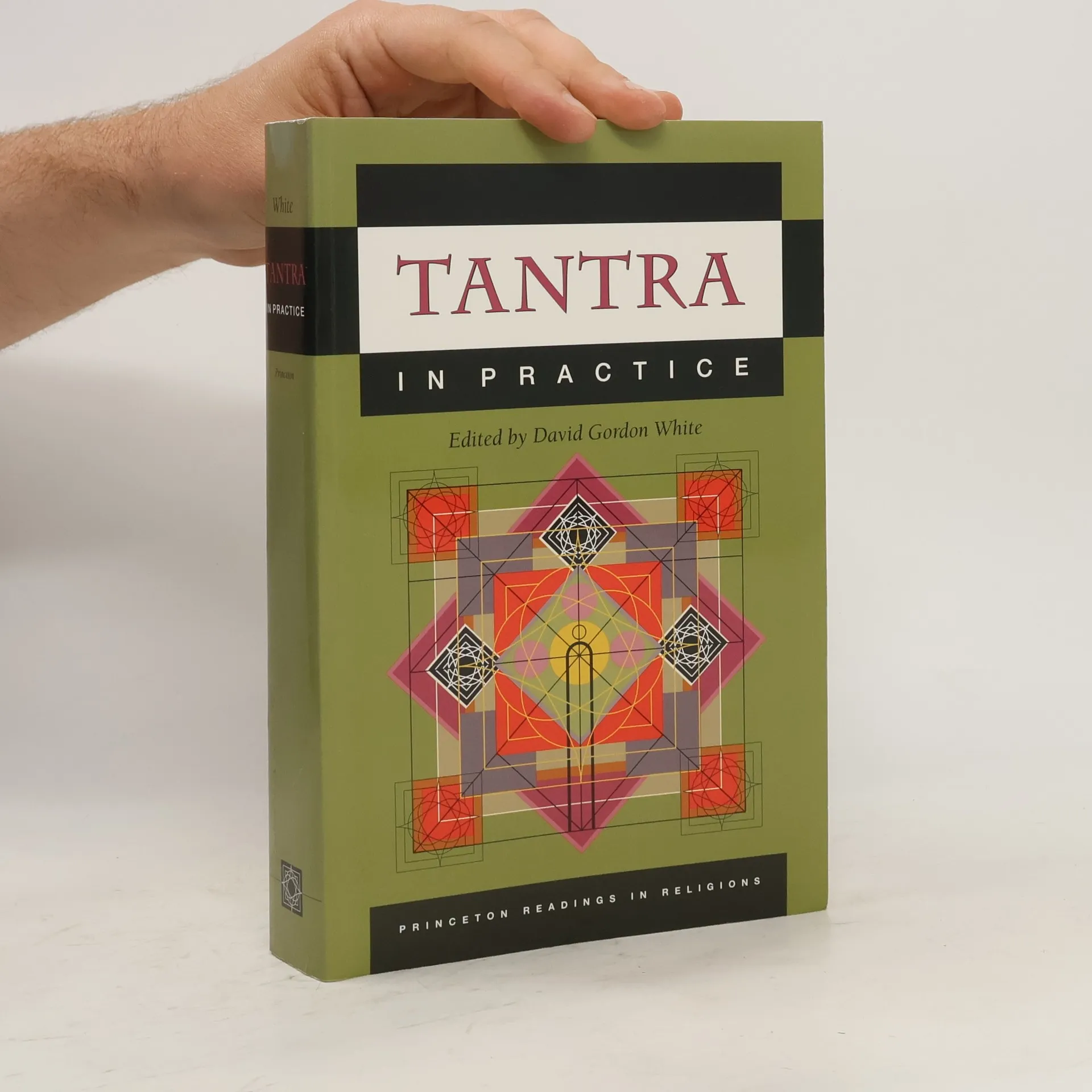
In the introduction, David White outlines Tantra as an Asian body of beliefs and practices aimed at channeling divine energy in creative, liberating ways. The book showcases a wide geographical and temporal range by examining thirty-six texts from China, India, Japan, Nepal, and Tibet, spanning from the seventh century to the present. These texts represent diverse Tantric experiences, including Buddhist, Hindu, Jain, and Islamic traditions. Each text is chosen and translated, often for the first time, by an international expert who provides detailed background material, making it rich and informative for students of Asian religions and general readers alike. The collection features an array of formats, including plays, interviews, poetry, parodies, inscriptions, instructional texts, scriptures, philosophical reflections, dreams, and astronomical speculations. For example, a nineteenth-century Indian Buddhist song warns against the illusion of appearance, while fourteenth-century Chinese manuscripts describe rituals for prosperity through the Seven Stars. A modern Hindu priest shares insights on serving the black Goddess Kali, and a seventeenth-century Nepalese praise-poem seeks the goddess's forgiveness. Each text is accompanied by an introduction that contextualizes its period, genre, history, and significance. This groundbreaking compilation expands our understanding of Tantric practices and continues the Princeton Readings