
Koop 10 boeken voor 10 € hier!
Bookbot

Manuel Castells

    9 februari 1942

    Manuel Castells is een vooraanstaand denker op het gebied van communicatietechnologie en maatschappij. Zijn werk verkent diepgaand hoe het digitale tijdperk onze economie, samenleving en cultuur opnieuw vormgeeft. Castells analyseert de dynamiek van het informatietijdperk, met een focus op de netwerksamenleving en de impact ervan. Zijn invloedrijke studies bieden cruciale inzichten in hedendaagse mondiale transformaties.

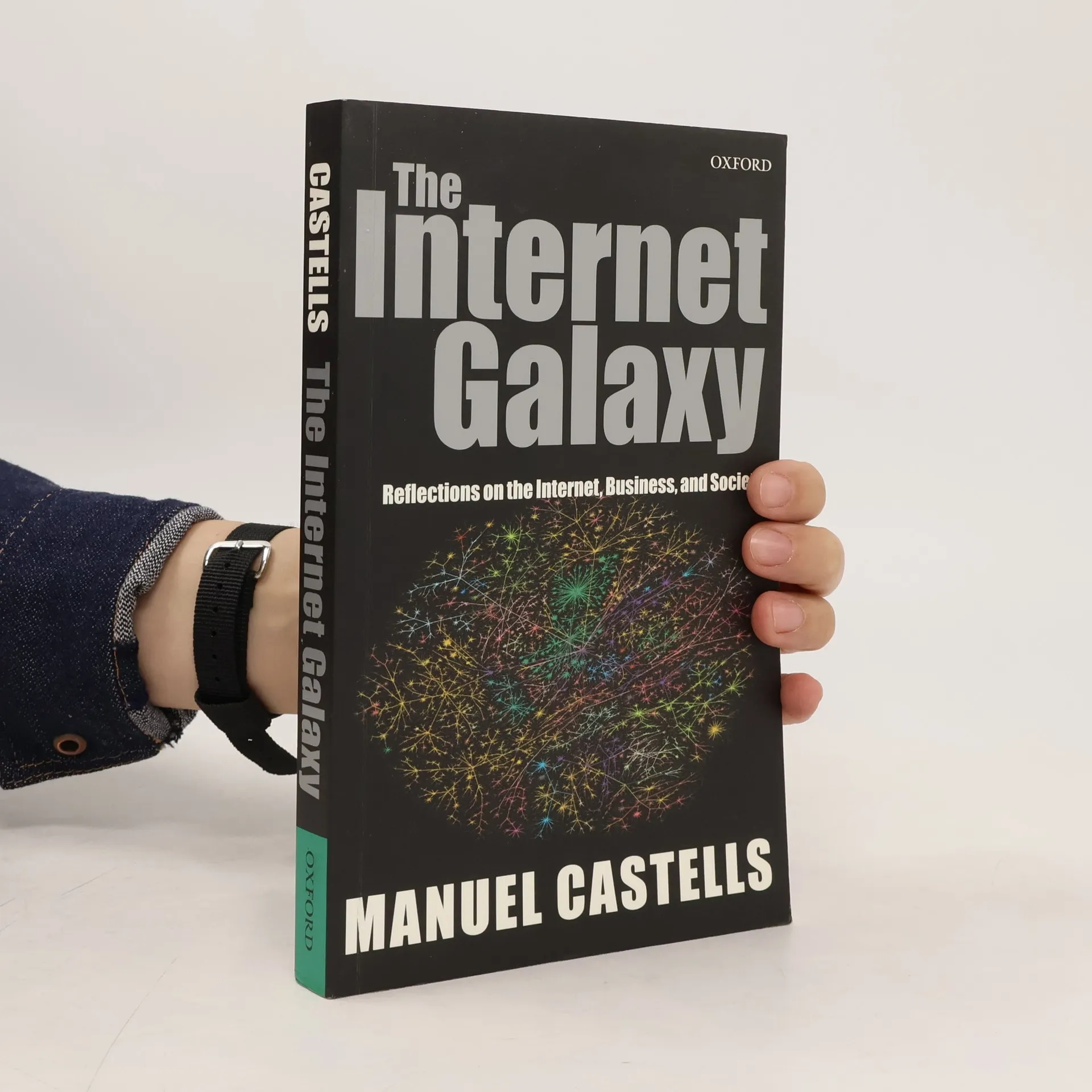
    The Internet Galaxy : reflections on the Internet, business, and society
    Mobile Communication and Society
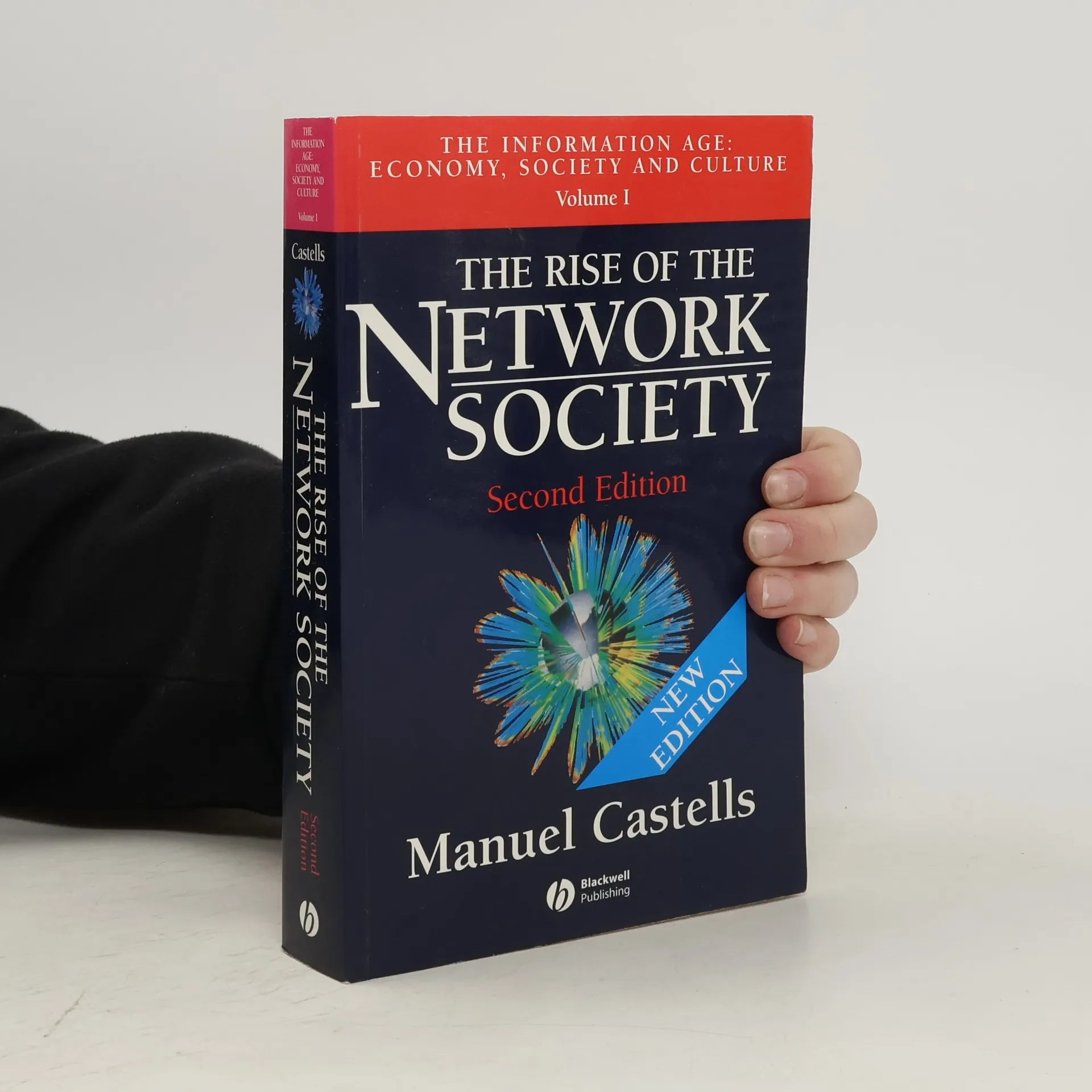
    The Rise of The Network Society
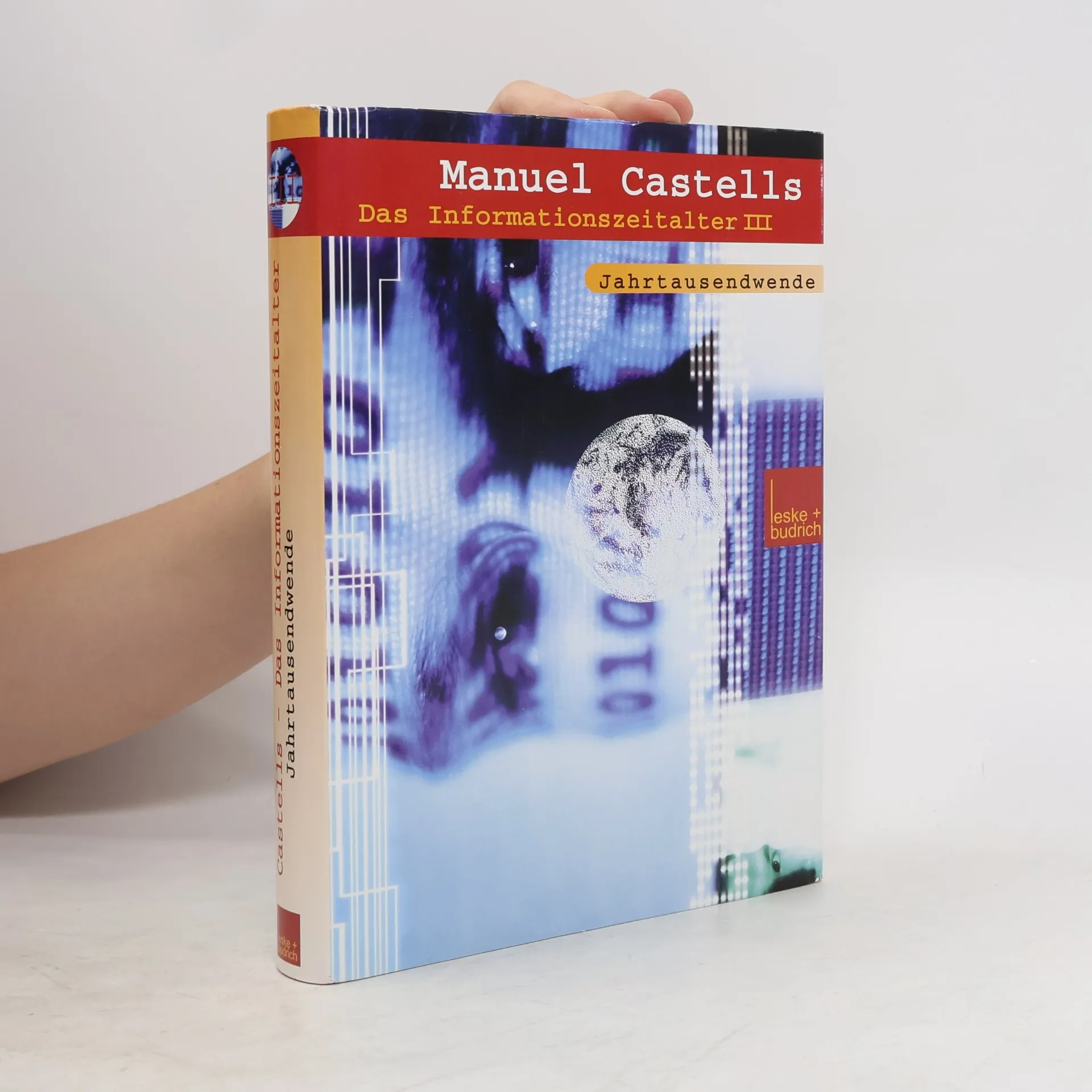
    End of Millennium
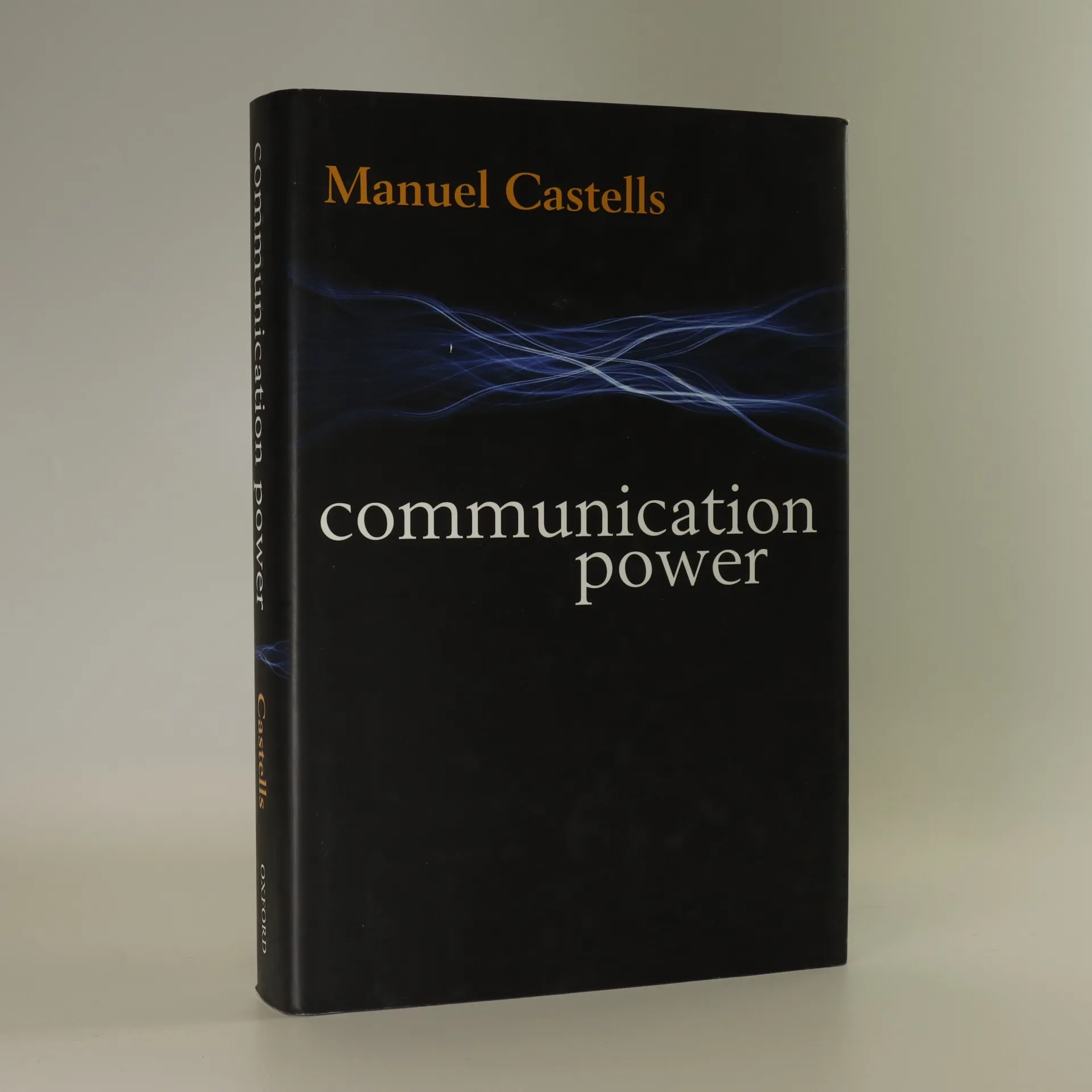
    Communication power
    The power of identity
    • The power of identity

      • 537bladzijden
      • 19 uur lezen
      4,1(352)Tarief

      The Power of Identity is the second volume of Manuel Castells trilogy The Information Age: Economy, Society, and Culture. It deals with the social, political, and cultural dynamics associated with the technological transformation of our societies and with the globalization of the economy. A brilliant account of social, cultural and political conflict and struggle all over the world. Analyzes the importance of cultural, religious and national identity as sources of meaning for people, and its implications for social movement. Throws new light on the dynamics of global and local change. New sections have been added on Al Qaeda and global terrorist networks, on the anti-globalization movement, American unilateralism and the conflicts of global governance, the crisis of political legitimacy throughout the world and the theory of network states.

      The power of identity
    • In this wide-ranging and powerful book, Castells analyses the revolution in communication technologies and social media that has created a new communication system, mass self-communication. He argues that this has, in turn, transformed power relationships, the role of social movements, and their responses to recent political and economic crises.

      Communication power
    • End of Millennium

      • 456bladzijden
      • 16 uur lezen
      4,0(181)Tarief

      This final volume in Manuel Castells' trilogy studies the key defining processes taking place in the last decade of the 20th century as an expression of the crises resulting from the transition between the old industrial society and the emerging global network society.

      End of Millennium
    • The Rise of The Network Society

      • 594bladzijden
      • 21 uur lezen
      4,0(742)Tarief

      This book, the first in Castells' ground-breaking trilogy, is an account of the economic and social dynamics of the new age of information. Based on research in the USA, Asia, Latin America, and Europe, it aims to formulate a systematic theory of the information society which takes account of the fundamental effects of information technology on the contemporary world.

      The Rise of The Network Society
    • Mobile Communication and Society

      • 352bladzijden
      • 13 uur lezen
      2,8(4)Tarief

      How wireless technology is redefining the relationship of communication, technology, and society around the world-in everyday work and life, in youth culture, in politics, and in the developing world.

      Mobile Communication and Society
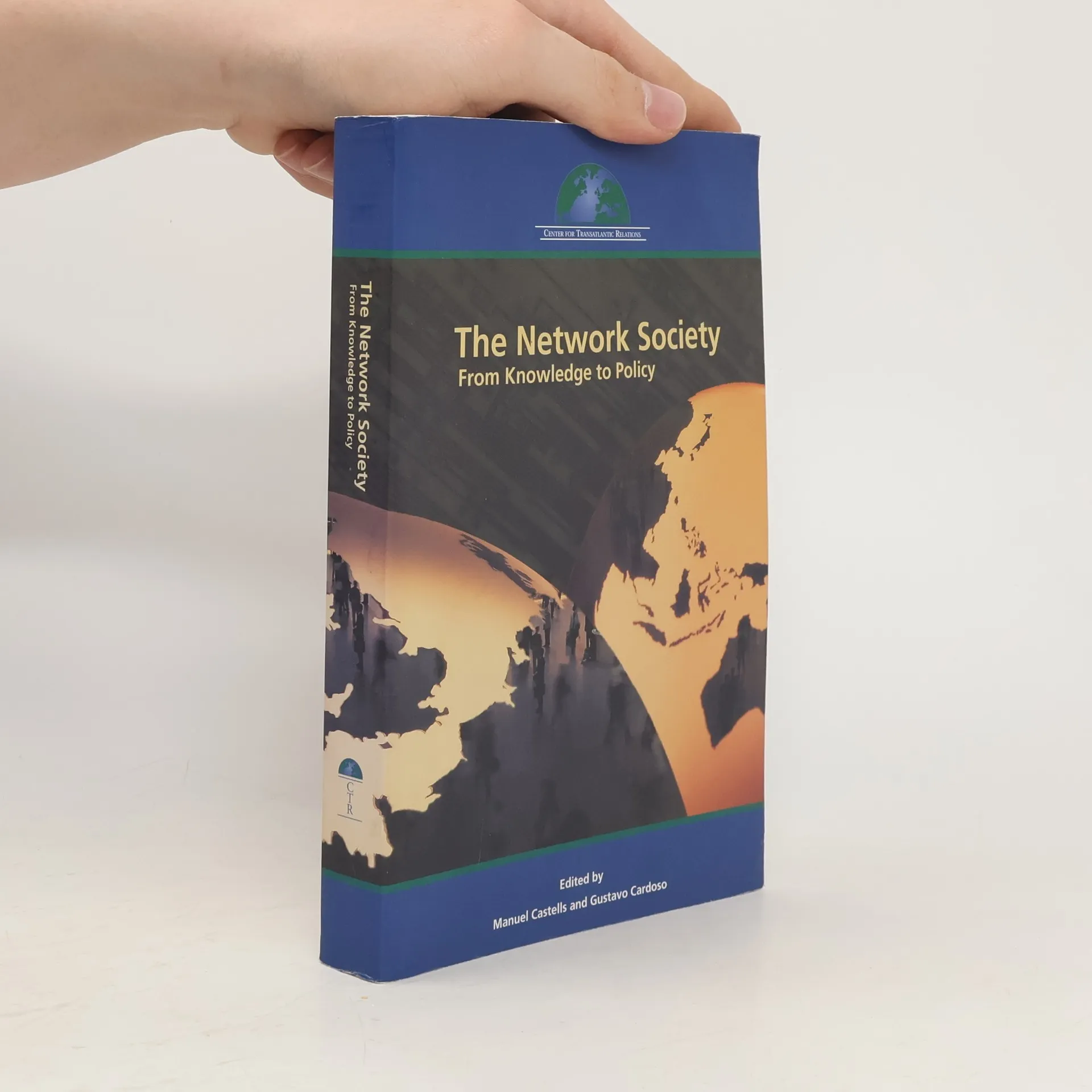
    • The Network Society

      From Knowledge to Policy

      • 468bladzijden
      • 17 uur lezen

      This volume explores the patterns and dynamics of the network society in its policy dimension, ranging from the knowledge economic, based in technology and innovation, to the organizational reform and modernization in the public sector, focusing also the media and communication policies. The Network Society is our society, a society made of individuals, businesses and state operating from the local, national and into the international arena.

      The Network Society
    • Der Aufstieg der Netzwerkgesellschaft

      Teil 1 der Trilogie Das Informationszeitalter

      4,0(1)Tarief

      Der Band, den Sie in Händen halten, ist eine erheblich veränderte Fassung die ses Buches, das ursprünglich im November 1996 erschienen ist. Die gegenwär tige Version wurde im zweiten Halbjahr 1999 ausgearbeitet und geschrieben. Sie setzt sich zum Ziel, die technologischen, wirtschaftlichen und gesellschaftli chen Entwicklungen einzubauen, die während der späten 1990er Jahre einge treten sind und insgesamt die Diagnose und Prognosen bestätigt haben, die ich in der ersten Ausgabe vorgelegt habe. Ich habe die zentralen, substanziellen Elemente der Gesamtanalyse nicht verändert: hauptsächlich, weil ich glaube, dass der Kern meiner Argumentation nach wie vor zutreffend ist, aber auch, weil alle Bücher Kinder ihrer Zeit sind und am Ende von der Entwicklung und von der Berichtigung der in ihnen enthaltenen Ideen überholt werden müssen, wenn die gesellschaftliche Erfahrung und die Forschung neue Informationen und neues Wissen hervorbringen. Außer der Aktualisierung eines Teils der In formationen habe ich ein paar Fehler korrigiert und versucht, die Argumentati on wo immer möglich klarer und überzeugender zu machen. Dabei waren mir viele Bemerkungen, Kritiken und Beiträge aus der ganzen Welt nützlich, die allgemein in konstruktiver und kooperativer Weise vorge bracht wurden. Ich kann dem Reichtum der Debatte, die dieses Buch zu meiner großen Überraschung ausgelöst hat, nicht gerecht werden.

      Der Aufstieg der Netzwerkgesellschaft
    • Die Internet-Galaxie

      Internet, Wirtschaft und Gesellschaft

      • 276bladzijden
      • 10 uur lezen

      Manuel Castells gilt als Pionier in der Analyse des Informationszeitalters und der Netzwerkgesellschaft. Er beleuchtet die Wechselwirkungen zwischen digitalen Entwicklungen und sozialen Veränderungen und zeigt auf, wie die digitale Revolution die gesellschaftlichen Strukturen und Interaktionen transformiert. Seine Erkenntnisse bieten einen tiefen Einblick in die Dynamik der modernen Welt und die Herausforderungen, die mit der fortschreitenden Vernetzung einhergehen.

      Die Internet-Galaxie