

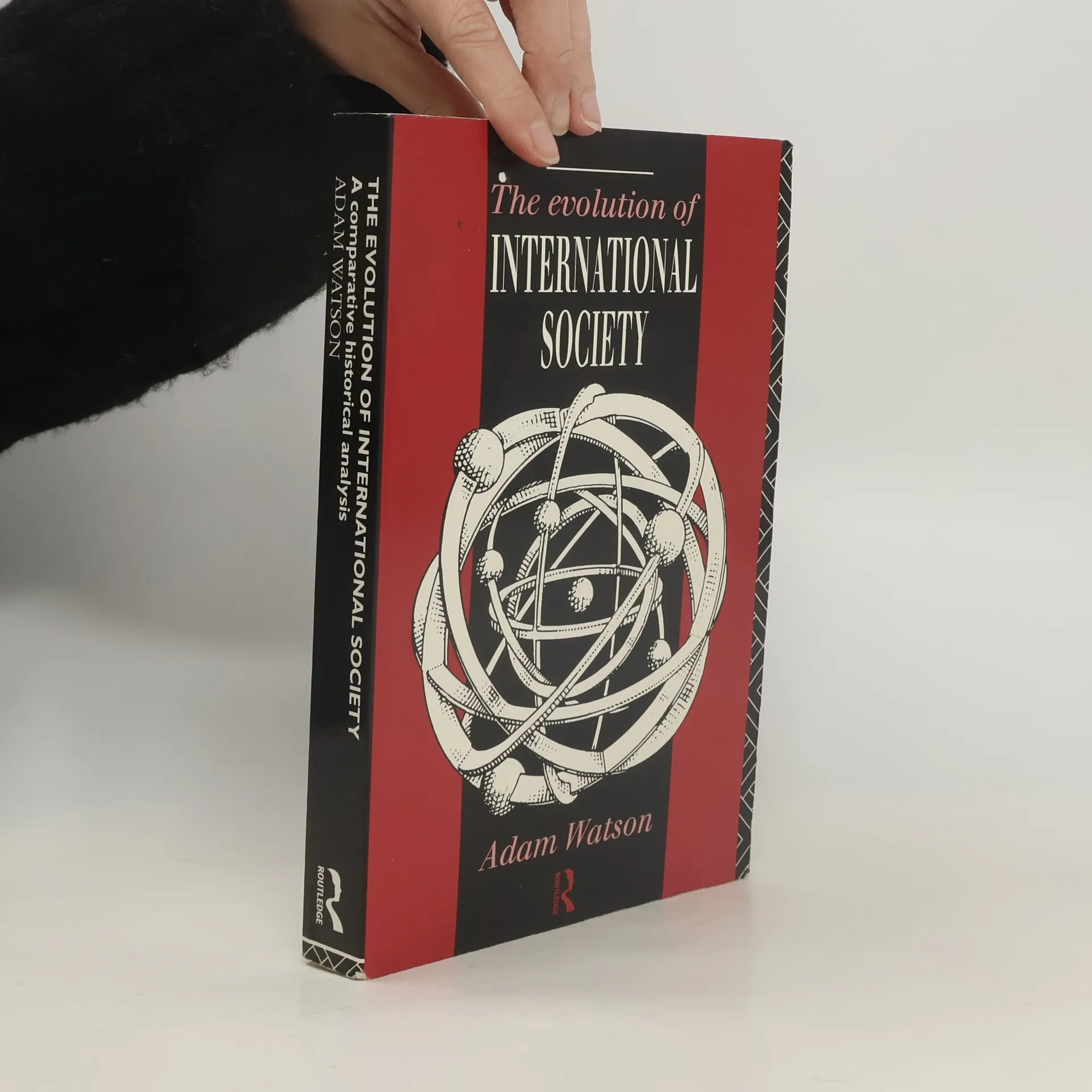
In this uniquely comprehensive historical study, Adam Watson draws on a lifetime of research and diplomatic experience to explain how international societies function. He examines the systems of ancient states, from Sumer through India, China, Greece, Rome, and Islam, and conducts an in-depth analysis of the worldwide contemporary society which developed from them. The Evolution of International Society describes and compares the changing rules and practices of ancient systems, showing their development within a spectrum ranging from loose international societies of many independent states ordered by some degree of hegemony, to tighter imperial systems tempered by some measure of autonomy. The book demonstrates in convincing detail that political entities have usually co-existed, not in an anarchic state of nature, but organized by agreed rules and practices that derive substantially from past experience. The author also shows that our present international society, although distinct, is only the latest in a series. Lucidly and straightforwardly written, with a strong emphasis on practice, the book makes a major contribution to international theory and to our understanding of international relations.
Adam Watson Volgorde van de boeken (chronologisch)
Deze auteur, toegewijd aan schrijven sinds zijn 21e, toen zijn eerste toneelstuk in première ging, houdt zich zowel bezig met dramatische als prozaïsche composities. Zijn werk kenmerkt zich door een eclectische aanpak en een onderscheidende stem. Zelfs wanneer hij niet bezig is met het geven van Engelse les op de middelbare school, blijft hij met enthousiasme zijn literaire stukken creëren.
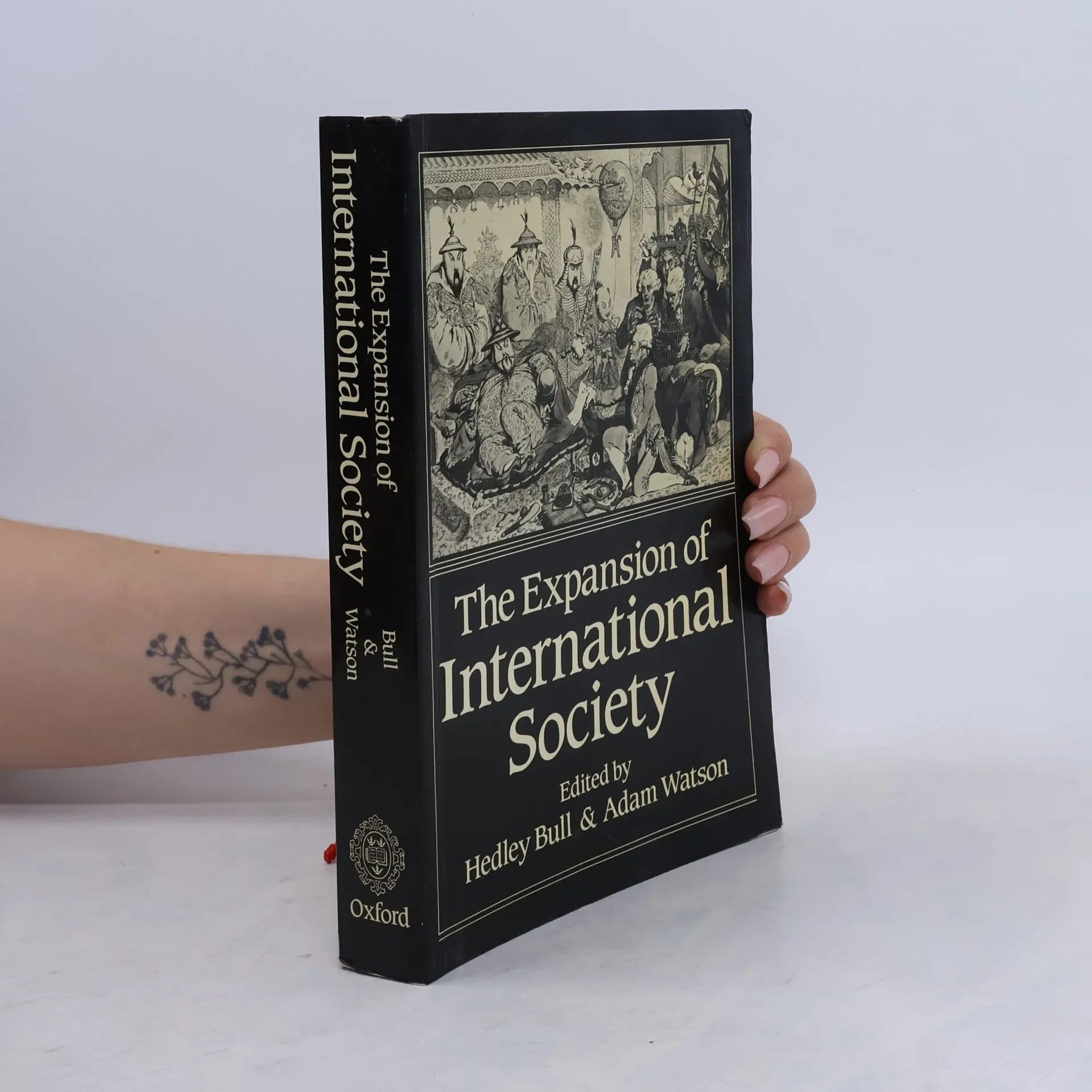
The Expansion of International Society
- 479bladzijden
- 17 uur lezen
The work of a study group of distinguished scholars, this book is a systematic investigation of the origins and nature of the international society today. The first section of the book describes the flood tide of European expansion that began in the 16th century and united the world for thefirst time in a single economic strategic, and political unit. The second section analyzes the process whereby the non-European states came to take their place as members of the same society, while the third section examines the repudiation of European, Russian, and American domination by statesand peoples of the Third World, and the subsequent transition from a system based on European hegemony to one that is not. The book concludes with a discussion of the international order that has emerged from the ebb tide of European dominance.
The Origins of History
- 256bladzijden
- 9 uur lezen
A distillation of the thought and research to which Herbert Butterfield devoted the last twenty years of his life to, this book, originally published in 1981, traces how differently people understood the relevance of their past and its connection with their religion. It examines ancient Egypt and Mesopotamia; the political perceptiveness of the Hittites; the Jewish sense of God in history, of promise and fulfilment; the classical achievement of scientific history; and the unique Chinese tradition of historical writing. The author explains the problems of the early Christians in relating their traditions of Jesus to their life and faith and the emergence, when Christianity became the religion of the Roman Empire, of a new historical understanding. The book then charts the gradual growth of a sceptical approach to recorded authority in Islam and Western Europe, the reconstruction of the past by deductive analysis of the surviving evidence and the secularisation of the eighteenth century.