Intimiteit
- 109bladzijden
- 4 uur lezen
Een man overdenkt zijn besluit om zijn vrouw en zonen te verlaten om een nieuw leven te beginnen.

3,6


Hanif Kureishi wordt geprezen om zijn scherpe verkenningen van identiteit, seksualiteit en culturele botsingen, waarbij hij zich vaak richt op het leven van jongeren die navigeren in de ruimtes tussen de Britse en Aziatische culturen. Zijn proza wordt gekenmerkt door een rauwe eerlijkheid en een scherpe sociale kritiek die de complexiteit van het moderne leven ontleedt. Kureishi verweeft meesterlijk persoonlijke ervaringen met bredere maatschappelijke thema's, waarmee hij werken creëert die zowel provocerend als diep menselijk zijn. Zijn schrijven weerspiegelt zijn unieke perspectief als zoon van een Pakistaanse vader en een Engelse moeder, opgegroeid in Londen.




Een man overdenkt zijn besluit om zijn vrouw en zonen te verlaten om een nieuw leven te beginnen.
Een student van Pakistaanse afkomst komt door zijn liberale standpunten in conflict met zijn meer fundamentalistische omgeving in het Londen van 1989.
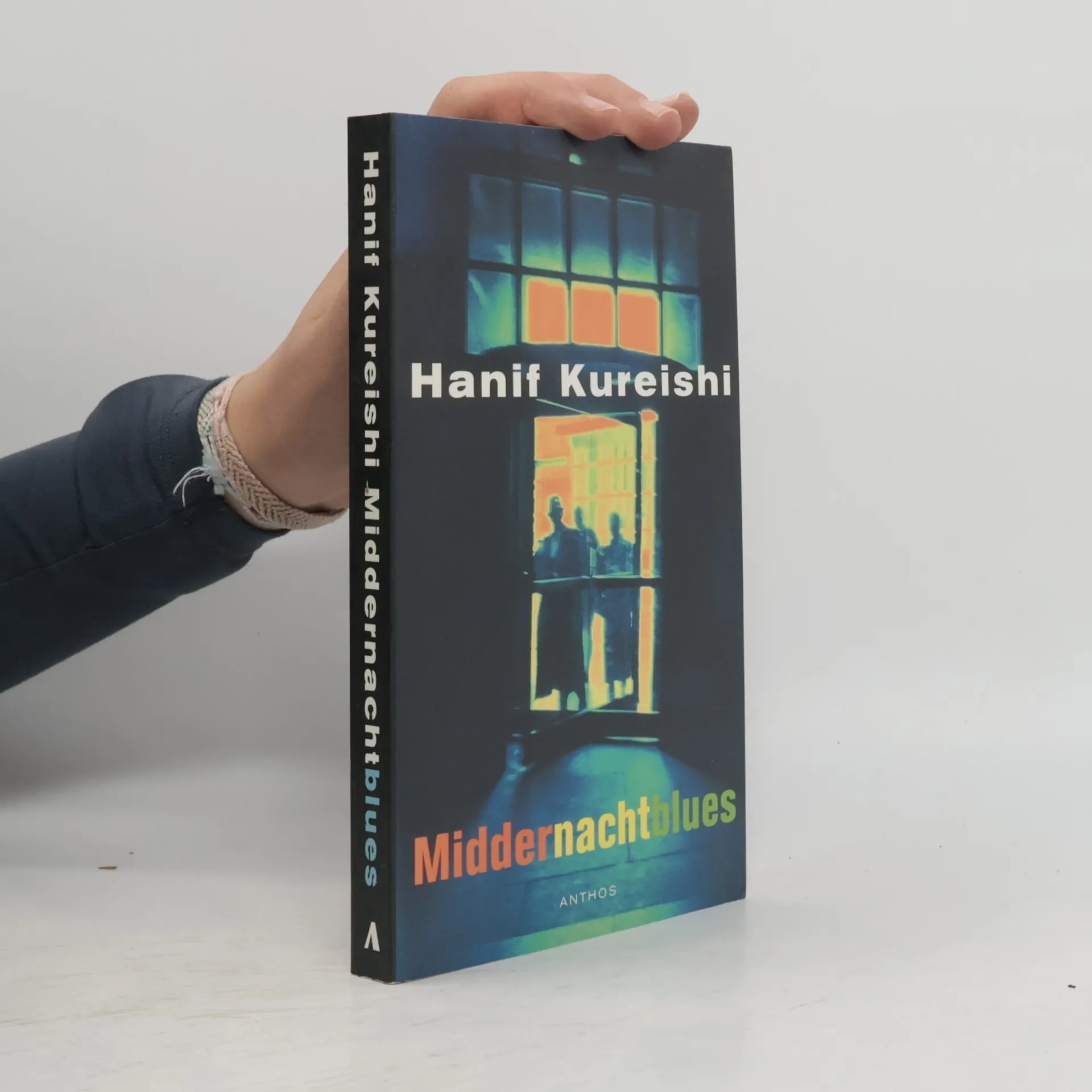
In Middernachtblues schets Kureishi de getroebleerde levens van dolende veertigers die de vastigheden in hun leven - geliefden, kinderen, huis en baan - opofferen uit verlangen naar een gelukkiger bestaan. Ze ontdoen zich van hun harnas omdat de kunst roept, een nieuwe liefde zich aandient of omdat een mens nu eenmaal verandert. Aarzelend gaan ze door het leven, geplaagd door schuldgevoel en twijfel over wat ze achterlaten. En altijd is daar weer die prangende vraag: aan wie zijn we loyaliteit verschuldigd ? Aan onze ouders, geliefden, vrienden, kinderen, dromen en idealen, of aan onszelf ?
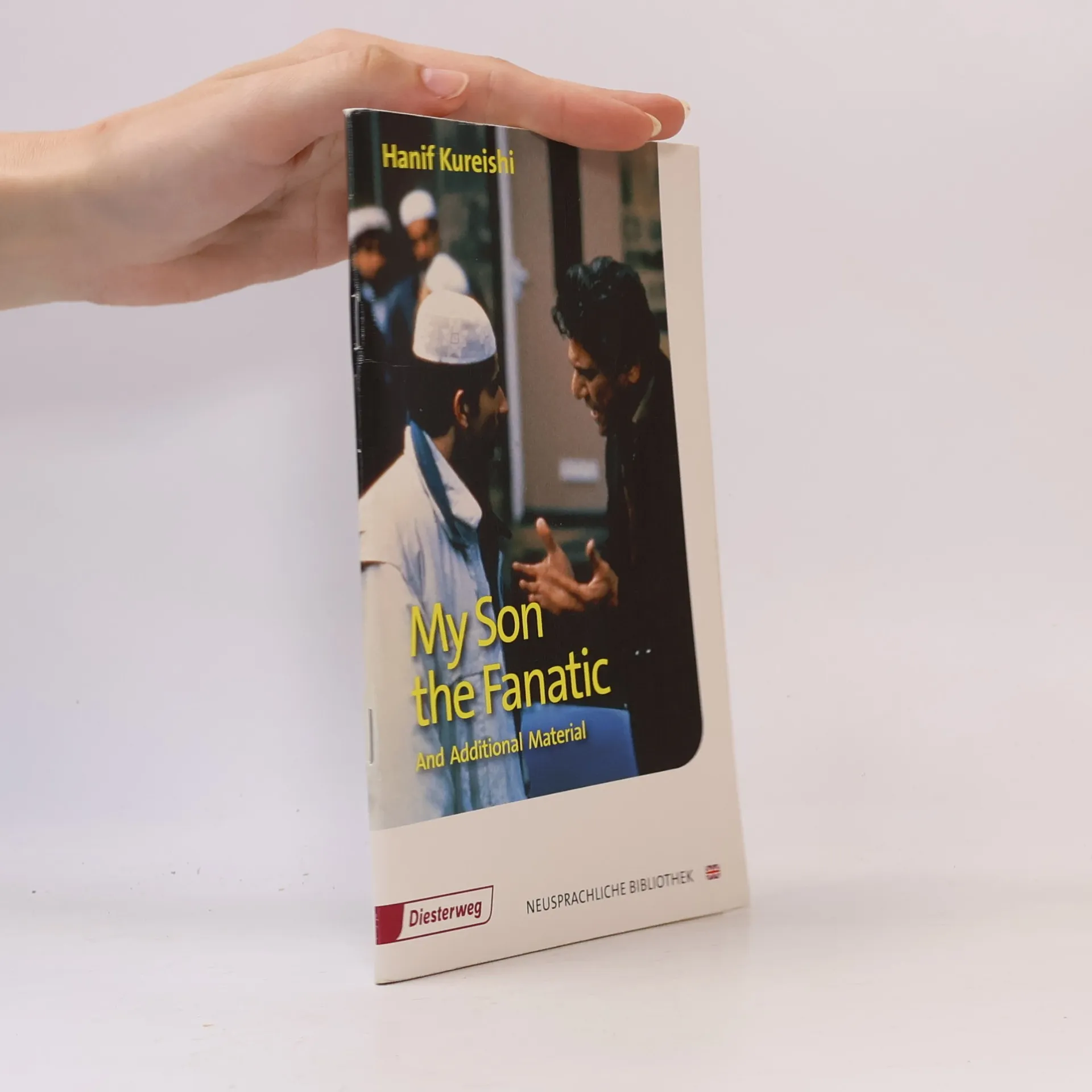
Hanif Kureishi, selber in einem pakistanisch-englischen Elternhaus geboren, schildert in 'My Son the Fanatic' den bis zum totalen Zerwürfnis führenden Konflikt zwischen dem aus Pakistan stammenden Vater Parvez und seinem Sohn Farid. Der Sohn, der als Sittenwächter auftritt, wirft dem liberal gesinnten Vater Unmoral und Prinzipienlosigkeit vor. Farids Rebellion gegen die westliche Wertewelt lässt ihn zum Fundamentalisten werden. Ungekürzte und unbearbeitete Textausgabe in der Originalsprache, mit Übersetzungen schwieriger Wörter am Fuß jeder Seite, Nachwort und Literaturhinweisen.
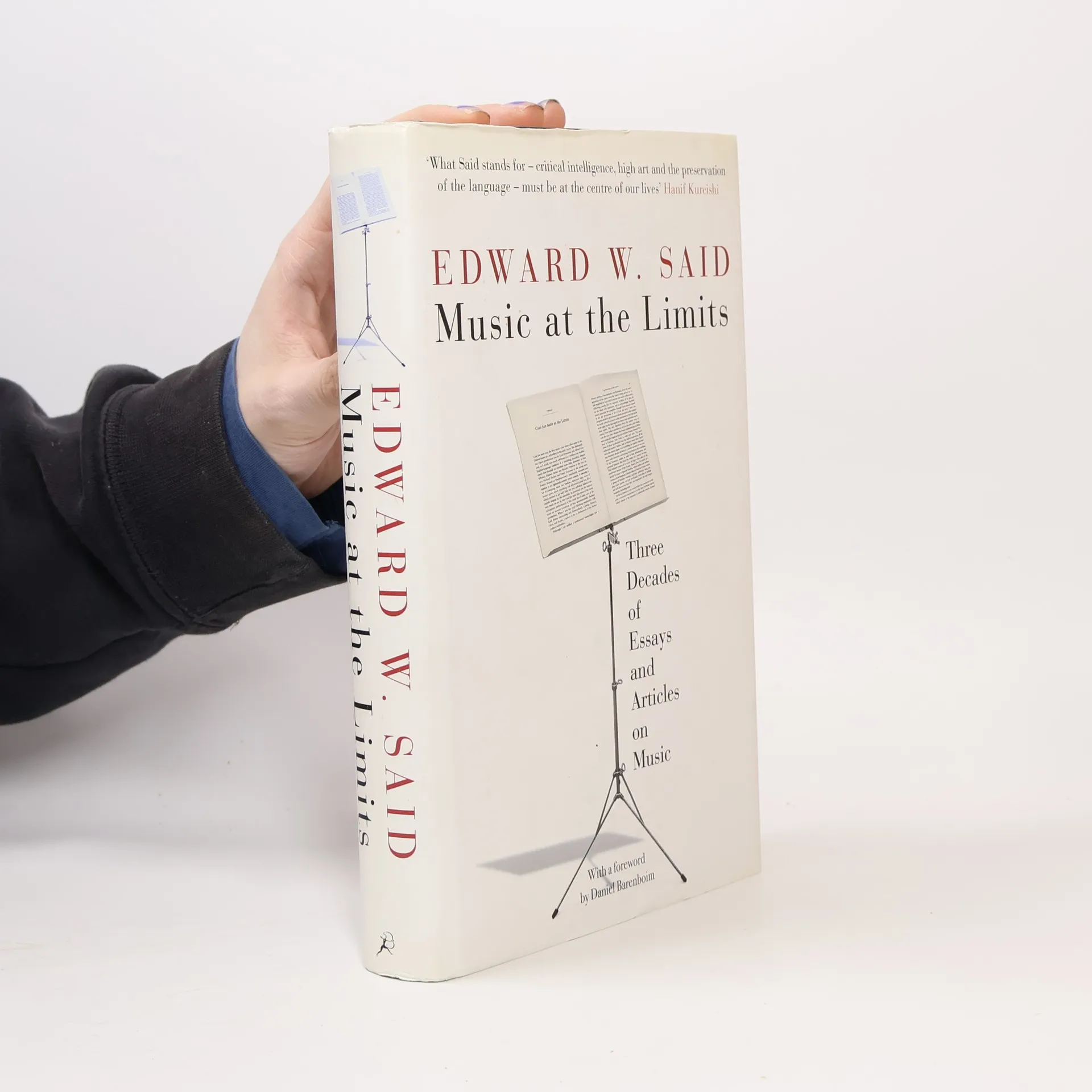
With a foreword by Daniel BarenboimMusic at the Limits is the first book to bring together three decades of Edward Said's essays and articles on music.
Hanif Kureishi was voted the Most Promising Playwright of the Year in 1981 by the London Theatre Critics for his plays "Borderline" and "Outskirts". This selection of plays shows his development as a writer from his own perspective and from the perspective of the British theatre of the 1970s.
'Kureishi's screenplay is one of his most focused and engaging since My Beautiful Laundrette.' Allan Hunter, Screen International At sixty-five years of age, May fears that life has passed her by - that she has become just another invisible old lady whose days are more or less numbered. When she and her husband travel down from the north to visit their grown-up children in west London, she finds them characteristically inattentive. But then her husband's unexpected death pulls the ground from under her, and she subsequently embarks on a passionate affair with Darren, a man half her age, who is renovating her son's house and sleeping with her daughter, Paula. In the midst of this tumultuous situation, May begins to understand that it can take a lifetime to feel truly alive.

Ed. and annoted by Michael Mitchell

The book is characterized by its blend of humor and emotional depth, showcasing remarkable storytelling that resonates with readers. It captures poignant moments while also delivering laughter, making it a compelling read that balances light-heartedness with significant themes. The narrative is crafted to evoke a range of emotions, leaving a lasting impression on its audience.
This acclaimed collection charts the course of Pop from its underground origins through its low and high art phases to its current omnipresence; it takes in fiction, reportage, fashion, art and fantasy as filtered through pop music and includes work by Michael Bracewell, Angela Carter, Nick Cohn, Bob Dylan, Simon Garfield, Nelson George, Germaine Greer, Peter Guralnick, John Lennon, Norman Mailer, Greil Marcus, Iggy Pop, Neil Tennant, Lou Reed, Simon Reynolds, Hunter S. Thompson, Nick Tosches, Andy Warhol, Tom Wolfe and Malcolm X, amongst others. Covering more than 50 years of writing from 1942 on, The Faber Book of Pop is the most stimulating collection of writing on popular music ever published.

A collection of short stories by Hanif Kureishi. It includes Weddings and Beheadings and My Son the Fanatic which exposes the religious tensions within the Muslim family unit.

Tells the story of a Pakistani woman who has begun a new life in Paris, an essay about the writing of author's acclaimed film Le Week-End, and an account of Kafka's relationship with his father, readers will find Kureishi also exploring the topics that he continues to make new, and make his own.

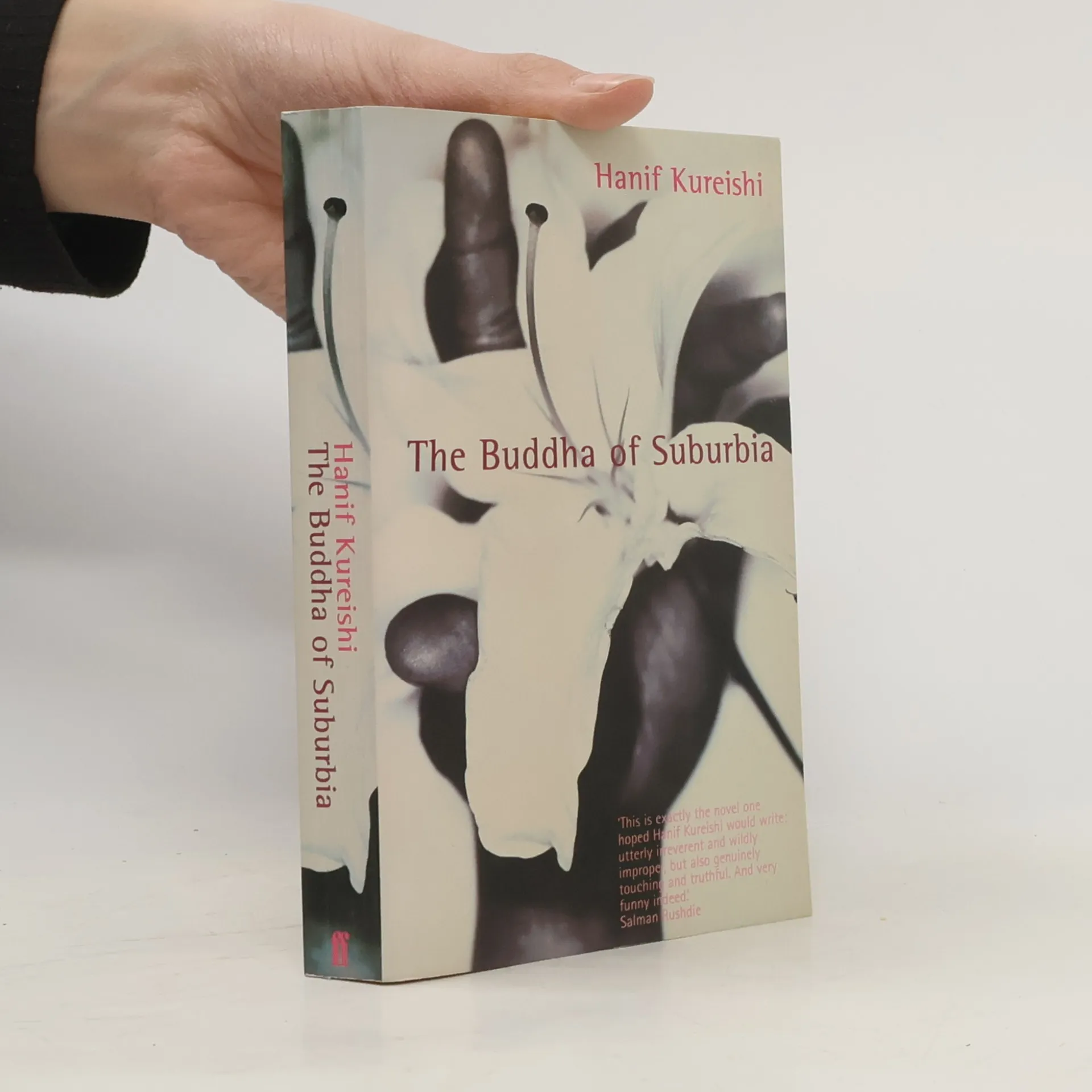
The winner of the Whitbread Best First Novel 1990, this is the story of Karim Amir, "an Englishman born and bred - almost", who lives with his English mother and Indian father in the South London suburbs. It is written by the author of "My Beautiful Launderette" and "Sammy and Rosie Get Laid".
The outbreak of the Iraq war and its aftermath, plus the bombings in London, have stimulated Hanif Kureishi to write about the great divide between the East and the West - the gulf between fundamentalist Islam and Western values. This book is a collection of his controversial writings.

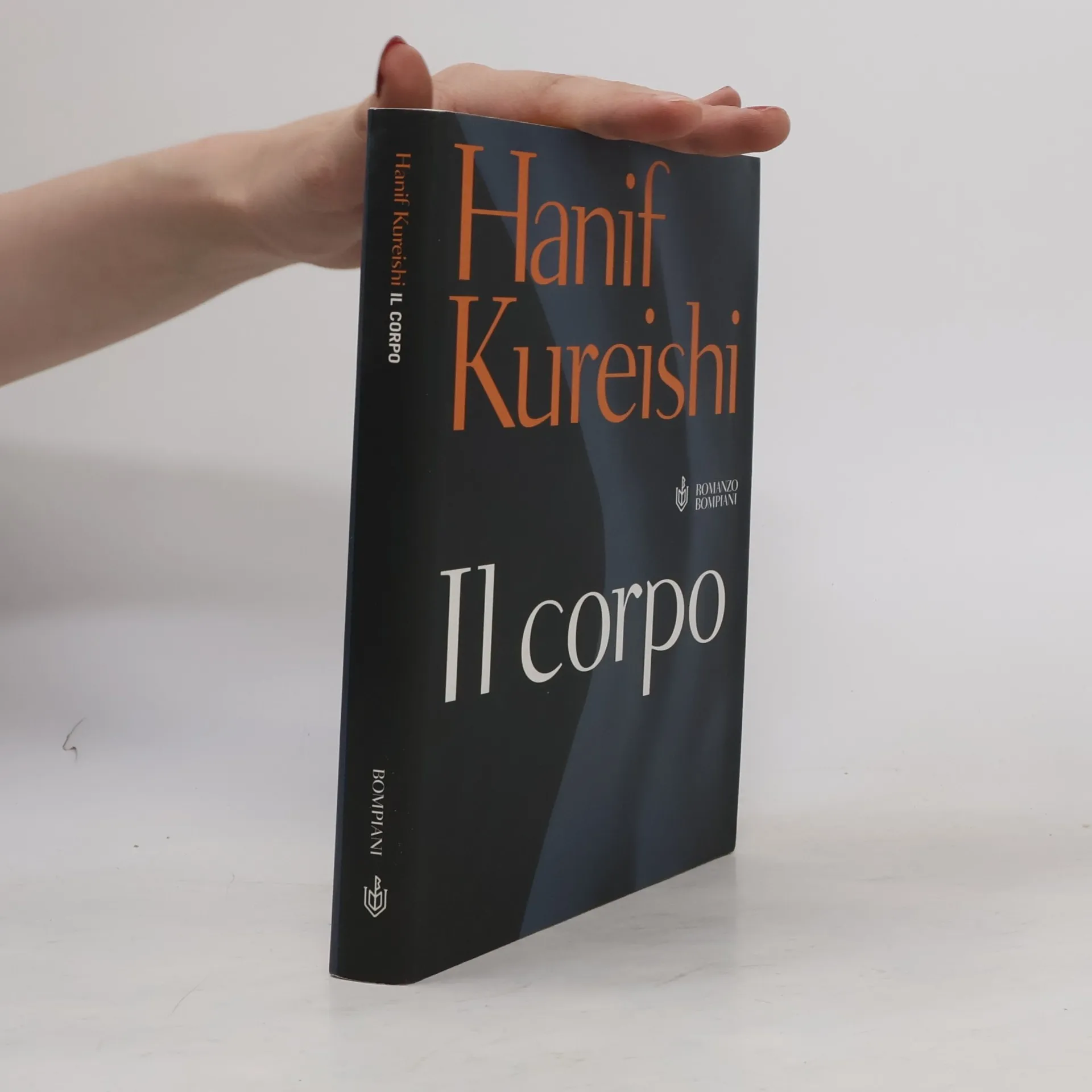
What if you were middle-aged and were offered the chance to trade in your sagging flesh for a much younger and more pleasing model? This is the situation in which the main character of The Body finds himself. Taking the plunge, he embarks on an odyssey of hedonism, but soon finds himself regretting what he has left behind as the responsibilities he thought he had sloughed off now begin to come home to him. Sinister forces are pursuing him, wanting possession of his 'body', and he finds himself in a no-man's-land, uncertain which way to turn. Praise for Hanif Kureishi's previous collection, Midnight All Day:

'Hanif Kureishi's literary memoir explores his relationship with his father, a failed writer. Kurieshi is, of course, hugely successful...' Esquire'This is an ambitious book. Kureshi - free-associating with what feels like unmitigated honesty - successfully conveys the impression that in this book he has actually given us himself.' Sunday Times'Deeply involving, highly intelligent and, in what it doesn't say rather than what it does, profoundly sad.' Evening Standard'I don't think he has done anything as good, in any medium, as this moving and fiercely honest book.' Guardian

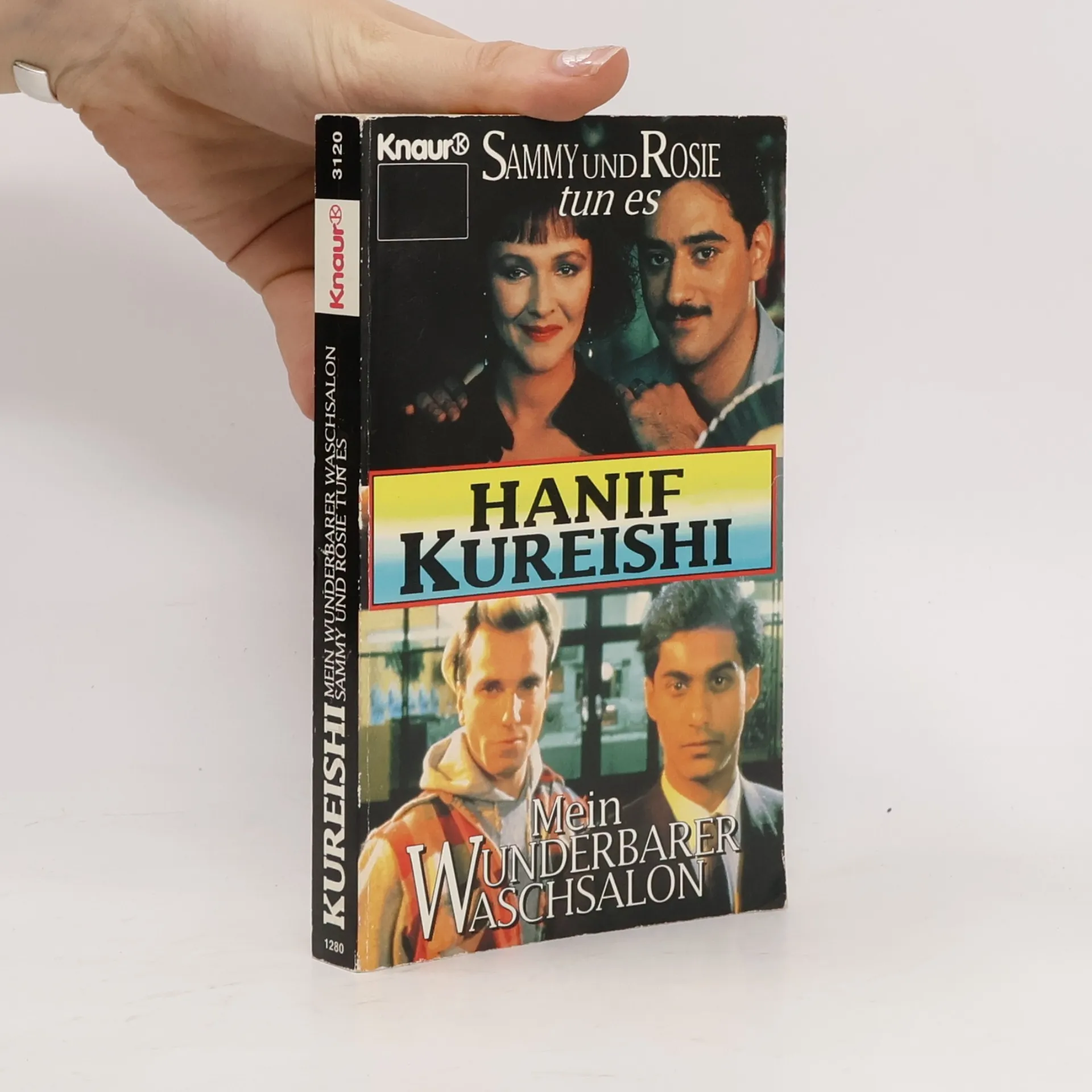
Seit Stephen Frears 1985 die Geschichte „über einen schwulen Pakistani, der einen Waschsalon betreibt“, verfilmte, gilt Kureishi als einer der wichtigsten multikulturellen Autoren Großbritanniens. Die Themen Rassenkonflikte, Homosexualität, Klassenschranken, soziale Gegensätze, Jugendarbeitslosigkeit und das vom Thatcherismus gepredigte Streben nach wirtschaft- lichem Erfolg werden innerhalb einer bewegenden Liebesgeschichte unaufdringlich, charmant und fern jeder Schwarzweißmalerei dargestellt. Ungekürzte und unbearbeitete Textausgabe in der Originalsprache, mit Übersetzungen schwieriger Wörter am Fuß jeder Seite, Nachwort und Literaturhinweisen. Sprachen: Deutsch, Englisch

Performing a deft metaphorical evisceration of Sigmund Freud’s classic 1919 essay that delved deeply into the tradition of horror writing, this freshly contemporary collection of literary interpretations reintroduces to the world Freud’s compelling theory of das unheimliche —or, the uncanny. Specifically designed to challenge the creative boundaries of some of the most famed and respected horror writers working today—such as A. S. Byatt, Christopher Priest, Hanif Kureishi, Frank Cottrell Boyce, Matthew Holness, and the indomitable Ramsey Campbell—this anatomically precise experiment encapsulates what the uncanny represents in the 21st century. Masterfully narrated with the benefit of unique perspectives on what exactly it is that goes bump in the night, this chilling modern collective is not only an essential read for fans of horror but also an insightful and intriguing introduction to the greats of the genre at their gruesome best.
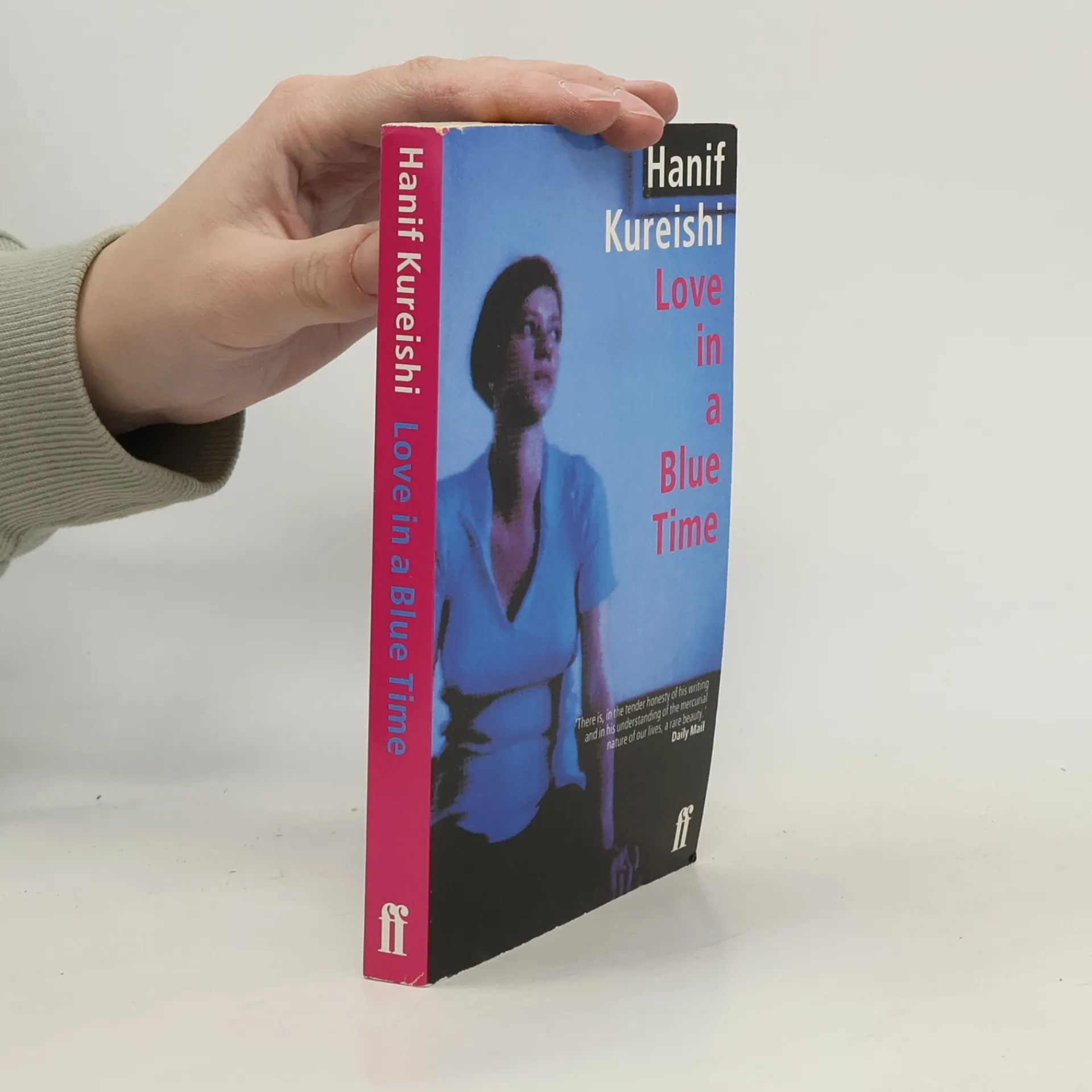
Love in a Blue Time is Hanif Kureishi's first collection of short fiction, gathering ten stories that explore identity and its relationship to sexuality, ethnicity, and gender. The stories are set in the post-Thatcher Britain of the mid-1990s, presenting a vision of a London depressed by economic stagnation, social disintegration, and the ubiquity of mass-mediated culture. Although Kureishi's exploration of these themes is rooted in a specific space and time, his book has broader resonances. Its exploration of the radicalization of Muslim youth in Britain became particularly pertinent after September 11, 2001, and the subsequent wars in Afghanistan and Iraq. Its treatment of relationships would be developed in Kureishi's later work, notably his controversial 1998 novella Intimacy.
As he and his best friend Henry attempt to make the sometimes painful, sometimes comic transition to their divorced middle age, balancing the conflicts of desire and dignity, Jamal's teenage traumas make a shocking return into his present life.

Gabriel's father, a washed-up rock musician, has been chucked out of the house. His mother works nights in a pub and sleeps days. Navigating his way through the shattered world of his parents' generation, Gabriel dreams of being an artist. He finds solace and guidance through a mysterious connection to his deceased twin brother, Archie, and his own knack for producing real objects simply by drawing them. A chance visit with mega-millionaire rock star Lester Jones, his father's former band mate, provides Gabriel with the means to heal the rift within his family. Kureishi portrays Gabriel's naive hope and artistic aspirations with the same insight and searing honesty that he brought to the Indian-Anglo experience in The Buddha of Suburbia and to infidelity in Intimacy. Gabriel's Gift is a humorous and tender meditation on failure, redemption, the nature of talent, the power of imagination--and a generation that never wanted to grow up, seen through the eyes of their children.

Hanif Kureishi's short, sharp tale of revenge is diabolical fun Fiona Wilson The Times

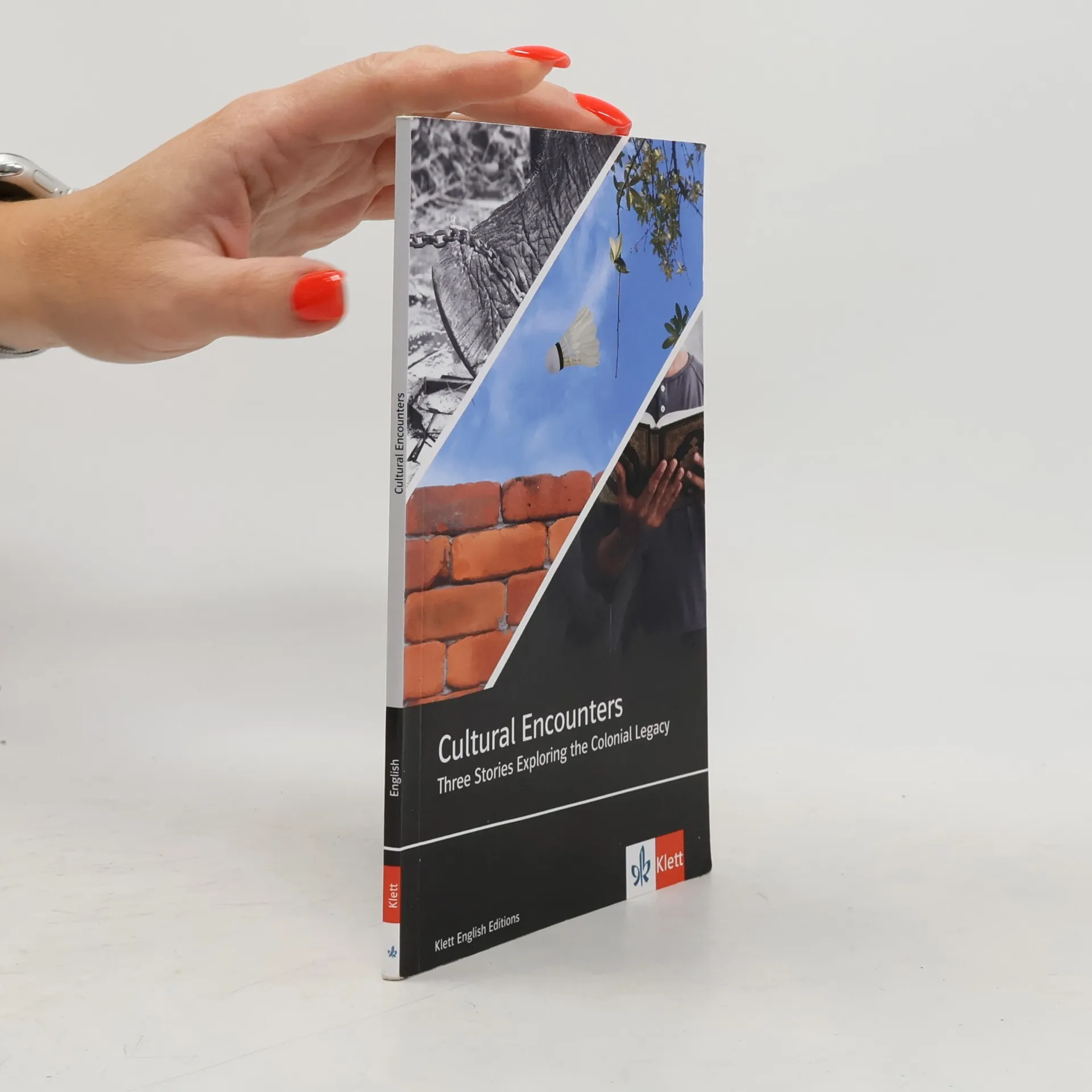
Three Stories Exploring the Colonial Legacy
Mamoon is an eminent Indian-born writer who has made a career in England - but now, in his early 70s, his reputation is fading, sales have dried up, and his new wife has expensive taste.Harry, a young writer, is commissioned to write a biography to revitalise both Mamoon's career and his bank balance. Harry greatly admires Mamoon's work and wants to uncover the truth of the artist's life. Harry's publisher seeks a more naked truth, a salacious tale of sex and scandal that will generate headlines. Meanwhile Mamoon himself is mining a different vein of truth altogether.Harry and Mamoon find themselves in a battle of wills, but which of them will have the last word?The ensuing struggle for dominance raises issues of love and desire, loyalty and betrayal, and the frailties of age versus the recklessness of youth.Hanif Kureishi has created a tale brimming with youthful exuberance, as hilarious as it is touching, where words have the power to forge a world.
Beginning in the early 1980s with The Rainbow Sign, which was written as the Introduction to the screenplay of My Beautiful Laundrette, this book shows how flexible a form the essay can be.
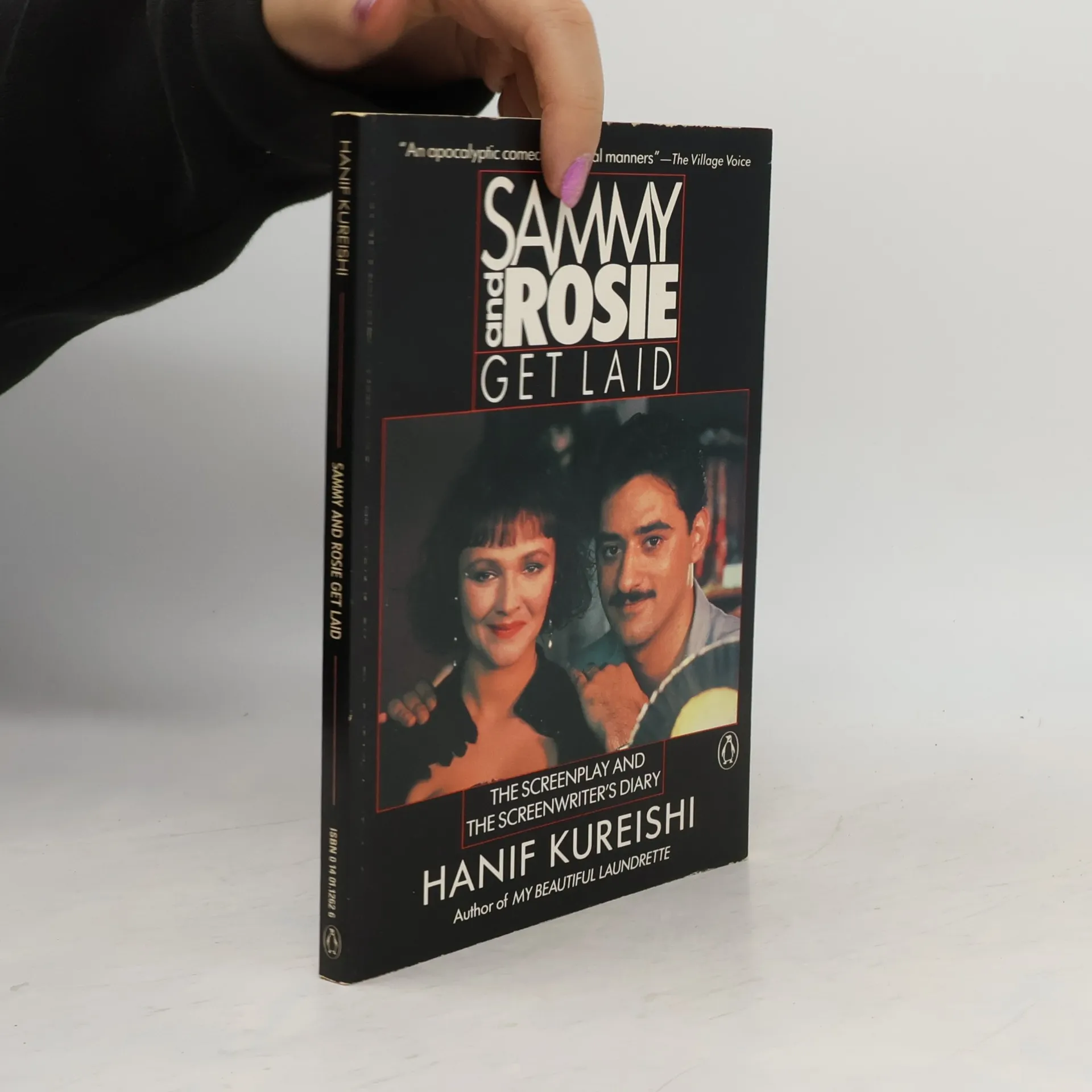
Provides the screenplay to a British motion picture that tells the story of a young interracial couple who face complications when Sammy's father, a Third World government official, flees to England with a suitcase full of money
Passend zum Schwerpunktthema "Post-colonialism and migration - Ethnic communities in 21st-century Britain" Warum entscheidet Ali, der Sohn eines pakistanischen Einwanderers, dem es mit einem lohnenden Beruf und einer englischen Freundin sehr gut geht, alles über Bord zu werfen, um ein muslimischer Fanatiker zu werden? In einer besonders gut verfassten Kurzgeschichte versucht Hanif Kureishi diese Frage zu beantworten. Dennoch ist die Frage auf keinen Fall einfach. Erstens ist Parvez, Alis Vater, kaum ein Vorbild für ihn. Er isst Schweinefleisch, trinkt Alkohol und ist Ehebrecher. Ali wirft ihm vor, dass er „zu sehr in westliche Gesellschaft verwickelt ist.“ Parvez weiß nicht mehr, was er mit seinem Sohn machen soll. Aus Frust tritt und schlägt er ihn. „Wer ist denn jetzt der Fanatiker?“, fragt Ali. Die Lektüre enthält fundierte Lesehilfen, ausführliche Annotationen und zahlreiche Zusatzmaterialien.


Novela jedenatřicetiletého autora zavádí do lázeňského městečka kavkazského černomořského pobřeží. Dva muži protichůdných životních stylů řeší zde soubojem spor vzniklý právě jen pro různý postoj k životu, přičemž oba neumějí střílet, uvědomují si absurdnost situace, a kdyžjim pomůže náhoda a nikomu se nic nestane, jsou rádi a vzájemně se omlouvají. Autor doslovu charakterizuje dílo jako "pokus o rozumnou možnost života".

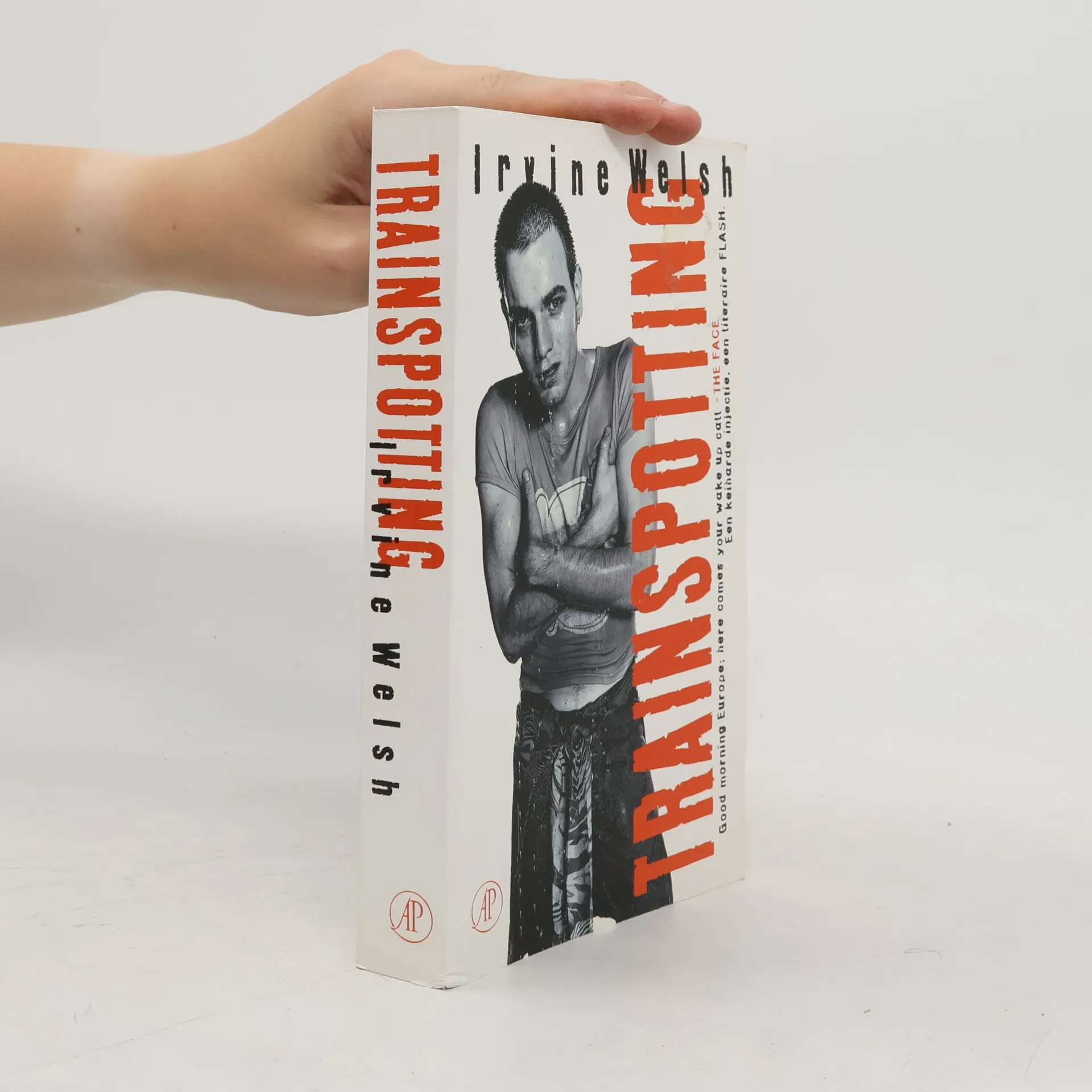
Beschrijving van het dagelijks leven van een heroïne-junkie in de achterbuurten van Edinburgh, de 'AIDS-hoofdstad van Europa'.
»Kraftvoll, erschütternd, absolut fesselnd. Es wird Ihre Sicht auf das Leben und die Liebe verändern.« Elif Shafak
Seit einem Sturz ist der britische Schriftsteller Hanif Kureishi vom Hals abwärts gelähmt. In diesem außergewöhnlichen Tagebuch erzählt er von seinem neuen Leben. »Kraftvoll, erschütternd, absolut fesselnd. Es wird Ihre Sicht auf das Leben und die Liebe verändern.« Elif Shafak »Vor ein paar Tagen ist in meinem Leben eine Bombe eingeschlagen.« So beginnt das außergewöhnliche Memoir des britischen Erfolgsautors Hanif Kureishi. Am zweiten Weihnachtsfeiertag 2022 wird Kureishi nach einem Spaziergang durch die Gärten der Villa Borghese in Rom schwindlig. Als er wieder zu sich kommt, kann er seine Arme und Beine nicht mehr bewegen. Er vermag fortan nichts mehr ohne die Hilfe anderer zu tun. Und zugleich arbeitet sein Geist auf Hochtouren: Tagtäglich diktiert er seiner Familie Geschichten ins iPad. Voller Witz, Galgenhumor und zugleich berührender Leichtigkeit. Über sein neues und sein altes Leben. Über seine Kindheit als Sohn eines pakistanischen Einwanderers in London. Über den zunehmenden Fanatismus in der Welt und seine Freundschaft mit Salman Rushdie. Kluge, rebellische, berührende Botschaften, mit denen Hanif Kureishi beweist, dass er zurecht zu den originellsten, unerschrockensten und wichtigsten literarischen Stimmen seines Landes zählt. »Eine weitere beschissene Nacht. Ich kann meine Arme und Beine nicht bewegen, und es hat mich auch niemand gehört. Eine gute Gelegenheit also, um über das Leben nachzudenken.«
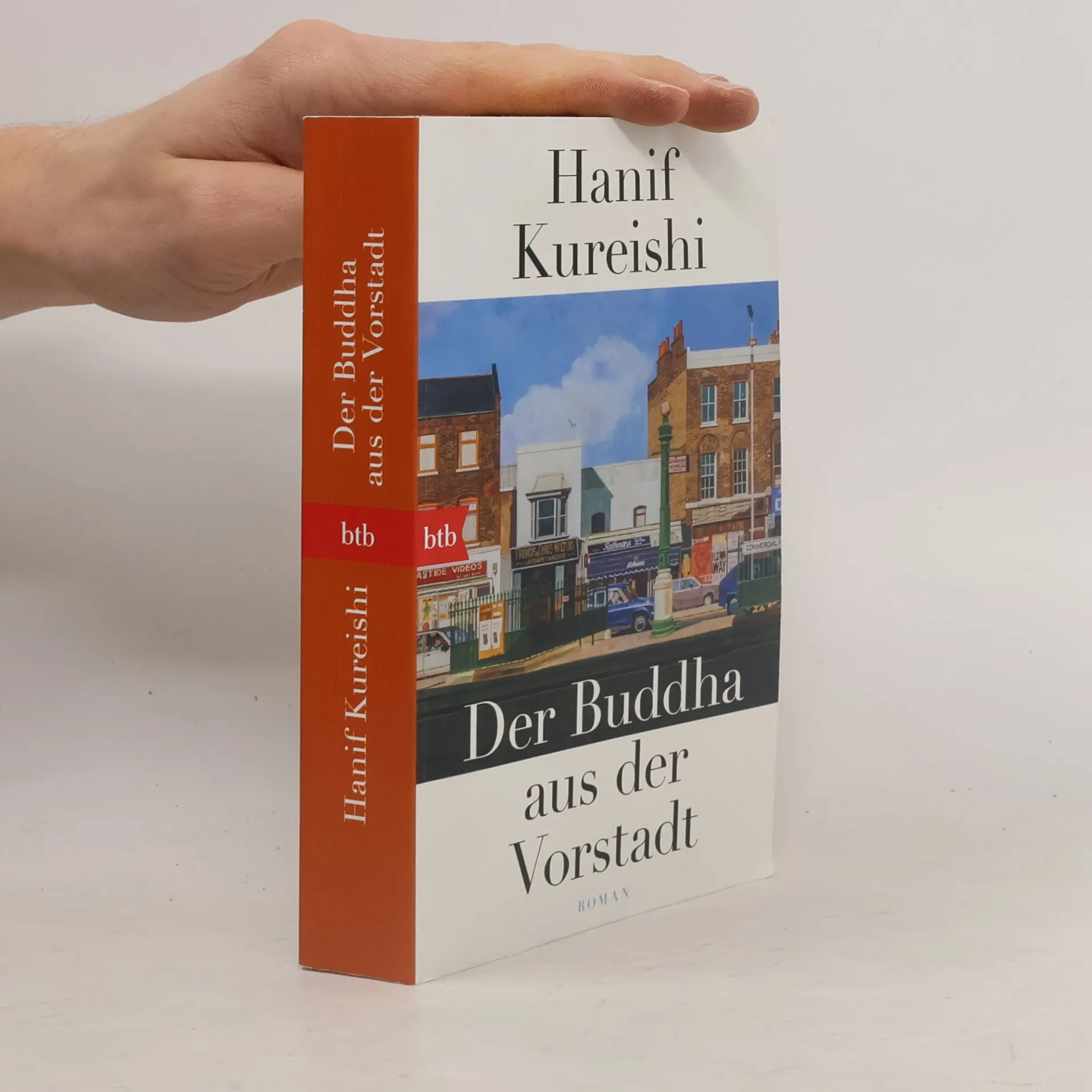
Das Kultbuch des britischen Erfolgsautors Hanif Kureishi – erstmals bei btb im Taschenbuch. Ausgezeichnet mit dem Whitbread Book Award. »Kureishis brillanter Debütroman ist sein Meisterwerk. Solch einen frechen, libidinösen, jungen britisch-pakistanischen Protagonisten hat es in der zeitgenössischen britischen Belletristik noch nicht gegeben.« The Guardian »Ich wusste, was ich wollte. Ich war zwanzig Jahre alt. Ich war zu allem bereit.« Karim ist der Sohn einer Engländerin und eines indischen Emigranten, was seinen Alltag in den spießigen Suburbs von London nicht wirklich einfacher macht. Doch dann überschlagen sich die Ereignisse. Kurz nachdem sein Vater sich selbst zum Vorstadt-Buddha berufen hat, wird Karim ein Platz in einer Schauspieltruppe angeboten - und plötzlich nimmt sein Leben im London der späten Siebziger ungeahnte Wendungen ...

"Mi chiamo Karim Amir e sono un vero inglese, più o meno." Comincia così "Il Budda delle periferie", romanzo con il quale Hanif Kureishi esordiva nella narrativa nel 1990, dopo aver scritto le sceneggiature di "My beautiful Laundrette" e "Sammy and Rosie Get Laid" e dopo aver scritto e diretto "London Kills Me". Il libro è un racconto di formazione che narra le peripezie sentimentali e le avventure di vita di Karim, adolescente metà inglese e metà indiano nella periferia londinese degli anni Settanta.




Wie die Wahrheit über Gott Ihr Leben verändert