Three Faces of an Angel
- 344bladzijden
- 13 uur lezen
A captivating three-generational saga set in the twentieth century, beginning when time was linear and ending with a less well-defined notion of progress.





A captivating three-generational saga set in the twentieth century, beginning when time was linear and ending with a less well-defined notion of progress.
Historici hebben het weleens over de korte twintigste eeuw. Bij hen houdt de negentiende eeuw pas op in 1914, bij het uitbreken van de Grote Oorlog; omdat daarmee een echte breuk optrad met het tijdperk daarvoor. Maar de eeuw eindigt al met de val van het Sovjet-communisme, die inzette in 1989. Al kregen de Oostblok-landen toen ook pas kans om de erfenis van de Tweede Wereldoorlog te verwerken. Polen bijvoorbeeld is nog niet eens zo ver. Omdat de Tweede Wereldoorlog mede ontstond uit de frustraties over de afwikkeling van de Eerste, kan het best zijn dat historici over een paar eeuwen beide wereldbranden als éen groot conflict gaan zien. Visies op het verleden veranderen. Zoals de historicus Pieter Geyl zei: 'geschiedenis is een discussie zonder eind'. En gelukkig ook maar, voor de beoefenaars. Het boek geeft zowel feiten over de twintigste eeuw, als de soms belachelijk achterhaalde visie op die feiten van geleerden uit die periode. Misschien is dit bedoeld als tegenwicht, omdat de blik van de schrijver nogal grimmig uitpakt.
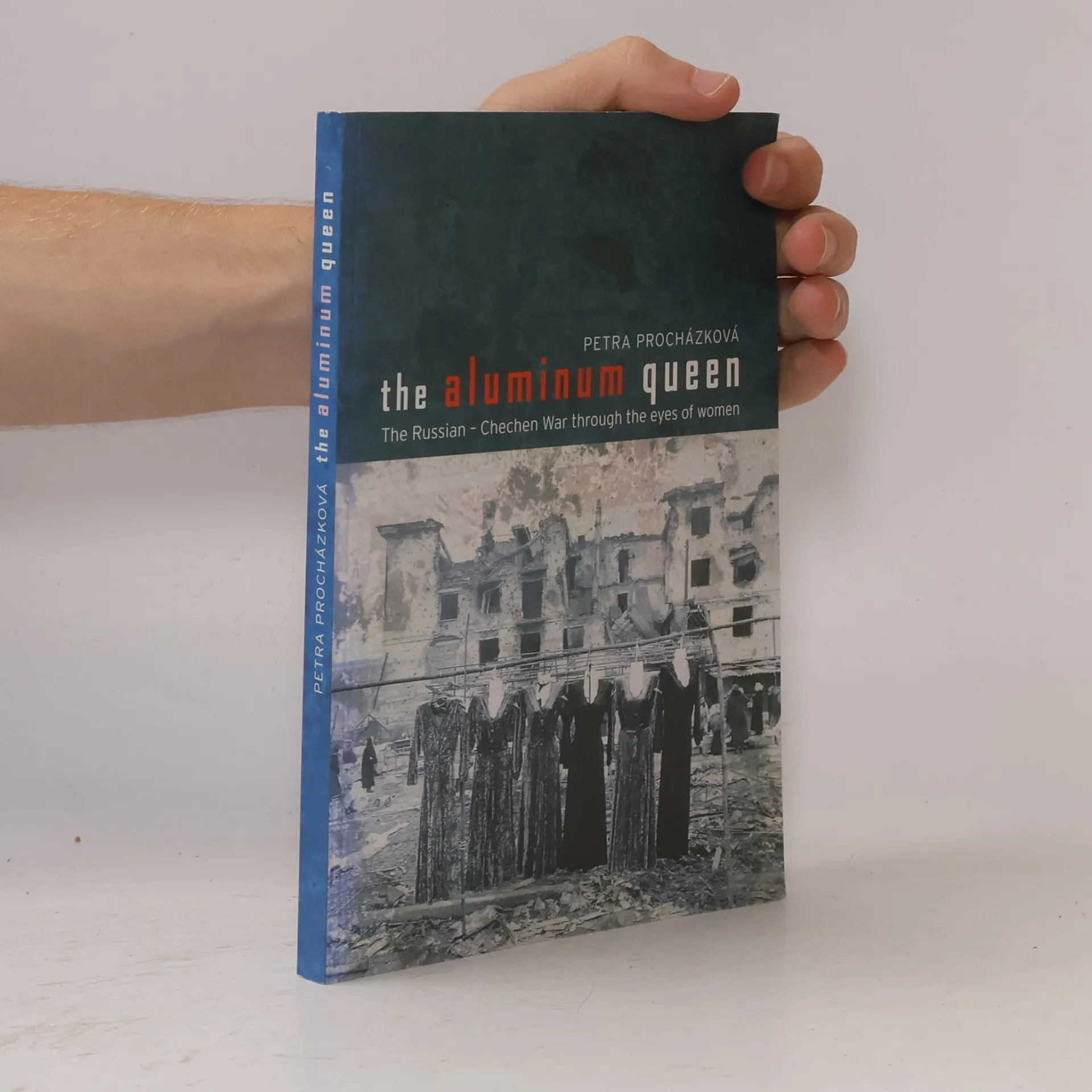
Kniha rozhovorů naší přední novinářky se šesti ženami o jejich pohledu na rusko-čečenskou válku.
Next to Vaclav Havel, Milan Šimečka was the most important, and most widely translated, dissident opposing Czechoslovakia's communist regime. Many of his essays and articles appeared in leading American and British periodicals during the 1970s and 80s, and his book, The Restoration of Order ( Verso, 1984), is considered a brilliant analysis of real socialism and the neo-Stalinist normalization policy instituted under Gustav Husak.Simecka was imprisoned from 1981-82 under Paragraph 98 of the Criminal Code ("Subversion of the Republic"). His smuggling his texts out of the country to be published abroad. The letters in this volume were written during his stay in prison. In them he was not allowed to mention politics, so he wrote about people, love, and human relations. The selection of letters presented here bear witness to his attitude to other people, to his imprisonment and the period in which he lived, as well as his personal philosophy. They contain philosophical reflections as well as practical advice to his sons and words of encouragement to his wife. Similar to Havel's Letters to Olga, Šimečka's Letters from Prison give us a glimpse into the difficult struggle undertaken by Czechoslovak dissidents in opposition to a Soviet-styled regime that was considered the most hard-line in Eastern Europe.
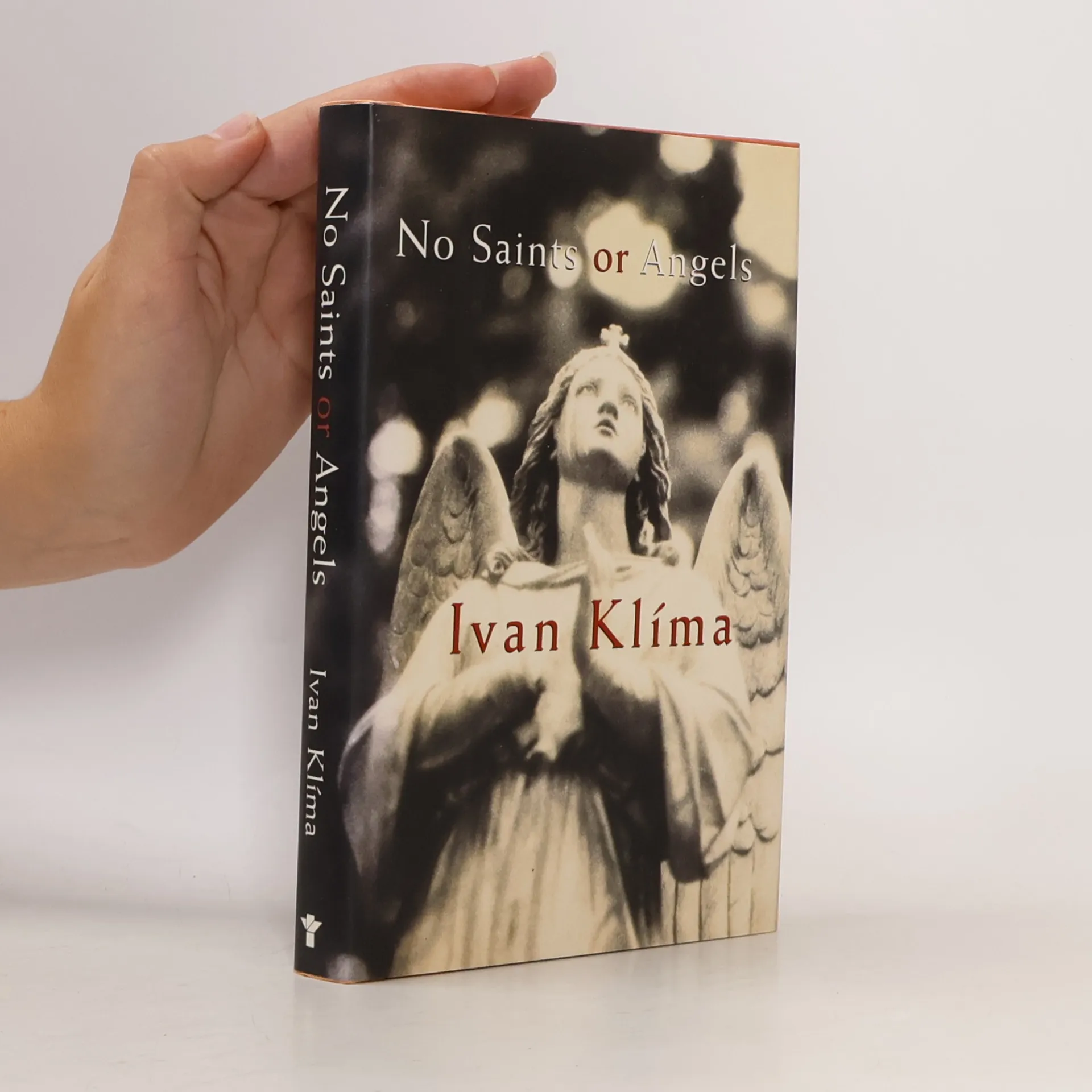
Ivan Klima has been acclaimed by The Boston Globe as "a literary gem who is too little appreciated in the West" and a "Czech master at the top of his game." Now Klima takes us into the heart of contemporary Prague, where the Communist People's Militia of the Stalinist era marches headlong into the drug culture of the present.Kristyna is in her forties, the divorced mother of a rebellious fifteen-year-old daughter, Jana. She is beginning to love a man fifteen years her junior, but her joy is clouded by worry -- Jana has been cutting school, and perhaps using heroin. Meanwhile Kristyna's mother has forced on her a huge box of personal papers left by her dead father, a tyrant whose Stalinist ideals she despised.