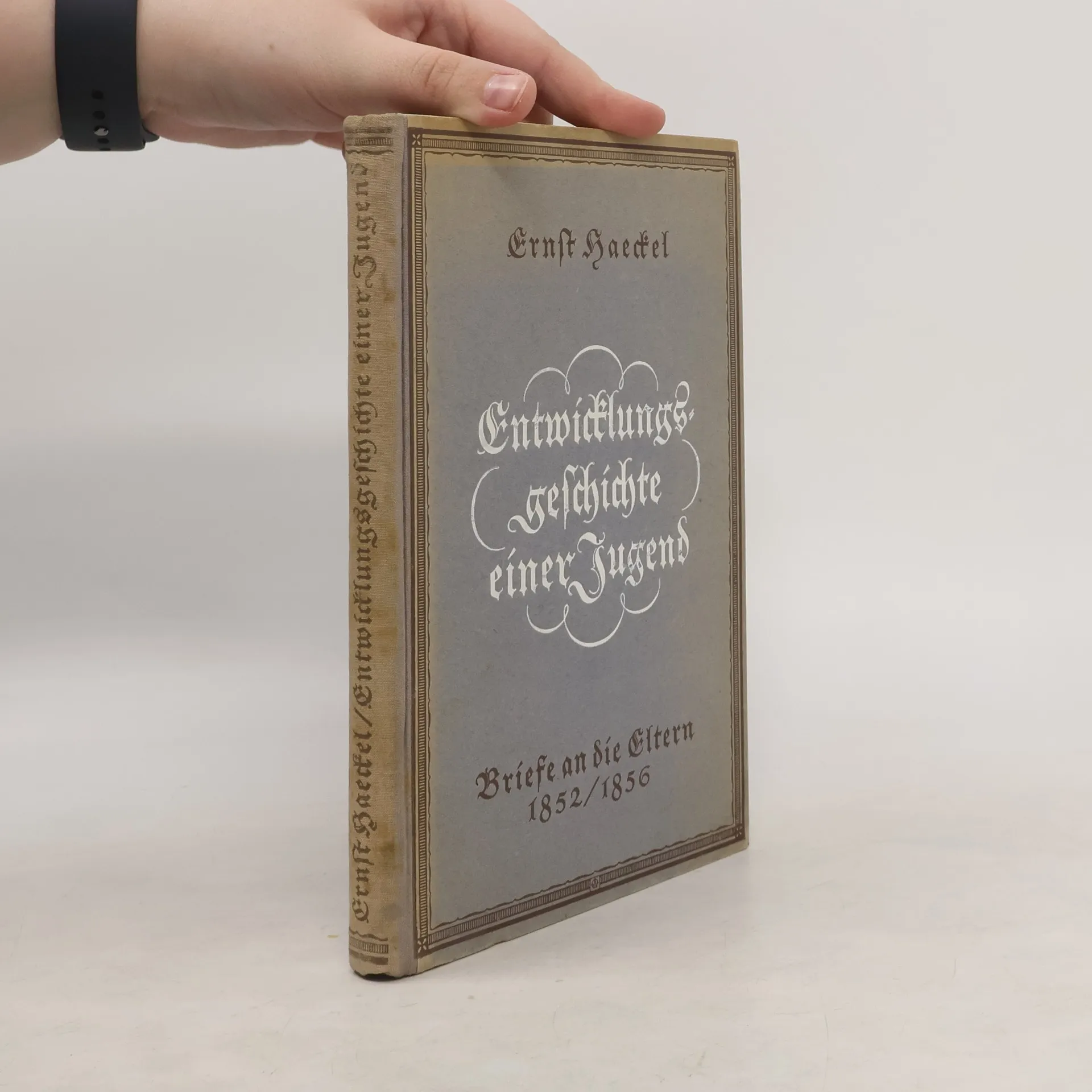
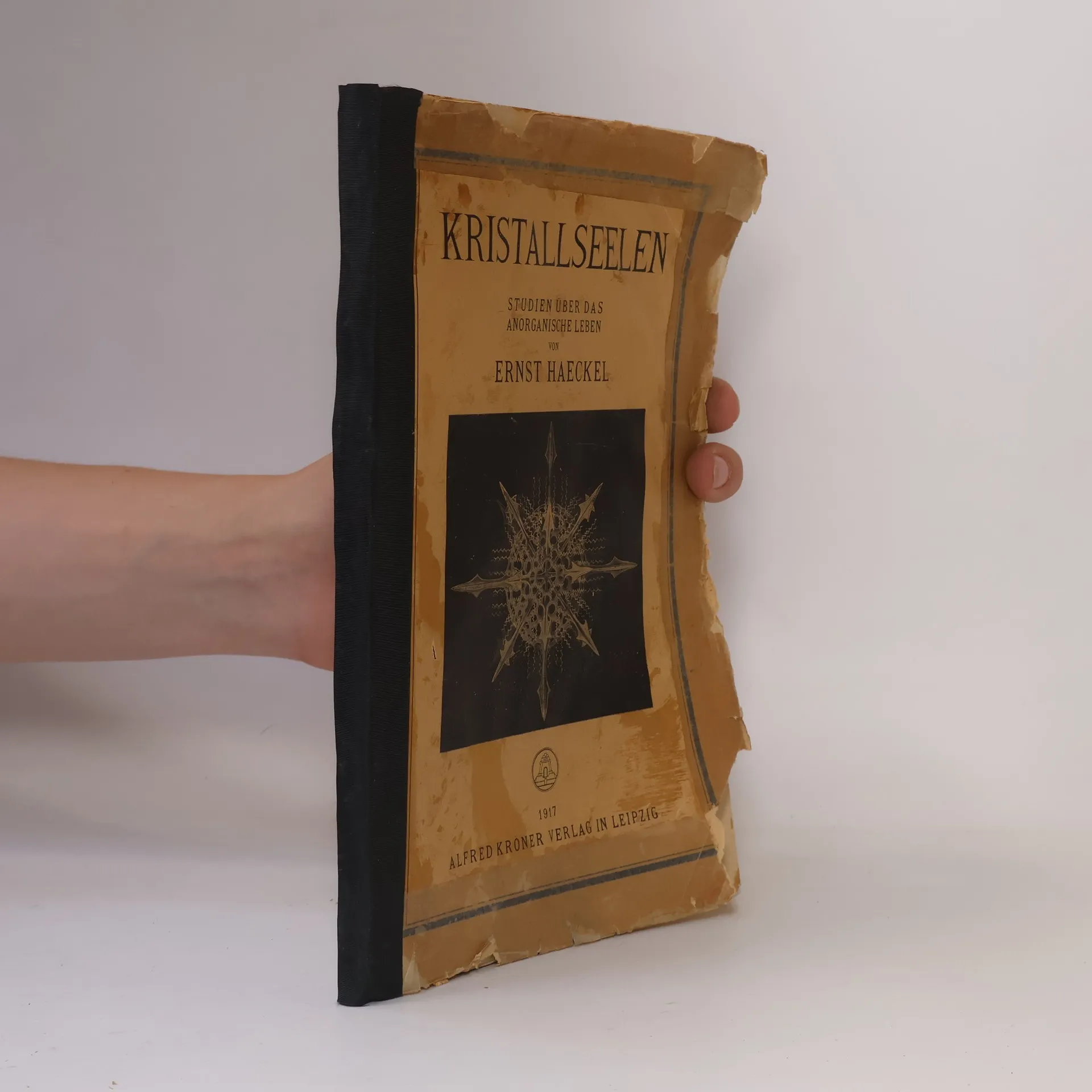
Das Ernst-Haeckel-Memo-Spiel
Kunstformen der Natur (mit Booklet)


Ernst Haeckel was een invloedrijke Duitse natuuronderzoeker en filosoof wiens omvangrijke werk op het gebied van de biologie ons begrip van het leven heeft gevormd. Hij bracht de verbindingen tussen alle levensvormen in kaart via een genealogische boom en introduceerde belangrijke termen die tot op de dag van vandaag in de biologie worden gebruikt. Zijn artistieke creaties, met name gedetailleerde illustraties van dieren en zeedieren, blijven boeien met hun schoonheid en precisie. Haeckels filosofie en zijn pleidooi voor de ideeën van Darwin lieten een onuitwisbare indruk achter, zowel in de biologie als in het bredere intellectuele discours.


Kunstformen der Natur (mit Booklet)
Auf dem Weg zur "Generellen Morphologie". April 1858 bis Oktober 1866
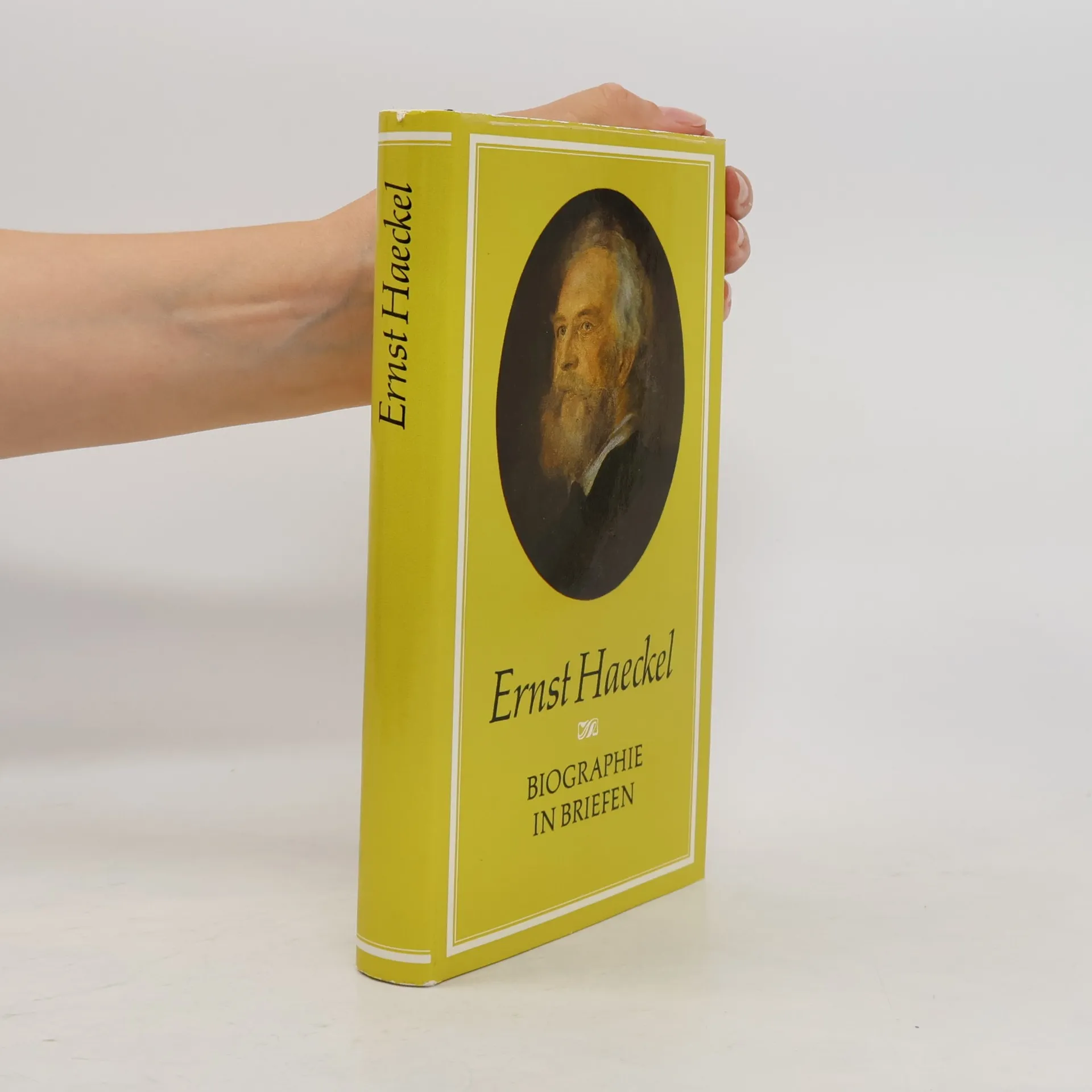
Der Jenaer Zoologe Ernst Haeckel zählt zu den bedeutendsten, aber auch umstrittensten Naturwissenschaftlern des ausgehenden 19. und beginnenden 20. Jahrhunderts. Als begeisterter Anhänger von Darwin arbeitete er an der Weiterführung und Popularisierung der Evolutionstheorie und wurde zu einer Symbolfigur in den Weltanschauungskämpfen seiner Zeit.Als Naturwissenschaftler und Hochschullehrer war Ernst Haeckel in ein sich beständig erweiterndes Netzwerk von durchaus nicht immer gleichgesinnten Naturforschern eingebunden. Der erste Band der Wissenschaftskorrespondenz enthält Briefe aus dem Zeitraum von April 1858 bis Oktober 1866 und umfasst das frühe wissenschaftliche Netzwerk Ernst Haeckels. Zu diesem gehören u.a. Charles Darwin, Anton Dohrn, Carl Gegenbaur, Thomas Henry Huxley, Albert Kölliker, Eduard von Martens und Max Schultze. Die Briefe dokumentieren Haeckels Karriereweg vom examinierten Mediziner bis zum ordentlichen Professor der Zoologie. Sie geben neben Einblicken in die Lebenswirklichkeit Haeckels und seiner Korrespondenzpartner Aufschluss über die Entstehungsgeschichte seiner Arbeiten über Radiolarien (1862), Medusen (1865) und seiner "Generellen Morphologie" (1866). Jetzt reinlesen: Inhaltsverzeichnis(pdf)
A Visual Masterpiece of the Natural World
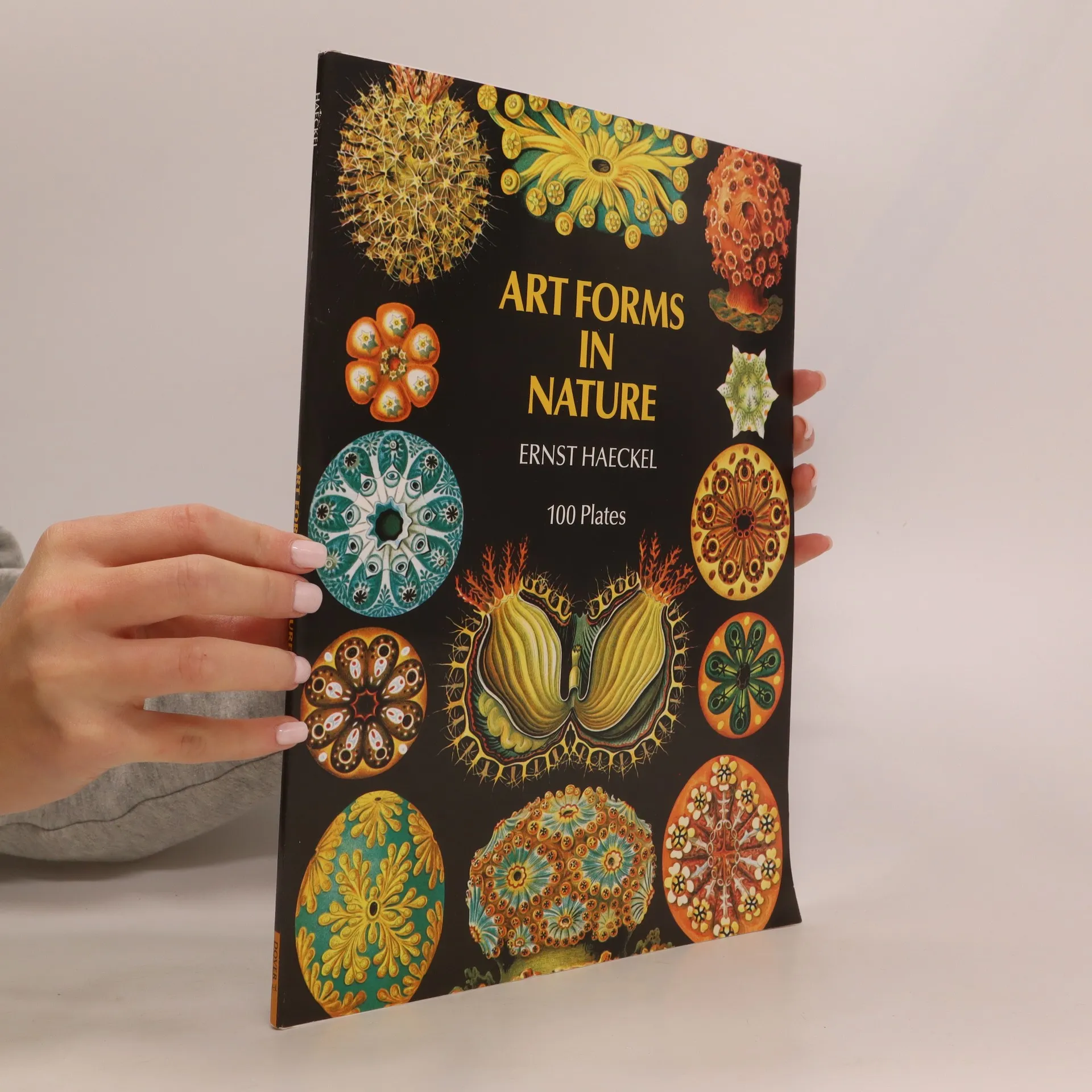
The book features 100 illustrated plates that showcase a stunning collection of watercolour paintings and pencil sketches, highlighting the intricate beauty of the natural world. Ernst Haeckel skillfully merges science and art, creating a visual celebration that captures the essence of nature's forms.
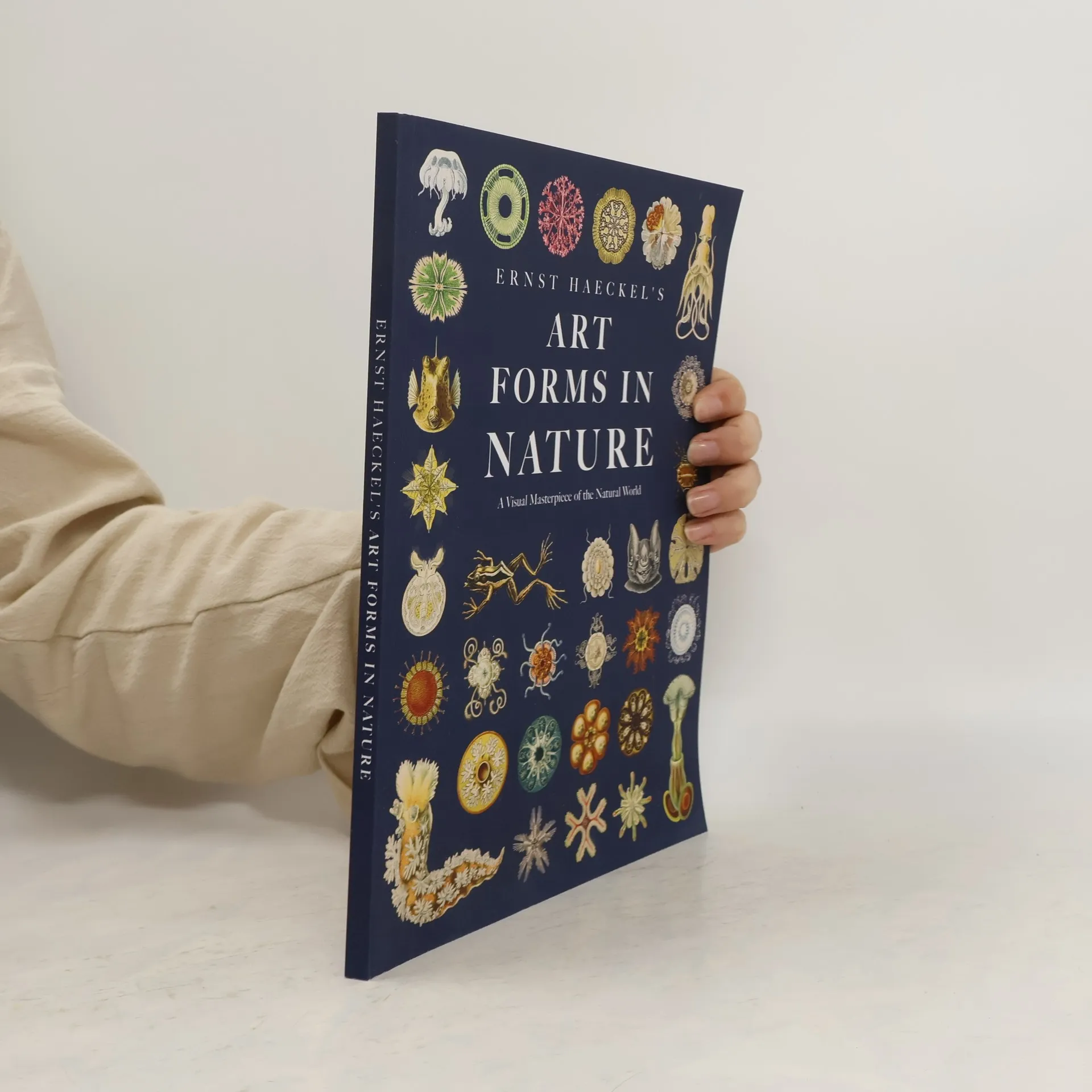
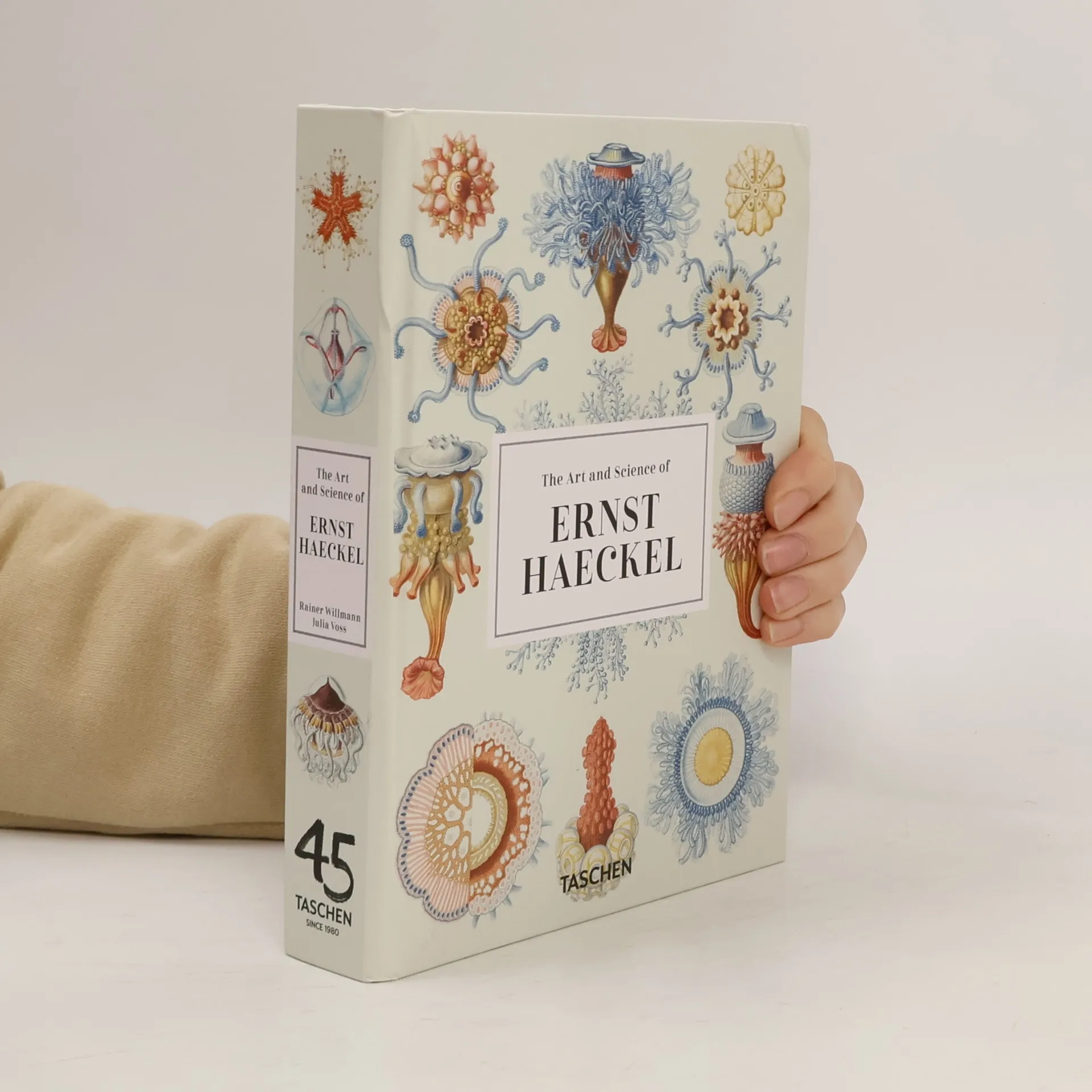
Explore Ernst Haeckel, the 19th-century artist-biologist who found beauty in the most unlikely creatures. This collection features 300 prints from his most important publications, including the majestic Kunstformen der Natur and his catalogues of marine life. These exquisite images are a scientific, artistic and environmental masterwork.
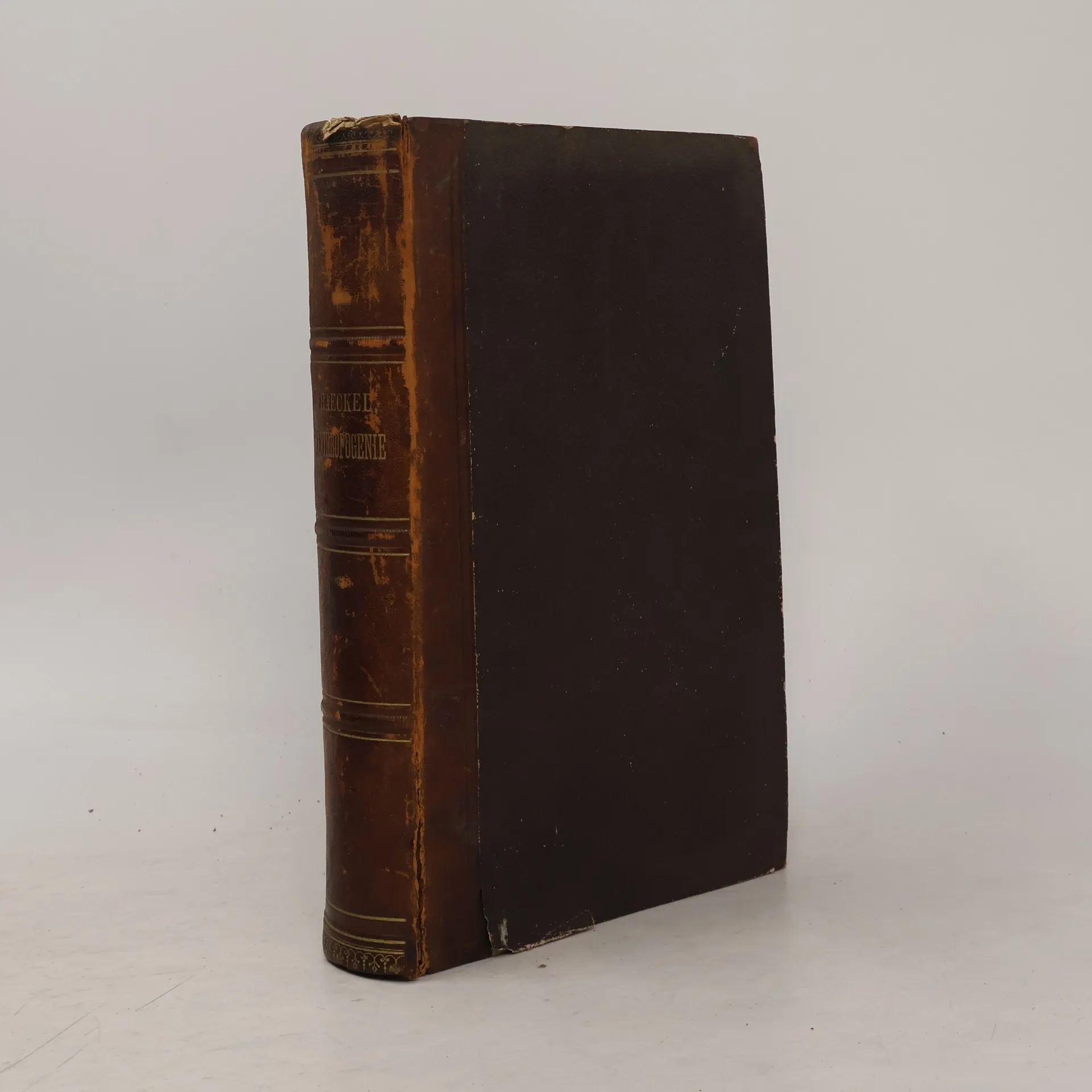
Ernst Haeckel untersucht in diesem Werk die Beziehung zwischen Natur und Mensch und beleuchtet die evolutionären Zusammenhänge. Mit einem tiefen Verständnis für Biologie und Philosophie präsentiert er seine Ansichten zur Entwicklung des Lebens und der menschlichen Existenz. Haeckels eindrucksvolle Illustrationen und detaillierten Beschreibungen fördern ein umfassendes Verständnis der Naturwissenschaften und deren Einfluss auf das menschliche Denken. Das Buch ist sowohl ein wissenschaftliches als auch ein künstlerisches Werk, das die Schönheit und Komplexität der Natur feiert.
Ausgewählte Texte - Historische Reihe freigeistiger Texte Band 7
Die ausgewählten Haeckel-Texte aus den Jahren 1892, 1904, 1913 und 1914 thematisieren seine Bemühungen um die monistische Weltanschauung und die Grundlegung des Deutschen Monistenbundes. Anlässlich des 100. Todestages von Ernst Haeckel, einem bedeutenden Darwinisten und Naturforscher, werden diese Texte dem Vergessen entrissen und empfohlen. Haeckel bekräftigte den durch Darwin geschaffenen Zusammenhang der Natur auf wissenschaftlicher Basis in seinem Werk „Der Monistenbund. Thesen zur Organisation des Monismus“. Er argumentierte, dass die einheitliche Weltanschauung auf wissenschaftlichen Erkenntnissen beruht, die durch kritische Erfahrung gewonnen wurden. Haeckel stellte fest, dass die moderne Wissenschaft die Welt als ein einheitliches Ganzes erkennt und dass die Fortschritte in der Entwicklungslehre zeigen, dass die Natur einem großen, einheitlichen Entwicklungsprozess unterliegt. Dieser Prozess betrifft sowohl die anorganische als auch die organische Natur. Haeckel wies darauf hin, dass die moderne Wissenschaft jede Vorstellung von einer „Schöpfung“ der Welt ablehnen muss. Er begründete den modernen Monismus als naturphilosophische Welterklärung und sammelte Ende des 19. und Anfang des 20. Jahrhunderts viele Anhänger um sich. 1906 wurde auf seine Initiative der Deutsche Monistenbund in Jena gegründet, und die Zeitschrift Das Monistische Jahrhundert erschien.
Der hochwertige Nachdruck bietet eine Sammlung von sechs Abschnitten aus den Werken von Ernst Haeckel, einem bedeutenden Naturforscher und Philosophen des 19. Jahrhunderts. Die Texte beleuchten die Beziehung zwischen Natur und Mensch und reflektieren Haeckels innovative Ansichten zur Biologie und Evolution. Durch die Erhaltung des Originalinhalts wird ein authentischer Einblick in seine wissenschaftlichen Überlegungen und die damalige Denkweise gewährt, was das Buch zu einer wertvollen Ressource für Interessierte an Naturwissenschaft und Philosophie macht.
Drei Vorträge, gehalten am 14., 16. und 19. April 1905 im Saale der Sing-Akademie zu Berlin von Ernst Haeckel - Historische Reihe freigeistiger Texte Band 6
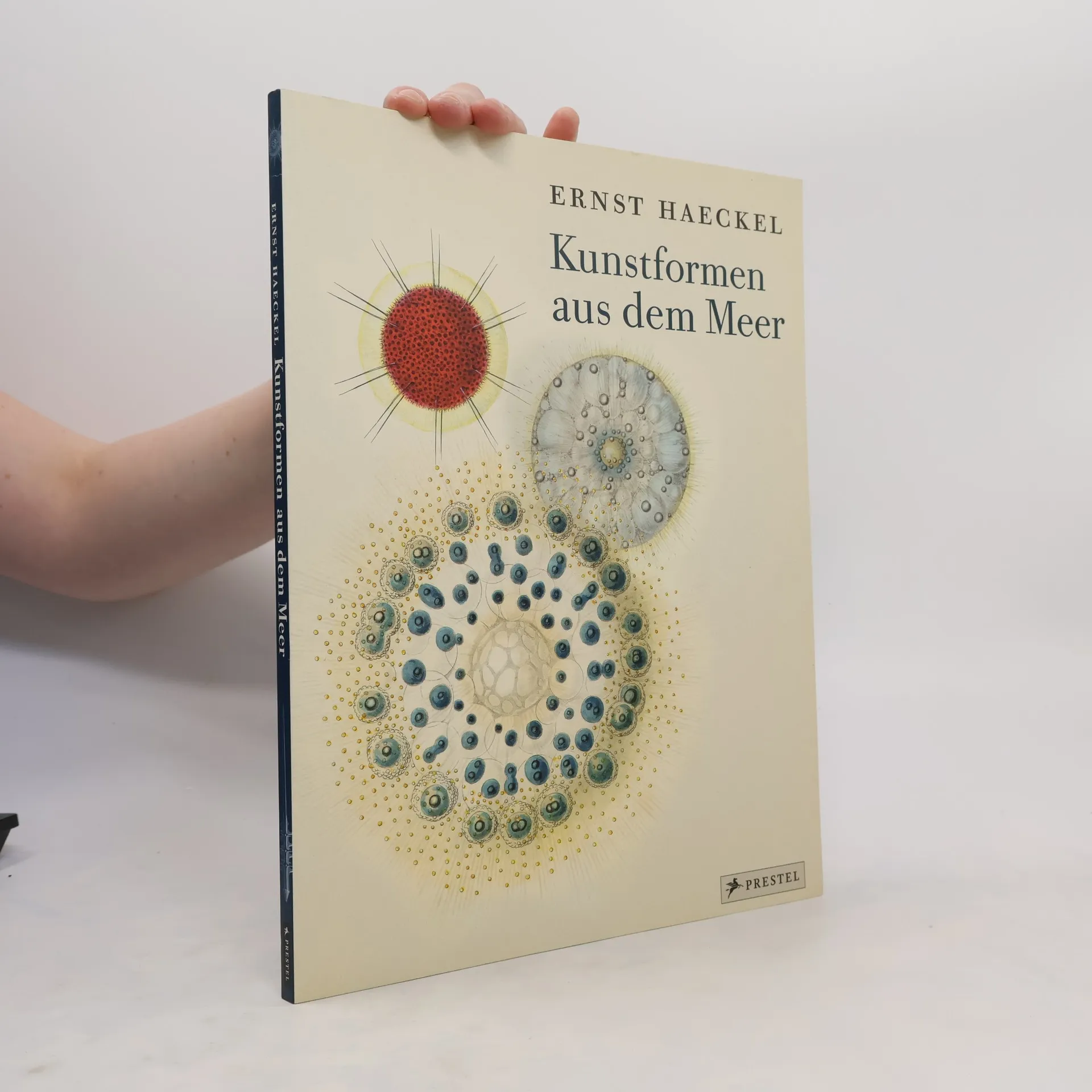
Kunst aus der Tiefe des Meeres Inspirationsquelle für Designer, Architekten und Grafikern: Dieser Band zeigt die faszinierenden Formen und Farben der Tiefseewelt auf 55 spektakulären Bildtafeln. Der Forscher, Zoologe, Philosoph und Künstler Ernst Haeckel beeinflusste mit seinen bahnbrechenden Studien zur Evolutionstheorie die Wissenschaftsgeschichte des 19. und 20. Jahrhunderts in entscheidender Weise. Von 1872–76 nahm er an der Expedition der HMS Challenger teil, auf der rund 5.000 neue Arten entdeckt und beschrieben wurden, wie Quallen, Plankton und Strahlentierchen. In der Folge veröffentlichte Haeckel drei Forschungsberichte mit detailreichen Bildtafeln, auf denen er die Vielfalt der Formen und Farben der Meeresorganismen dokumentierte. Noch heute werden diese für ihre hohe künstlerische Qualität geschätzt und dienen Designern, Architekten und Grafikern als unendliche Inspirationsquelle. Der vorliegende Band reproduziert 55 Tafeln in hochqualitativen Abbildungen. Kurze Bildunterschriften liefern Informationen zu den Organismen, der einführende Text erklärt die Hintergründe der Expedition und erläutert Haeckels Arbeiten im Kontext ihrer Zeit sowie ihre heutige Relevanz.
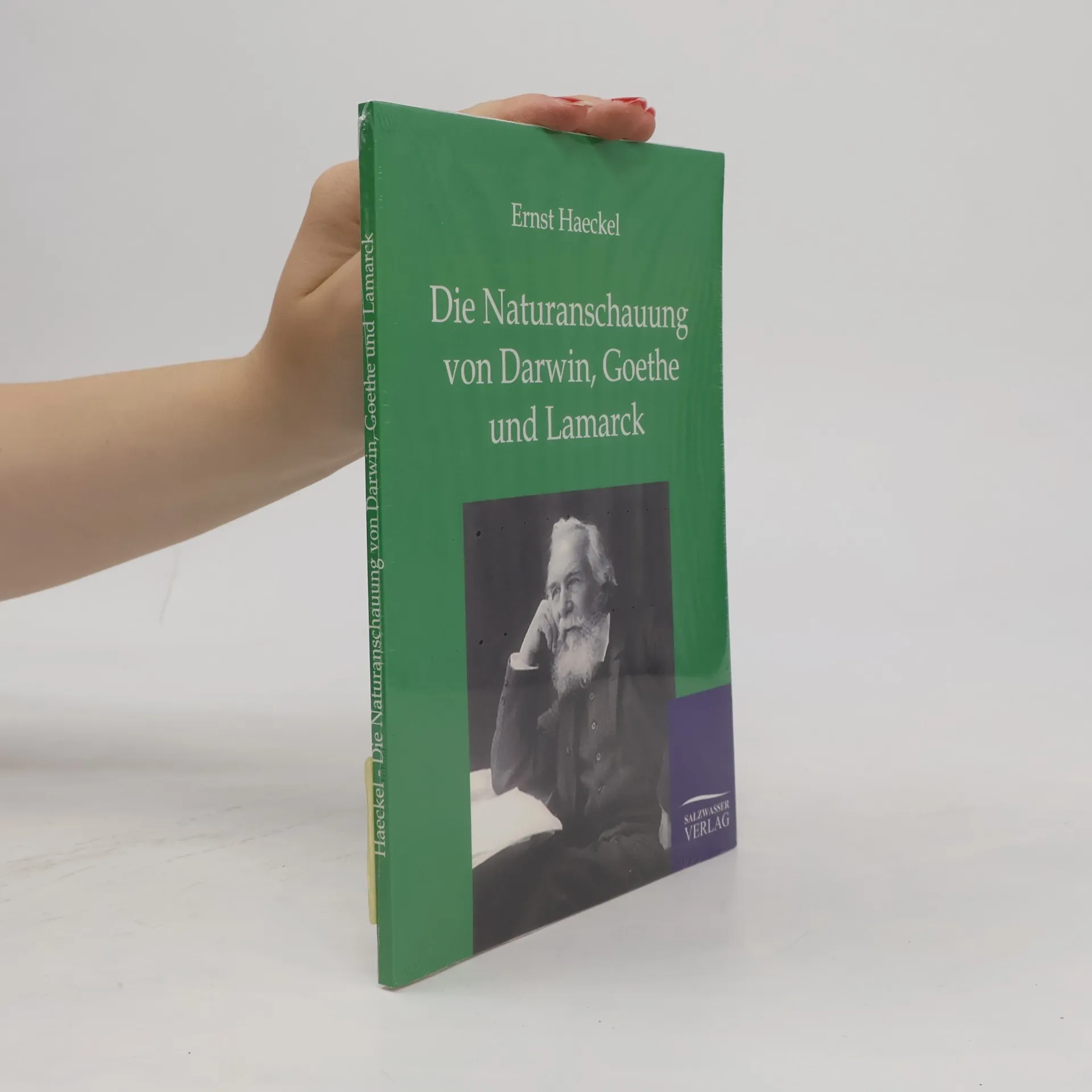
Ernst Haeckel, ein bedeutender Naturwissenschaftler des 19. Jahrhunderts, untersucht in diesem Werk die Evolutionstheorien von Lamarck, Goethe und Darwin. Dabei wird seine Absicht deutlich, die Evolutionstheorie mit seiner monistischen Weltanschauung zu verknüpfen. Haeckels Einfluss auf die Verbreitung von Darwins Ideen in Deutschland ist ebenso ein zentrales Thema wie die problematische Verwendung seiner Theorien zur Unterstützung der Rassenideologie. Der Nachdruck des Originals von 1882 bietet einen tiefen Einblick in Haeckels Denken und seine Zeit.
Nachdruck der revolutionaren Veroffentlichung von 1898.
Der Briefwechsel zwischen dem Nobelpreisträger für Chemie, Wilhelm Ostwald, und dem renommierten Evolutionsbiologen Ernst Haeckel wird hier erstmals veröffentlicht und beleuchtet das Verhältnis dieser beiden bedeutenden Wissenschaftler ab 1910. Im Fokus steht die Entwicklung des von Haeckel gegründeten Deutschen Monistenbundes, einer einflussreichen Vereinigung, die die modernen Naturwissenschaften popularisieren und eine neue Weltanschauung etablieren wollte. Der Austausch entstand aus Haeckels Bestreben, Ostwald als Präsidenten des Monistenbundes zu gewinnen. Dabei wurden die spezifische Ausrichtung der Vereinigung sowie strukturelle und politische Aspekte diskutiert. Der Band enthält zudem bisher unbekanntes Bildmaterial und ist somit nicht nur von wissenschaftshistorischem, sondern auch von kultur-, sozial- und geistesgeschichtlichem Interesse. In den Anhang sind Kurzbiographien und Bildanhang integriert, die den Kontext der Korrespondenz weiter vertiefen. Die Programmschriften, Hauptversammlungen und Ortsgruppen des Deutschen Monistenbundes werden ebenfalls behandelt, ebenso wie die Publikationen des Monistenkreises in Genf und des Keplerbundes.
At the nexus of art and science, this dazzling new edition of Ernst Haeckel's first work reintroduces the genius of an enigmatic scientist and passionate observer of the natural world. Although original editions of this book are extremely rare, it is now available for the first time in a paperback edition, beautifully reproducing his drawings and watercolours. While the variety and detail of Haeckel's drawings display an impressive understanding of biological structure, the skill with which Haeckel drew these tiny, aquatic protozoa renders them genuine works of art. This volume features commentary and descriptions of each of the radiolarians from Haeckel's work.
: In Ernst Haeckels 1862 veröffentlichtem ? Atlas der Radiolarien? verbinden sich auf geniale Weise die wissenschaftlichen Erkenntnisse des Naturforschers Haeckel mit seiner außerordentlichen künstlerischen Begabung. Die Tafeln dieses Werks veranschaulichen auf beeindruckende Weise seine Grundidee von der „prinzipiellen Einheit alles Lebendigen“. Die auf 35 Tafeln versammelten vielfältigen und kunstvollen Formen sind von ihm mit äußerster Raffinesse gezeichnet und lithographiert. Eine Kostbarkeit für alle Kunstfreunde und eine unerschöpfliche Quelle für Künstler, Designer, Fotografen, Architekten und Naturforscher.
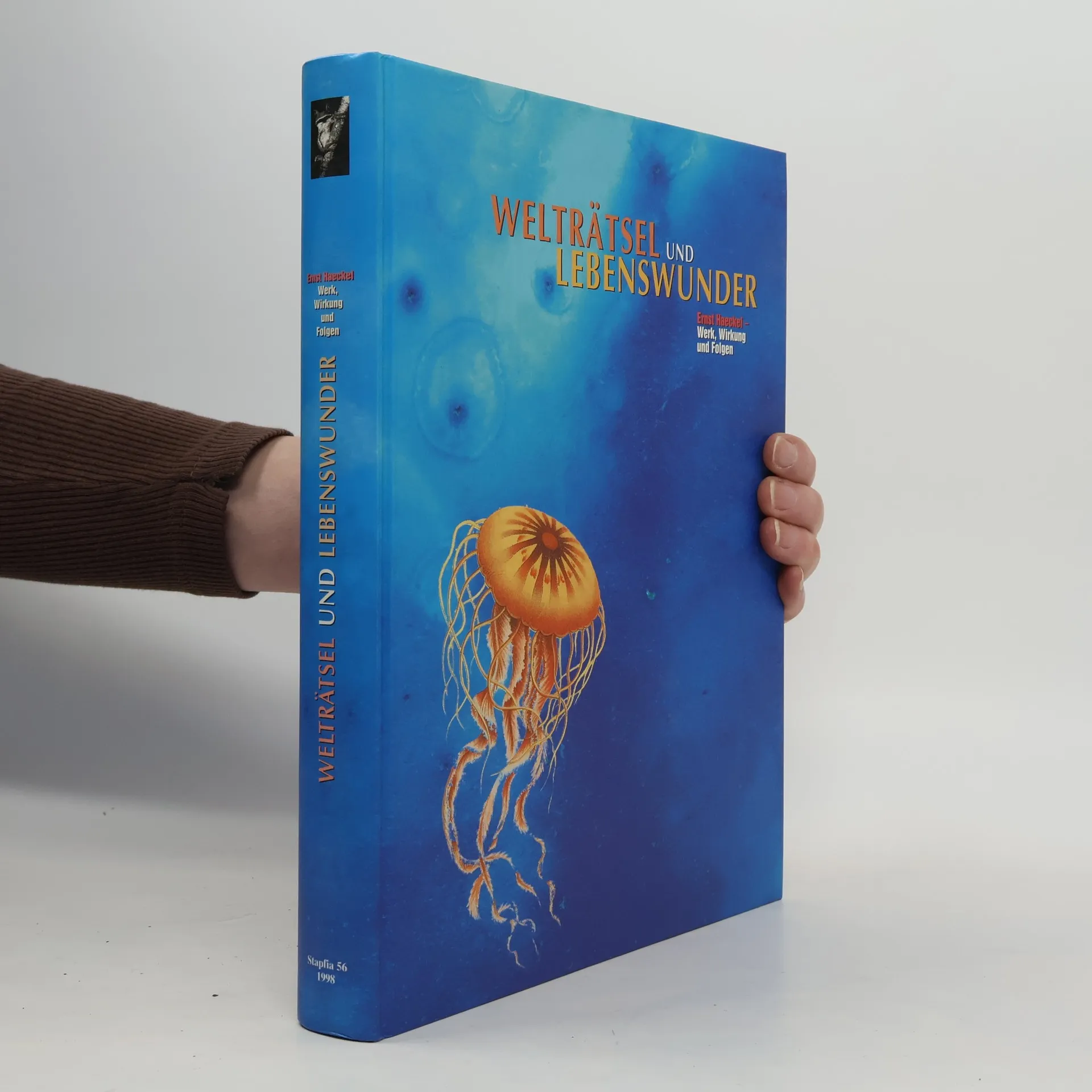
Ernst Haeckel – Werk, Wirkung und Folgen
Multitude of strangely beautiful natural forms: Radiolaria, Foraminifera, Ciliata, diatoms, calcareous sponges, Siphonophora, star corals, starfishes, Protozoa, flagellates, brown seaweed, jellyfishes, sea-lilies, moss animals, sea-urchins, glass sponges, leptomedusae, horny corals, trunkfishes, true sea slugs, anthomedusae horseshoe crabs, sea-cucumbers, octopuses, bats, orchids, sea wasps, seahorse, a dragonfish, a frogfish, much more. All images black-and-white.
Der Autor als Parapsychologe berichtet u. a. von Beobachtungen an Sterbebetten und Erfahrungen von klinisch „Toten“.
Die Welträtsel. Gott-Natur
Frontmatter -- Inhaltsübersicht -- Vorwort -- Übersicht -- Erklärung der dreißig Tafeln -- Übersicht der dreißig Tafeln -- Die Natur -- Erster Teil. Allgemeine Entwicklungslehre -- Erster Vortrag. Inhalt und Bedeutung der Abstammungslehre oder Deszendenztheorie -- Zweiter Vortrag. Wissenschaftliche Berechtigung der Deszendenztheorie. Schöpfungsgeschichte nach Linné -- Dritter Vortrag. Schöpfungsgeschichte nach Cuvier und Agassiz -- Vierter Vortrag. Entwicklungstheorie nach Goethe und Oben -- Fünfter Vortrag. Entwicklungstheorie von Kant und Lamarck -- Sechster Vortrag. Entwicklungstheorie von Lyell und Darwin -- Siebenter Vortrag. Züchtungslehre oder Selektionstheorie (Darwinismus) -- Achter Vortrag. Vererbung und Fortpflanzung -- Neunter Vortrag. Vererbungsgesetze und -theorien -- Zehnter Vortrag. Anpassung und Ernährung. Anpassungsgesetze -- Zwölfter Vortrag. Arbeitsteilung und Formspaltung. Divergenz der Spezies -- Dreizehnter Vortrag. Keimesgeschichte und Stammesgeschichte -- Vierzehnter Vortrag. Wanderung und Verbreitung der Organismen. Chorologie und Eiszeit -- Fünfzehnter Vortrag. Entwicklung des Weltalls und der Erde. Urzeugung. Kohlenstofftheorie. Plastidentheorie -- Zweiter Teil. Allgemeine Stammesgeschichte (Phylogenie und Anthropogenie) -- Sechzehnter Vortrag. Schöpfungsperioden und -urkunden -- Siebzehnter Vortrag. Phylogenetisches System der Organismen -- Achtzehnter Vortrag. Stammesgeschichte des Protistenreiche
Weltkriegsgedanken über Leben und Tod, Religion und Entwicklungslehre
Frontmatter -- Inhalt -- Vorbemerkung -- Vorwort -- Erstes Kapitel. Weltkrieg und Naturgesetz -- Zweites Kapitel. Weltkrieg und Religion -- Drittes Kapitel. Weltkrieg und Kardinalfrage -- Viertes Kapitel. Weltkrieg und Entwicklungslehre
Considered significant by scholars, this book holds great value in the literary canon and serves as a vital resource for future generations. It has been reproduced in its original print format, preserving its authenticity, including any marks or annotations from its first publication. This approach ensures that the book's true nature and historical context remain intact for readers and researchers alike.