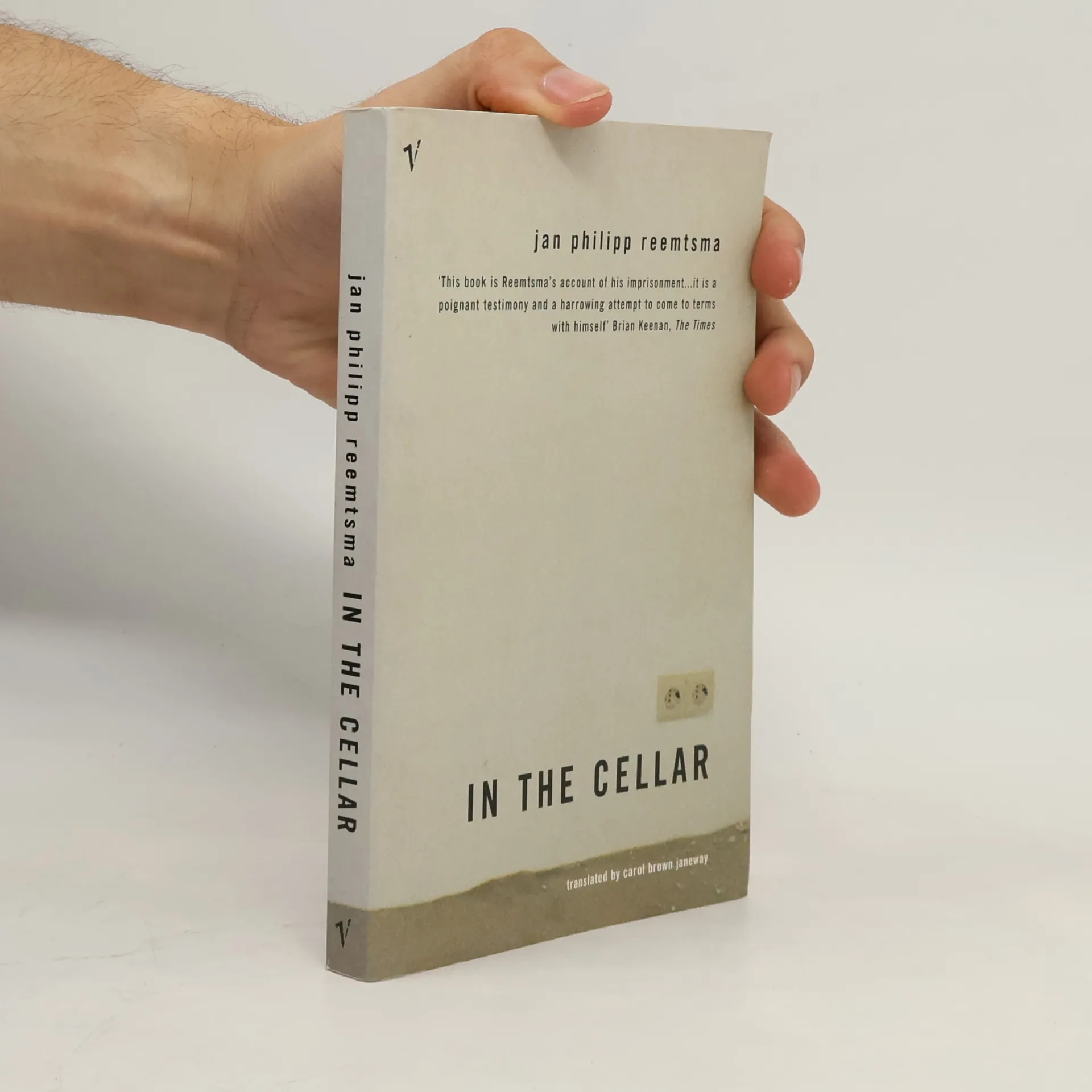
In the Cellar
- 256bladzijden
- 9 uur lezen




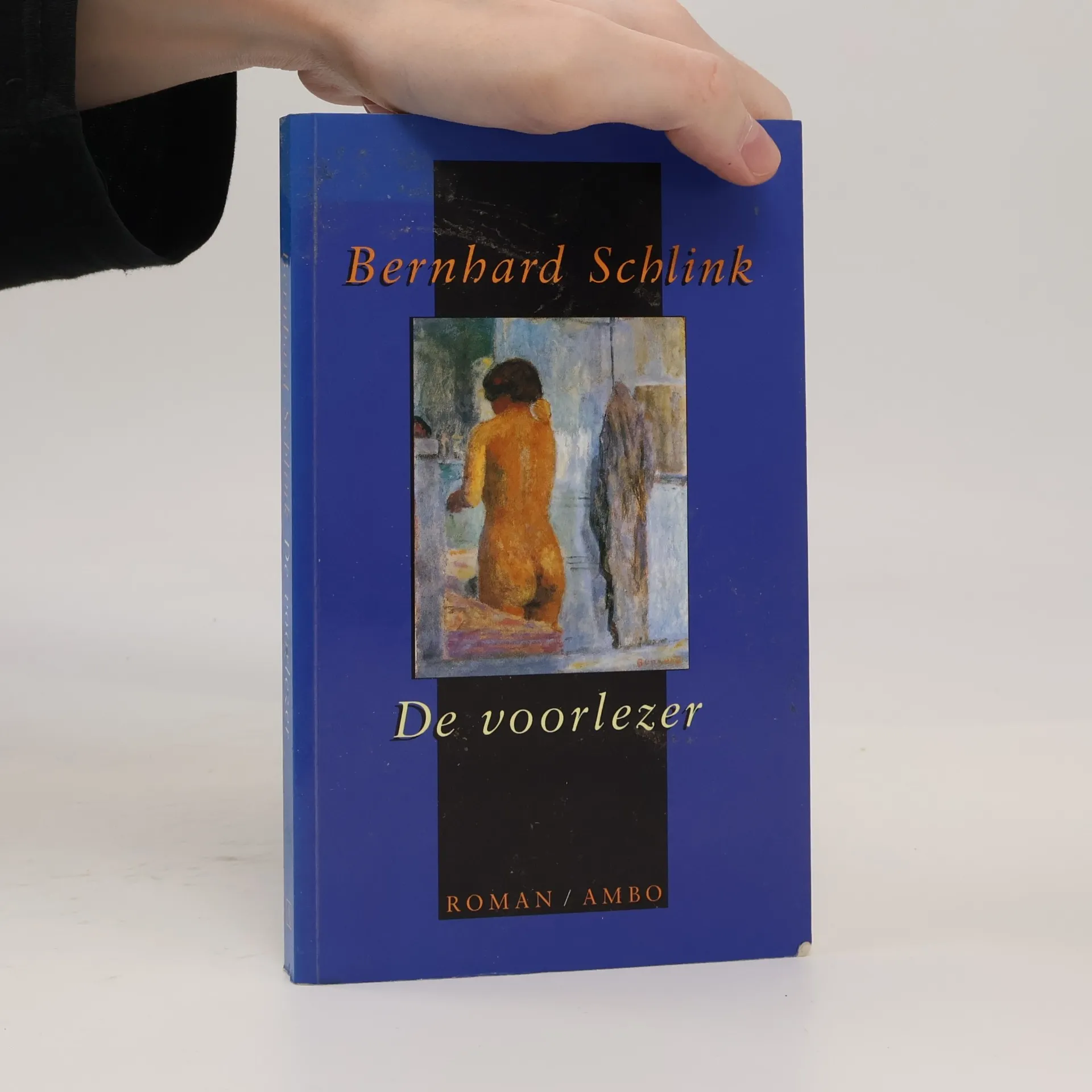
Als de jonge scholier Michael de twintig jaar oudere tramconductrice Hannah ontmoet, is hij onmiddellijk verliefd op haar. Elke keer als ze elkaar in het geheim ontmoeten, vraagt zij of Michael haar wil voorlezen. Maar dan verdwijnt Hanna zomaar, zonder een bericht achter te laten. Als Michael volwassen is en een rechtzaak moet volgen voor zijn studie, ontdekt hij het geheim dat zijn grote liefde altijd verborgen wist te houden, het geheim dat haar uiteindelijk fataal zal worden. Door het ik-perspectief van de hoofdpersoon komt de spannende dramatiek van het verhaal heel dicht op de huid te zitten.
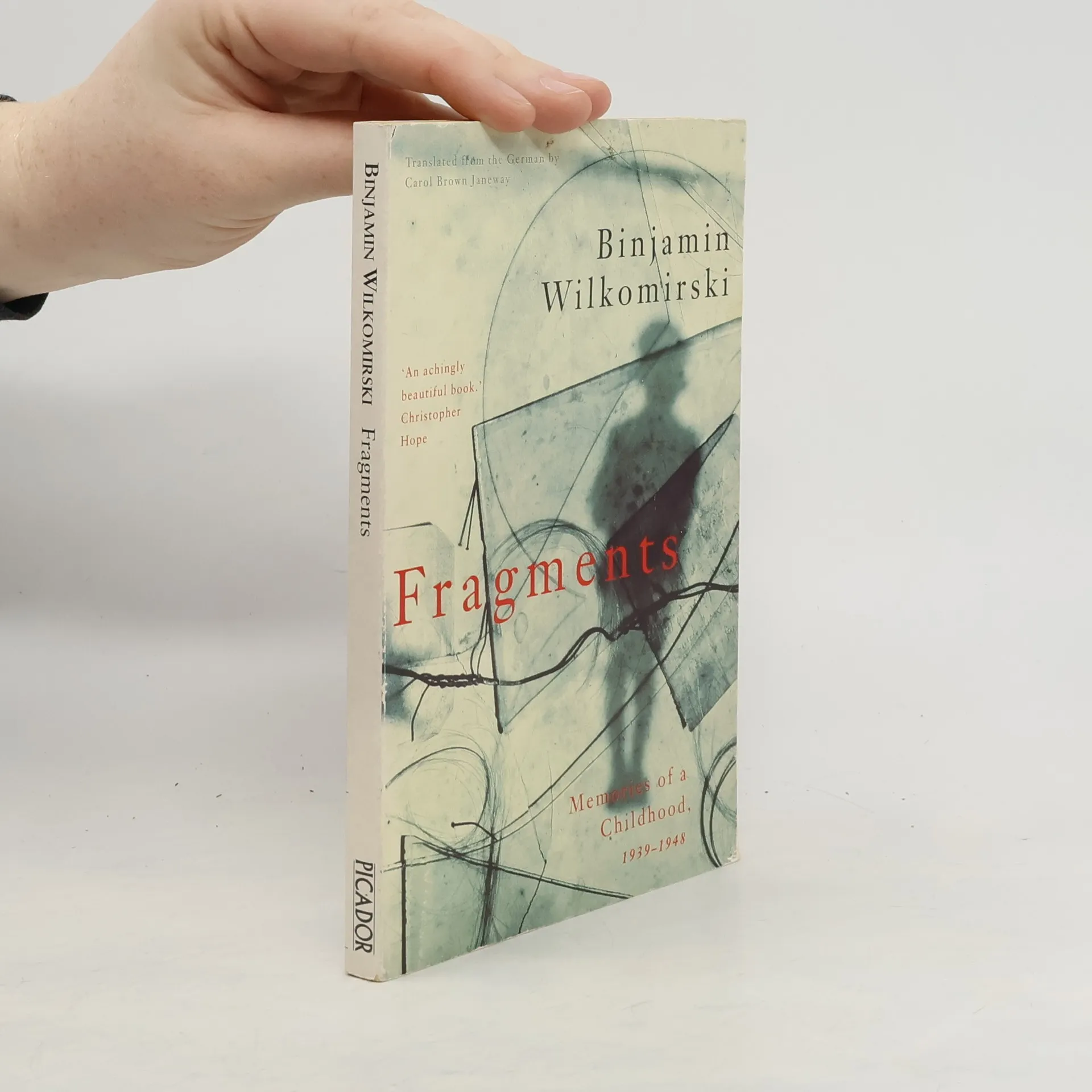
Fabricated memoir written by Bruno Grosjean.
Benjamin er 16 år, lidt handicappet og ny på en halvdyr kostskole. Der er både venner og drukture, og problemet er ikke så meget hans handicap - problemet er skolen ...
Oprah Book Club® Selection, February 1999: Originally published in Switzerland and translated by Carol Brown Janeway, this brief tale explores themes of sex, love, reading, and shame in postwar Germany. At 15, Michael Berg embarks on an obsessive affair with Hanna, an enigmatic older woman. When she suddenly disappears, he believes he will never see her again, but fate intervenes. Hanna becomes a defendant in a trial linked to Germany's Nazi past, revealing her guilt in an unspeakable crime. As Michael follows the proceedings, he grapples with a profound question: How should his generation confront the Holocaust? He contemplates whether silence in revulsion, shame, and guilt is the only response. This narrative, which won the Boston Book Review's Fisk Fiction Prize, delves into the complexities of loving those—parents, grandparents, lovers—who have committed horrific acts. It questions whether literature can offer any form of atonement. Schlink's prose is clean and stripped of excess, creating an austerely beautiful exploration of the chasm between Germany's pre- and postwar generations, the guilty and the innocent, and the relationship between words and silence.