Lester Thurow Volgorde van de boeken (chronologisch)



Building Wealth
The New Rules for Individuals, Companies & Nations in a Knowledge-Based Economy
- 336bladzijden
- 12 uur lezen
There is no doubt that we are in the middle of a transition to a knowledge-based economy. Breakthrough technologies in microelectronics, biotechnology, new materials, telecommunications, robotics, and computers are fundamentally changing the game of creating wealth. While these new industries are growing explosively, existing industries such as banking and retail are being transformed beyond recognition. As a result, a new global economy is emerging to replace existing national economies. What will it take for individuals, companies, and entire countries to succeed in the new economics of the twenty-first century? Rather than focusing on spending, Lester C. Thurow argues that we must emphasize investment in basic knowledge, education, and infrastructure. Only by committing ourselves to building communal wealth can we maximize opportunities for building personal wealth as well. Building Wealth is an indispensable guide to surviving -- and thriving -- in the economies of the twenty-first century.
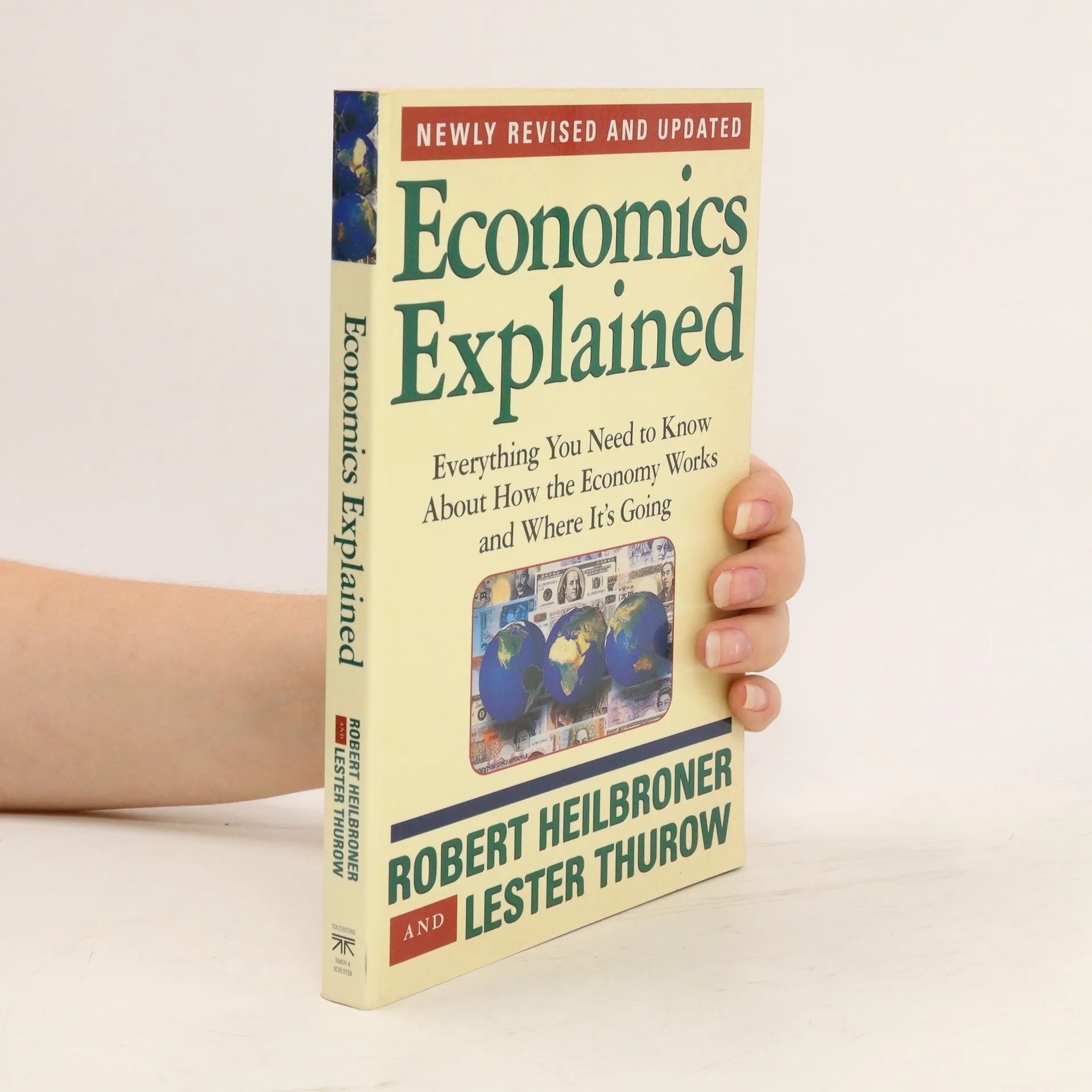
Economics Explained has an announced purpose to explain that mysterious thing called economics. But there is a new urgency to the book. It is announced in the first sentence of the introduction: "Just in case the reader-to-be hasn't noticed, disturbing things are going on in the American economy these days." This new edition is about these disturbing things: a trend toward inequality of incomes, the appearance of a new "globalized" capitalism, the "specter" of inflation. As before, Robert Heilbroner and Lester Thurow treat these problems in language that seeks to make clear their causes and treatments. In this straightforward, highly accessible reference, Heilbroner and Thurow--two of America's most respected and articulate economists--offer all the economics essential for becoming an effective investor, a savvy business decision maker, or simply an informed member of society.
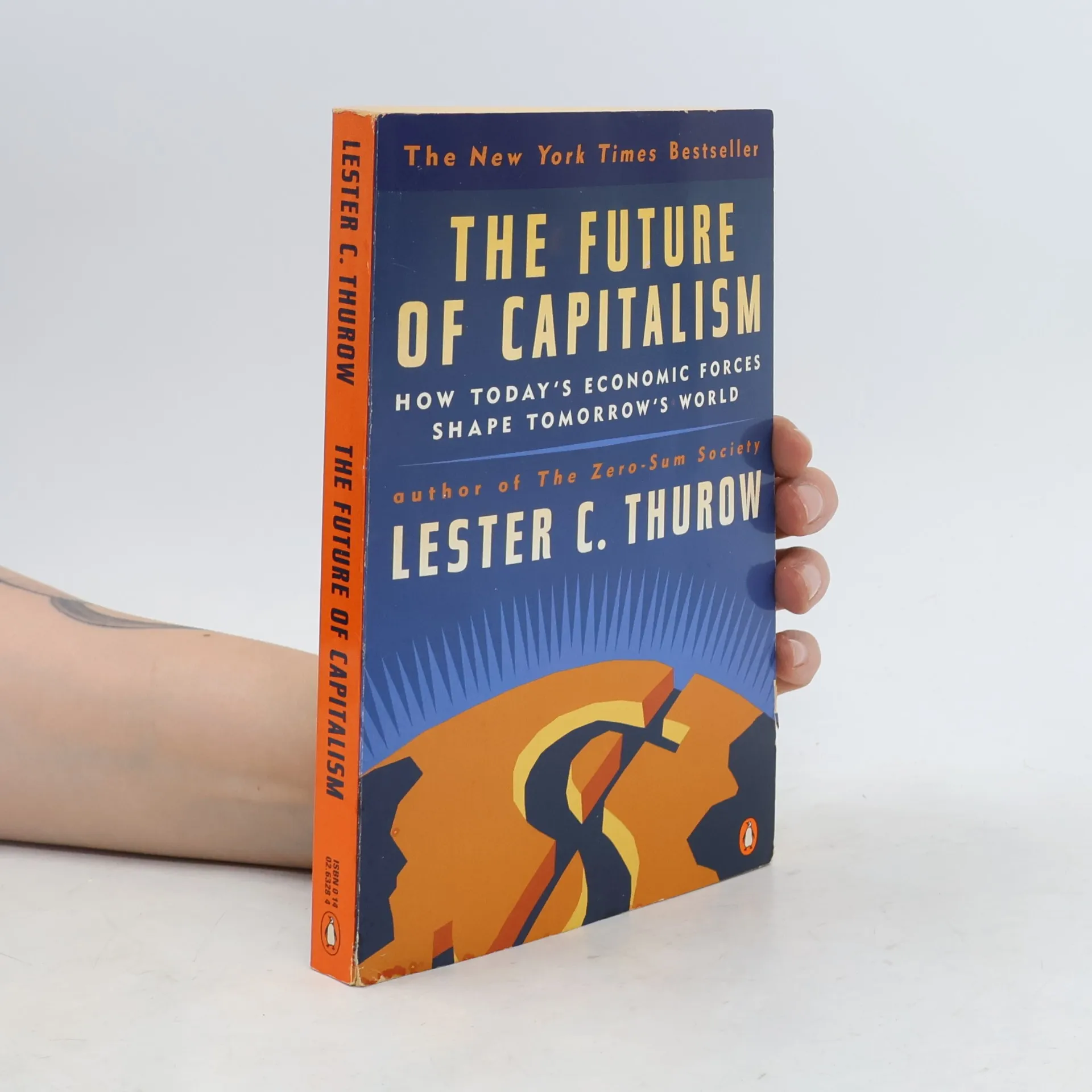
The Future of Capitalism: How Today's Economic Forces Shape Tomorrow's World
- 400bladzijden
- 14 uur lezen
Cites America's economic trouble spots while charting a course for surviving and maintaining global leadership in the years to come.
Čo je ekonómia ?
- 223bladzijden
- 8 uur lezen
Objavuje sa trhová spoločnosť. Traja veľkí ekonómovia. Dva svety podnikania. Vývoj chudoby.
Kopf an Kopf
- 347bladzijden
- 13 uur lezen
Perspectives of US Economic Policy Under the New Government
- 64bladzijden
- 3 uur lezen
With the dismantling of the Berlin Wall in 1989 and the collapse of the USSR in 1991, the Cold War era ended, giving rise to a new economic struggle among three superpowers, each engaging in capitalism differently. The United States, now the second-largest economy, faces stagnation and escalating federal deficits, prompting Americans to recognize a pivotal moment. One of the nation’s leading economists offers a dynamic assessment of this evolving economic landscape, highlighting the competition's new rules, the strengths and weaknesses of each player, and the essential information needed to succeed. Surprises abound; success requires radical new skills and innovative thinking. For instance, the 1990s will not have clear winners, but the inability to cooperate with adversaries could lead to destruction. A reevaluation of essential resources is crucial for thriving in this environment before the year 2000. Seven key industries are identified as vital for maintaining a high standard of living, raising questions about how to sustain competitiveness in these sectors. Education emerges as the most powerful tool in this new economic warfare, emphasizing the need to close the education gap. Additionally, fostering teamwork in unfamiliar ways is essential for Americans to adapt and succeed.
Dangerous Currents
- 259bladzijden
- 10 uur lezen
A leading liberal economist presents a critique of recently ascendant conservative economic theories, arguing that none of these theories offers an accurate picture of economic realities
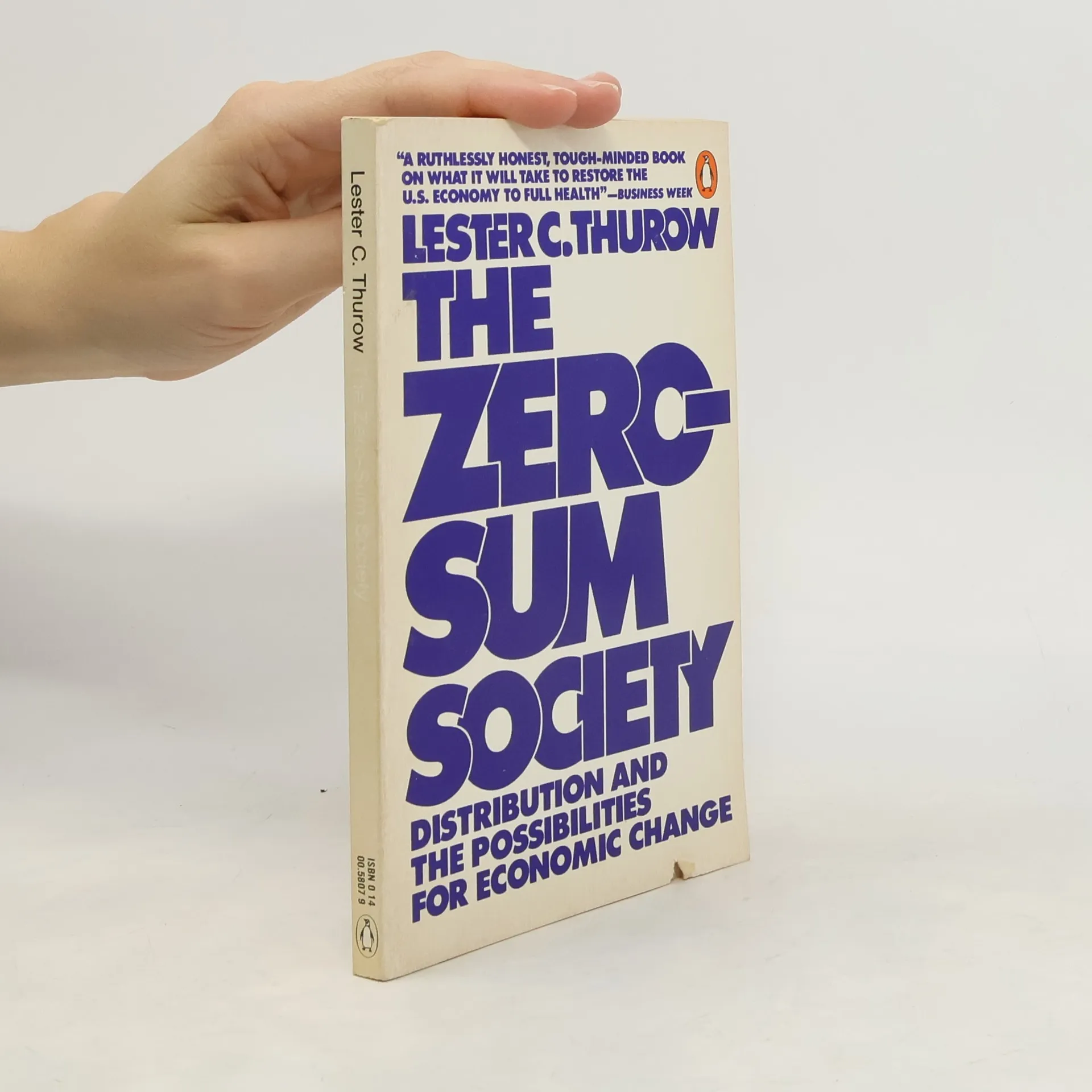
Monograph maintaining that a political system founded on democracy has inhibited economic growth and given rise to a steady state economy in the USA - suggests that interest group pressures have impeded the exploitability of national level energy sources as well as the implementation of economic policies whish would reduce inflation, and sets forth measures to increase productivity, reduce government regulations and further income distribution. References and statistical tables.
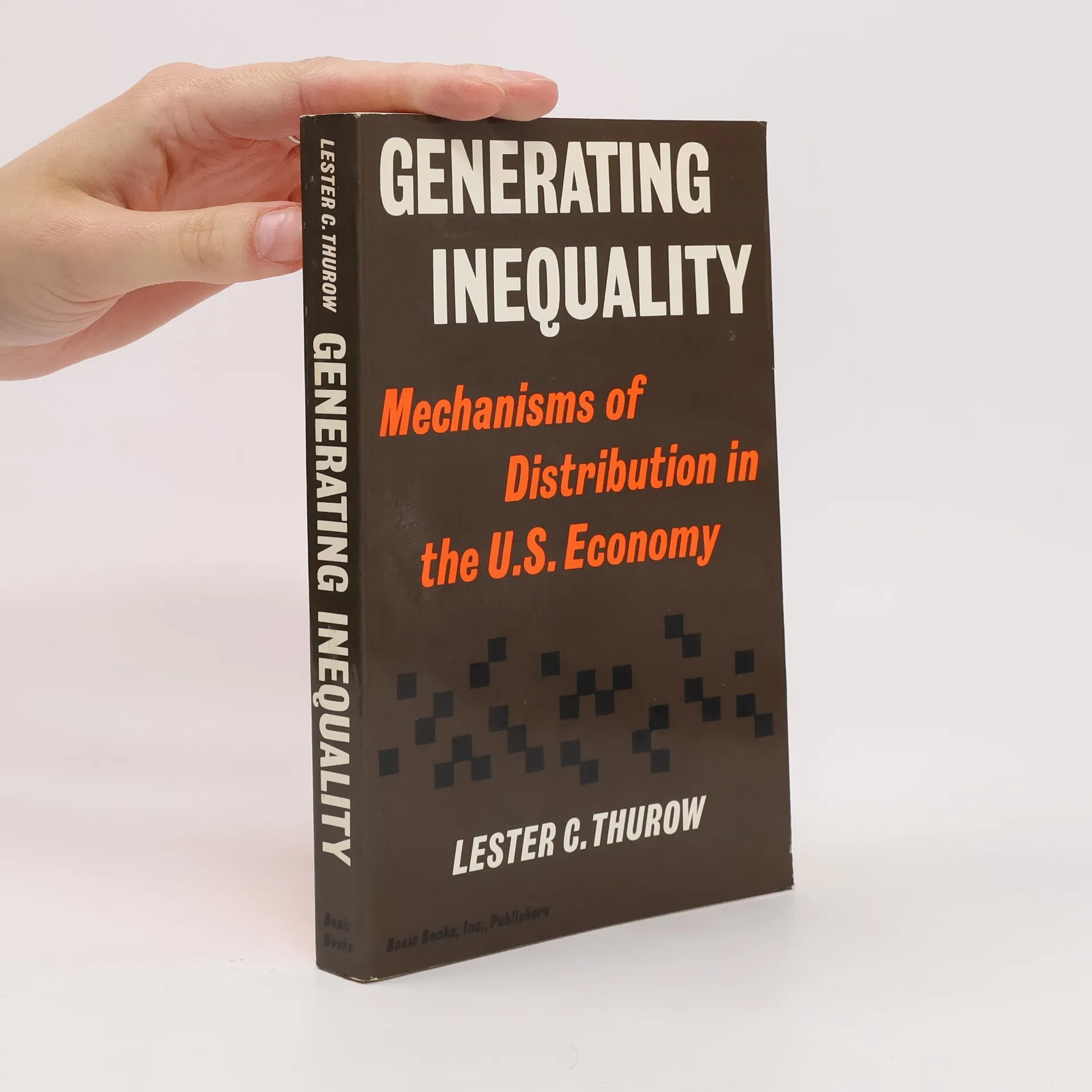
An economist constructs models to explain the existing distribution of earnings and wealth in the United States