This book analyses the nature and extent of the flaws and limitations inherent in the concept of the intelligence cycle, and the extent to which it remains relevant to the study of intelligence today.
Security intelligence continues to be of central importance to the contemporary world: individuals, organizations and states all seek timely and actionable intelligence in order to increase their sense of security. But what exactly is intelligence? Who seeks to develop it and to what ends? How can we ensure that intelligence is not abused? In this third edition of their classic text, Peter Gill and Mark Phythian set out a comprehensive framework for the study of intelligence, discussing how states organize the collection and analysis of information in order to produce intelligence, how it is acted upon, why it may fail and how the process should be governed in order to uphold democratic rights. Fully revised and updated throughout, the book covers recent developments, including the impact of the Snowden leaks on the role of intelligence agencies in Internet and social media surveillance and in defensive and offensive cyber operations, and the legal and political arrangements for democratic control. The role of intelligence as part of ‘hybrid’ warfare in the case of Russia and Ukraine is also explored, and the problems facing intelligence in the realm of counterterrorism is considered in the context of the recent wave of attacks in Western Europe. Intelligence in an Insecure World is an authoritative and accessible guide to a rapidly expanding area of inquiry – one that everyone has an interest in understanding.
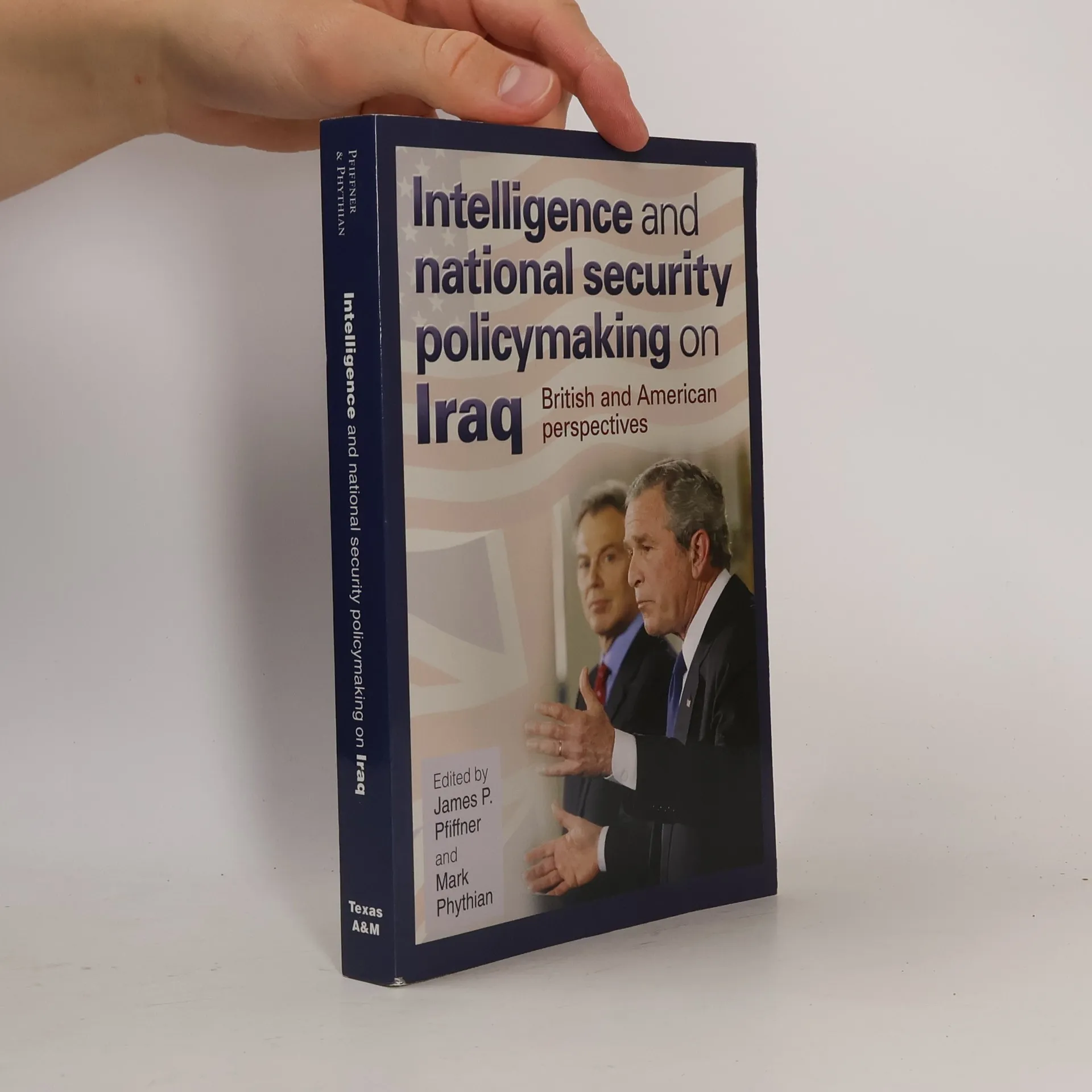
The highly controversial decision to go to war in Iraq in 2003 has had repercussions of historic dimensions throughout the world. Critics have questioned the way intelligence was gathered and presented and have challenged the decision-making processes that led both the United States and the United Kingdom to war.Drawing on the unusually extensive official documentation from both sides of the Atlantic, as well as insider accounts of CIA deliberations, the contributors to this volume offer insightful analyses of the national security decision-making process, the foreign policy roles of the President and Prime Minister, the roles of Congress and Parliament, the management and limits of intelligence, the shaping of public opinion, and the ethics of humanitarian military intervention. The book also discusses the dilemmas faced by Australia and their implications for Australian intelligence.Key speeches and documents related to going to war offer students of foreign and national security policy the opportunity to gain a nuanced understanding of both the process and the justification of going to war. Just as the Cuban Missile Crisis has been used for decades as a case study in good decision making, the decision to go to war in Iraq will be analyzed for years to come for lessons about what can go wrong in decisions about war.