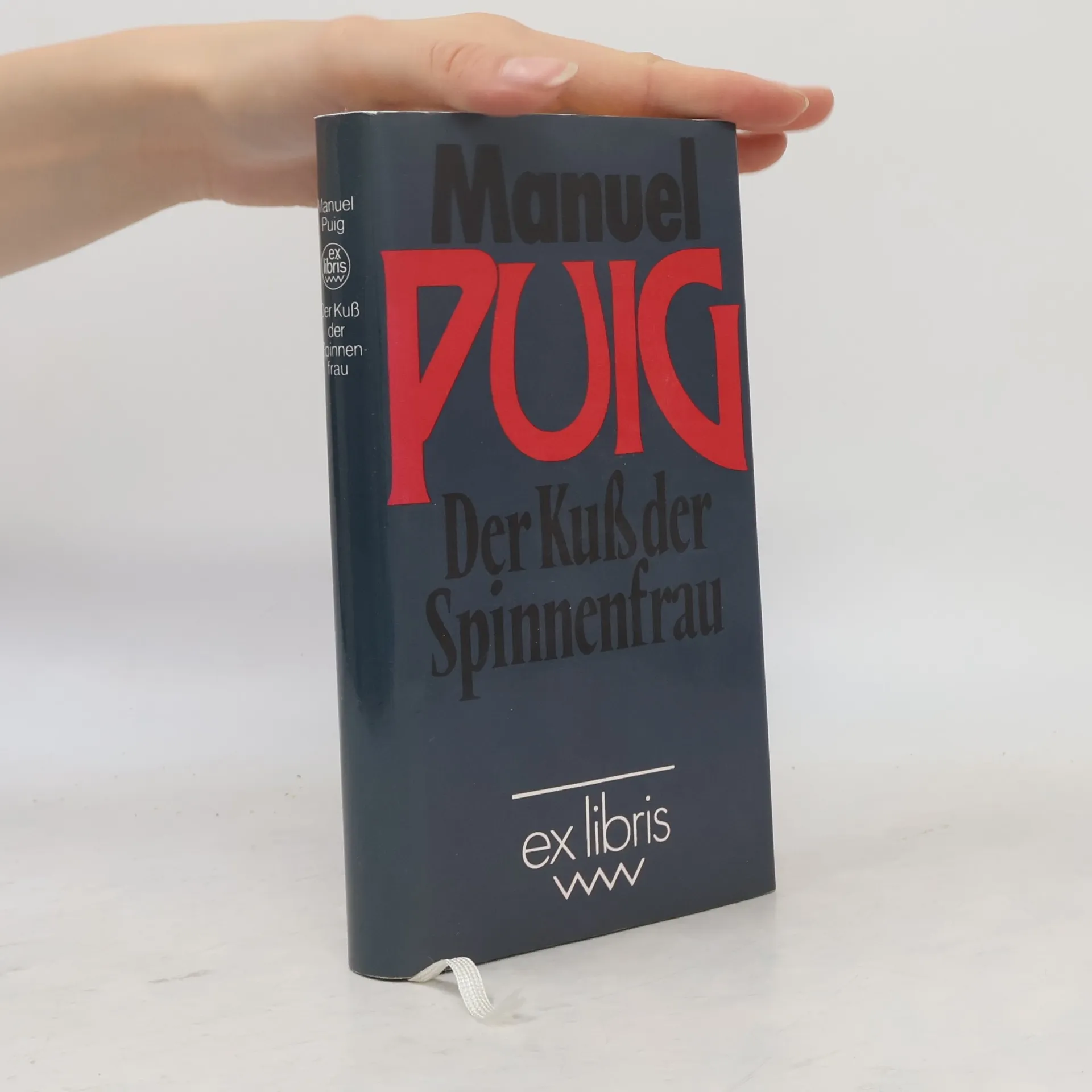
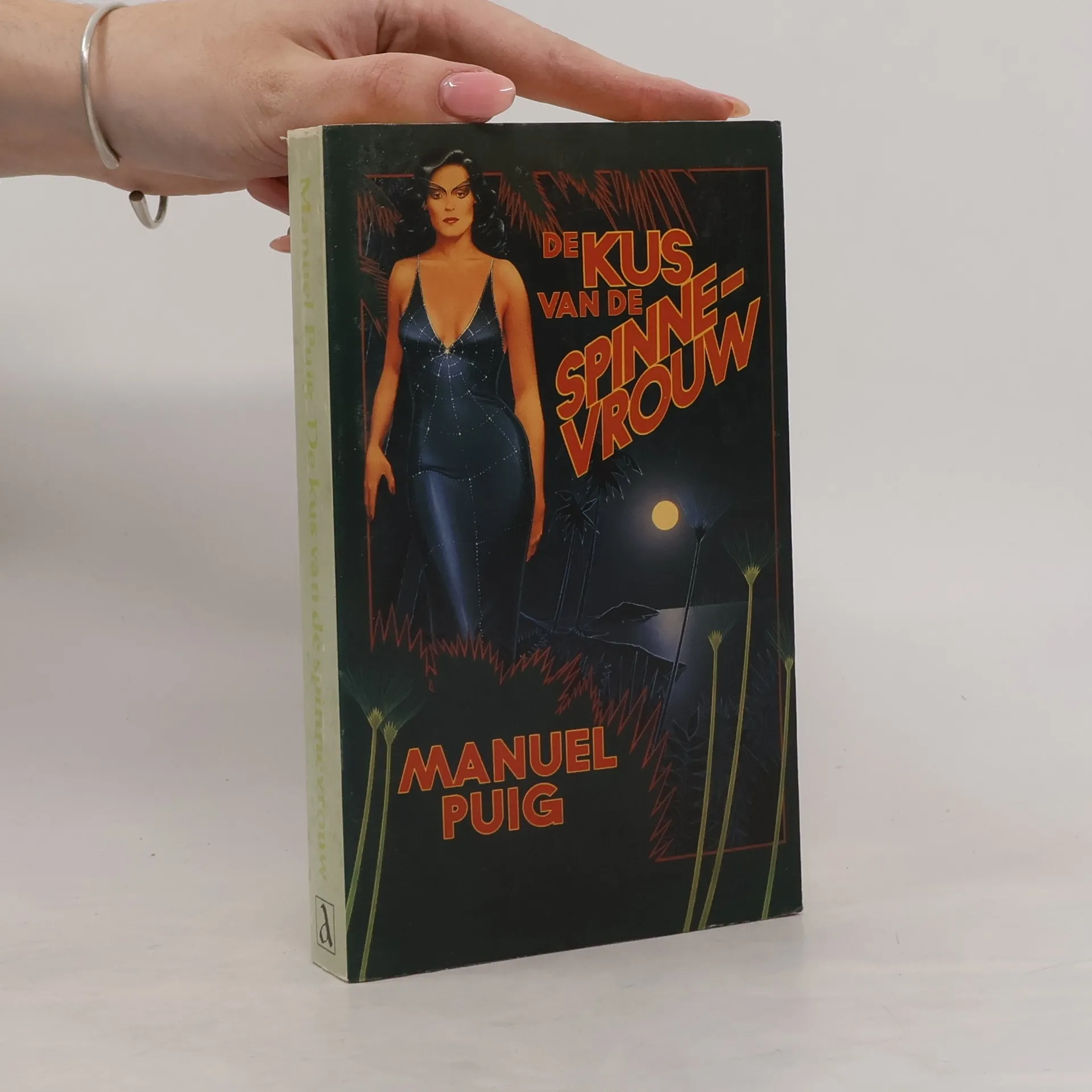
De kus van de spinnevrouw
- 259bladzijden
- 10 uur lezen
Twee onderling zeer verschillende mannen vertellen elkaar in een Argentijnse gevangeniscel verhalen.


Manuel Puig was een Argentijnse auteur wiens werk zich verdiept in het domein van de populaire cultuur en de impact daarvan op individuele levens. Zijn romans verkennen regelmatig thema's als liefde, verlangen en de zoektocht naar identiteit, waarbij hij een unieke mix van hoge en lage cultuur gebruikt. Puig's kenmerkende stijl, gekenmerkt door het gebruik van dialoog en de integratie van elementen uit films en popliedjes, ondermijnt traditionele vertelvormen. Zijn schrijven onderzoekt de complexiteit van menselijke relaties en de illusies die we creëren.


Twee onderling zeer verschillende mannen vertellen elkaar in een Argentijnse gevangeniscel verhalen.
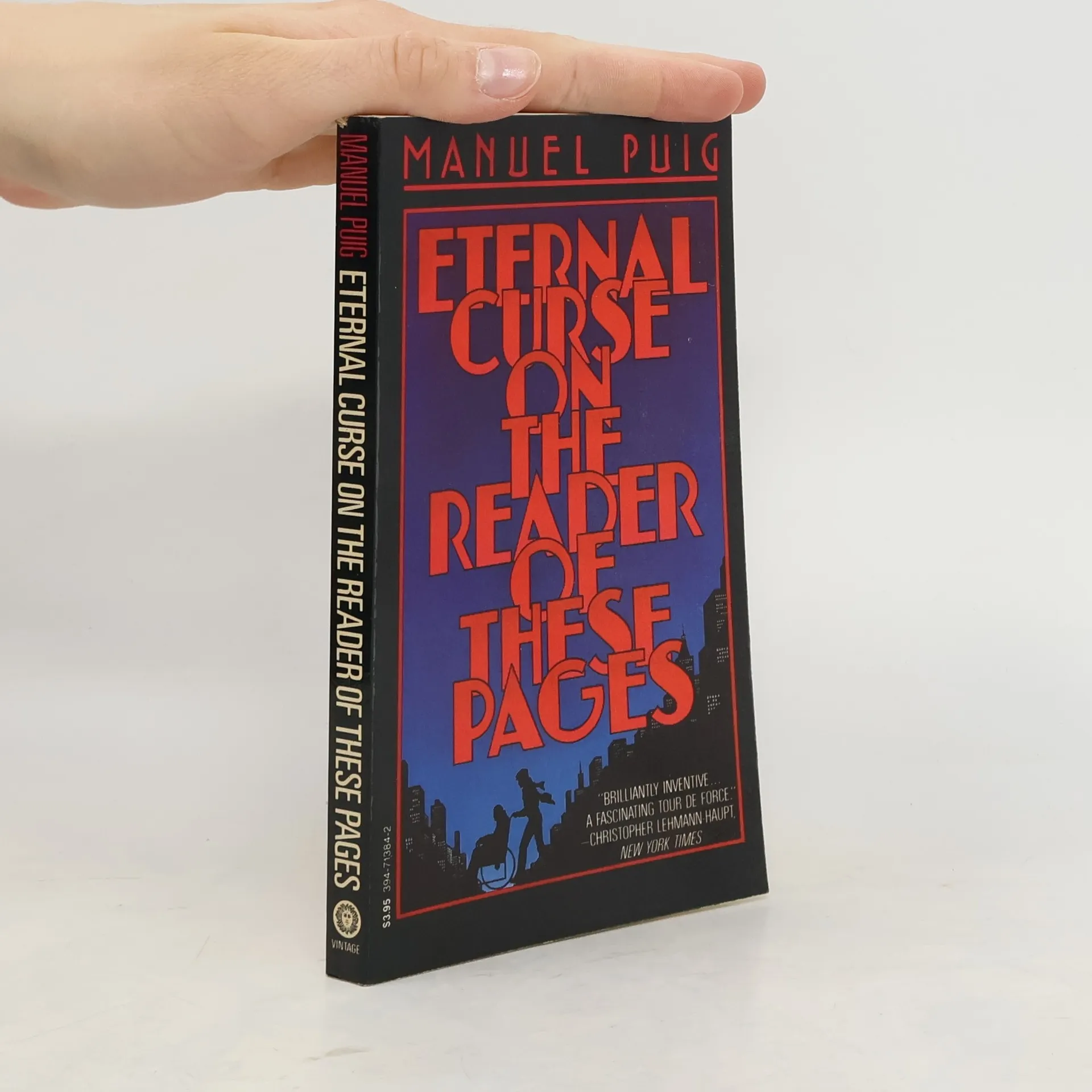
When Ramirez, an Argentinian exile and invalid in his seventies, who is confined to a wheelchair and unable to feel emotions, hires Larry, a young, down-on-his-luck American, a curious, multi-layered relationship develops
This is a new novel by Puig, an Argentine novelist who is also author of "Betrayed by Rita Hayworth", "The Buenos Aires Affair" and "Kiss of the Spider Woman".
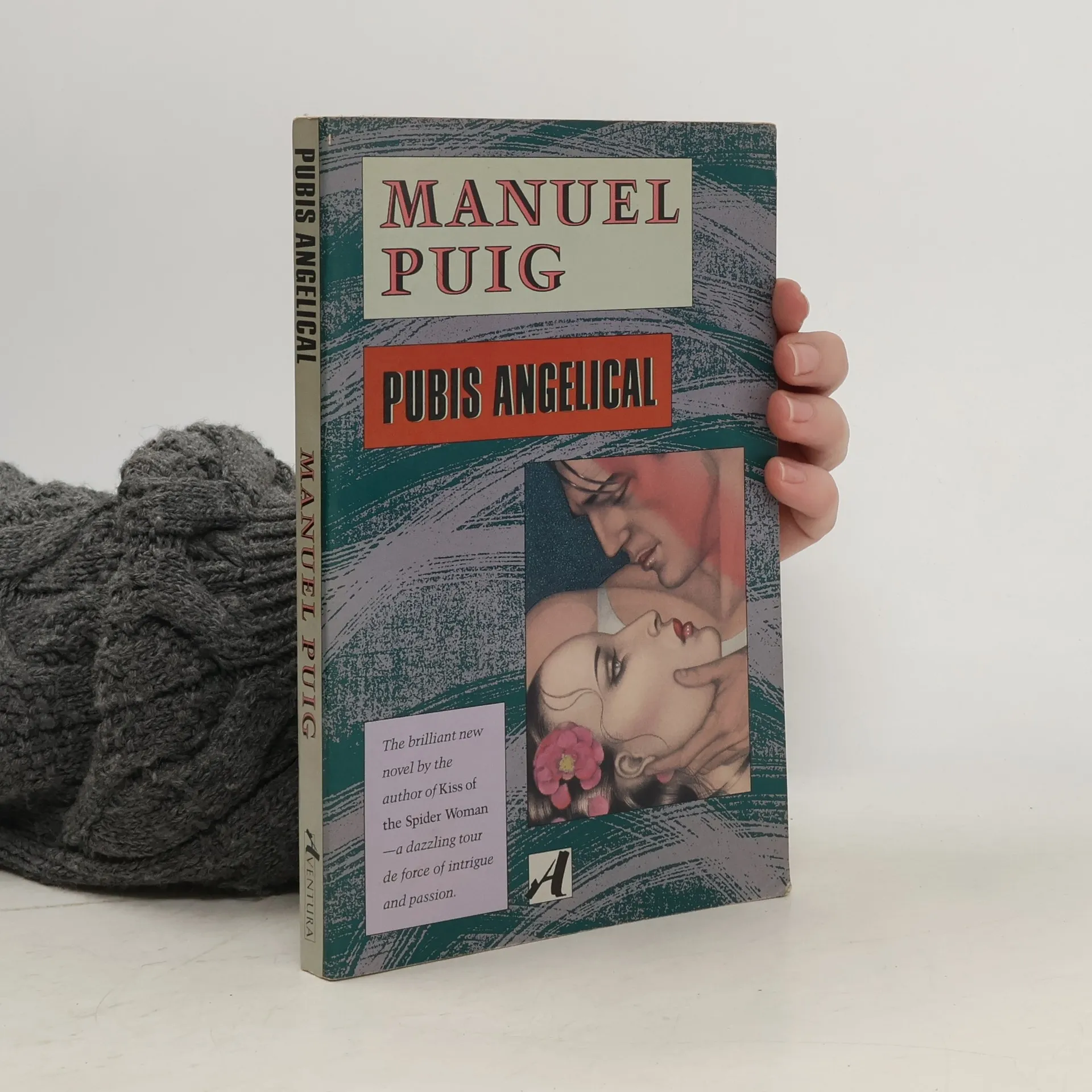
A brilliant tour-de-force about paranoia and sexual obsession, about the conscious and unconscious lives of a contemporary woman, from the acclaimed author of Kiss of the Spiderwoman.
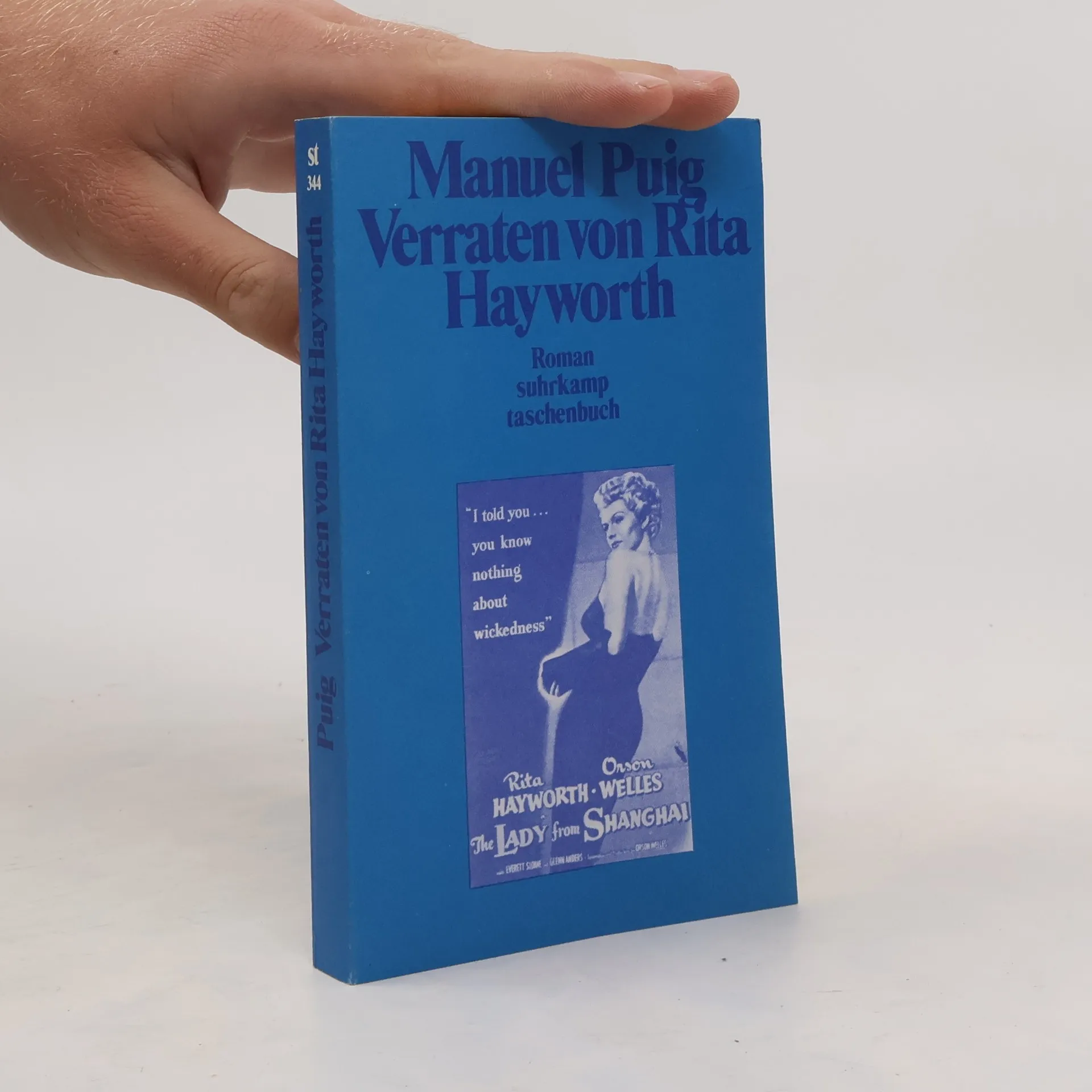
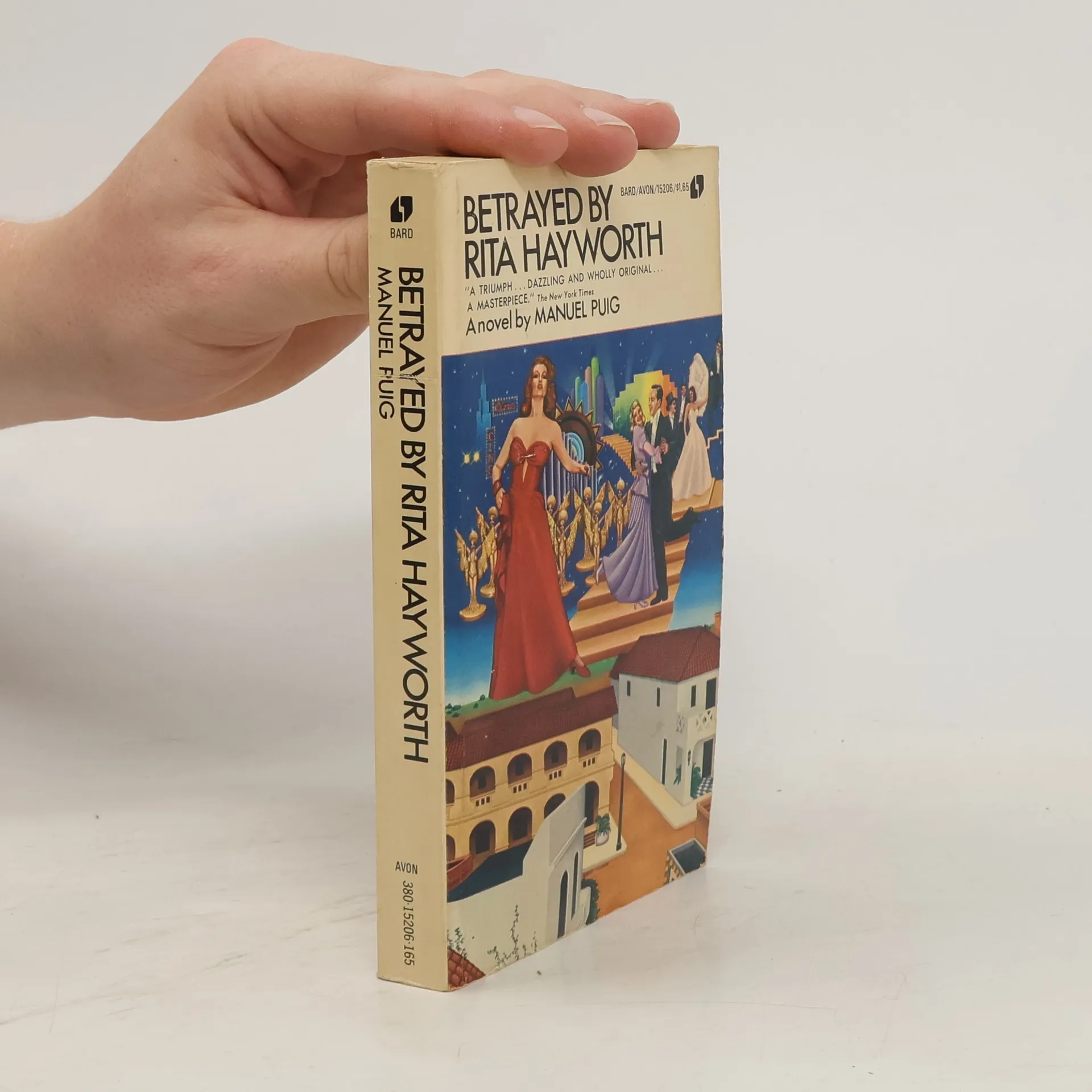
Finally back in print, Manuel Puig's celebrated first novel is a startling anatomy of a small town in thrall to its own petty lusts, betrayals, scandals, thefts, and gossip--but most of all, to the movies. Centering around a boy named Toto, privy to the town's secrets and always eager to fill in the ugly or upsetting moments of his childhood with Hollywood-inspired fantasy, Betrayed by Rita Hayworth is a symphony of disappointed, comic, bitter, and bawdy voices, all hemmed in by life's refusal to behave like the silver screen, and is perhaps the funniest and most honest coming-of-age story of its time.
From one of Latin America's most celebrated writers--author of Kiss of the Spider Woman--comes his poignant yet hard-edged final novel. At the heart of the story are two elderly Argentine sisters who share a life of gentle gossip. But through their conversations, Puig reveals the chaotic, violent lives of their neighbors.
Inventeur d'une vision de la réalité, d'un ton et d'une manière inédits dans la littérature sud-américaine, Manuel Puig a inauguré, avec Le plus beau tango du monde, une véritable rhétorique du cliché, des lieux communs du langage et du comportement, pour mieux percer le subconscient collectif d'un pays - l'Argentine - et d'une époque - les années 1940.
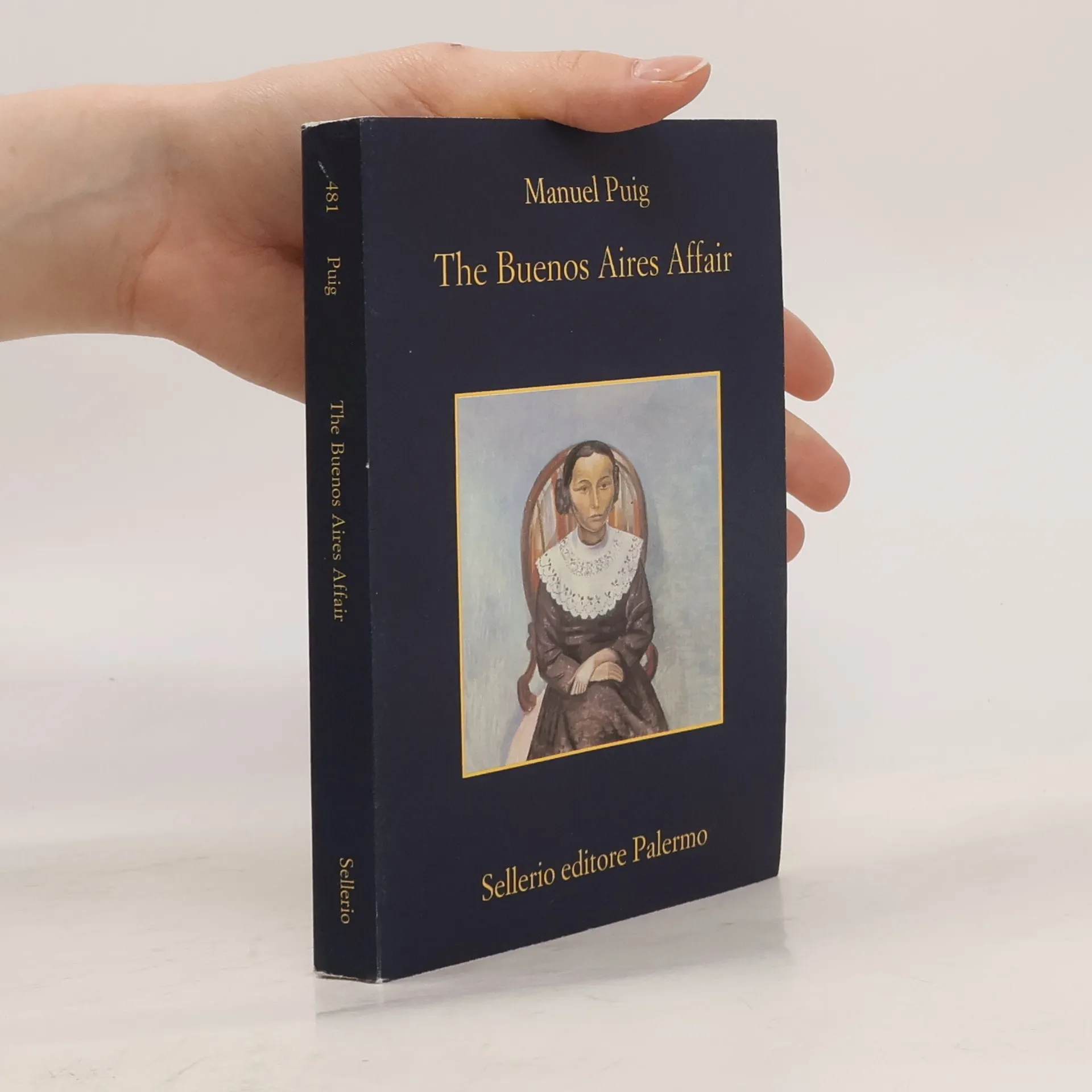
Il magistrale e ironico "romanzo giallo" di Manuel Puig riguarda il rapimento di una donna, un omicidio imminente e i vaghi ricordi di un migliaio di vecchie regine del glamour—Garbo, Dietrich, Veronica Lake, Rita Hayworth—che si combinano per creare un potente ritratto di due vite decisamente poco glamour: Gladys Hebe D’Onofrio, una solitaria scultrice di 35 anni, tormentata dalle sue fantasie e perpetuamente in cerca dell'amante ideale; e Leo Druscovich, un critico d'arte apparentemente sicuro di sé e di successo, profondamente turbato da una terribile colpa che riemerge nei suoi ripetuti fallimenti sessuali. Assumendo, scambiando e crescendo nei ruoli di vittima e criminale, le loro vite sono presentate attraverso una varietà di diversi tipi di "prove"—liste, appunti scarabocchiati, trascrizioni, interrogatori unilaterali—queste due anime perdute si trovano gradualmente completamente dipendenti l'una dall'altra... e dirette verso precisamente il tipo di conclusione violenta che un romanzo giallo richiede.
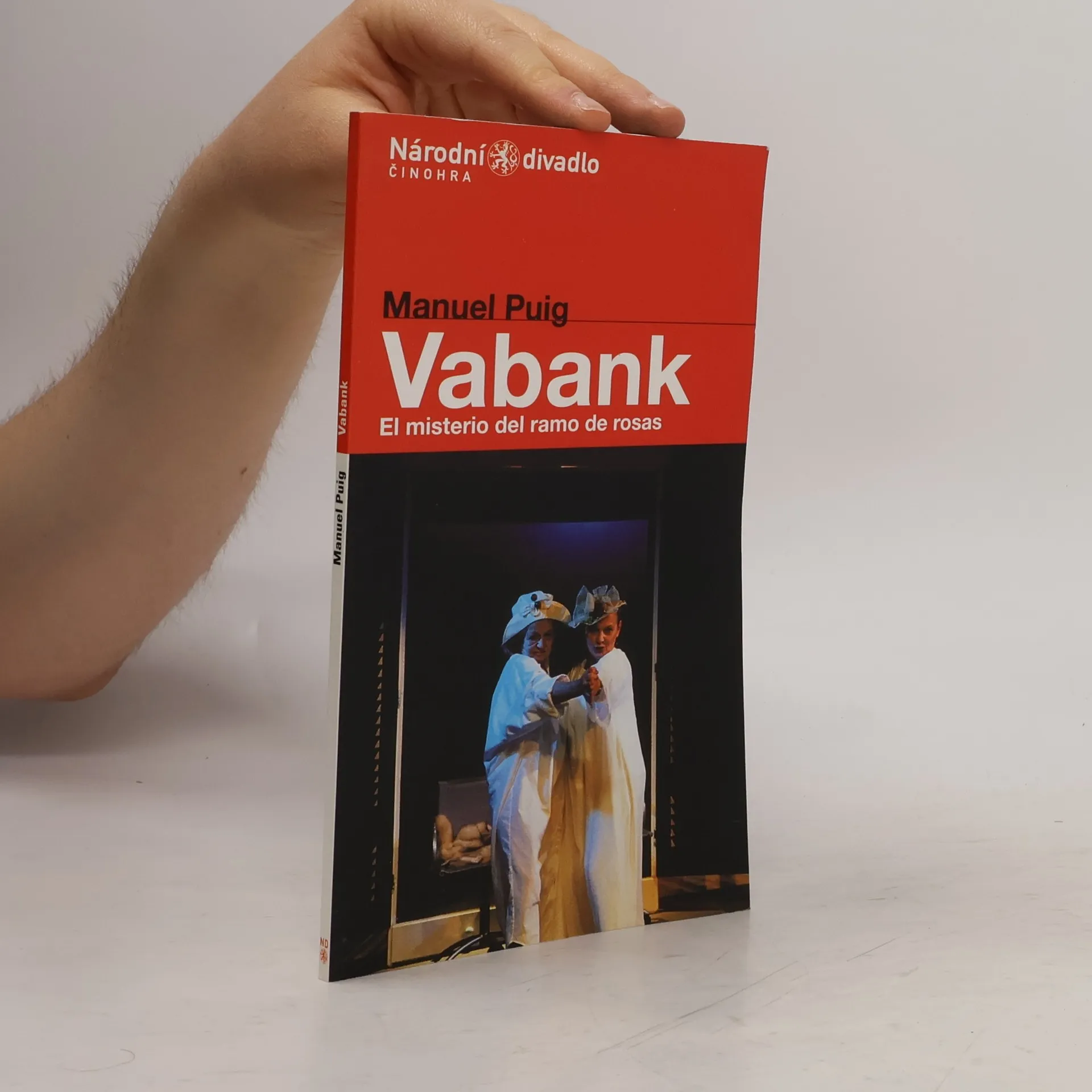
Divadelní program ND obsahuje kromě textu hry o dvou ženách (stárnoucí dámě a její pečovatelce) také studii o jejím autorovi a informace o jejích inscenátorech.
Divadelní program ND obsahuje kromě textu hry o dvou ženách (stárnoucí dámě a její pečovatelce) také studii o jejím autorovi a informace o jejích inscenátorech.
Román argentinského autora uvádí čtenáře do malého městečka uprostřed pampy. Na pozadí dvou navzájem se proplétajících milostných příběhů líčí autor typickou maloměstskou společnost 30. až 40. let. Pozoruhodná je především forma, které autor užívá: jde o přímé vyprávění, deníkové záznamy, dopisy a vzpomínky, které jako pestrá mozaika dávají dohromady velmi poutavý, lidsky zajímavý a psychologicky hluboký příběh, načrtnutý přitom se stručností filmového scénáře.
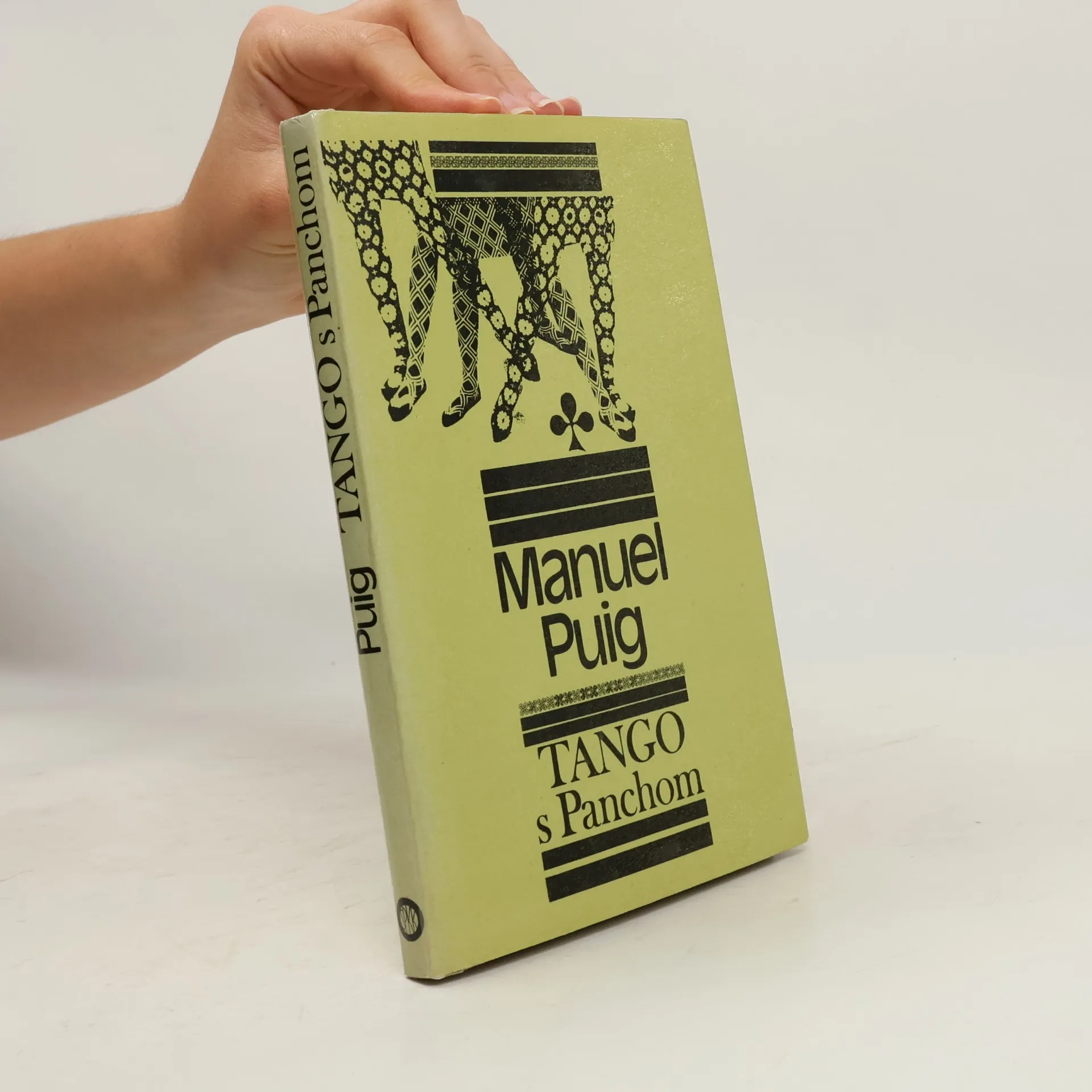
Autorov v poradí druhý román Tango s Panchom (1969), ktorý okrem domácich literárnych i čitateľských kruhov našiel zaslúženú odozvu aj v Európe, zachycuje z viacerých uhlov exotickú atmosféru pampy a argentínskeho vidieka s typickými charaktermi. Dejovú líniu tvoria rozmanité životné osudy,tragédie a ľúbostné romániky viacerých hrdinov, stelesňujúcich mladú generáciu krajiny. Ústredným motívom je parodicky spracovaný pohľad do obdobia tridsiatych a štyridsiatych rokov nášho storočia s jeho konzumnými tendenciami, pokryteckou morálkou a falošnými spoločenskými konvenciami. Hoci Puig pristupuje k vyjadreniu skutočnosti s ironicko-satirickým podtónom, pranieruje a kritizuje, spôsob kresby charakterov prezrádza autorovo porozumenie, zhovievavosť a lásku k jednoduchým ľuďom, ktorí žijú, živoria a umierajú v tiesnivom ovzduší provinčného mestečka. Aktuálnosť spoločenskej problematiky tohto sviežeho a príťažlivého dielka umocňuje svojrázny umelecký prístup využívajúci rôzne štylistické techniky a dôkladnú psychologickú analýzu medziľudských vzťahov.