Rowena AkinyemiVolgorde van de boeken (chronologisch)
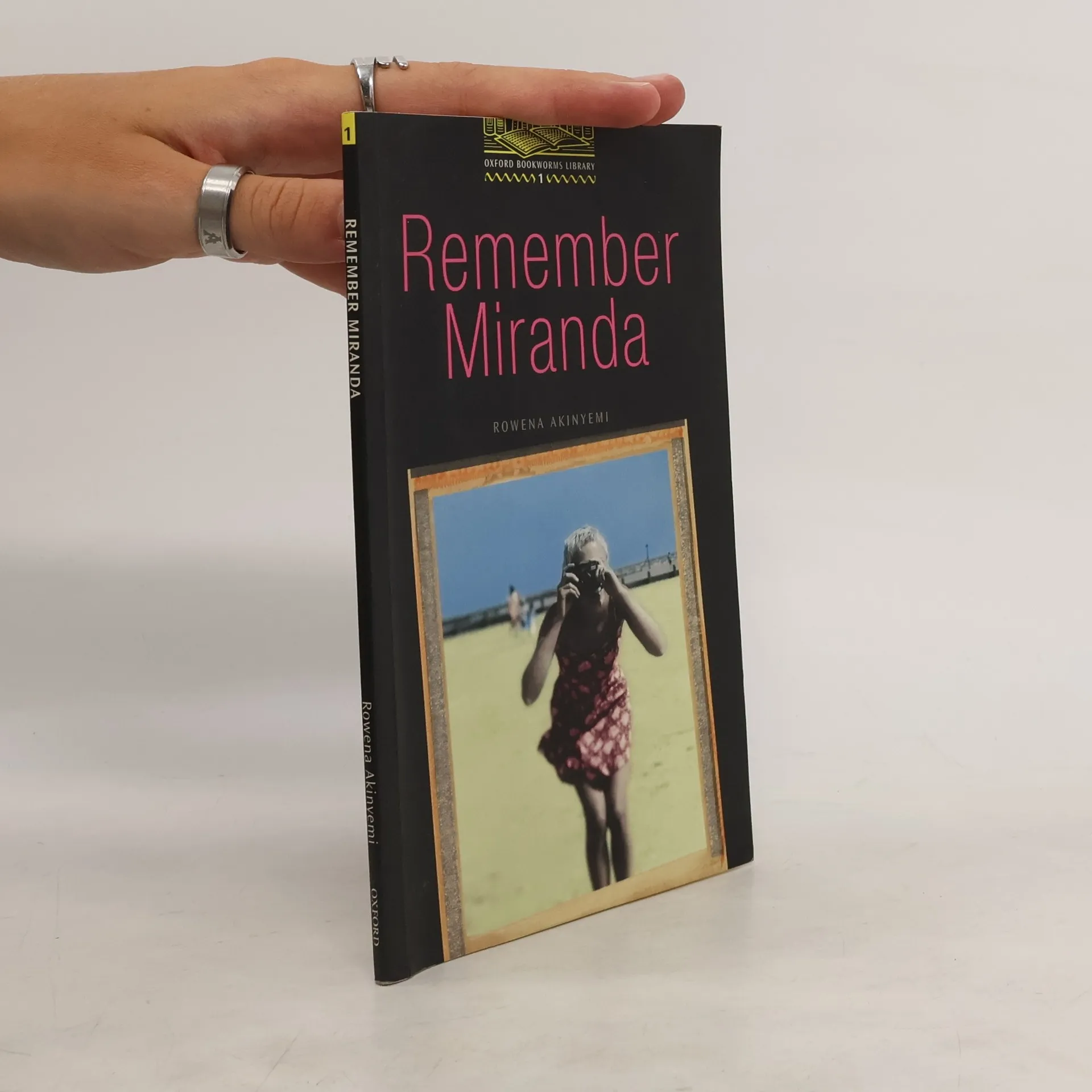
Rowena Akinyemi creëert boeiende verhalen die zich vaak verdiepen in de complexiteit van liefde en geld. Haar werk kenmerkt zich door een toegankelijke stijl, waardoor haar fictie favoriet is in contexten van Engelse taallessen. Nu gevestigd in Cambridge na jaren in Afrika, bieden haar verhalen voor taalleerders inzichten in ingewikkelde menselijke relaties. Haar voorliefde voor detectiveverhalen informeert waarschijnlijk de meeslepende en spannende kwaliteit van haar eigen schrijven.
Oxford Bookworms enjoy a world-wide reputation for high-quality storytelling and a great reading experience.Research shows reading a lot improves all your language skills.Experts recognize Oxford Bookworms as the most consistent series in terms of language control, length, and quality of story - very important for fluent reading and extensive reading.
Who will speak for the poor? Who will listen to slaves, and those who have no rights? Who will work for a future where everyone is equal? Who will give up his house, job, and money to fight for people who are shut out by everyone else? 'I will,' said Mohandas Gandhi. And he began to fight in a way the world had not seen before - not with weapons, and wild crowds, and words of hate, but with the power of non-violence. This is the story of a man who became the Father of the Nation in his own country of India, and a great leader for the whole world.
Reading a complete story in English gives students a great sense of achievement -- and encourages them to read more. The Oxford Bookworms Library offers a variety of titles. The books are graded at six vocabulary levels ranging from 250 words (Starter) to 2,500 (Advanced).
Reading a complete story in English gives students a great sense of achievement -- and encourages them to read more. The Oxford Bookworms Library offers a variety of titles. The books are graded at six vocabulary levels ranging from 250 words (Starter) to 2,500 (Advanced).
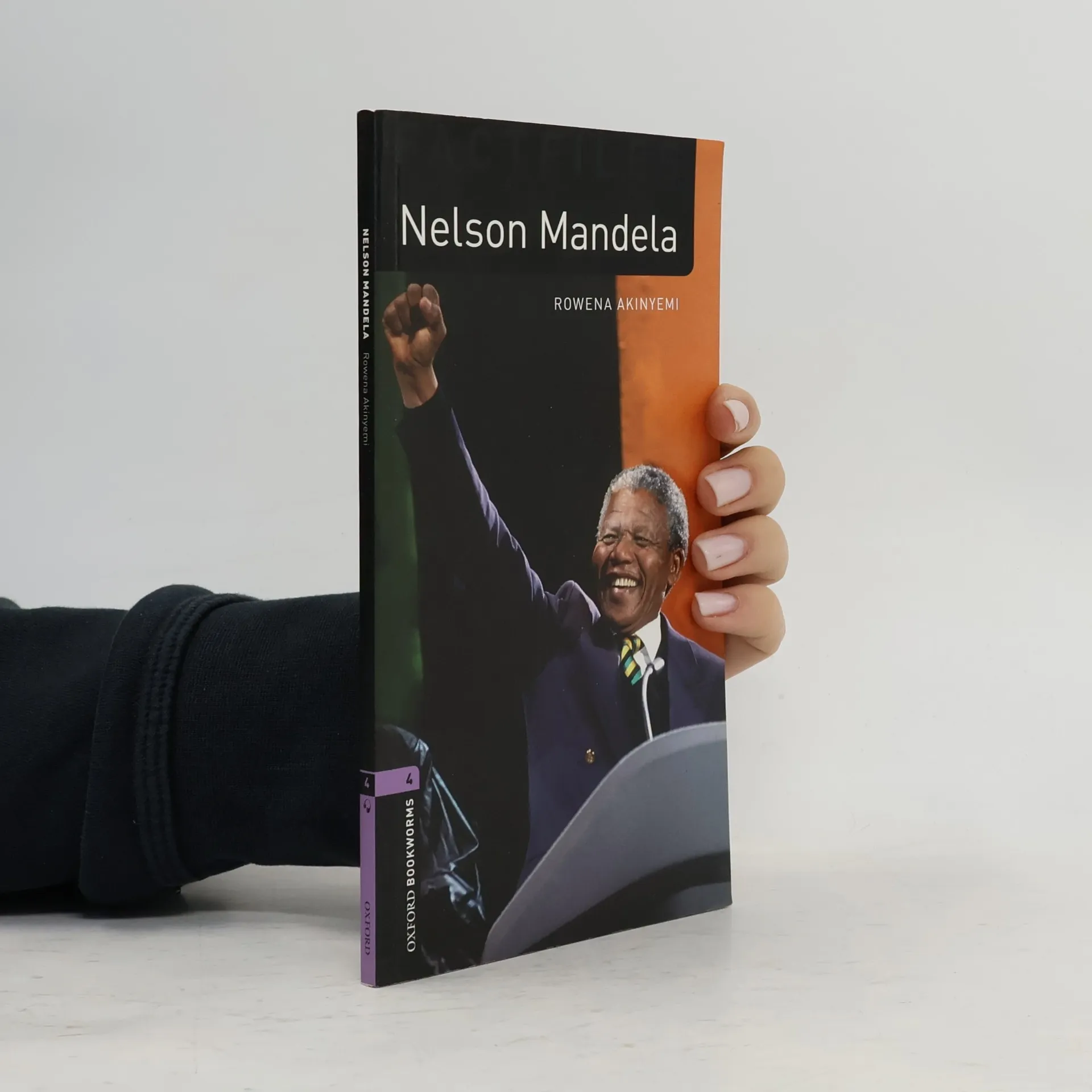
"In 1918 in the peaceful province of Transkei, South Africa, the Mandela family gave their new baby son the name Rolihlahla - 'troublemaker'. But the young boy's early years were happy ones, and he grew up to be a good student and an enthousiastic sportsman. Who could imagine then what was waiting for Nelson Mandela - the tireless struggle for human rights, the long years in prison, the happiness and sadness of family life, and one day the title of President of South Africa? This is the story of an extraordinairy man, recognised as one of the world's greatest leaders, whose long walk to freedom brought new hope to a troubled nation."--Publisher
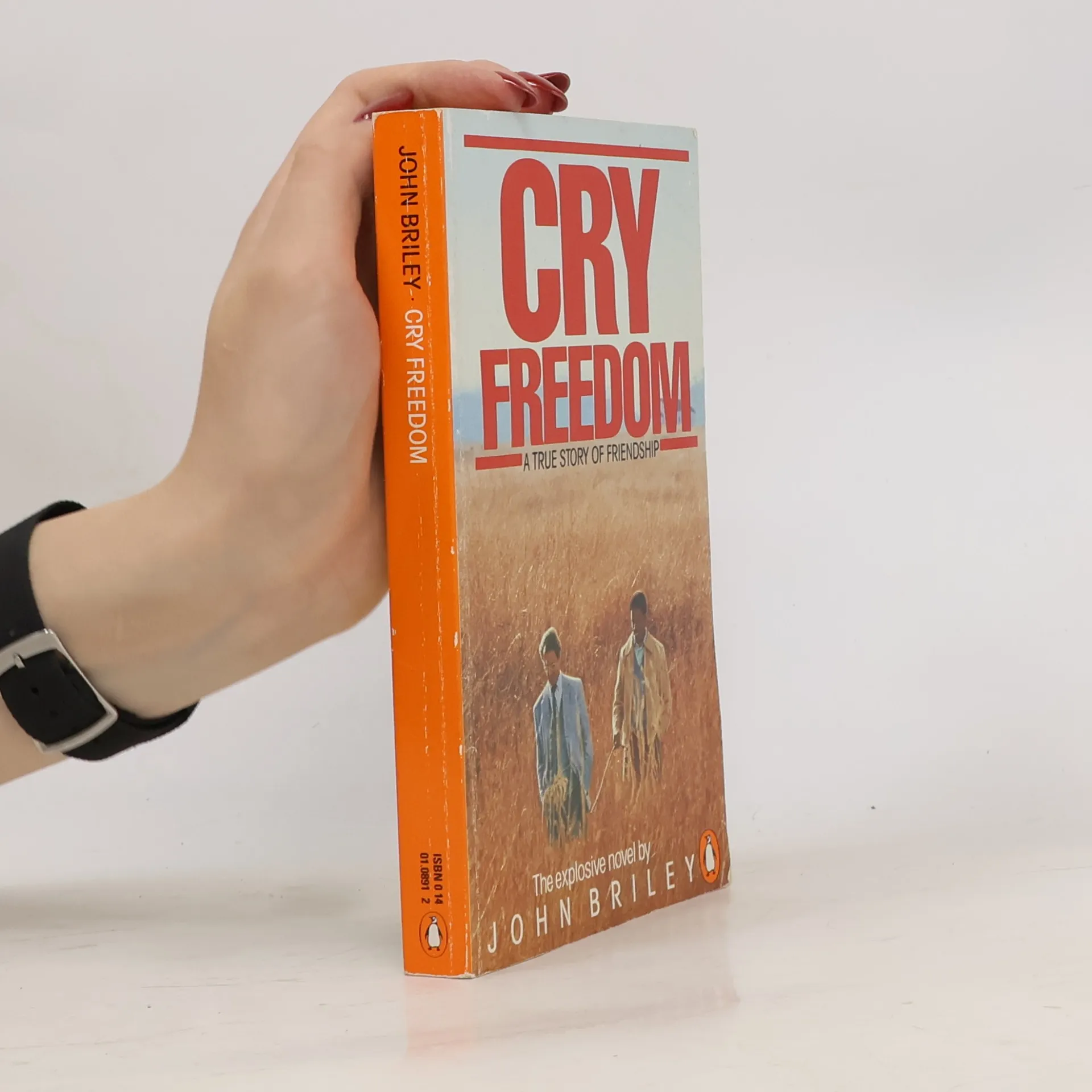
John Briley is the award-winning script writer of Ghandi. He has worked with Attenborough and Woods to write a first-rate screenplay for the film "Cry Freedom" and this novelisation of that.
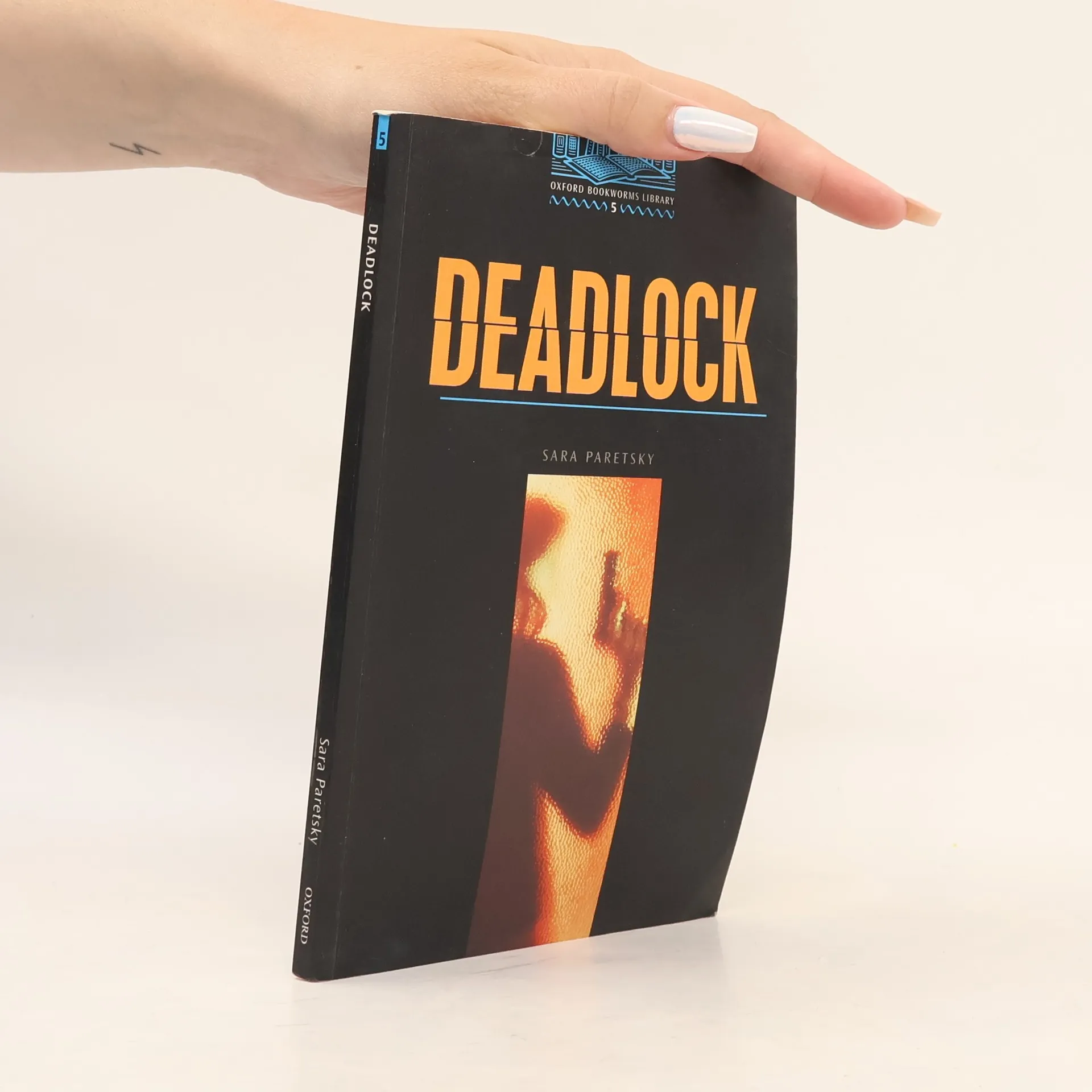
V. I. Warshawski, private investigator, Chicago, USA. People imagine private detectives to be tired-looking men in raincoats, but Vic is female. She's tough, beautiful, carries a gun - and goes on asking questions until she gets answers. When her cousin Boom Boom dies in an accident, Vic is naturally upset. She wants to know how and why the accident happened, and she isn't satisfied by the answers she gets. So she goes on asking questions . . . and more people start to die.
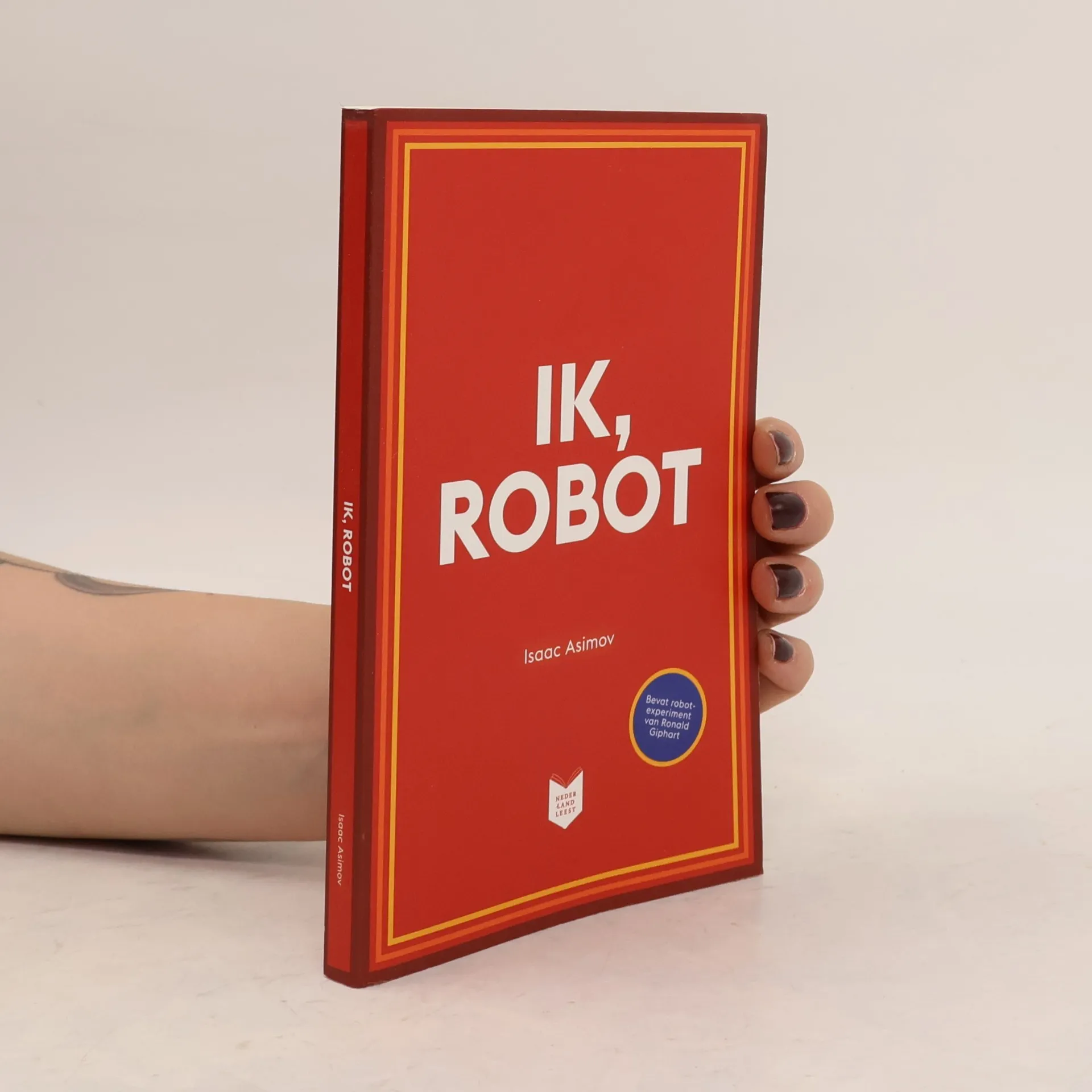
Ik, robot van Isaac Asimov is een futuristische raamvertelling rond hoofdpersoon Susan Calvin (1982), robotpsycholoog in 2057, die terugblikt op haar leven.'Voor u is een robot een robot. Raderwerk en metaal, elektriciteit en positronen…Een brein en ijzer! Door mensen gemaakt. Als het nodig is, ook weer door mensen te vernietigen! Maar u hebt niet met ze gewerkt, dus u kent ze niet. Ik zeg u dat ze een zuiverder en beter soort zijn dan wij zijn.’Calvin ontmoette in haar leven allerlei soorten robots. Het gaat in de 9 verhalen over de menselijke trekken bij robots die ontstaan door de mazen in de wetten van de robotica. Hoewel sommige verhalen in de bundel al meer dan een halve eeuw geleden geschreven werden zijn ze qua inhoud, stijl en humor nog steeds actueel. Een spannend boek met ook nog echte breinbrekers!Isaac Asimov (1920 – 1992) geldt als misschien wel de grootste science fictionauteur aller tijden. Hij was de grondlegger van de robotica en kwam met drie belangrijke wetten die nog steeds als basis dienen voor het denken over robots.Het tiende verhaal 'De robot van de Machine is de mens' in deze speciale Nederland Leest uitgave van Ik, robot is geschreven door Ronald Giphart in samenwerking met een robot ontwikkeld door Folgert Karsdorp (Meertens Instituut, Amsterdam), Enrique Manjavacas, Ben Burtenshaw en Mike Kestemont (Universiteit van Antwerpen).
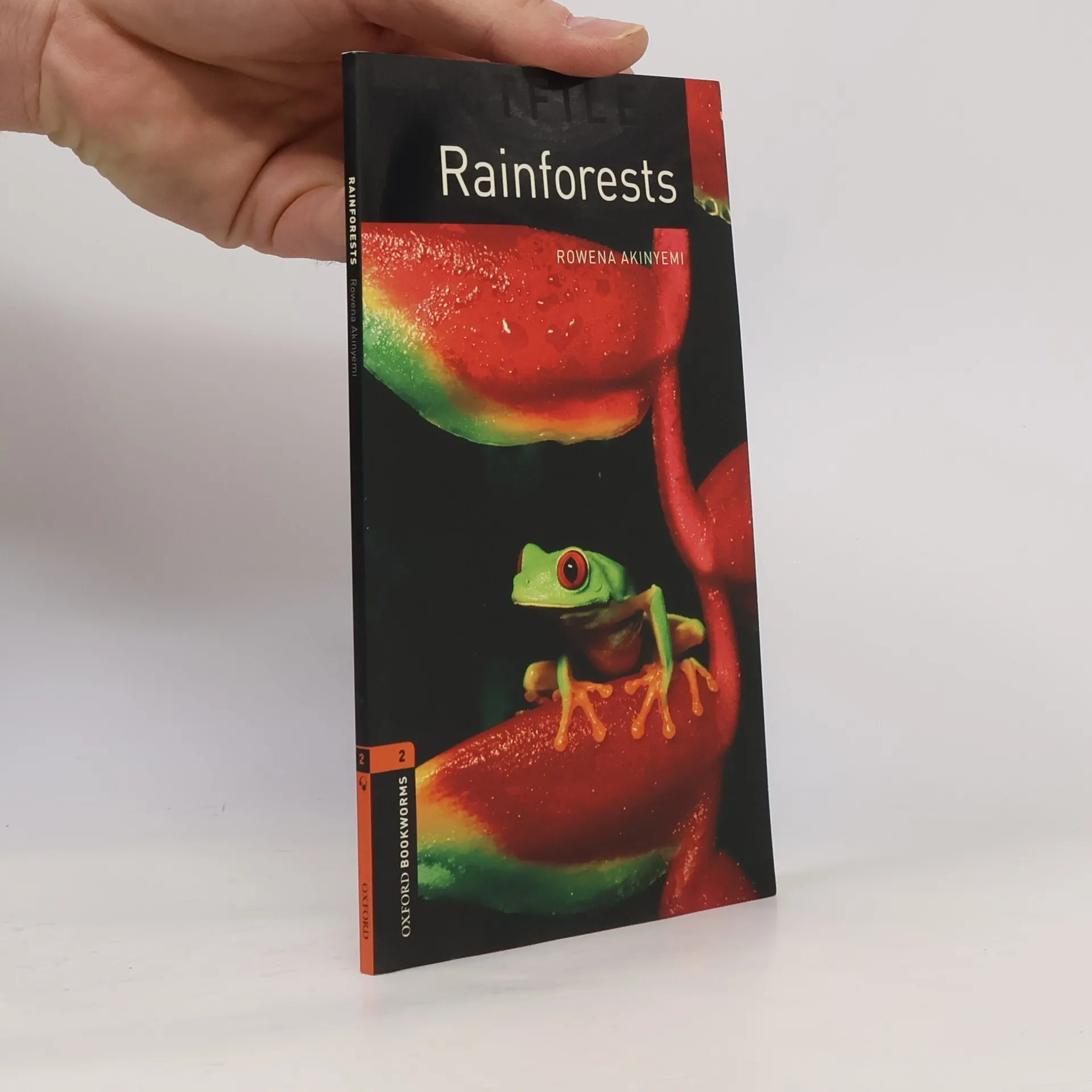
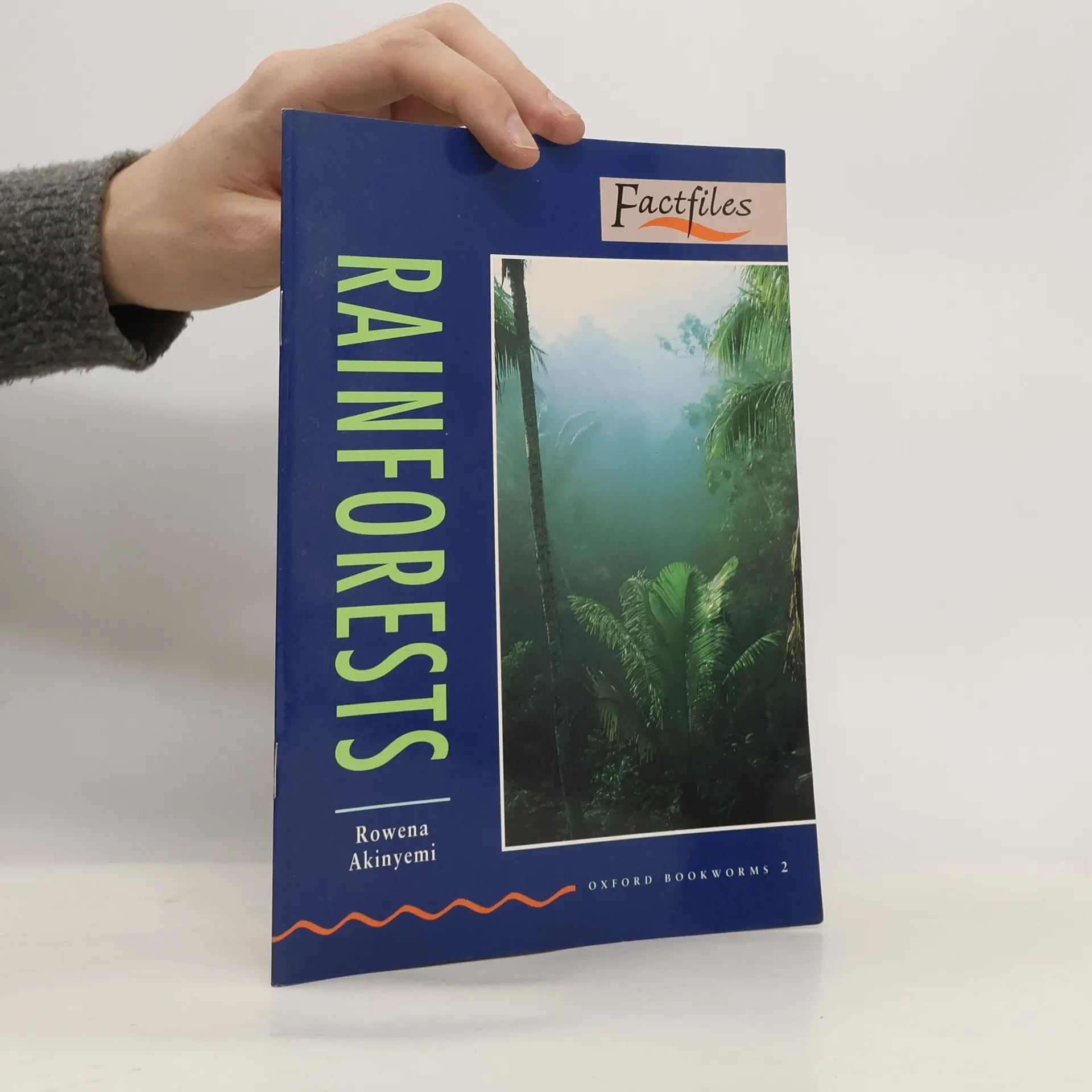
Factfiles are a sub-series of Bookworms with a non-fiction angle, providing factual information for students who are not so much interested in fiction.
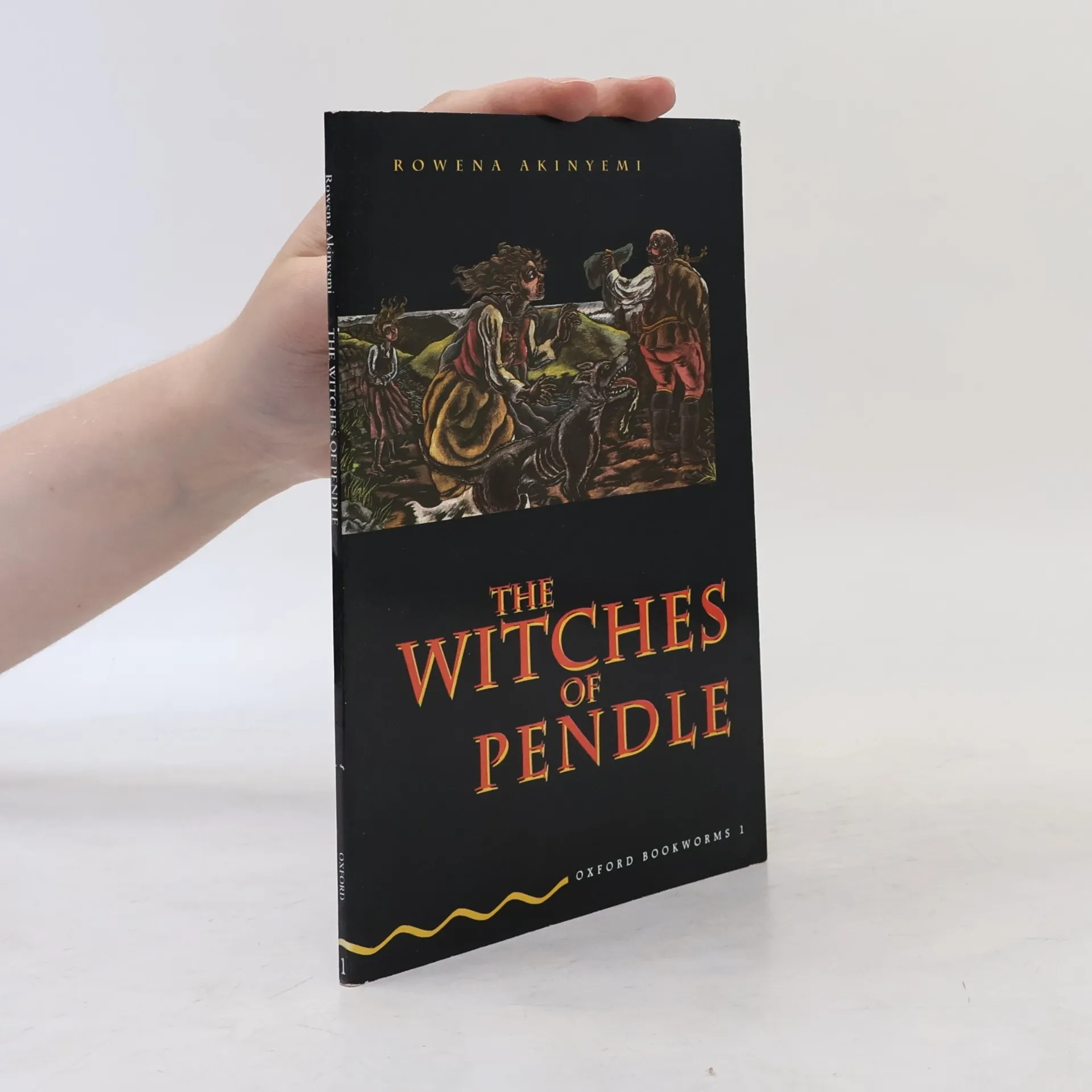
Part of a series of elementary readers which offers students the opportunity to extend their reading and appreciation of the English language, this reader at Stage 1 contains 400 headwords. It is a tale of fear and superstition in 17th-century Lancashire.
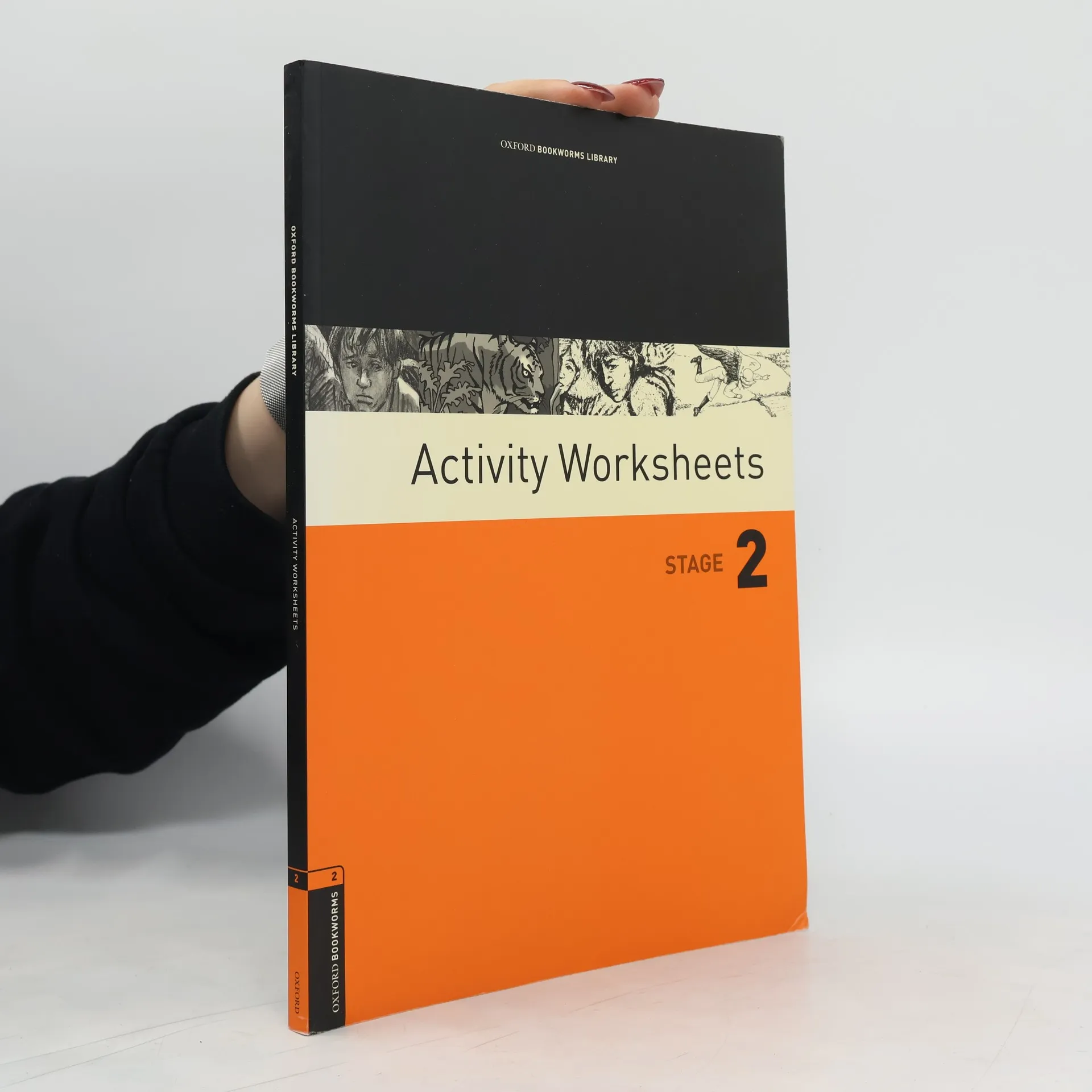
"Oxford Bookworms" offer students at all levels the opportunity to extend their reading and appreciation of English. There are six stages, taking students from elementary to advanced level. At the lower stages, many of the texts have been specially written for the series, to provide elementary and lower-intermediate students with an introduction to real reading in English. At the higher stages, most of the books have been adapted from works originally published for native speakers. The language controls used in "Oxford Bookworms" are based on a syllabus specially created for the series by Tricia Hedge. This takes account of the more traditional approaches to grading and recent research into the nature of reading difficulty. The approximate vocabulary count for each stage is: Stage 1 - 400 words; Stage 2 - 700 words; Stage 3 - 1000 words; Stage 4 - 1400 words; Stage 5 - 1800 words; Stage 6 - 2500 words. All stages have exercises for classroom or private use, plus a supporting glossary to help students with vocabulary. Illustrations are used, especially at the lower stages, to help comprehension