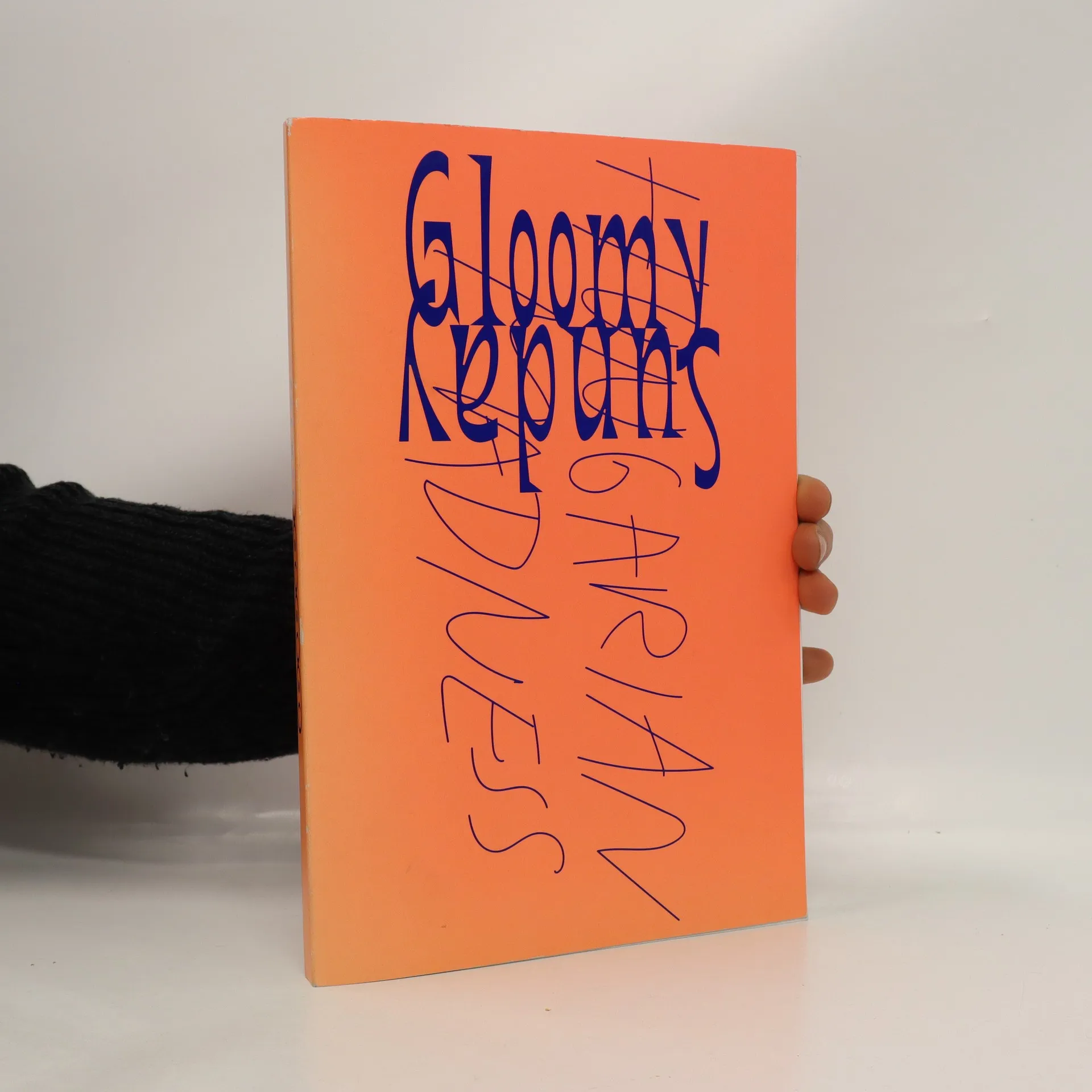
Alžírský režisér Mohammed Lakhdar-Hamina (*1934) a nedávno zesnulý syrský režisér Nabil Maleh (1936–2016) jsou společně považováni zakladatele svých národních kinematografií a klíčové postavy arabského filmu. Vzhledem ke své politicky angažované a esteticky jedinečné tvorbě jsou také známí na mezinárodní scéně. Málokdo však ví, že v 60. letech oba dva studovali na pražské FAMU a že se toto studium bezpochyby odrazilo v jejich tvorbě. Mezi další významné asijské a africké režiséry, kteří prošli studiem na FAMU patří srílanský režisér Piyasiri Gunaratna (1939) a tuniský dokumentarista Hafed Bouassida (1947), stejně jako desítky dalších režisérů, kameramanů a scénáristů z různých zemí Asie, Afriky a Latinské Ameriky. Dvojjazyčná publikace se zaměřuje na kulturní výměnu spjatou s pobytem filmařů ze třetího světa v Československu. Zahrnuje rozhovory s některými z režisérů (Hafed Bouassida, Pyasiri Gunaratna) a studie tvorby Mohammeda Lakhdara-Haminy (Olivier Hadouchi) a Nabila Maleha (Kay Dickinson). Publikace rovněž zahrnuje text Alice Lovejoy o cestě Františka Vláčila do Číny. Obecnějším kontextem se zabývá esej Daniely Hannové o arabských studentech v Československu.
Kateřina Pietrasová Boeken
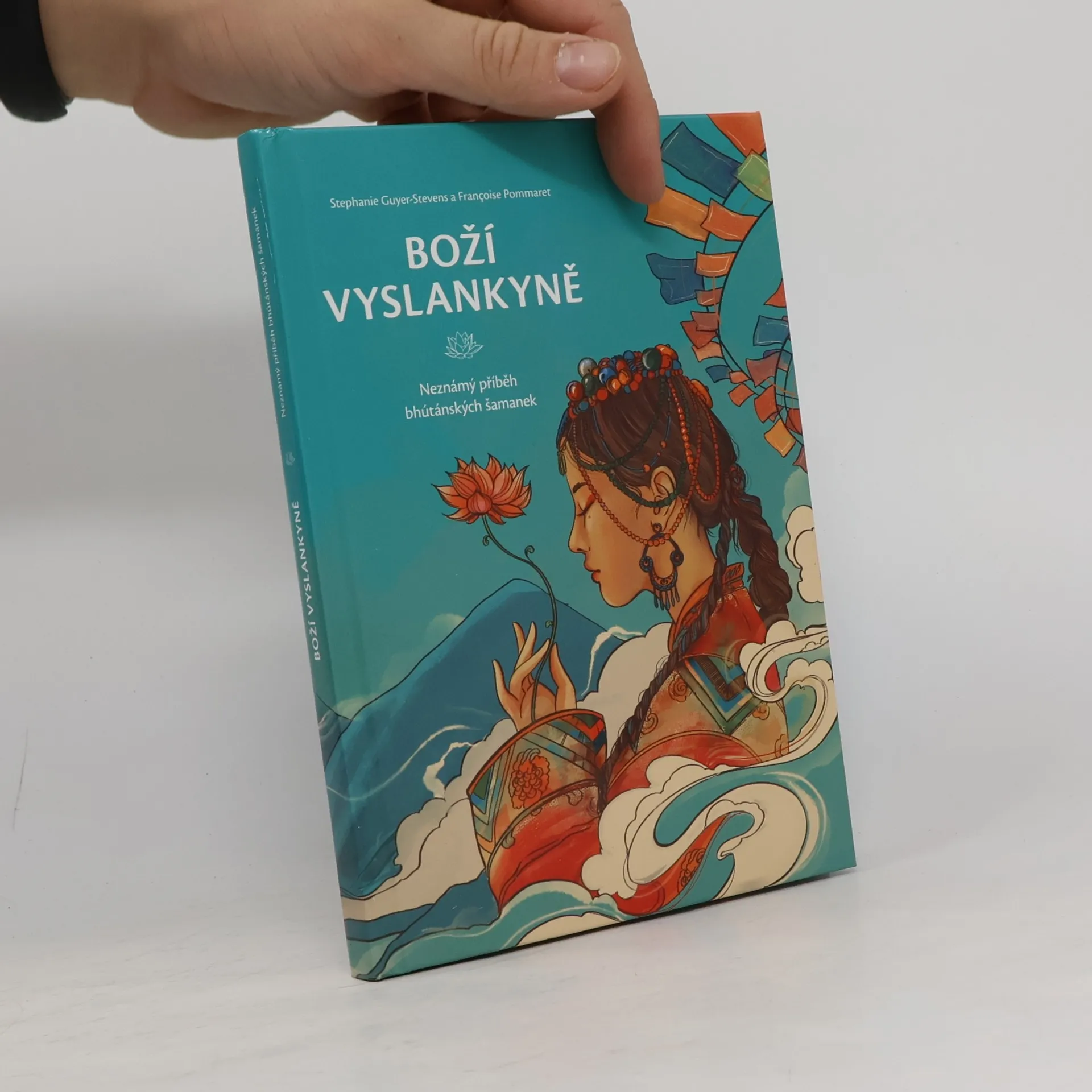


What's Your Problem?
- 232bladzijden
- 9 uur lezen
Are you solving the right problems? If not, reframing can help. Many people have experienced the frustration of focusing on the wrong issue, a challenge that 85 percent of companies acknowledge. This misdirection leads to severe consequences: firms engage in misguided strategic battles, teams waste energy on low-impact tasks, and entrepreneurs create unwanted products. Organizations often implement new rules that exacerbate issues rather than resolve them, resulting in significant waste. As management thinker Peter Drucker noted, the right answer to the wrong question is dangerous. However, there is hope. Reframing the problem is a crucial skill that can be mastered. Author Thomas Wedell-Wedellsborg presents a simple, three-step technique—Frame, Reframe, Move Forward—that anyone can apply to tackle the right problems. Reframing is easy to learn and applicable to both everyday challenges and complex business issues. This engaging book features insights from leaders across various sectors, including large companies, entrepreneurs, and non-profit organizations. It's time to stop pursuing the wrong solutions. By teaching yourself and your team to reframe, you can pave the way for growth and success.
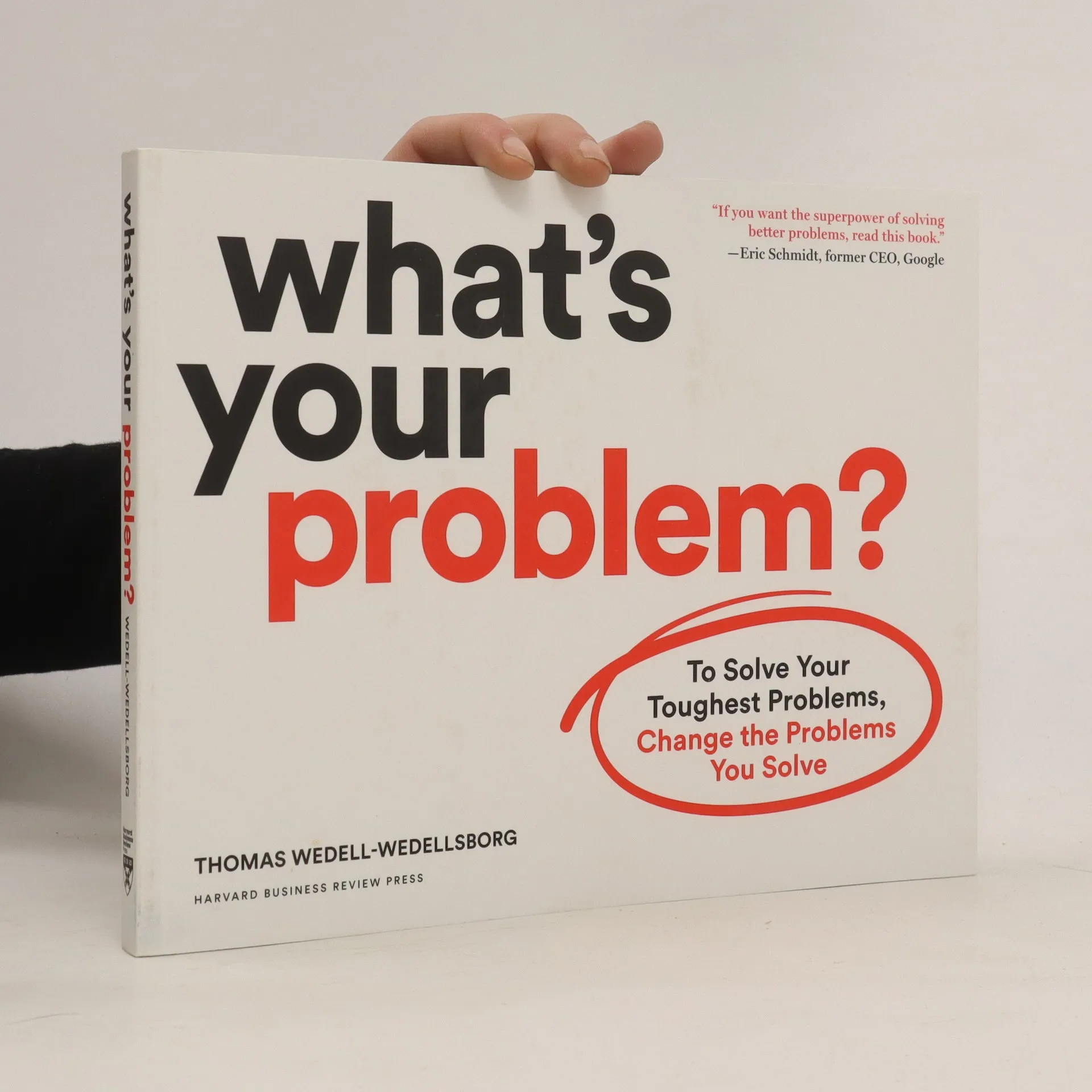
The man who couldn't stop
- 290bladzijden
- 11 uur lezen
A Sunday Times Bestseller Have you ever had a strange urge to jump from a tall building, or steer your car into oncoming traffic? You are not alone. In this captivating fusion of science, history and personal memoir, writer David Adam explores the weird thoughts that exist within every mind, and how they drive millions of us towards obsessions and compulsions. 'One of the best and most readable studies of a mental illness to have emerged in recent years . . . an honest and open and, yes, maybe life-changing work' - Matt Haig, Observer Told with fierce clarity, humour and urgent lyricism, this extraordinary book is both the haunting story of a personal nightmare, and a fascinating doorway into the darkest corners of our minds. David has suffered from obsessive compulsive disoder (OCD) for twenty years, and The Man Who Couldn't Stop is his unflinchingly honest attempt to understand the condition and his experiences. What might lead an Ethiopian schoolgirl to eat a wall of her house, piece by piece; or a pair of brothers to die beneath an avalanche of household junk that they had compulsively hoarded? At what point does a harmless idea, a snowflake in a clear summer sky, become a blinding blizzard of unwanted thoughts? Drawing on the latest research on the brain, as well as historical accounts of patients and their treatments, this is a book that will challenge the way you think about what is normal, and what is mental illness.
The accidental masterpiece : on the art of life and vice versa
- 256bladzijden
- 9 uur lezen
A New York Times bestseller, this dazzling and inspirational survey reveals how art can be found and appreciated in everyday life. Michael Kimmelman, a prominent New York Times writer and regular contributor to The New York Review of Books, combines his deep understanding of art and music with his experience as a pianist to offer readers insights that inspire them to connect art with the larger world. This long-awaited book explores art as life's great passion, teaching us what we can learn from pictures, sculptures, and their creators. Kimmelman assures us that art can be found almost anywhere if we open our eyes to recognize it. He views art as a passage that helps clarify a larger perspective on life, presenting the journey of discovering art in our own lives as an art form in itself. The characters he describes range from renowned artists like Bonnard and Chardin to explorers, paint-by-numbers enthusiasts, amateur photographers, and even those like Charlotte Solomon, whose single work encapsulated a life. Kimmelman evokes the Wunderkammer, a cabinet of wonders from seventeenth-century Europe, symbolizing the art of life. His book serves as a literary Wunderkammer, filled with surprises and philosophical reflections, encouraging readers to envision their own personal cabinets of wonders.
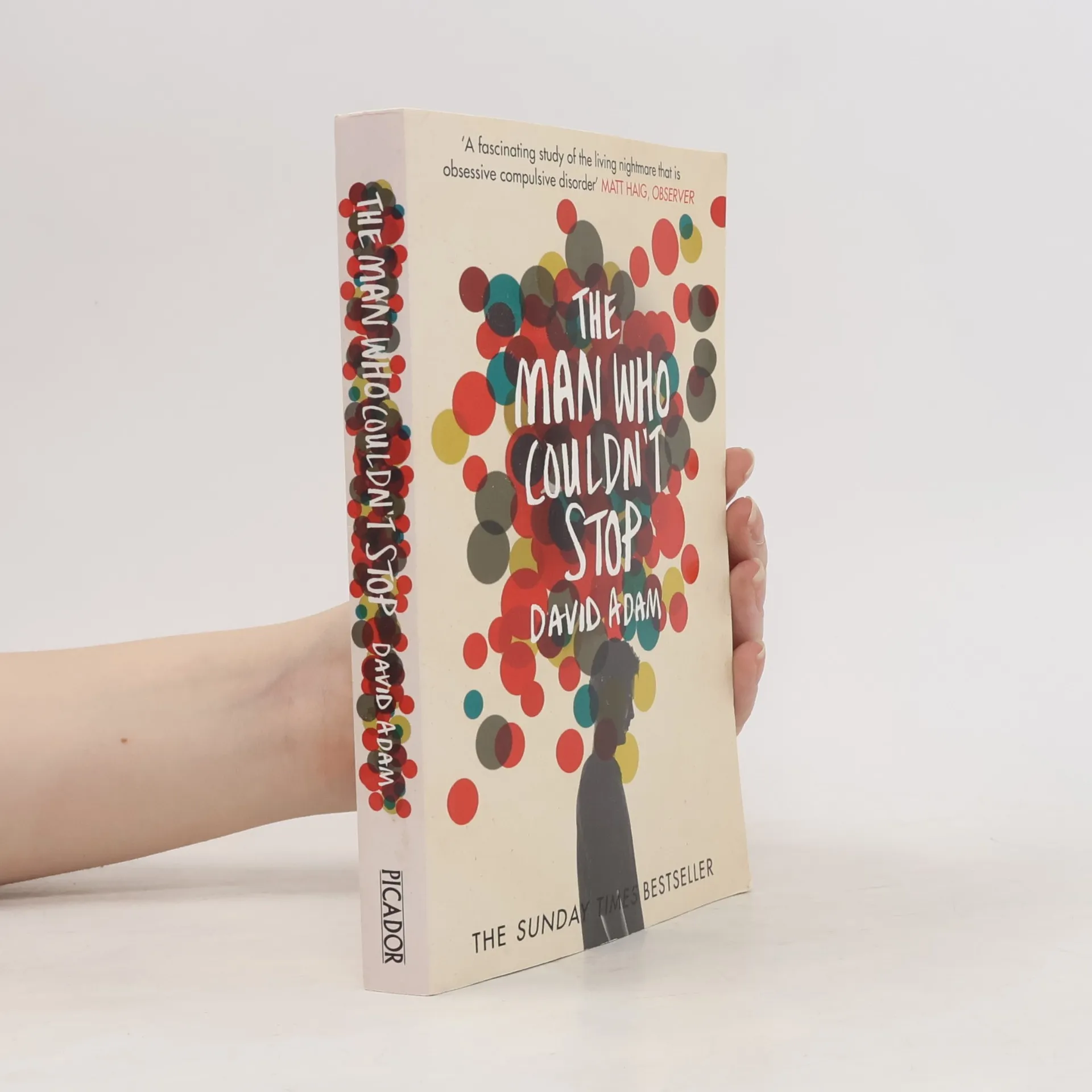
Boží vyslankyně. Neznámý příběh bhútánských šamanek
- 148bladzijden
- 6 uur lezen
Autorky vypráví o svém setkání s bhůtanskými šamankami v Himalájích. V knize zprostředkovávají jejich duchovní život a prožitky, rituály. Součástí knihy je také přehled dějin jejich tradice a životopis Sangje Čhözom, boží vyslankyně z 18. stol.
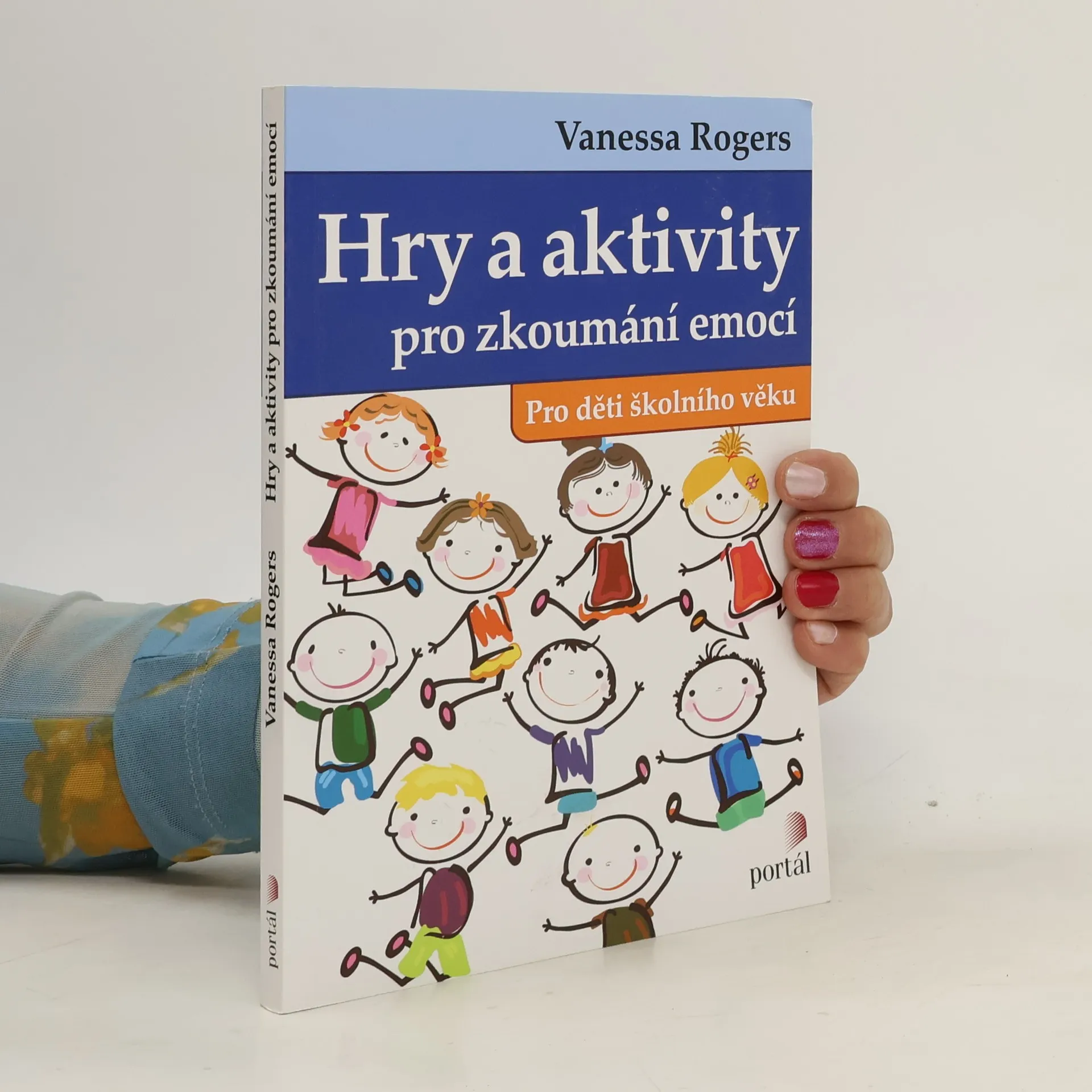
Hry a aktivity pro zkoumání emocí: pro děti školního věku
- 144bladzijden
- 6 uur lezen
Zábavné hry a aktivity jsou určené pro děti ve věku 7–13 let a jejich cílem je pomoci dětem zkoumat, chápat a pozitivně vyjadřovat vlastní pocity. Jednotlivé aktivity se zabývají např. vztahy mezi vrstevníky, navazováním přátelství, ale i šikanou nebo žárlivostí. Jejich cílem je podpořit u dětí zdravé sebevědomí, rozvíjet jejich ambice a motivaci a pomoci jim, aby se v kolektivu cítily dobře a bezpečně. Každá aktivita je jasně vysvětlená, její popis zahrnuje cíl, jehož má být dosaženo, pomůcky, jež jsou k tomu zapotřebí, a celkový průběh.