This is a pre-1923 historical reproduction that was curated for quality. Quality assurance was conducted on each of these books in an attempt to remove books with imperfections introduced by the digitization process. Though we have made best efforts - the books may have occasional errors that do not impede the reading experience. We believe this work is culturally important and have elected to bring the book back into print as part of our continuing commitment to the preservation of printed works worldwide.
Henri Mitterand Boeken
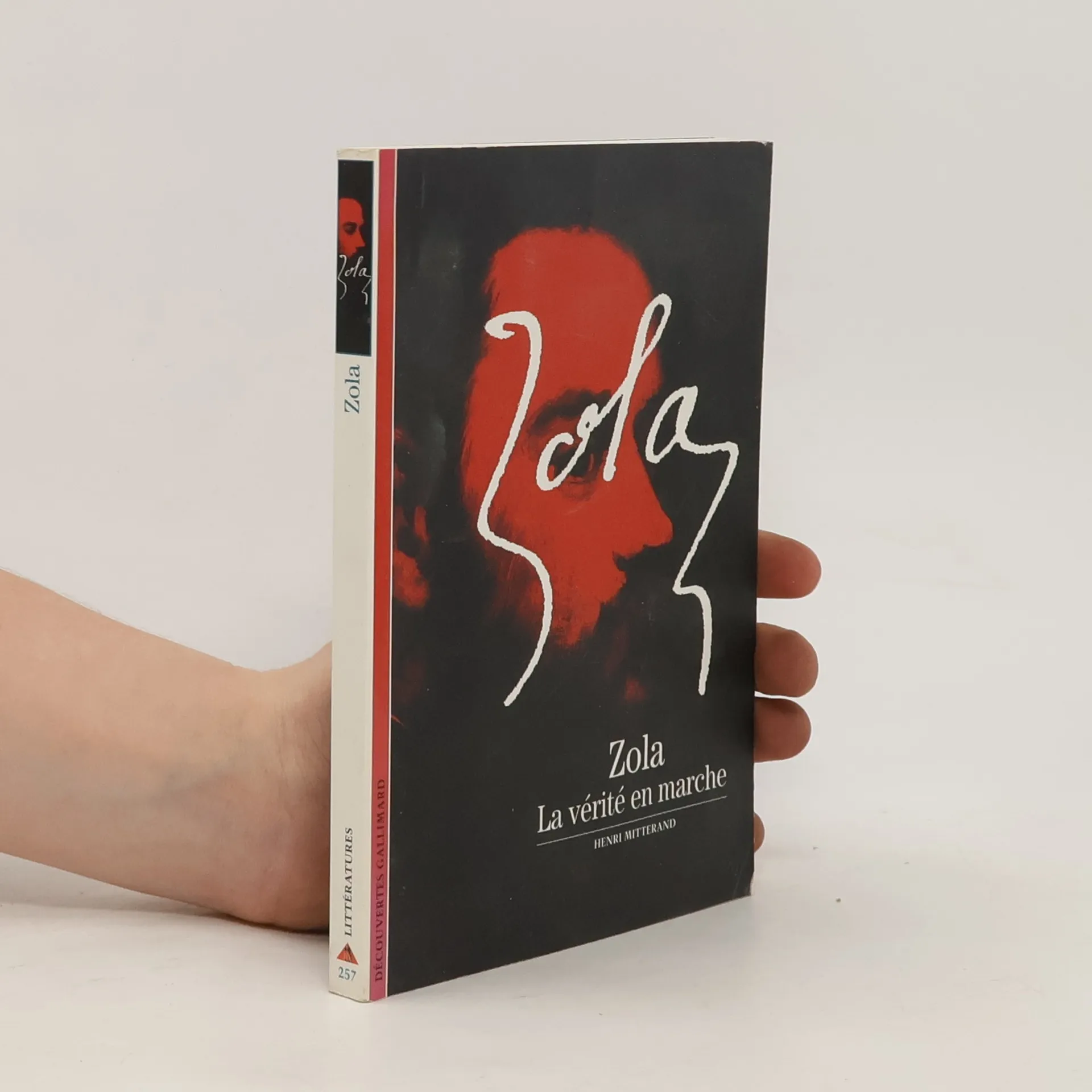
Orphelin de père à sept ans, arraché adolescent à la Provence de son enfance, Zola entre dans la vie sous le signe du déchirement. Foin des études, de la rhétorique, et même de la poésie, il sera journaliste, avant de poursuivre, sur le mode romanesque, une enquête passionnée sur son temps. De L'Assommoir à Nana, de Germinal à La Bête humaine, Zola mène, à travers le cycle des Rougon-Macquart, sa grande bataille pour un roman d'observation et d'analyse, niais aussi pour les libertés du récit et du rêve. Engagé, il l'est. Au point où le roman et la vie ne feront plus qu'un. Ce sera " J'accuse ! ", au vif de l'affaire Dreyfus. Connaisseur éminent de sa vie et de son œuvre, Henri Mitterand retrace ici le parcours littéraire, historique et sentimental de celui qui, condamné à l'exil, osait encore écrire : " La vérité est en marche, et rien ne l'arrêtera. "
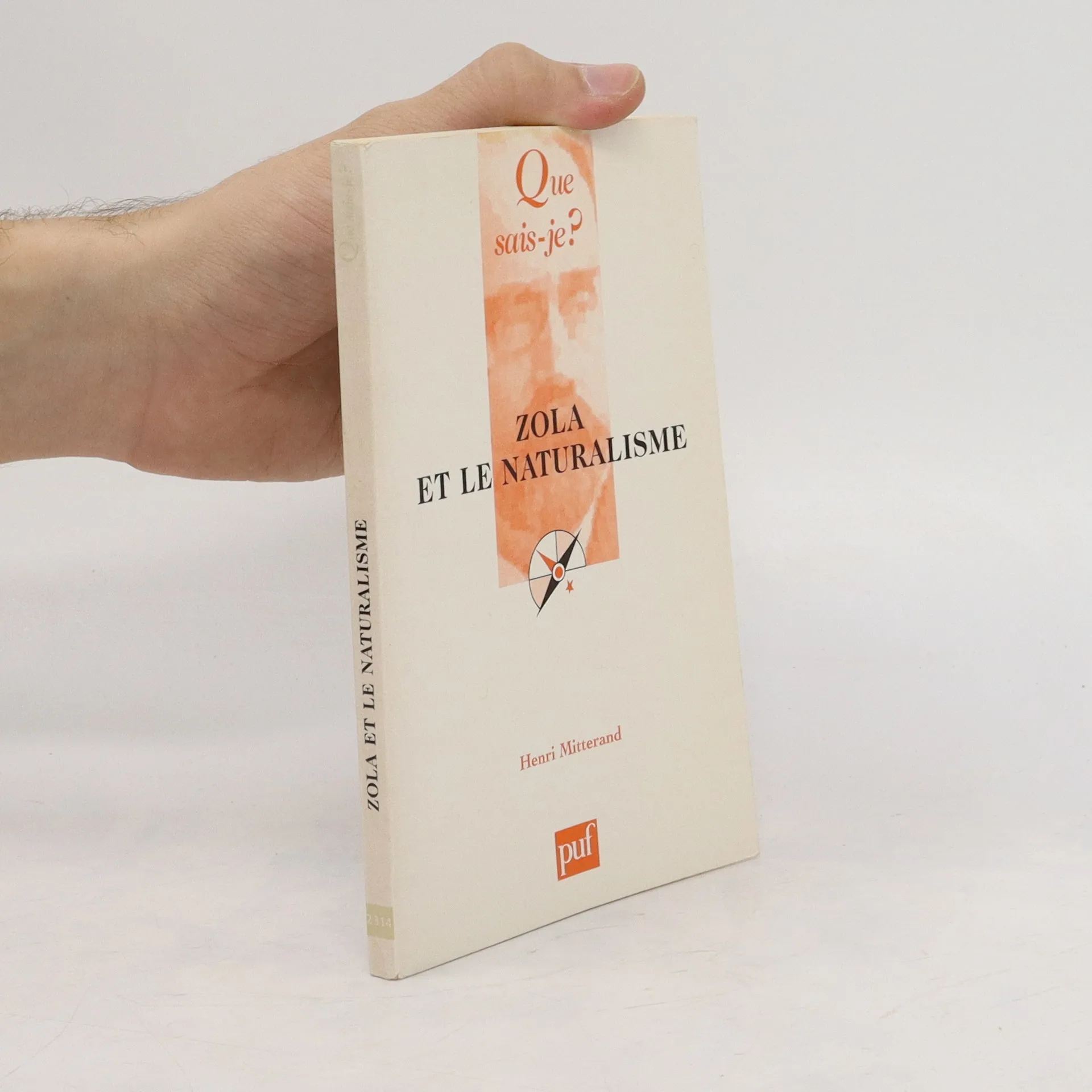
Zola et le naturalisme
- 127bladzijden
- 5 uur lezen
L’œuvre romanesque d'Emile Zola (1840-1902) n'a pas cessé d'être lue, par tous les publics, populaires ou lettrés. De génération en génération, on l'a lue différemment. Le fait frappant, à notre époque, est l'intérêt qu'elle suscite dans tous les courants de la critique moderne. Ces lectures ont renouvelé notre connaissance de Zola: l'homme, son savoir et ses rêves, sa poétique et son écriture. Prenant appui sur ces travaux, l'auteur propose une étude synthétique des principaux aspects de la formation littéraire, de l'inspiration romanesque et des techniques de Zola, afin de mieux comprendre le courant appelé « naturalisme » auquel la postérité l'a associé.
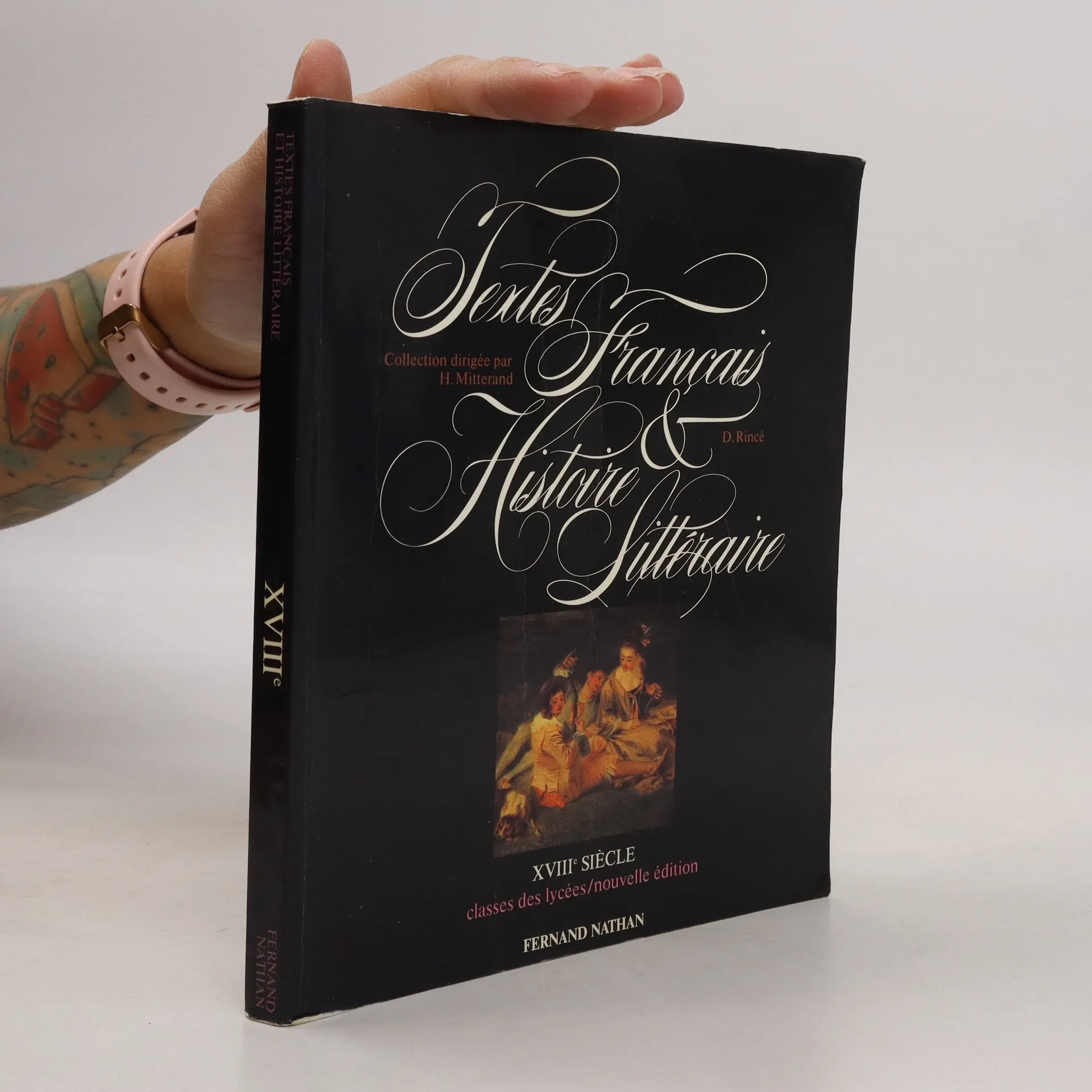
Littérature : textes et documents, XVIIIe siècle
- 495bladzijden
- 18 uur lezen
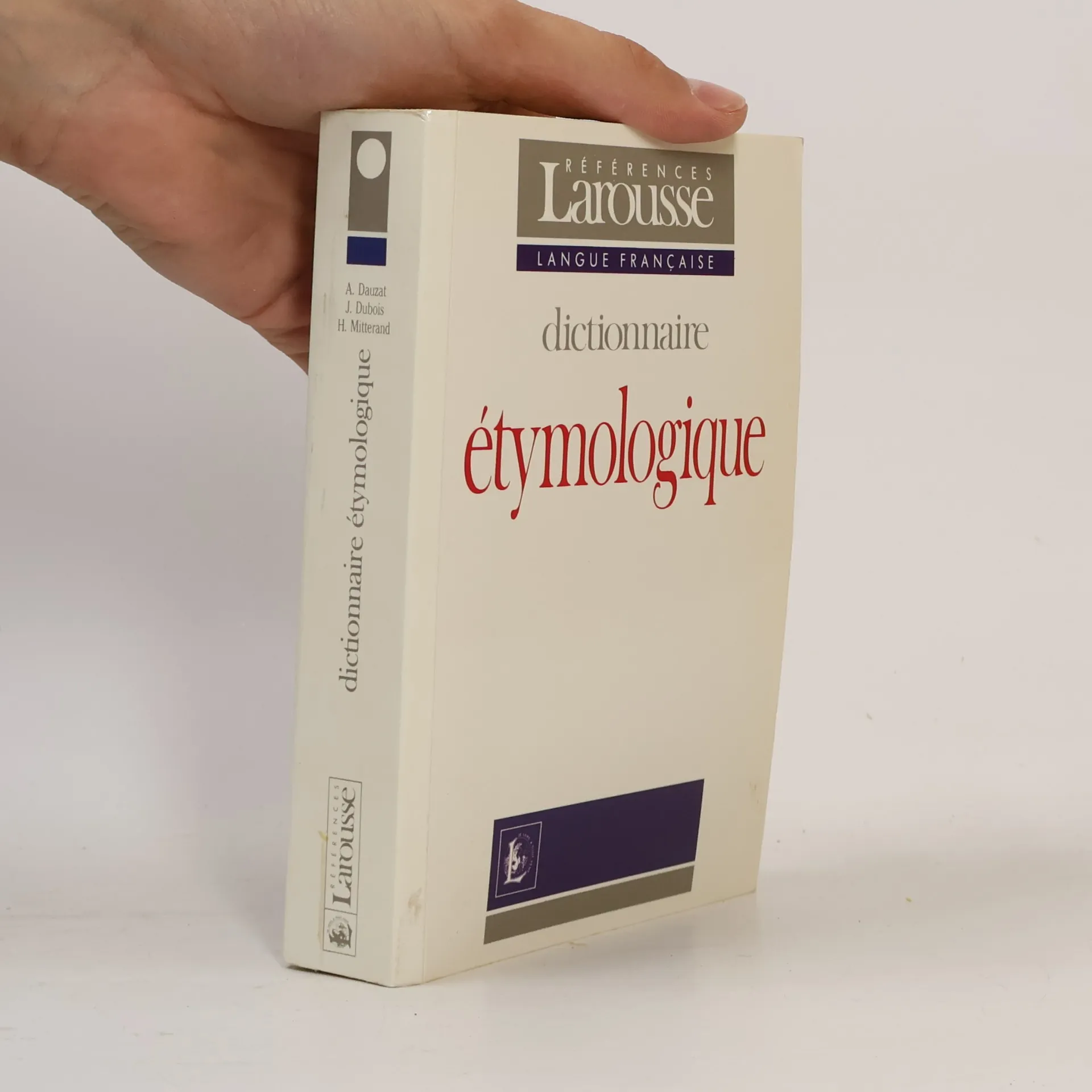
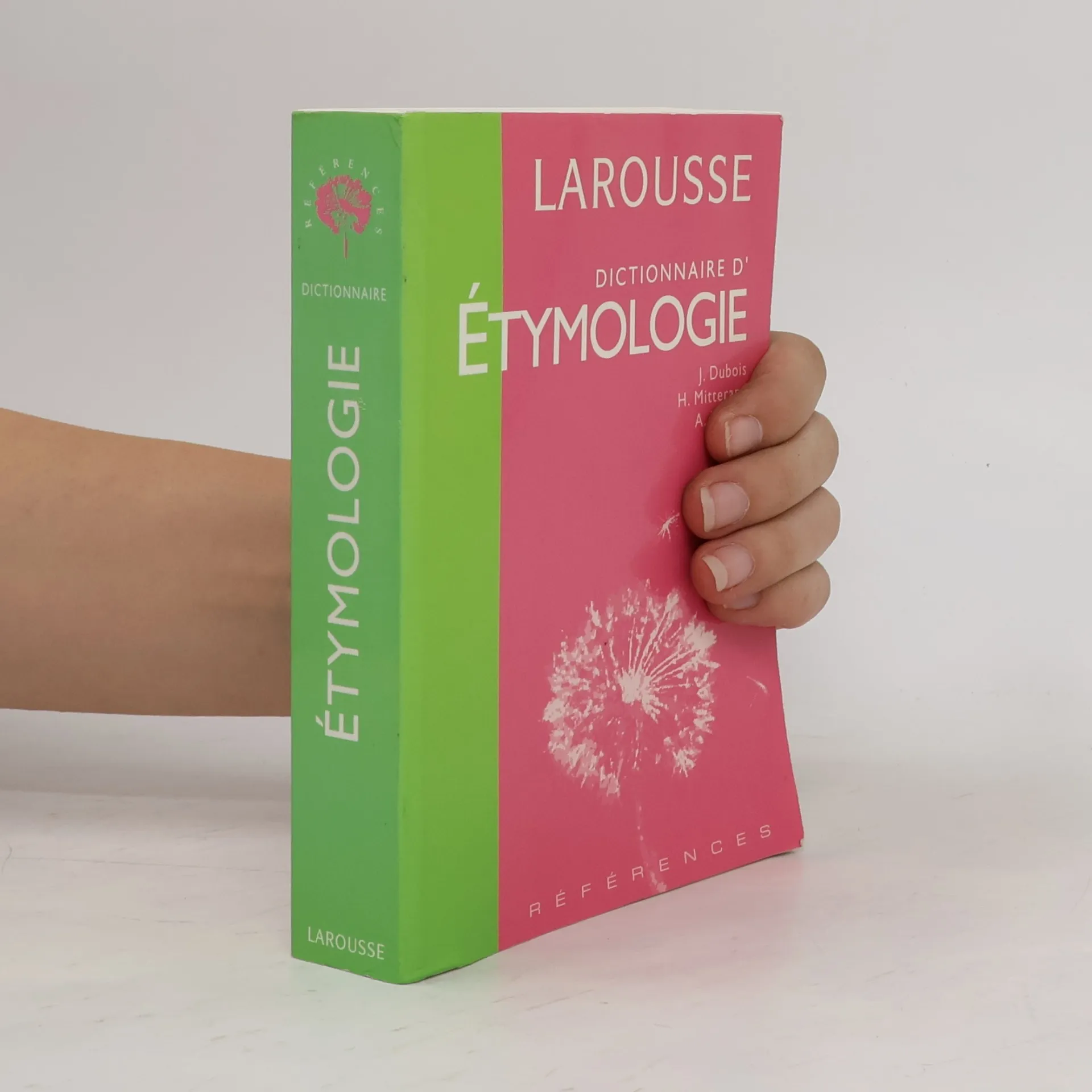
Dictionnaire d'étymologie
- 822bladzijden
- 29 uur lezen
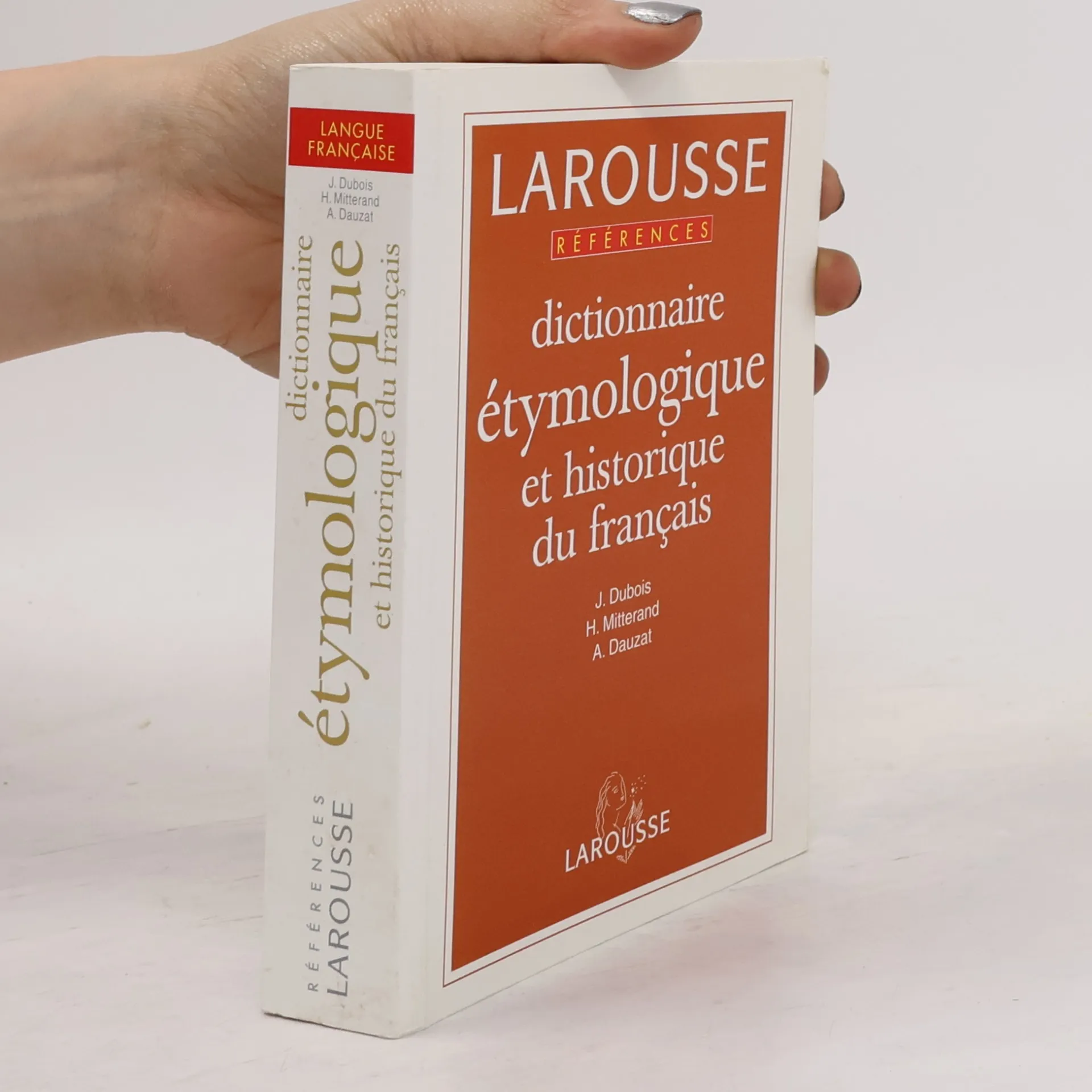
Ce dictionnaire étymologique traite de l'origine et de l'évolution de plus de 50 000 mots et préfixes de la langue française. Sont mentionnées la date d'apparition du mot, son origine directe et sa filiation, ainsi que les références précises aux auteurs qui ont employé ces mots pour la première fois dans l'une de leurs œuvres. En annexe figure la liste des préfixes et des éléments grecs et latins qui entrent dans la composition des mots français, avec l'indication de leurs différents sens.
Dictionnaire étymologique et historique du français
- 822bladzijden
- 29 uur lezen
Cette nouvelle édition s'est enrichie de termes nouveaux, issus notamment des lexiques technique et scientifique, et bénéficie des travaux de recherche les plus récents. Le lecteur dispose ainsi d'informations mises à jour (datations, sources) sur l'origine et l'histoire de plus de 50 000 mots. La conception de l'ouvrage permet de suivre l'évolution du sens de la forme des mots et met en évidence la plus ou moins grande " productivité " de certains termes. Maniable et facile à consulter, cet ouvrage permet de mieux comprendre comment s'est constitué et continue de se constituer le lexique français.
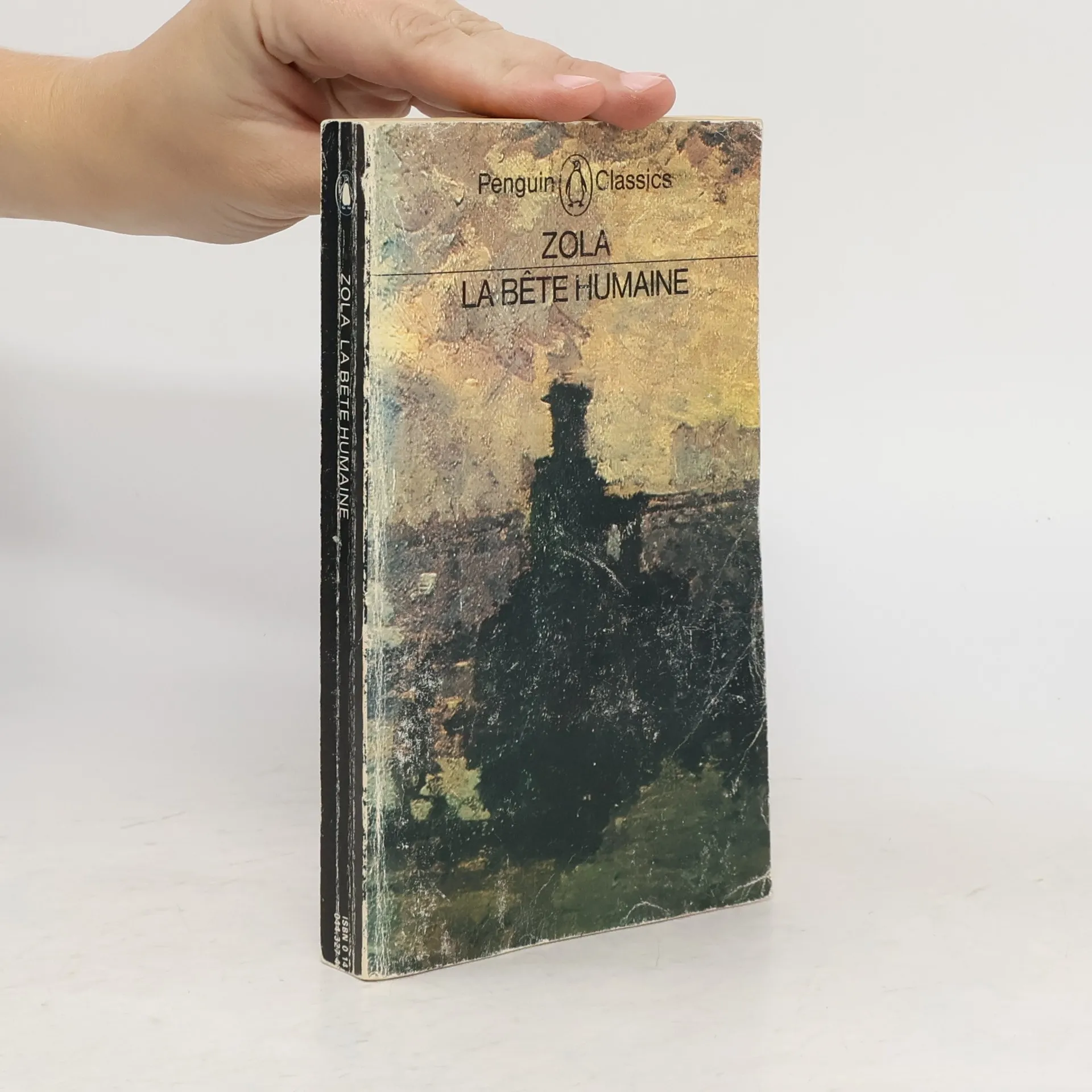
La Bête humaine
- 368bladzijden
- 13 uur lezen
One of Zola's most violent works, this novel is on one level a tale of murder and possession, and on another a compassionate study of individuals derailed by atavistic forces beyond their control. It evokes life at the end of the Second Empire in France, and a society hurtling towards the future.
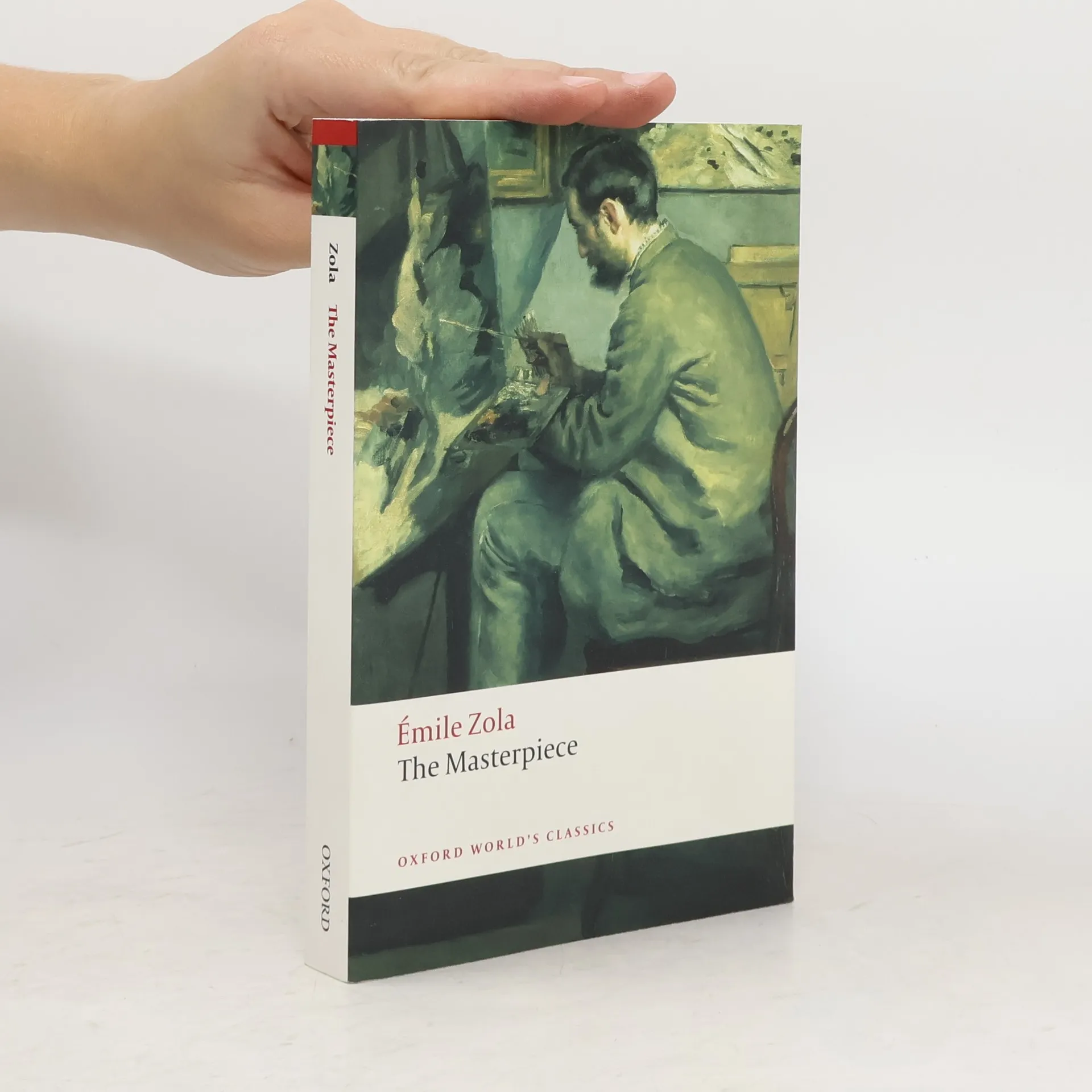
The Masterpiece
- 366bladzijden
- 13 uur lezen
The Masterpiece is the tragic story of Claude Lantier, an ambitious and talented young artist from the provinces who has come to conquer Paris and is conquered by the flaws in his own genius. While his boyhood friend Pierre Sandoz becomes a successful novelist, Claude's originality is mocked at the Salon and turns gradually into a doomed obsession with one great canvas. Life - in the form of his model and wife Christine and their deformed child Jacques - is sacrificed on the altar of Art. The Masterpiece is the most autobiographical of the twenty novels in Zola's Rougon-Macquart series. Set in the 1860s and 1870s, it provides a unique insight into his career as a writer and his relationship with Cézanne, a friend since their schooldays in Aix-en-Provence. It also presents a well-documented account of the turbulent Bohemian world in which the Impressionists came to prominence despite the conservatism of the Academy and the ridicule of the general public.
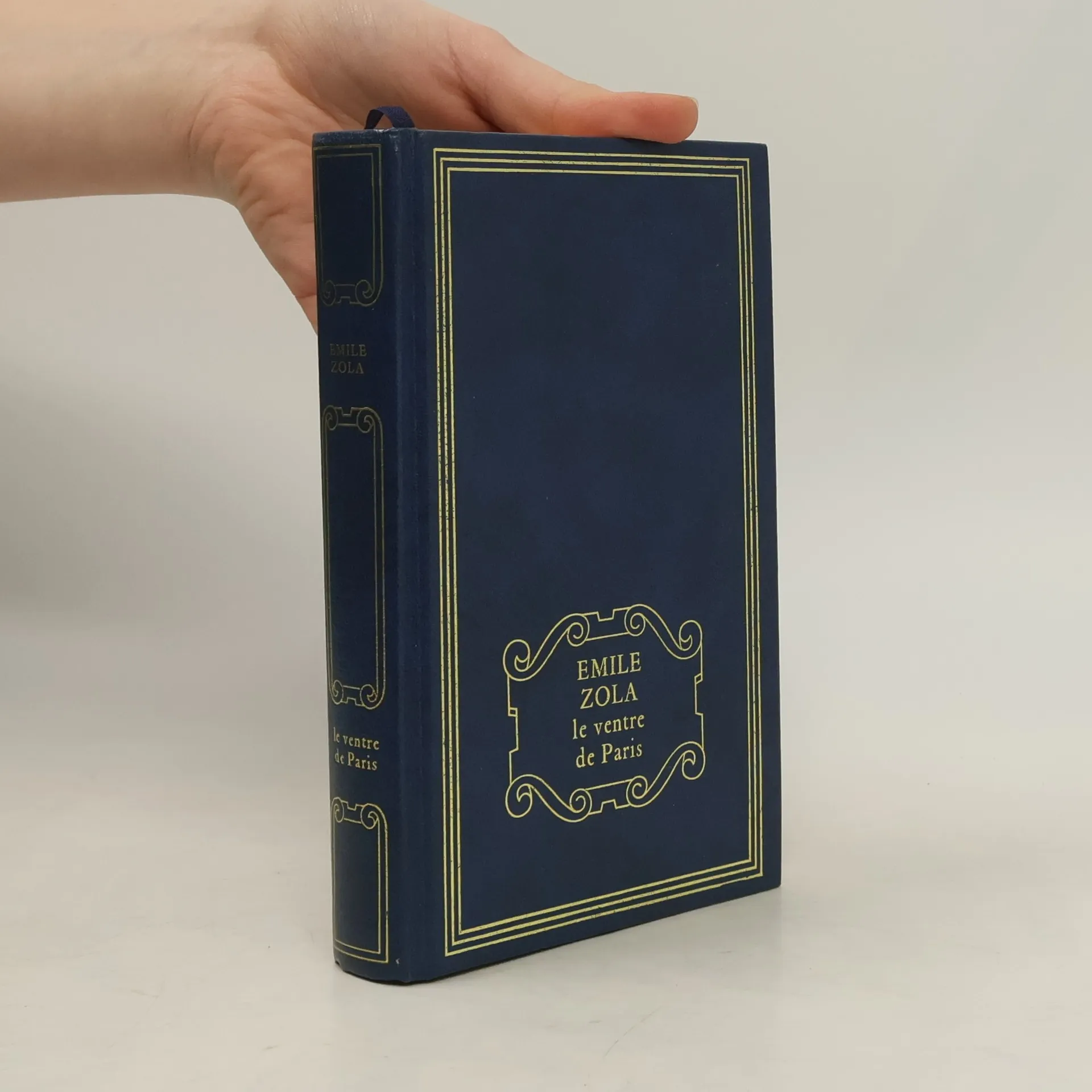
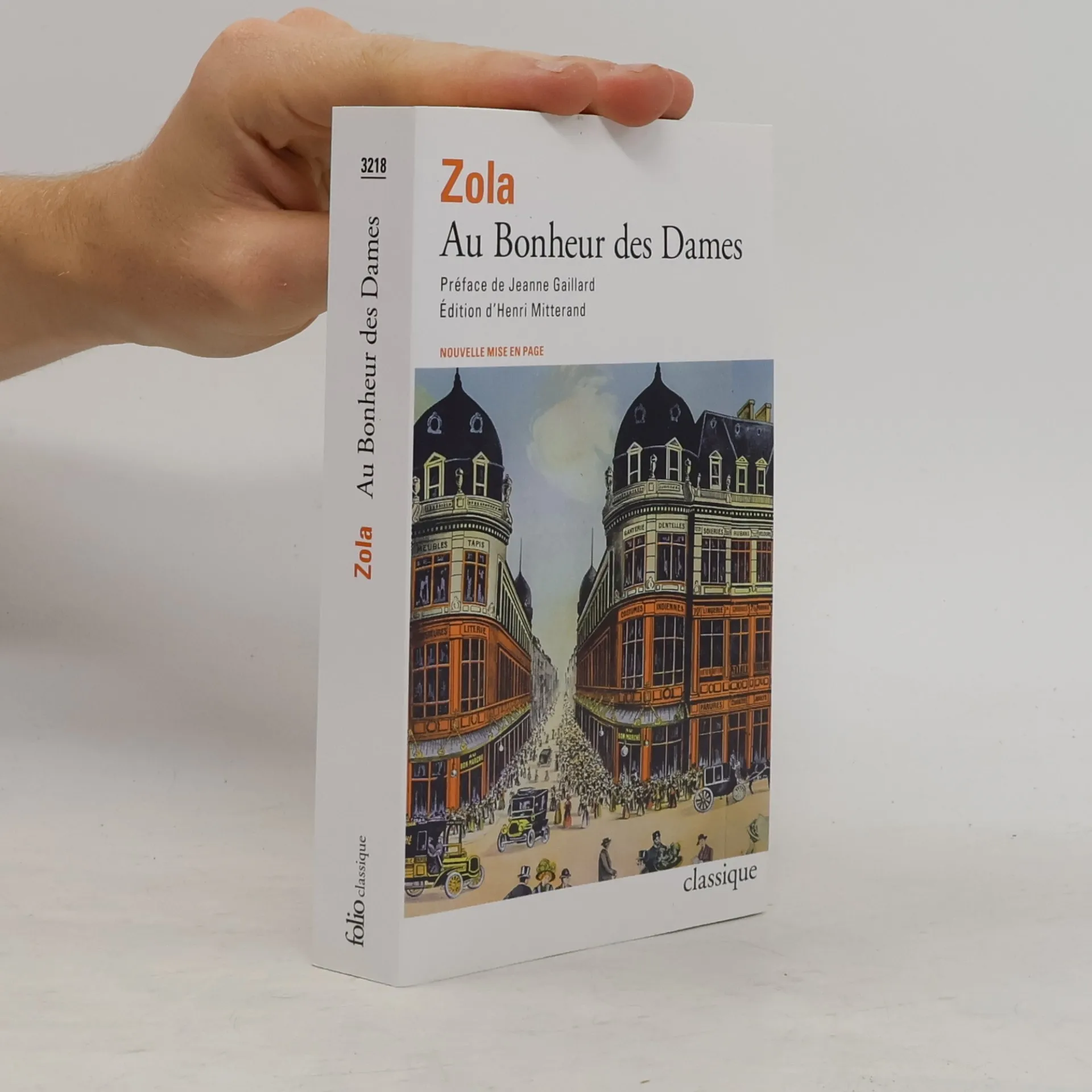
Amidst the deep silence and solitude prevailing in the avenue several market gardeners' carts were climbing the slope which led towards Paris, and the fronts of the houses, asleep behind the dim lines of elms on either side of the road, echoed back the rhythmical jolting of the wheels. At the Neuilly bridge a cart full of cabbages and another full of peas had joined the eight waggons of carrots and turnips coming down from Nanterre; and the horses, left to themselves, had continued plodding along with lowered heads, at a regular though lazy pace, which the ascent of the slope now slackened. The sleeping waggoners, wrapped in woollen cloaks, striped black and grey, and grasping the reins slackly in their closed hands, were stretched at full length on their stomachs atop of the piles of vegetables. Every now and then, a gas lamp, following some patch of gloom, would light up the hobnails of a boot, the blue sleeve of a blouse, or the peak of a cap peering out of the huge florescence of vegetables-red bouquets of carrots, white bouquets of turnips, and the overflowing greenery of peas and cabbages.
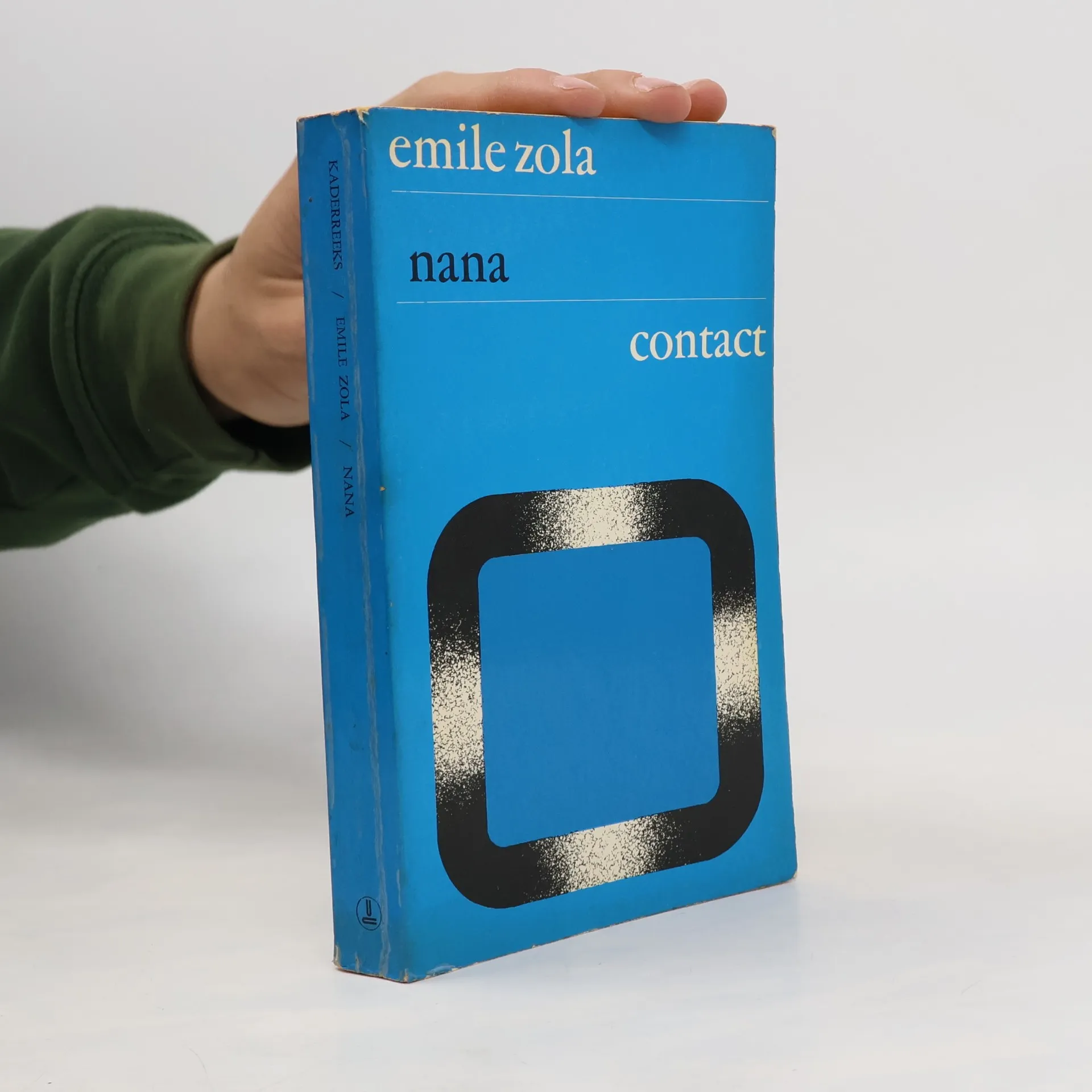
Door een zo objectief mogelijke beschrijving trachtten de naturalisten in de negentiende eeuw de werkelijkheid zo natuurgetrouw mogelijk te benaderen. Zola echter lardeerde zijn beschrijvingen met poëtische vrijheden waardoor zijn werk verstoken is van de dorheid vele naturalisten eigen. Nana behoort tot zijn uit twintig delen bestaande 'les Rougon-Macquart'. In dit levenswerk poogde hij het leven in de tweede helft van de negentiende eeuw, in al zijn facetten, in te lijven. Nana is een uitgesproken negentiende eeuwse vrouw: la femme fatale, de vrouw voor wie de mannen gelijk dominostenen vielen. Nana, de uit het wulpse vlees geknede volksvrouw die de heren uit de hoge kringen tot wanhoop dreef. Op weergaloze wijze beschrijft het boek de keerzijde van de glinsterende medaille van Parijs in 1850: volgevreten decadentie, een rotte appel in een glimmende schil.
The Sin of Abbé Mouret is the fifth novel in Zola's Rougon-Macquart series. It follows Serge Mouret, a young priest, aspiring to perfect purity and sanctity. An illness leaves him with amnesia, and no longer knowing he is a priest, he falls in love with his nurse. Together they roam an Eden-like garden called the 'Paradou'.
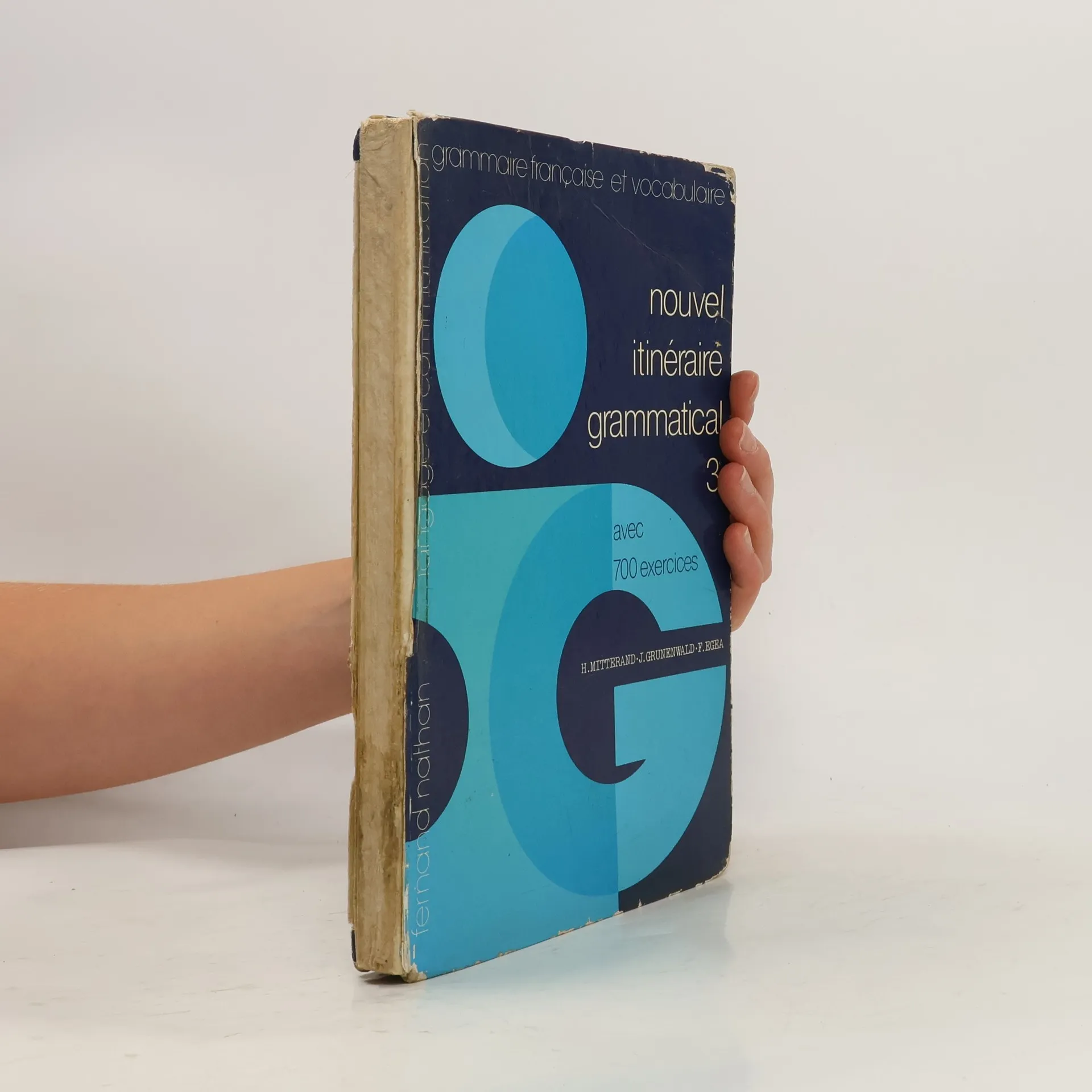
Nouvel itinéraire grammatical 3e
grammaire française, vocabulaire et expression
- 223bladzijden
- 8 uur lezen
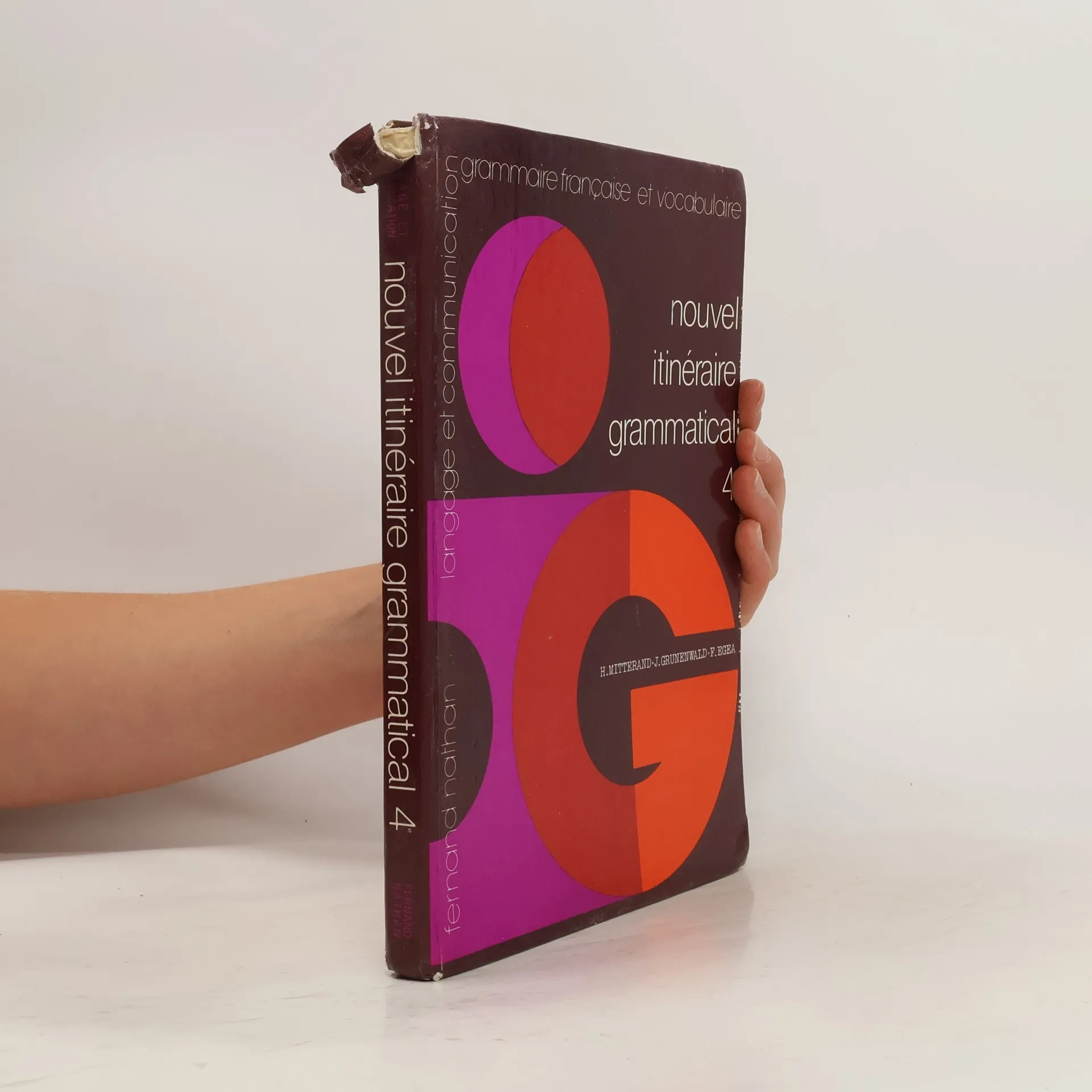
Nouvel itinéraire grammatical
classe de 4e, grammaire française et vocabulaire
- 223bladzijden
- 8 uur lezen
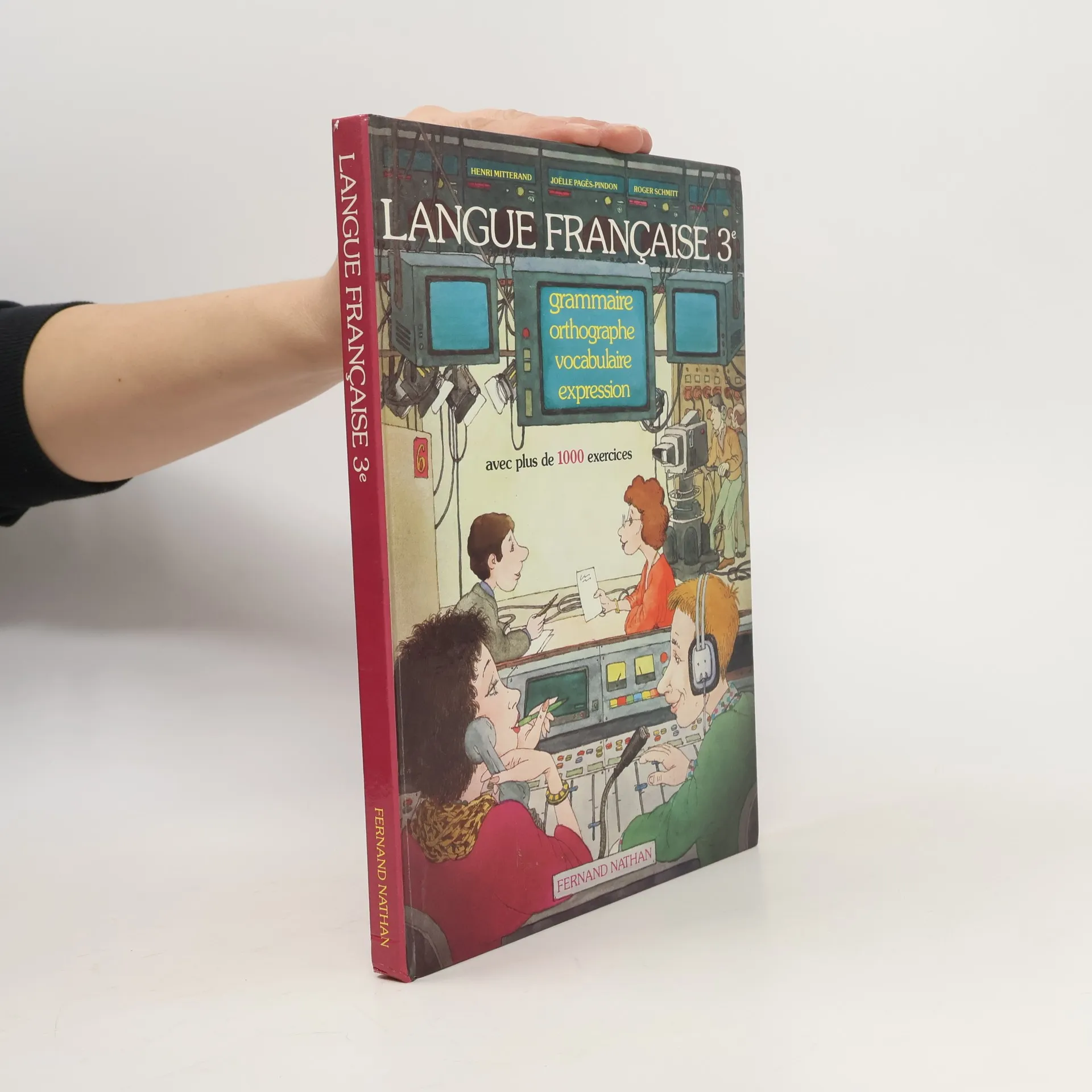
Langue française 3e
- 223bladzijden
- 8 uur lezen
Nouveau dictionnaire étymologique et historique
- 805bladzijden
- 29 uur lezen
Anthologie de la littérature française 1
De la fin du Moyen Âge à 1795
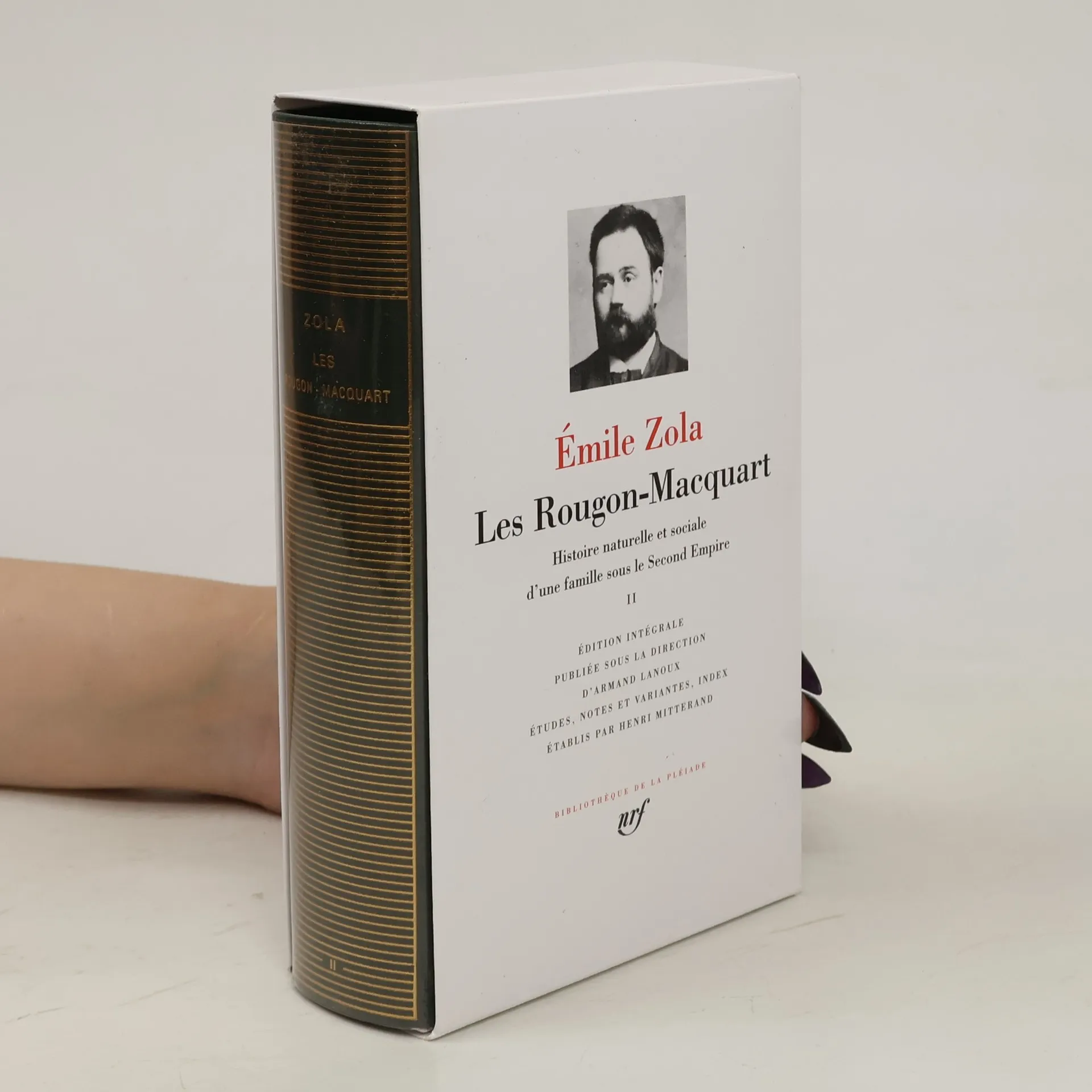
Les Rougon-Macquart Tome II
Son Excellence Eugène Rougon; L'Assommoir; Une Page d'amour; Nana - Édition intégrale
- 1760bladzijden
- 62 uur lezen
Histoire naturelle et sociale d'une famille sous le Second Empire - Tome II. Ce volume contient Son Excellence Eugène Rougon - L'Assommoir - Une Page d'amour - Nana.
Les Rougon-Macquart
Histoire naturelle et sociale d'une famille sous le Second Empire - Édition intégrale
- 1808bladzijden
- 64 uur lezen
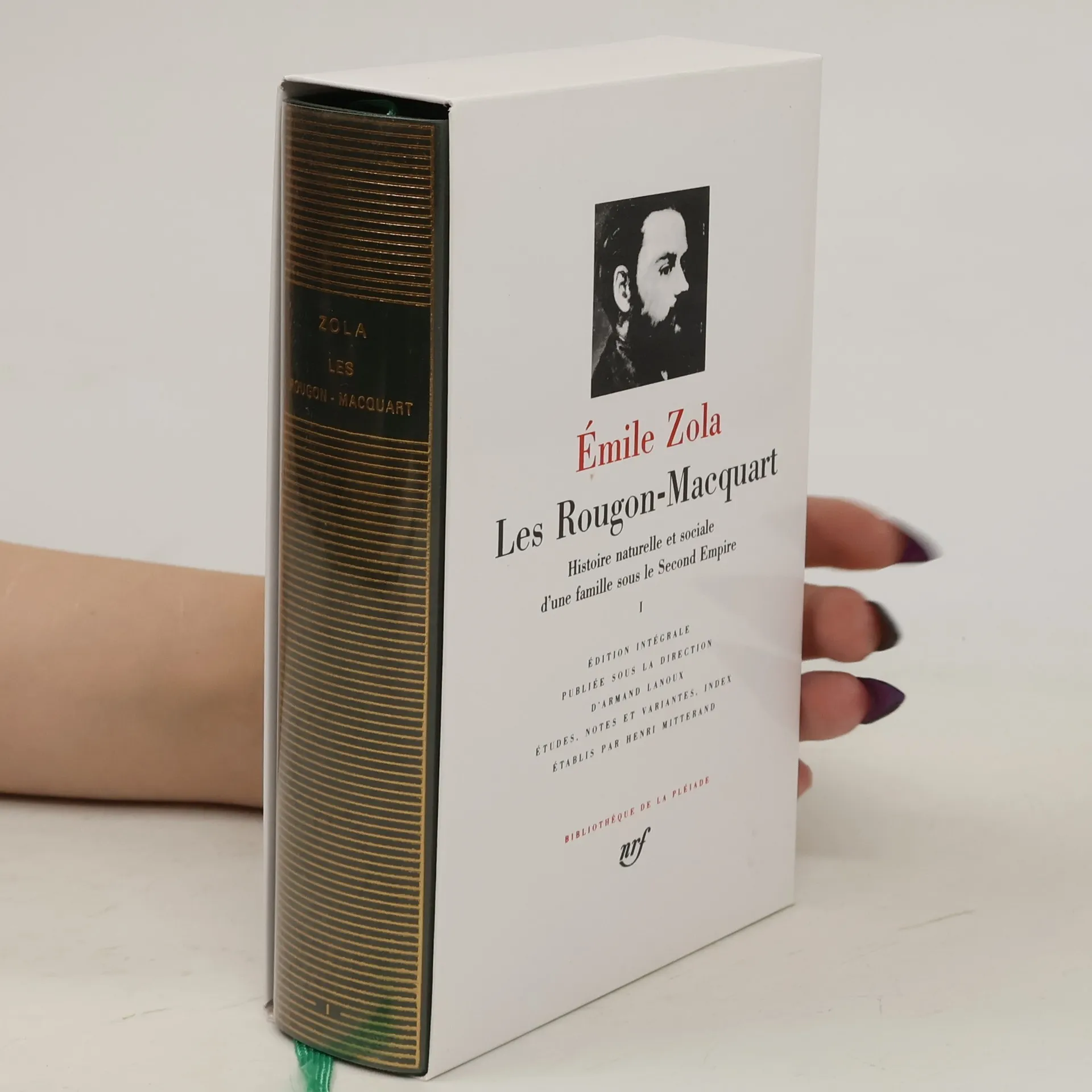
Histoire naturelle et sociale d'une famille sous le Second Empire - Tome I. Ce volume contient La Fortune des Rougon - La Curée - Le Ventre de Paris - La Conquête de Plassans - La Faute de l'Abbé Mouret.
Les Rougon-Macquart Tome V
L'Argent; La Débâcle; Le Docteur Pascal - ÉDITION INTÉGRALE
- 1904bladzijden
- 67 uur lezen
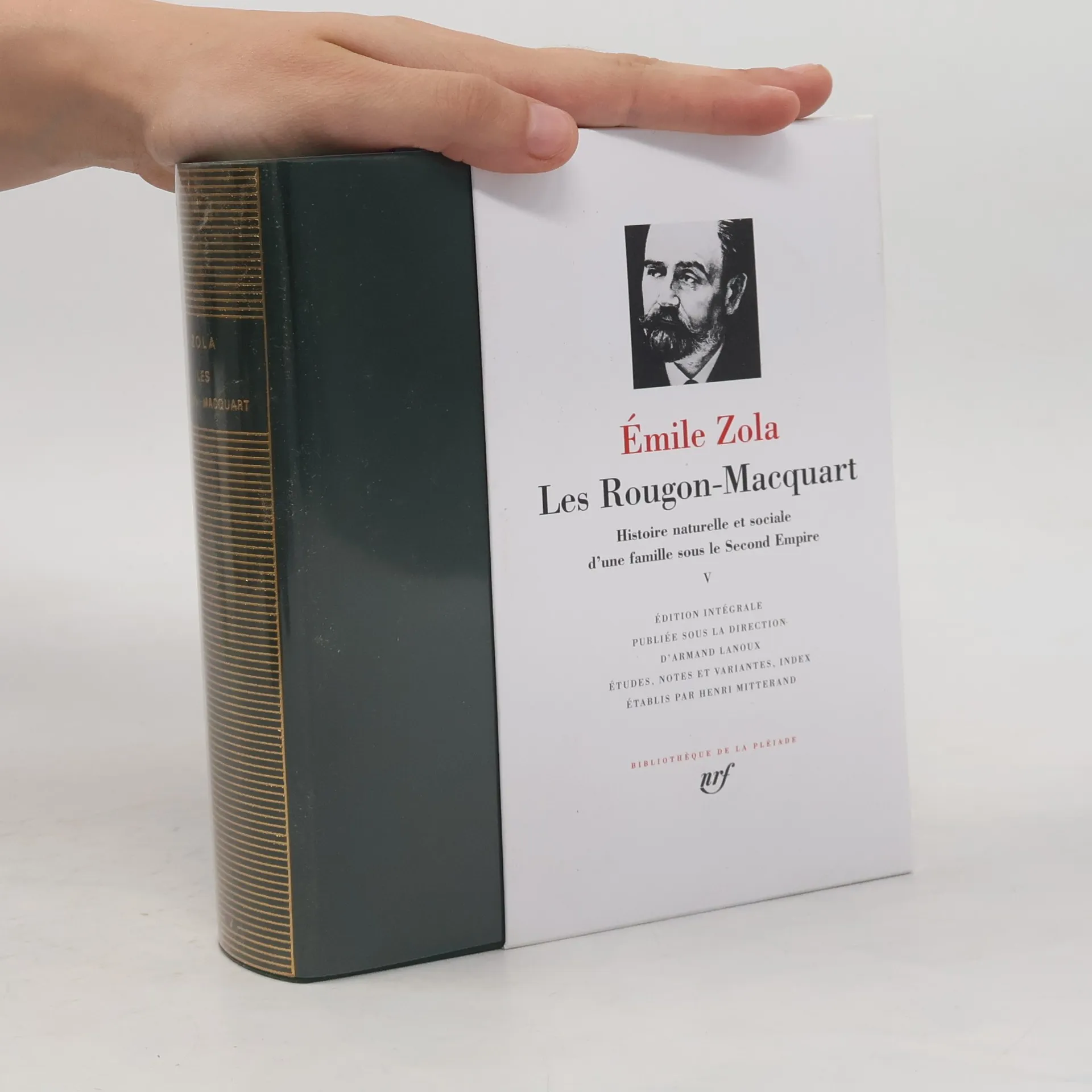
Histoire naturelle et sociale d'une famille sous le Second Empire - Tome V.Ce volume contient L'Argent - La Débâcle - Le Docteur Pascal. Appendices : Manuscrits préparatoires des «Rougon-Macquart».
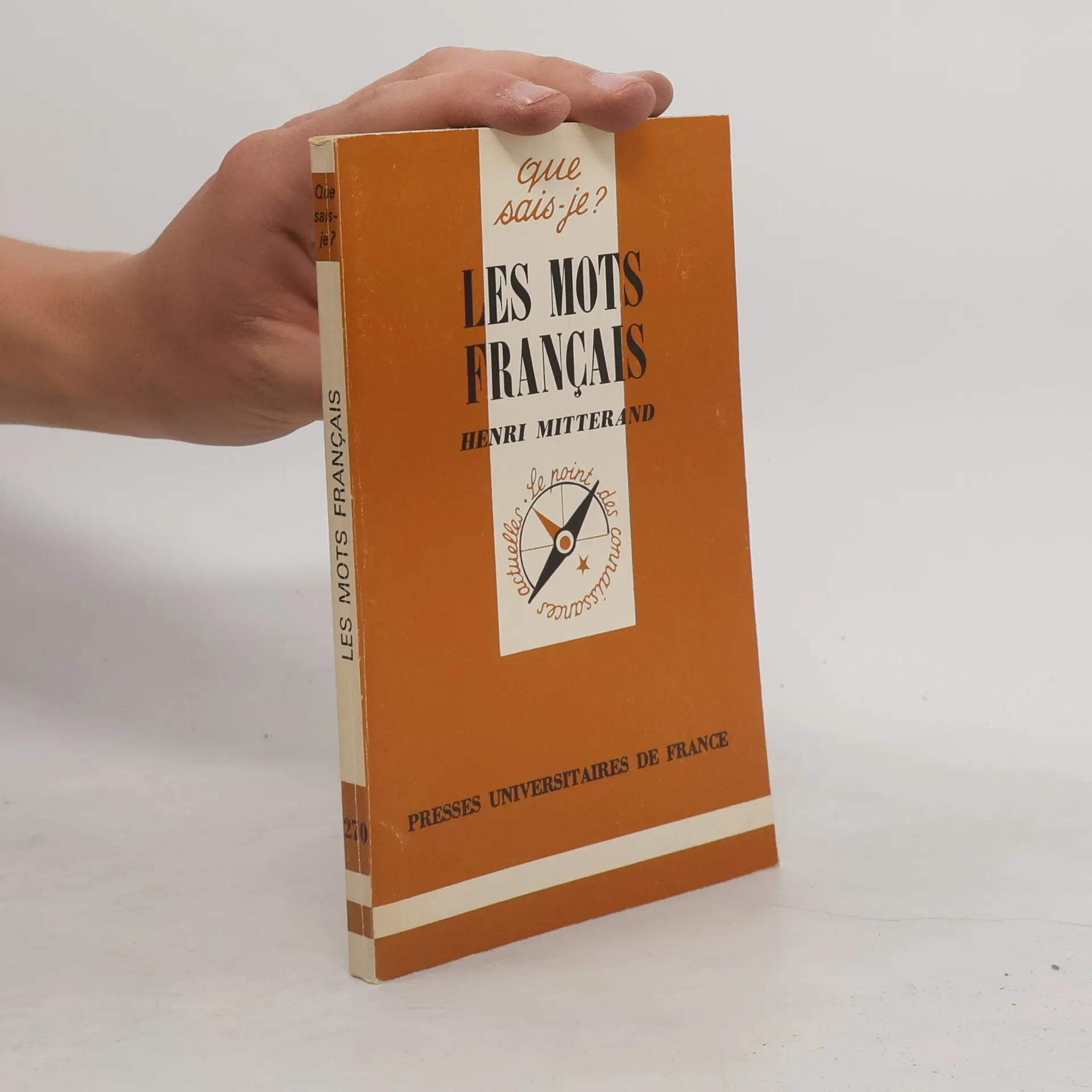
Que sais-je? - 270: Mots Français
- 128bladzijden
- 5 uur lezen