
Koop 10 boeken voor 10 € hier!
Bookbot

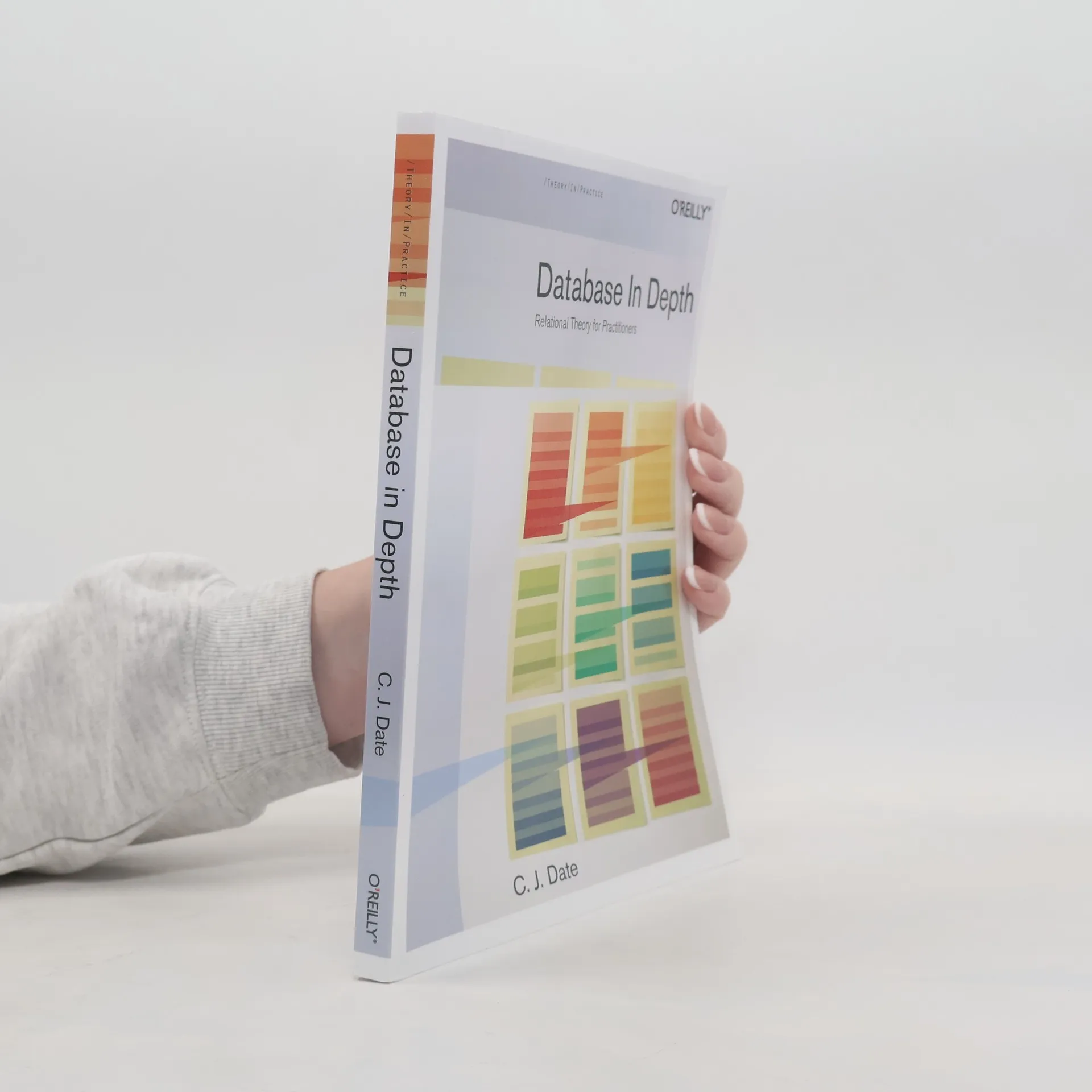
C. J. Date

    18 januari 1941

    Christopher J. Date is een onafhankelijke auteur, docent, onderzoeker en consultant die gespecialiseerd is in relationele databasetheorie. Zijn werk duikt diep in de fundamentele principes die ten grondslag liggen aan databasesystemen. Date legt de nadruk op zowel de theoretische fundamenten als de praktische toepassingen van relationele databaseconcepten. Zijn bijdragen vormen een belangrijke invloed op het begrip en de implementatie van databasetchnologieën.

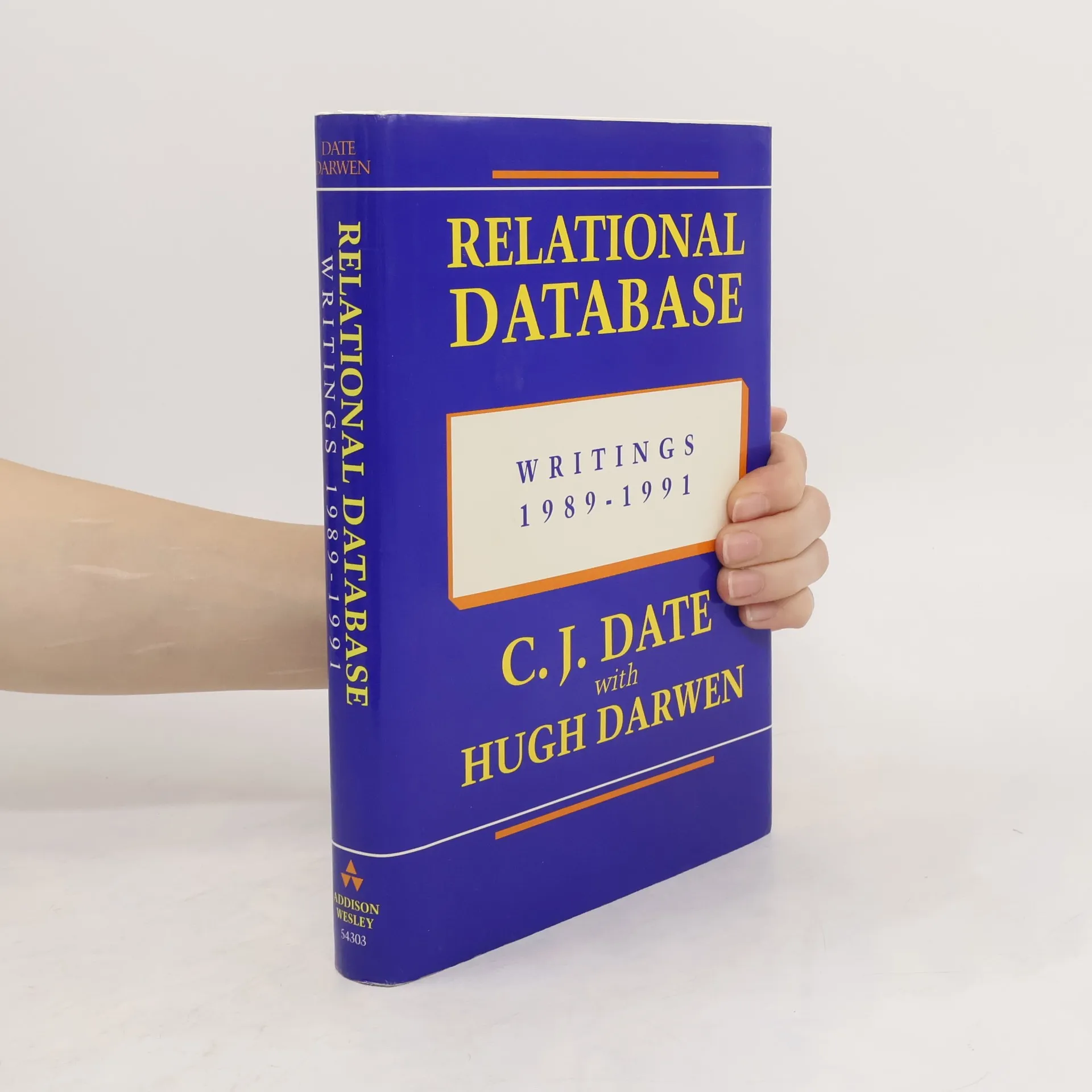
    Relational database writings, 1989-1991
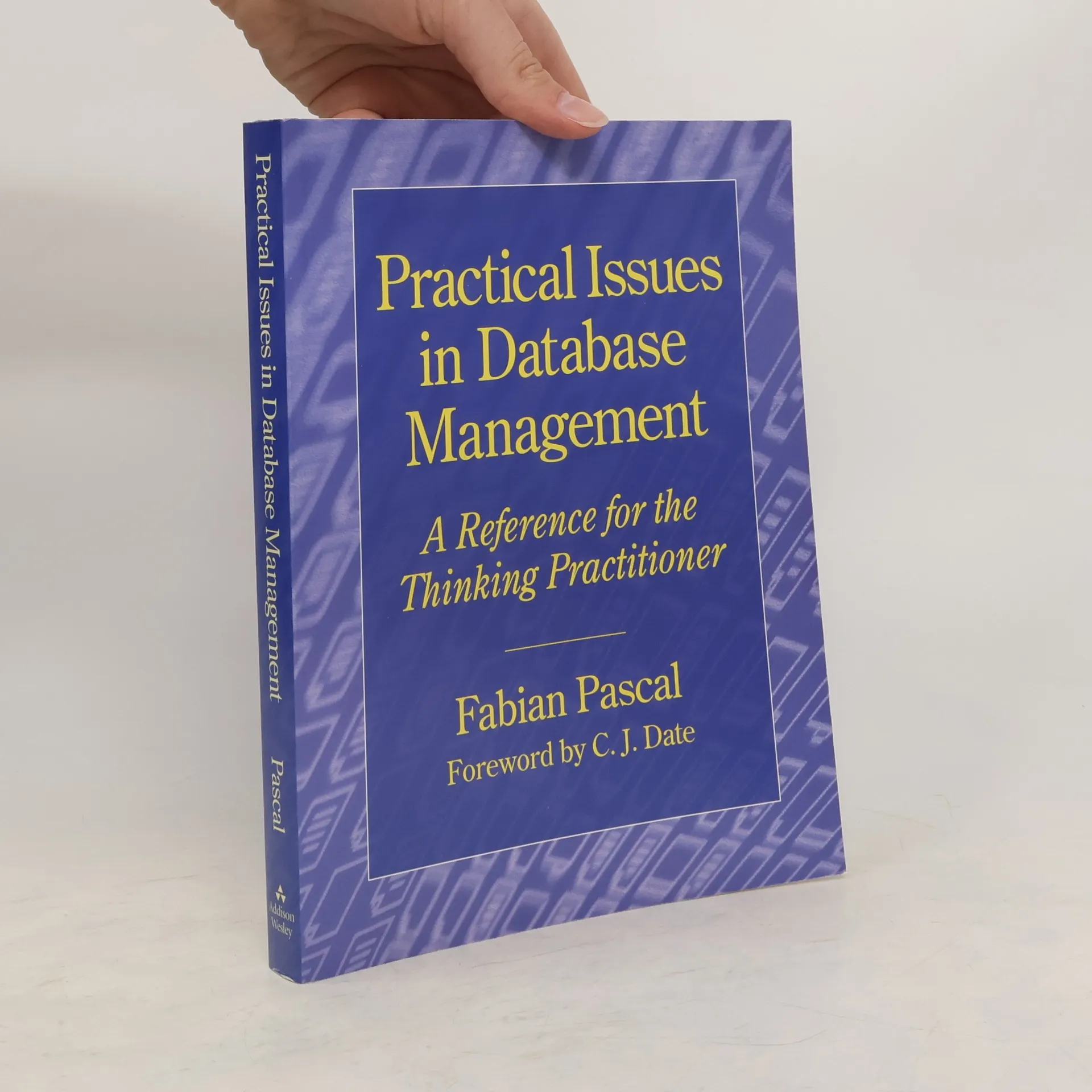
    Practical Issues in Database Management
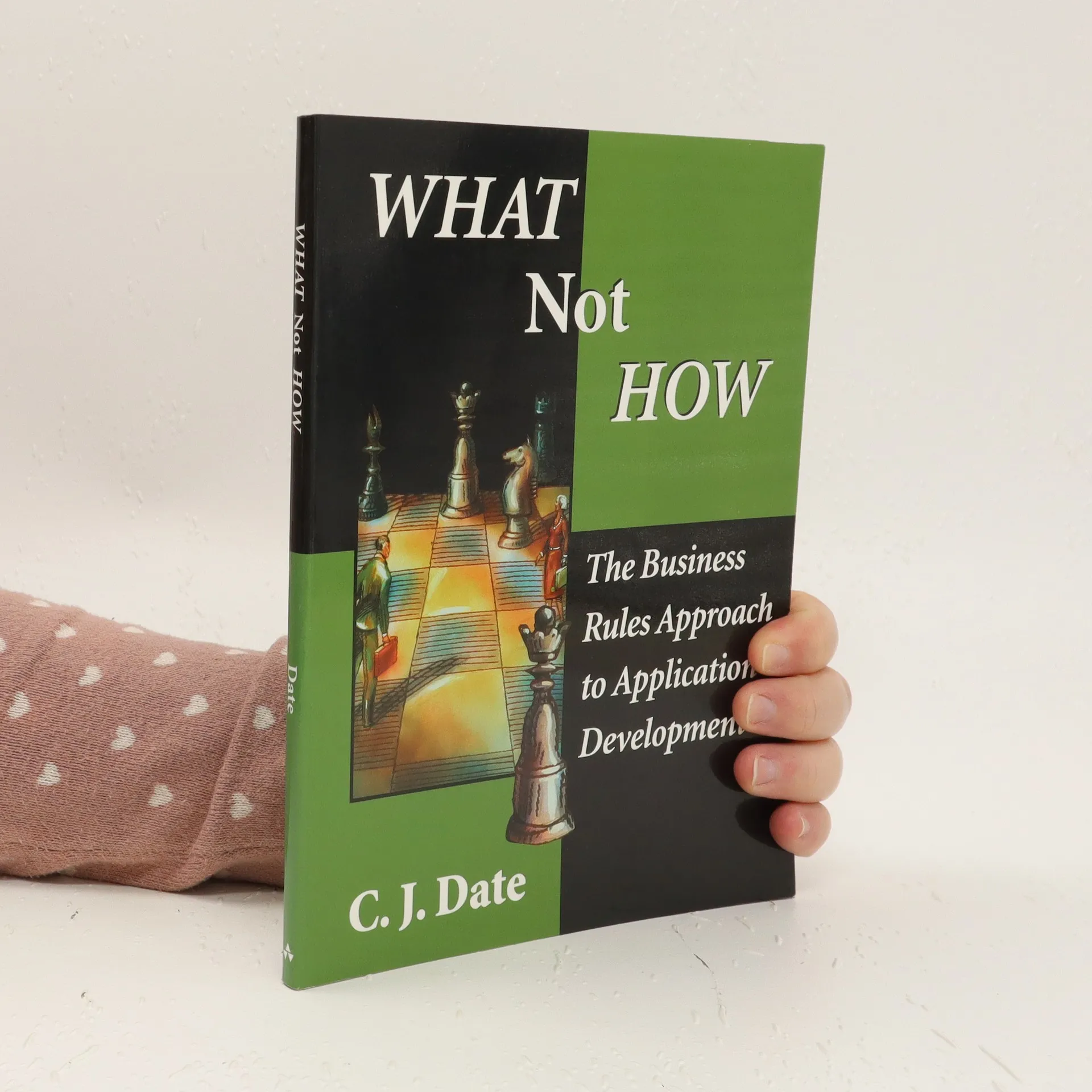
    What not how : the business rules approach to application developoment
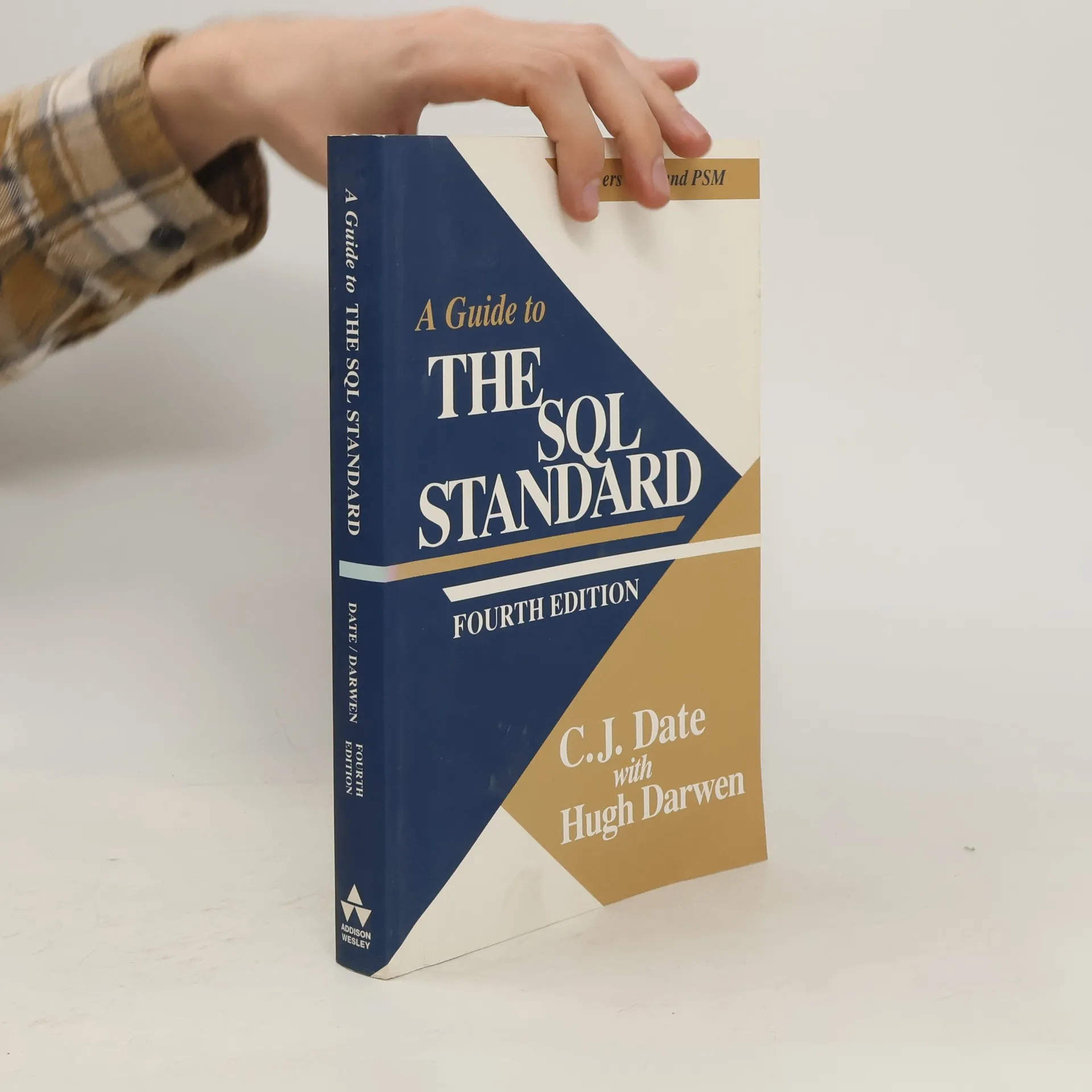
    A Guide to the SQL Standard
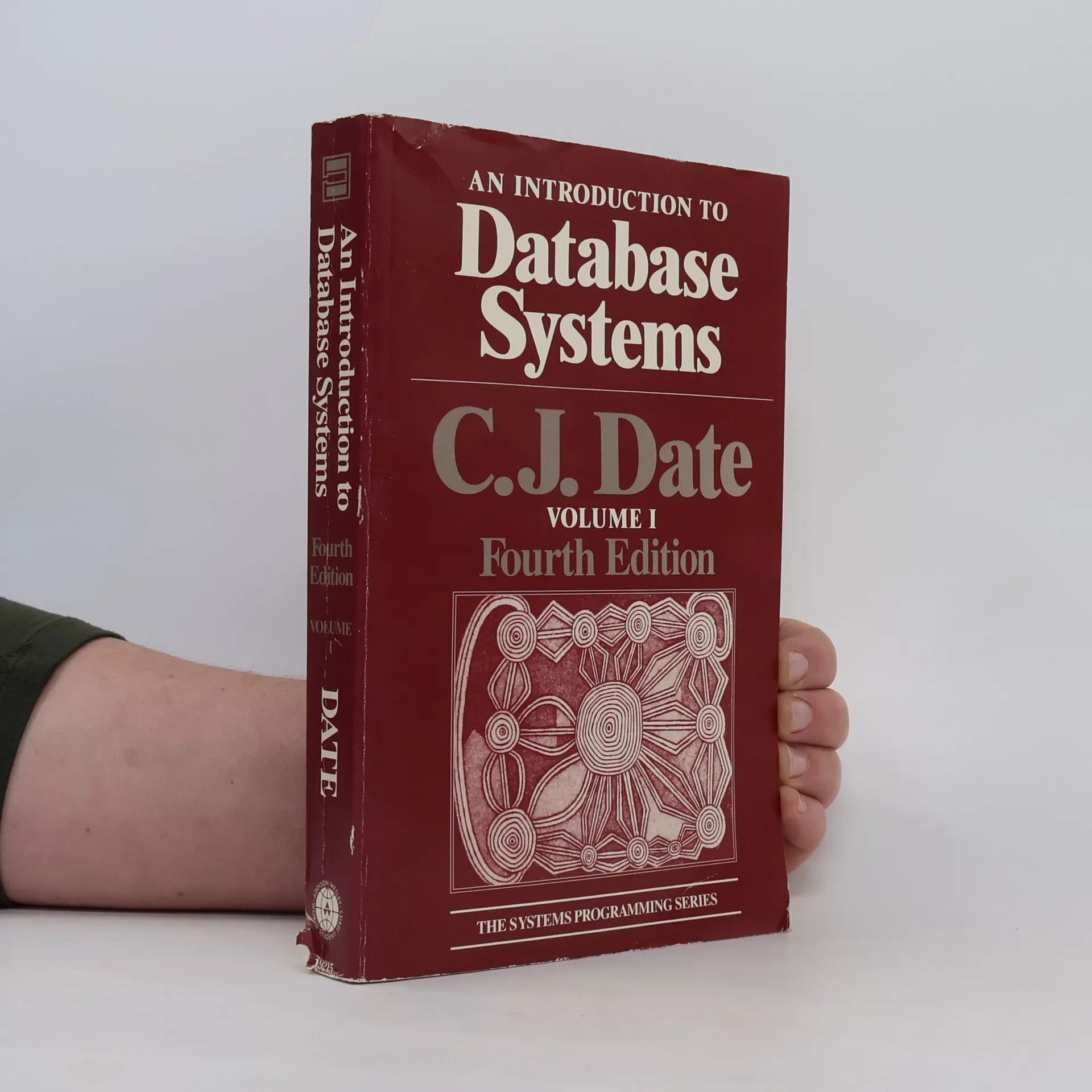
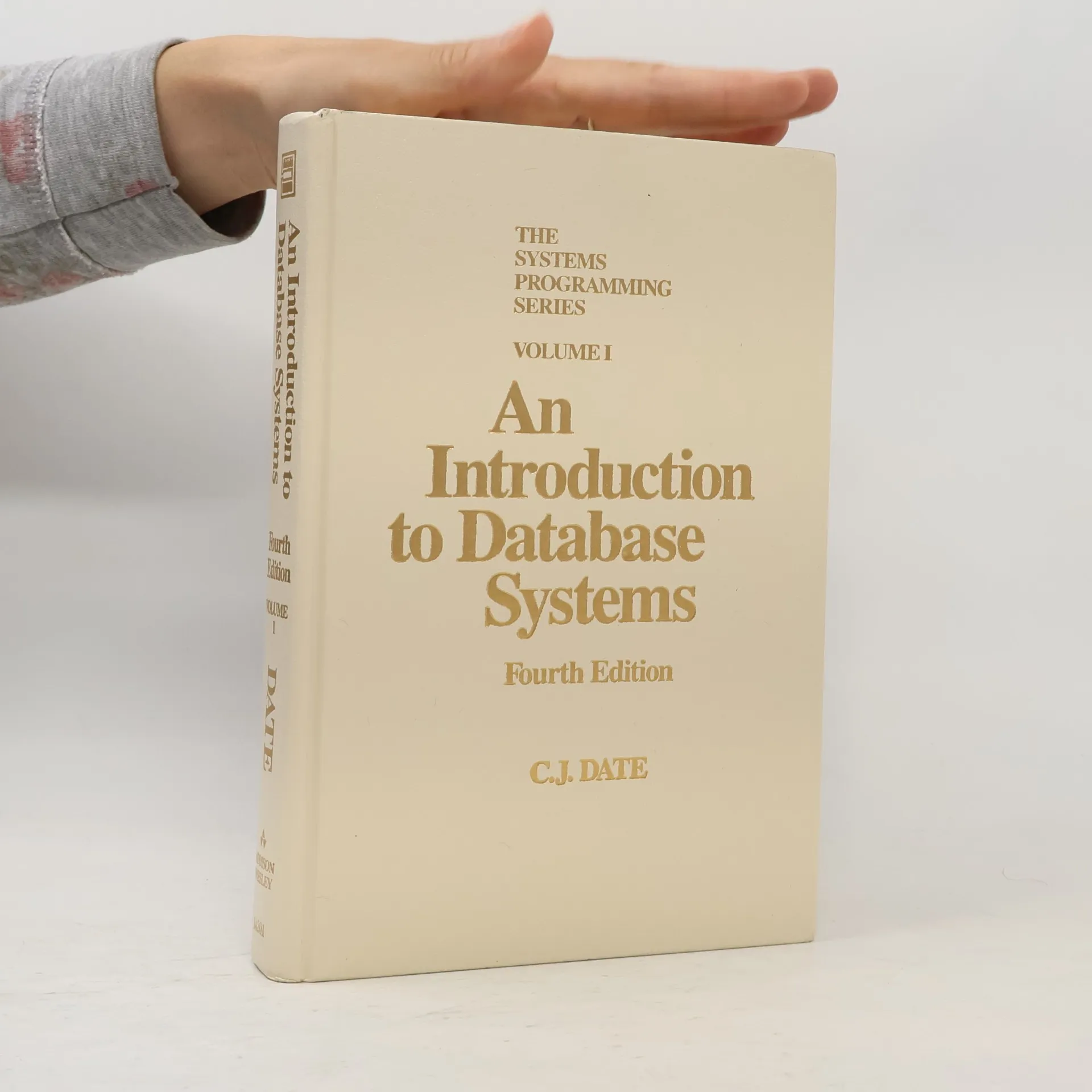
    An Introduction to Database Systems. Volume I
    An introduction to database systems
    • A Guide to the SQL Standard

      A User's Guide to the Standard Database Language SQL

      • 544bladzijden
      • 20 uur lezen
      4,0(19)Tarief

      The previous edition of this book established itself as the most complete and understandable treatment of the SQL standard generally available. Many changes have occurred in the SQL standards world since that edition was published, a major new component, the Call-Level Interface (SQL/CLI), was added in 1995. Another major new component, the Persistent Stored Modules feature (SQL/PSM), is nearing completion and is due to be added to the standard in late 1996 or early 1997. The original 1992 standard itself has been significantly changed and corrected through the publication of two extensive Technical Corrigenda, one in 1994 and one in 1996.All of these changes are reflected in this Fourth Edition. Earlier editions of this book established a tradition of careful, clear, and accurate explanation of complex technical material. This new edition continues that tradition.

      A Guide to the SQL Standard
    • The foundational concepts for the next generation of business logic servers based on predicate logic are laid out, promising to revolutionize application development. A new technology known as business rules is set to dramatically change how we build computer applications. This approach allows for declarative application development, enabling developers to state WHAT needs to be done rather than HOW to do it. The benefits include ease and speed of initial development, simplified maintenance, platform independence, increased productivity, and enhanced business adaptability. This concise introduction is designed for both managers and technical professionals, divided into two parts. The first part provides a broad overview of business rules, while the second revisits these ideas within the context of relational technology. Key topics include presentation rules, database and application rules, building on the data model, potential advantages and disadvantages, and a fresh perspective on relational fundamentals. Overall, this resource offers a solid grounding in a transformative technology that is poised to reshape business practices in the IT sector.

      What not how : the business rules approach to application developoment
    • Practical Issues in Database Management

      A Refernce for the Thinking Practitioner

      • 256bladzijden
      • 9 uur lezen

      Databas(e)ics clearly explains the key concepts users and database professionals need to understand in order to build well-designed databases that answer business questions accurately and efficiently. Fabian Pascal, one of the industry's leading experts, identifies ten critical, recurring issues that both database users and vendors often fail to address appropriately. Pascal demonstrates why understanding these fundamentals is so important, providing detailed examples and solutions designed to help users escape the key pitfalls of database development. KEY TOPICS: Among the topics covered: unstructured data and complex data types; business rules and enforcing data integrity; keys; duplicates; normalization; entity subtypes and supertypes; data hierarchies and recursive queries; redundancy; quota queries; and how to handle missing information. Along the way, Pascal offers no-holds-barred assessments of how well current SQL implementations and commercial products address each issue. Databas(e)ics , in short, is a complete guide to building databases right the first time, so they don't have to be rebuilt later. MARKET: For all DBAs, developers, managers, and end-users that need to understand the best ways to design and implement database systems. Databasics clearly explains the key concepts users and database professionals need to understand in order to build well-designed databases that answer business questions accurately and efficiently. Fabian Pascal, one of the industry's leading experts, identifies ten critical, recurring issues that both database users and vendors often fail to address appropriately. Pascal demonstrates why understanding these fundamentals is so important, providing detailed examples and solutions designed to help users escape the key pitfalls of database development. Among the topics covered: unstructured data and complex data types; business rules and enforcing data integrity; keys; duplicates; normalization; entity subtypes and supertypes; data hierarchies and recursive queries; redundancy; quota queries; and how to handle missing information. Along the way, Pascal offers no-holds-barred assessments of how well current SQL implementations and commercial products address each issue. Databasics , in short, is a complete guide to building databases right the first time, so they don't have to be rebuilt later. For all DBAs, developers, managers, and end-users that need to understand the best ways to design and implement database systems.

      Practical Issues in Database Management
    • This book is the third in a series. Its predecessors, Relational Selected Writings and Relational Database Writings 1985-1989, were published in 1986 and 1990, respectively. Like its predecessor this book presents a collection of papers - many of them previously unpublished - on various aspects of relational technology. Features Contains recent published papers on the relational model by the best-selling author in the field. Several papers previously unpublished. Hugh Darwen (the contributing author) will be familiar to readers of the previous book under his pen name Andrew Warden . Here he contributes papers as a well-known columnist in his own right. The third part of the book includes a very careful review and analysis of Codd's relational model (Versions 1 and 2).0201543036B04062001
      Relational database writings, 1989-1991
    • This is one of the heaviest manuals in the SQL arena--in both weight and content. It is also one of the most up-to-date SQL books around and one of the few to cover the most recent extensions of SQL, such as the Call-Level Interface (SQL/CLI) and the Persistent Stored Modules feature (SQL/PSM). If you want to go beyond the SQL92 standard, which is covered by most other SQL books, then Date and Darwen's manual is for you. Arguably the most complete SQL guide, A Guide to the SQL Standard contains resources such as a full listing of SQL grammar, which is indispensable in tricky programming situations. The Date and Darwen book does not assume that you are using any particular SQL dialect, so it can be used with any standard SQL database. A beginner who picks up this book first is unlikely to learn much of anything about SQL. But for information about obscure SQL commands or precise definitions of syntax, there is no better place to turn.

      A Guide to the SQL Standard
