Set against a backdrop of intrigue and deception, the story unfolds with a visit that serves as a pretext for deeper machinations. As characters navigate complex relationships and hidden agendas, a mysterious visitor arrives, hinting at secrets and past connections. The narrative weaves together themes of identity and revenge, showcasing rich character interactions and the unfolding of a plot steeped in tension. The atmosphere is charged with anticipation, leading to revelations that could alter the course of their lives.
Ema Horká Boeken

Druhý díl ze čtyř. Čtyřdílný román vycházejíci z křesťanské legendy o Ashaverovi. Věčný Žid v autorově podání bojuje proti sociální nespravedlnosti - je kladným hrdinou a ničemou je jezuita. Tím autor dává najevo i svůj názor na jednání a postavení katolické církve.
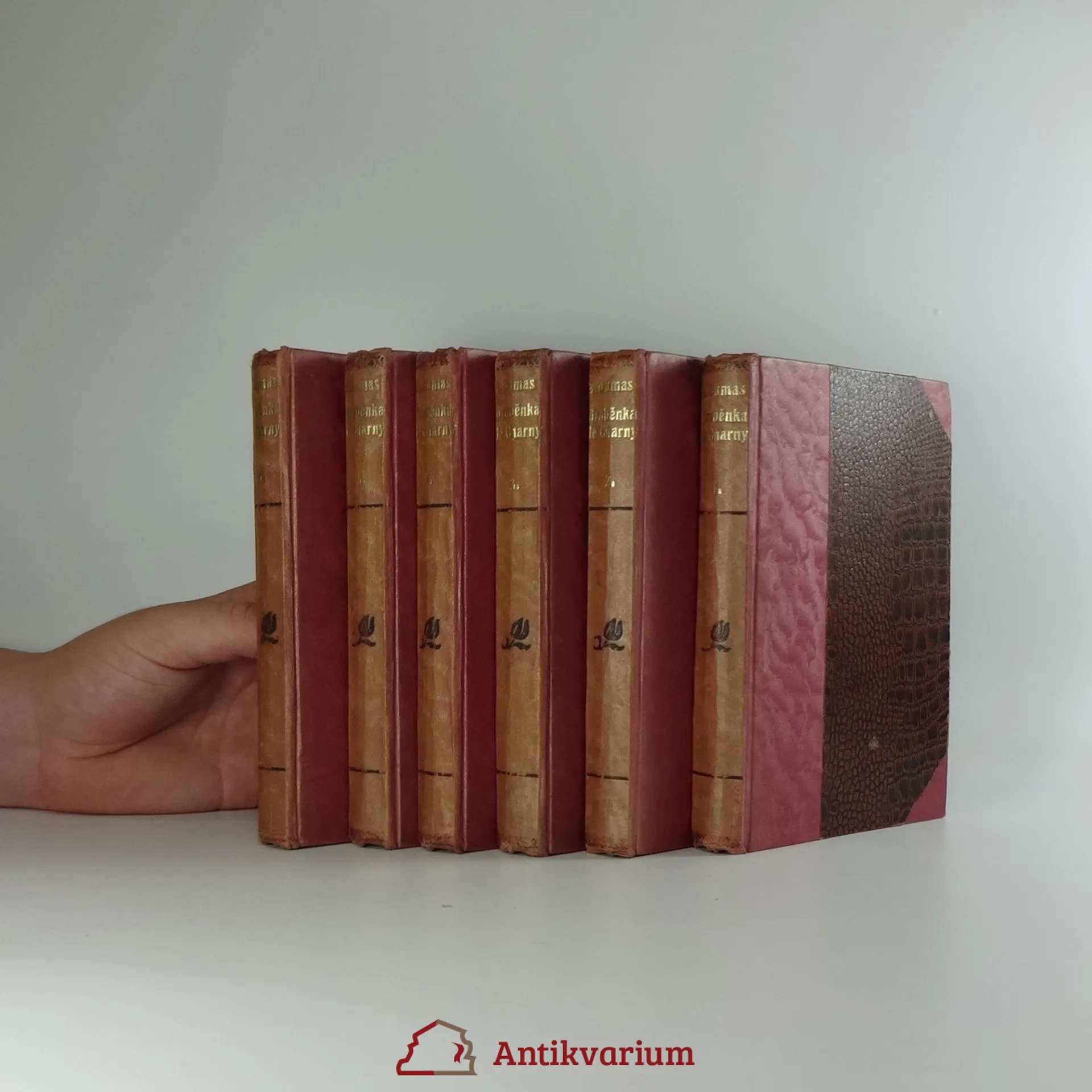
La Comtesse De Charny
- 366bladzijden
- 13 uur lezen
Culturally significant, this work is a faithful reproduction of an original artifact, preserving its historical integrity. It includes original copyright references and library stamps, reflecting its importance in the knowledge base of civilization. This edition offers readers a glimpse into the past, showcasing the work's relevance and the scholarly effort to maintain its authenticity for future generations.
Amidst the deep silence and solitude prevailing in the avenue several market gardeners' carts were climbing the slope which led towards Paris, and the fronts of the houses, asleep behind the dim lines of elms on either side of the road, echoed back the rhythmical jolting of the wheels. At the Neuilly bridge a cart full of cabbages and another full of peas had joined the eight waggons of carrots and turnips coming down from Nanterre; and the horses, left to themselves, had continued plodding along with lowered heads, at a regular though lazy pace, which the ascent of the slope now slackened. The sleeping waggoners, wrapped in woollen cloaks, striped black and grey, and grasping the reins slackly in their closed hands, were stretched at full length on their stomachs atop of the piles of vegetables. Every now and then, a gas lamp, following some patch of gloom, would light up the hobnails of a boot, the blue sleeve of a blouse, or the peak of a cap peering out of the huge florescence of vegetables-red bouquets of carrots, white bouquets of turnips, and the overflowing greenery of peas and cabbages.
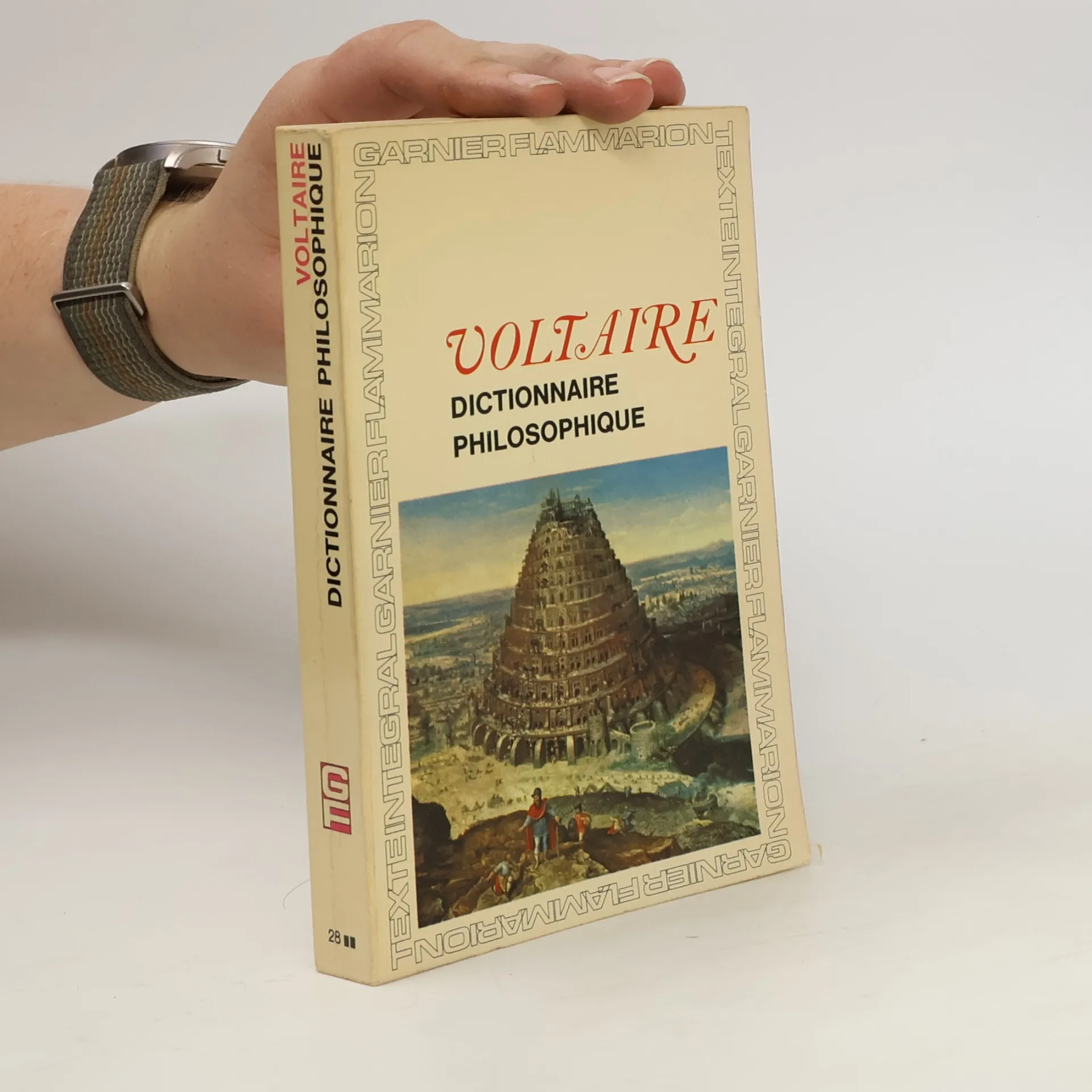
Voltaire, avec son esprit acerbe et sa plume subtile, a trouvé dans la forme du dictionnaire une voie royale d'expression qui lui permis d'échapper à la censure de son temps. Utilisant le jeu des renvois entre les définitions pour tromper la vigilance des autorités et insérant ses analyses les plus iconoclastes dans la définition de termes anodins, Voltaire se livre à un jeu de piste à l'attention d'un lecteur averti, incité à concevoir ce dictionnaire comme un véritable rébus. Ainsi, à l'article Idolâtrie, Voltaire ose comparer les Grecs possédant la statue d'Heraclès aux chrétiens qui ont celle de saint Christophe, ou encore rapprocher nos cultes des coutumes dites barbares. Voltaire, à force d'analogies, nous invite au relativisme, fondement de l'esprit de tolérance dont il aura été l'apôtre le plus convaincu. D'une lecture amusante autant qu'instructive, ce dictionnaire, où souffle à chaque page l'esprit des Lumières, nous éveille à la Raison par alphabet, pour reprendre le titre éloquent donné à l'ouvrage dans son édition de 1769. --Paul Klein
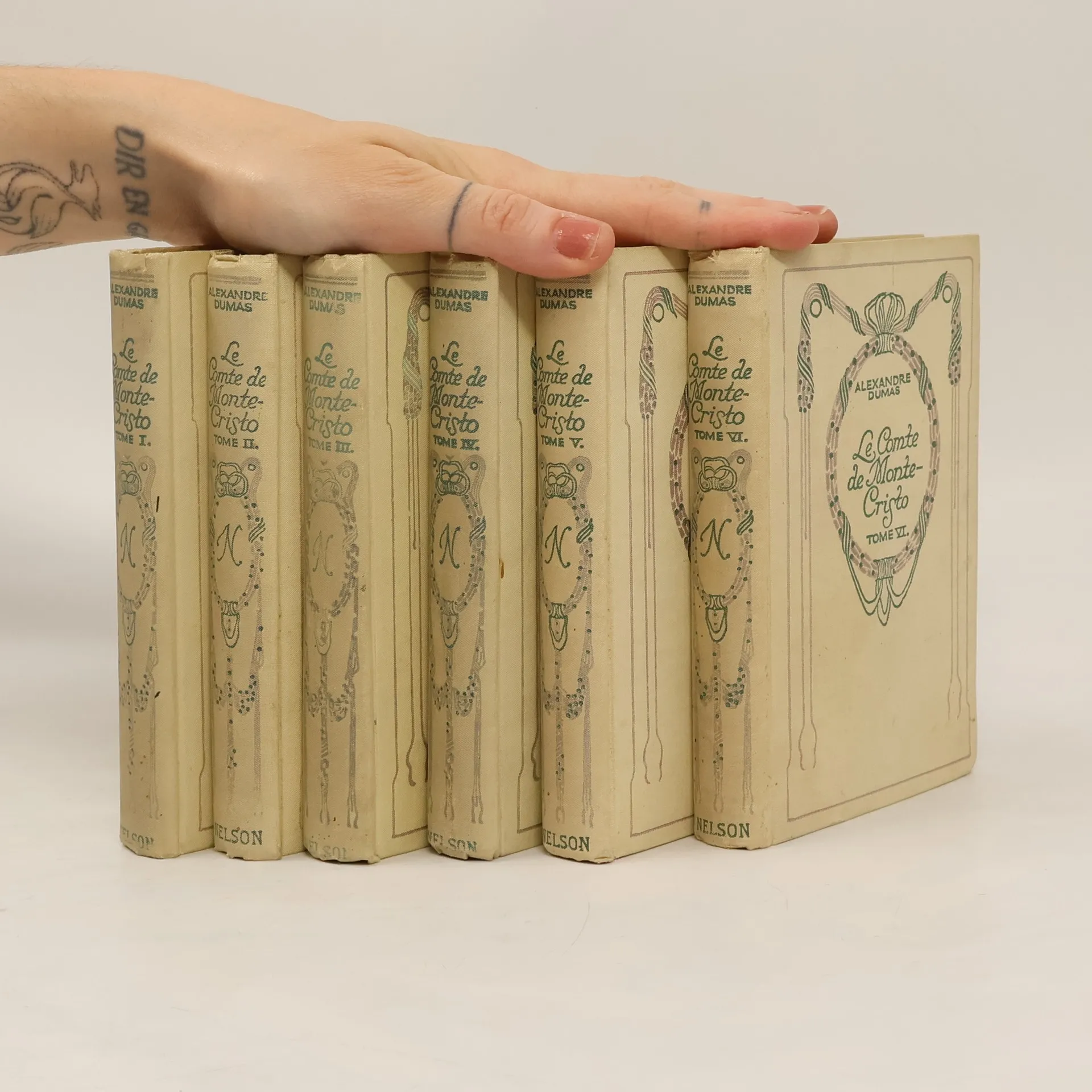
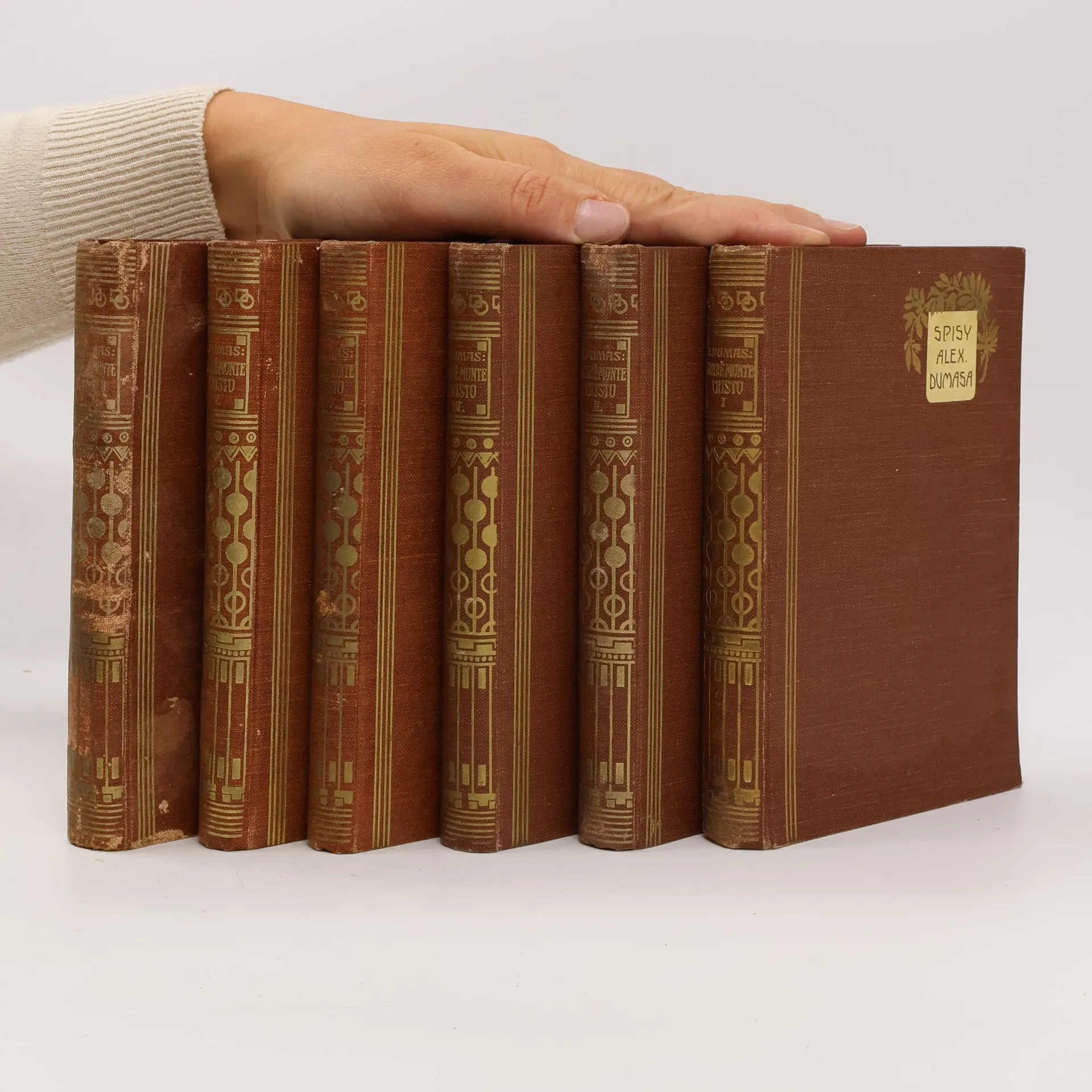
Le Comte de Monte-Cristo I.-VI.
- 6 volumes
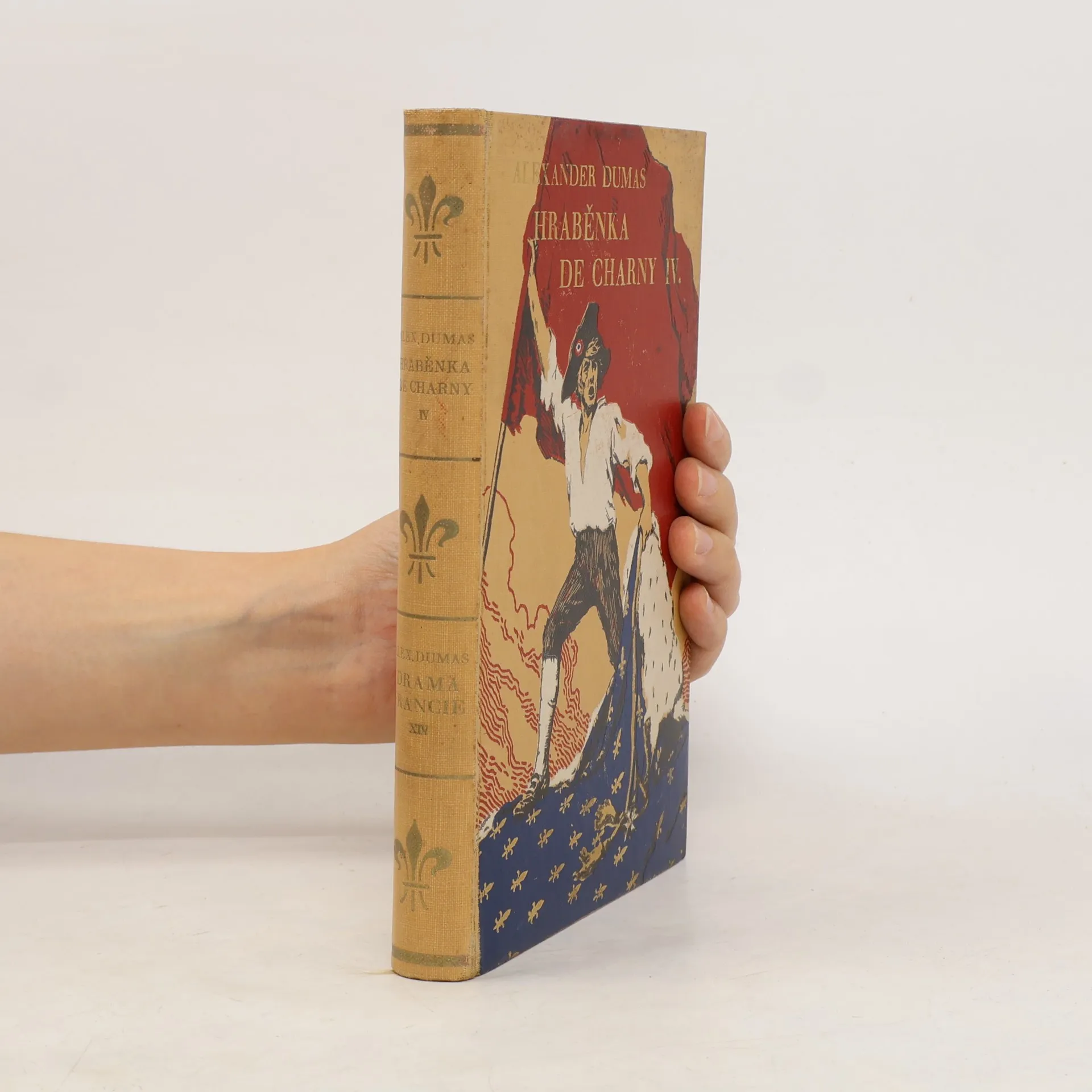
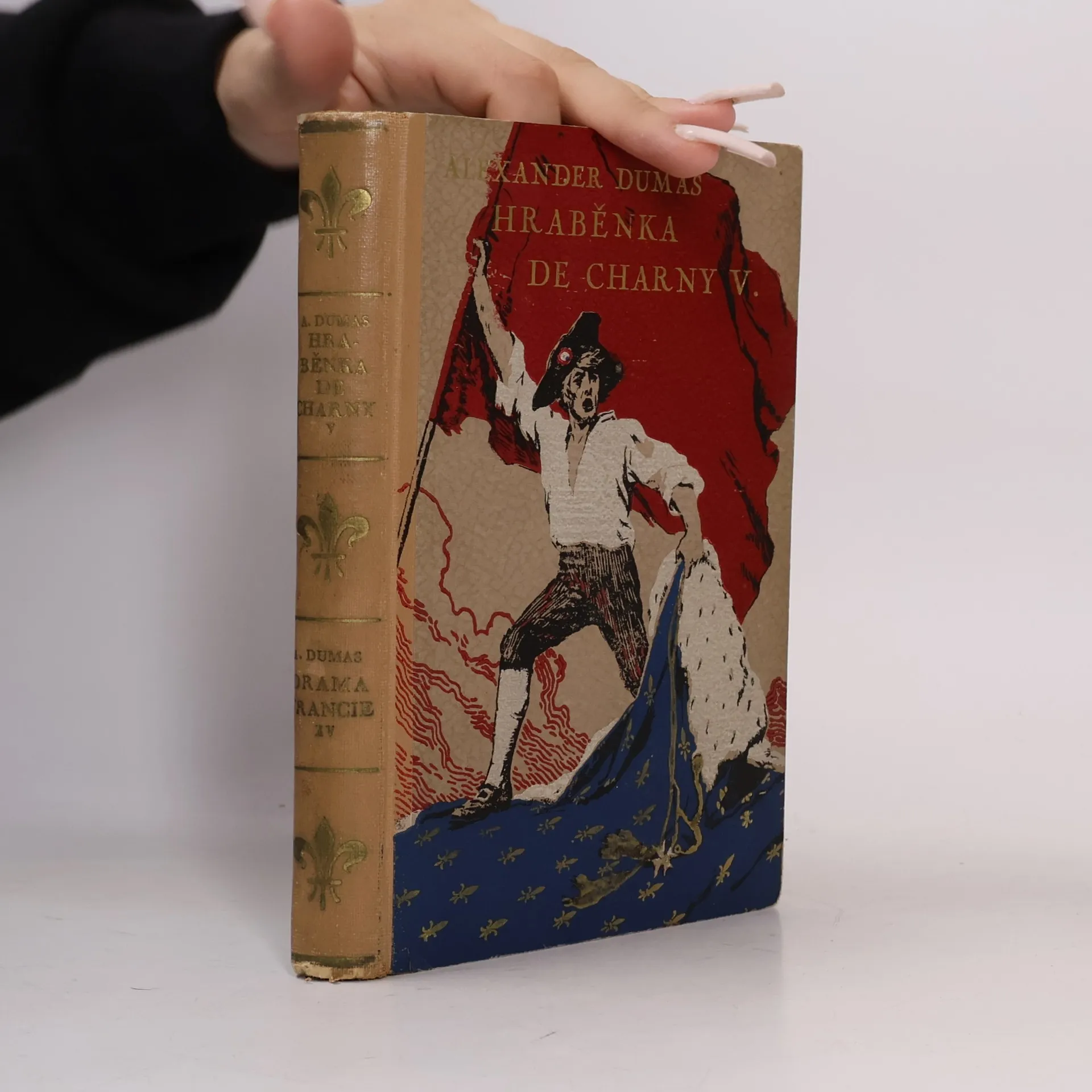
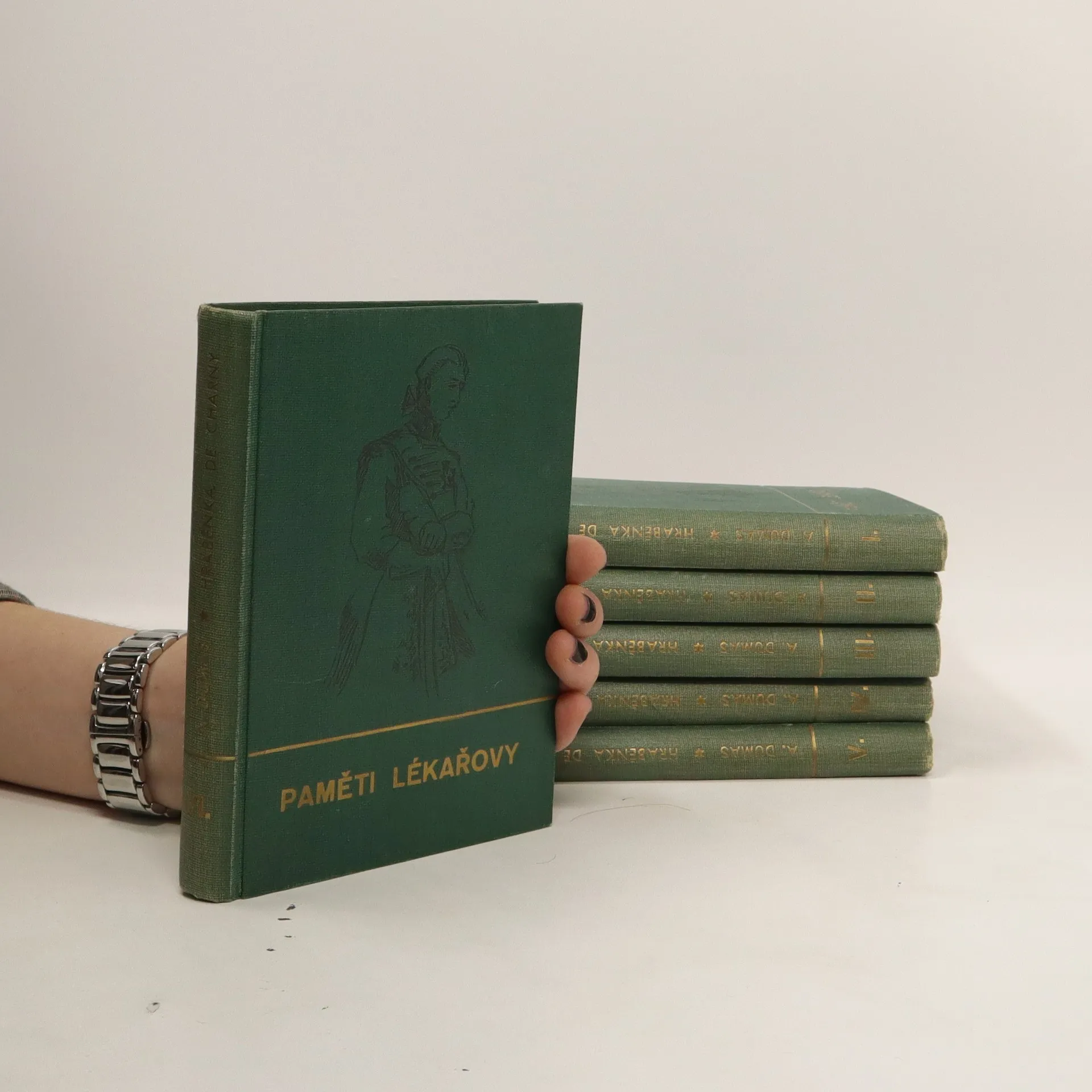
Osudy Andrey de Taverney , nyní hraběnky de Charny, po dobytí Bastily v revoluční Paříži.
Osudy Andrey de Taverney , nyní hraběnky de Charny, po dobytí Bastily v revoluční Paříži.
The Count of Monte-Cristo 5
- 306bladzijden
- 11 uur lezen
Hraběnka de Charny, díl I.
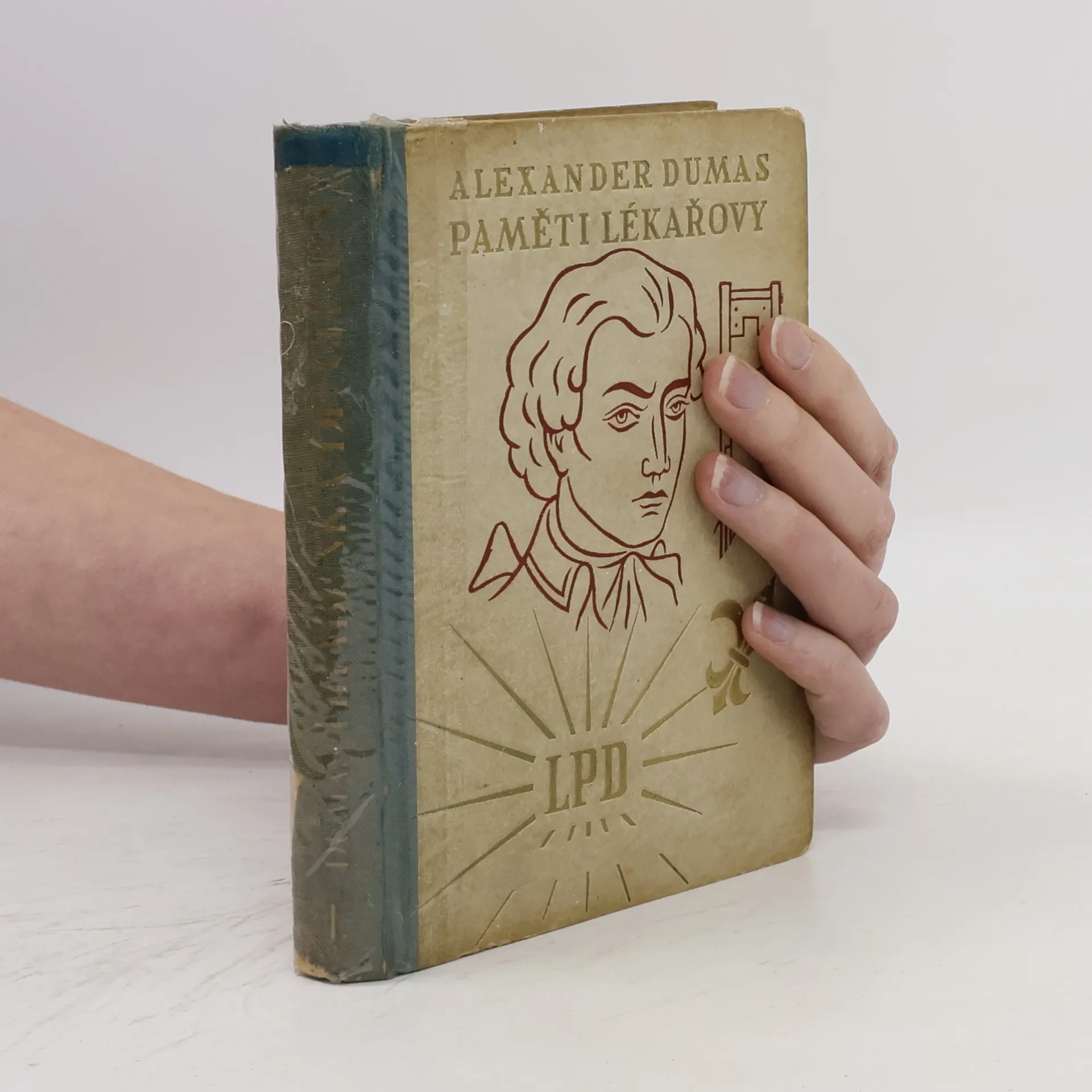
Paměti lékařovy
Hrabě Monte Christo I.-VI.
- 6 volumes