Dokter Zjivago
- 600bladzijden
- 21 uur lezen
Lotgevallen van de Russische arts en dichter Zjivago tijdens de Russische revolutie en burgeroorlog, zijn liefdesverhoudingen en zijn gedwongen deelname aan de strijd van de rode partizanen.


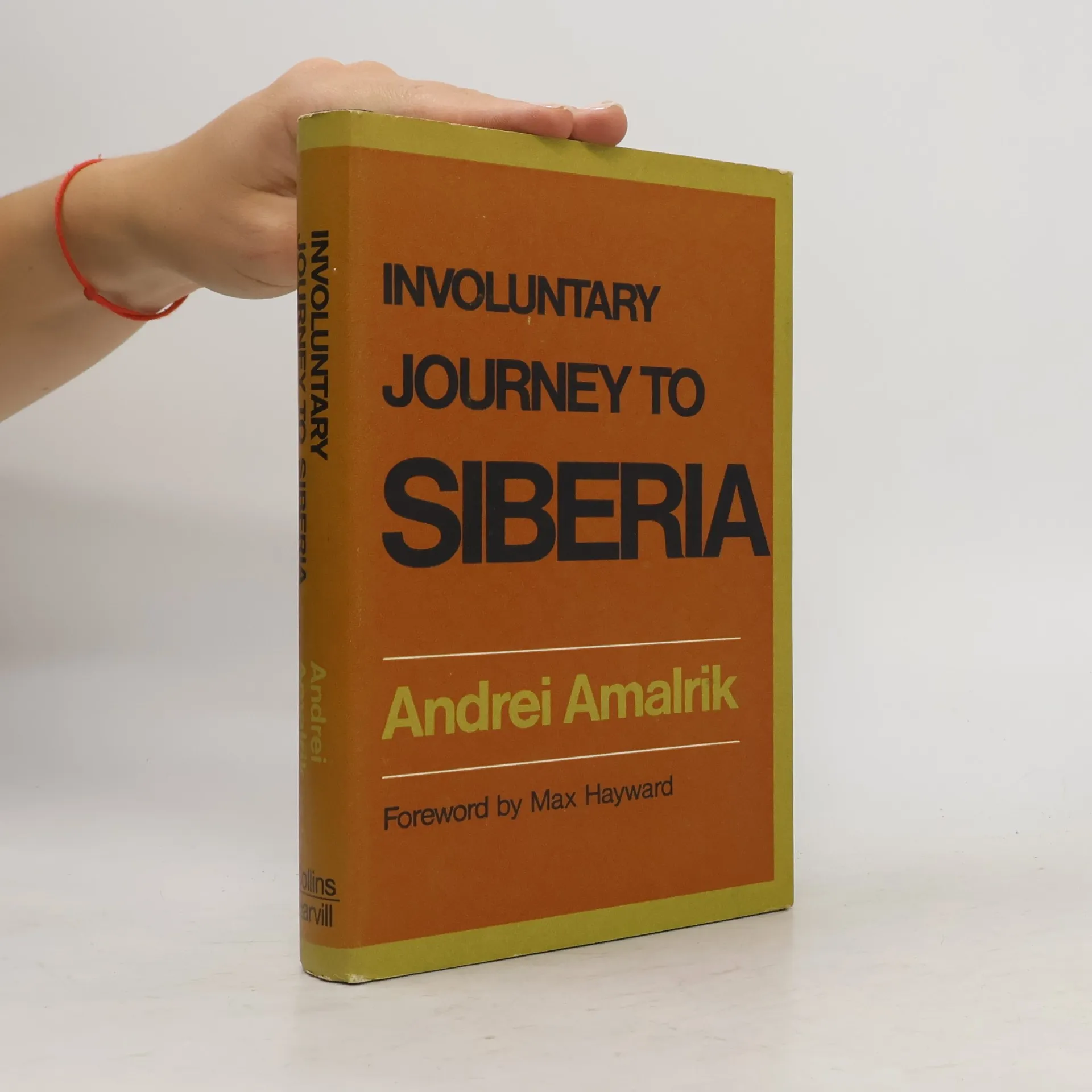
Max Hayward was een belangrijke figuur in de Russische literatuur, bekend om zijn werk als docent en vertaler. Zijn vertalingen boden lezers diepgaande inzichten in de Russische psyche, waarbij hij de complexiteit ervan meesterlijk overbracht over taalkundige grenzen heen. Door zijn inspanningen speelde Hayward een cruciale rol bij het toegankelijk maken van de rijke traditie van de Russische literatuur voor een breder publiek, wat leidde tot een diepere waardering voor de diepgang en nuance ervan.



Lotgevallen van de Russische arts en dichter Zjivago tijdens de Russische revolutie en burgeroorlog, zijn liefdesverhoudingen en zijn gedwongen deelname aan de strijd van de rode partizanen.
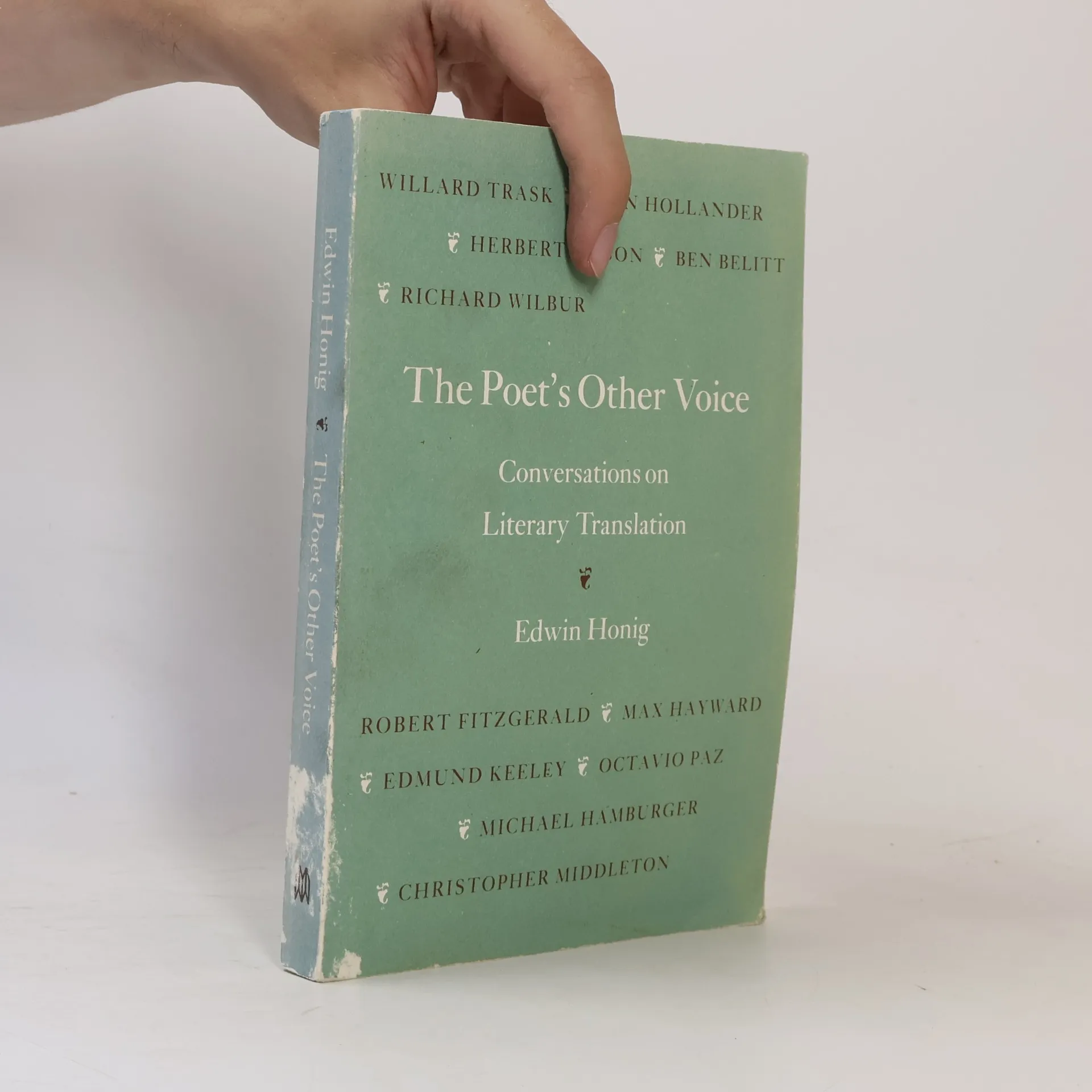
Collection includes conversations with Willard Trask, John Hollander, Herbert Mason, Ben Belitt, Richard Wilbur, Robert Fitzgerald, Max Hayward, Edmund Keeley, Octavio Paz, Michael Hamberger, Christopher Middleton. Twelve distinguished translators share their thoughts on the art and practice of literary translation in this lively series of interviews. Although the common subject is the translation of poetry, the conversations range across a field of related topics: how each person got started as a translator, how each goes about the work, the qualities that distinguish a great translation from a merely serviceable one, the theoretic issues posed by poetic translation, the barriers of culture and time, the practical details of rendering a poem from one language to the next. --University of Massachusetts Press.
Vervolg op 'Memoires'
English, Russian (translation)
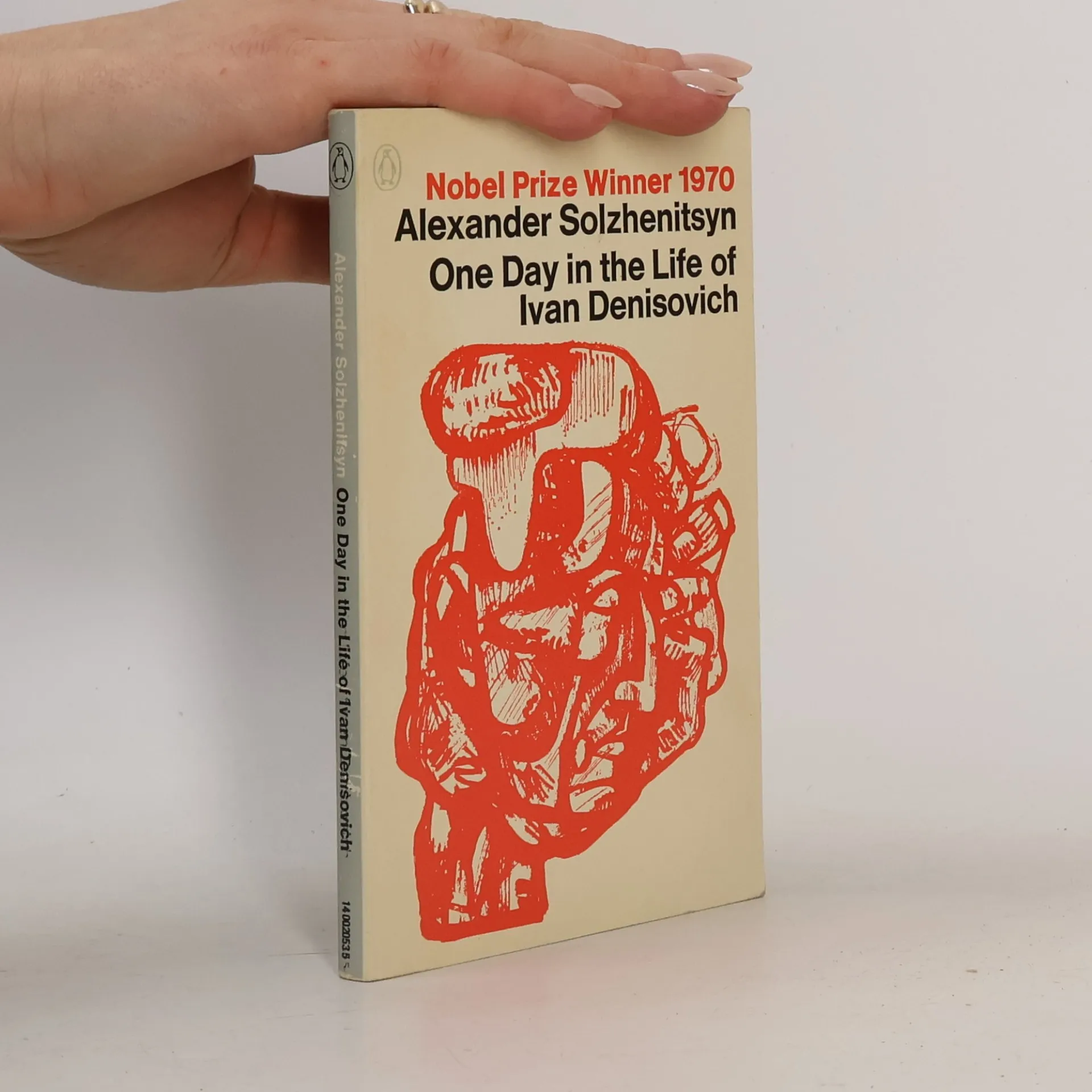
“Stark . . . the story of how one falsely accused convict and his fellow prisoners survived or perished in an arctic slave labor camp after the war.”—Time From the icy blast of reveille through the sweet release of sleep, Ivan Denisovich endures. A common carpenter, he is one of millions viciously imprisoned for countless years on baseless charges,sentenced to the waking nightmare of the Soviet work camps in Siberia. Even in the face of degrading hatred, where life is reduced to a bowl of gruel and a rare cigarette, hope and dignity prevail. This powerful novel of fact is a scathing indictment of Communist tyranny, and an eloquent affirmation of the human spirit. The prodigious works of Alexander Solzhenitsyn, including his acclaimed The Gulag Archipelago, have secured his place in the great tradition of Russian literary giants. Ironically, One Day in the Life of Ivan Denisovich is the only one of his works permitted publication in his native land. Praise for One Day in the Life of Ivan Denisovich “Cannot fail to arouse bitterness and pain in the heart of the reader. A literary and political event of the first magnitude.”—New Statesman “Both as a political tract and as a literary work, it is in the Doctor Zhivago category.”—Washington Post “Dramatic . . . outspoken . . . graphically detailed . . . a moving human record.”—Library Journal