On the occasion of a major exhibition, performance, and film premiere, this book explores Matthew Barney's seven-year project, an odyssey of death and its mythologies. It documents the ambitious new work, the first major series since the Cremaster cycle. Inspired by Norman Mailer's Egyptian novel, the project chronicles a narrator's journey through death and reincarnation. Through unique live performances, massive sculptures, and a marathon-length opera in cinematic form, created with composer Jonathan Bepler, Barney constructs a complex universe where mythology, iconography, narrative, sex, and death intertwine. Organized by the film's narrative structure, the book features sculptures made from elemental materials like iron, sulfur, bronze, lead, salt, and copper, alongside drawings, stills from film and live performances, storyboards, and original scores by Bepler. A comprehensive essay by Okwui Enwezor provides an overview of the exhibition and film project. Additionally, contributions from literary theorist Homi K. Bhabha and critic Hilton Als enrich the text, while facsimiles of playbills from related performances offer further context. This volume encapsulates the depth and complexity of Barney's latest artistic endeavor.
Homi K. Bhabha Volgorde van de boeken (chronologisch)
Homi K. Bhabha is een sleutelfiguur in de hedendaagse postkoloniale studies, gericht op de manieren waarop gekoloniseerde volkeren weerstand hebben geboden aan de macht van de kolonisator. Zijn theoretische werk heeft talrijke neologismen en kernconcepten binnen het veld gedefinieerd, waaronder hybriditeit, mimicry, verschil en ambivalentie. Deze termen belichten de complexe interacties en weerstand die ontstaan binnen koloniale relaties. Bhabha onderzoekt deze thema's kritisch met diepgang en nuance, en werpt licht op de dynamiek van macht en identiteit.



Über kulturelle Hybridität
- 88bladzijden
- 4 uur lezen
Homi K. Bhabha ist einer der bedeutendsten Literaturtheoretiker der Gegenwart und neben Edward Said, Gayatri Ch. Spivak und Stuart Hall einer der maßgeblichen RepräsentantInnen der Postcolonial Studies. Der in Indien geborene Wissenschaftler entwickelte eine Reihe von Grundkonzepten für diese Disziplin. Begriffe wie Hybridität, Mimikri, Dritter Raum, Ambivalenz sollen die Formen beschreiben, in denen kolonisierte Völker in der Lage waren (und sind), der Gewalt und der Macht der Kolonisatoren zu widerstehen. Diesem Text liegt sein im Festsaal der Universität Wien gehaltener Vortrag »On Cultural Hybridity – Tradition and Translation« zugrunde.
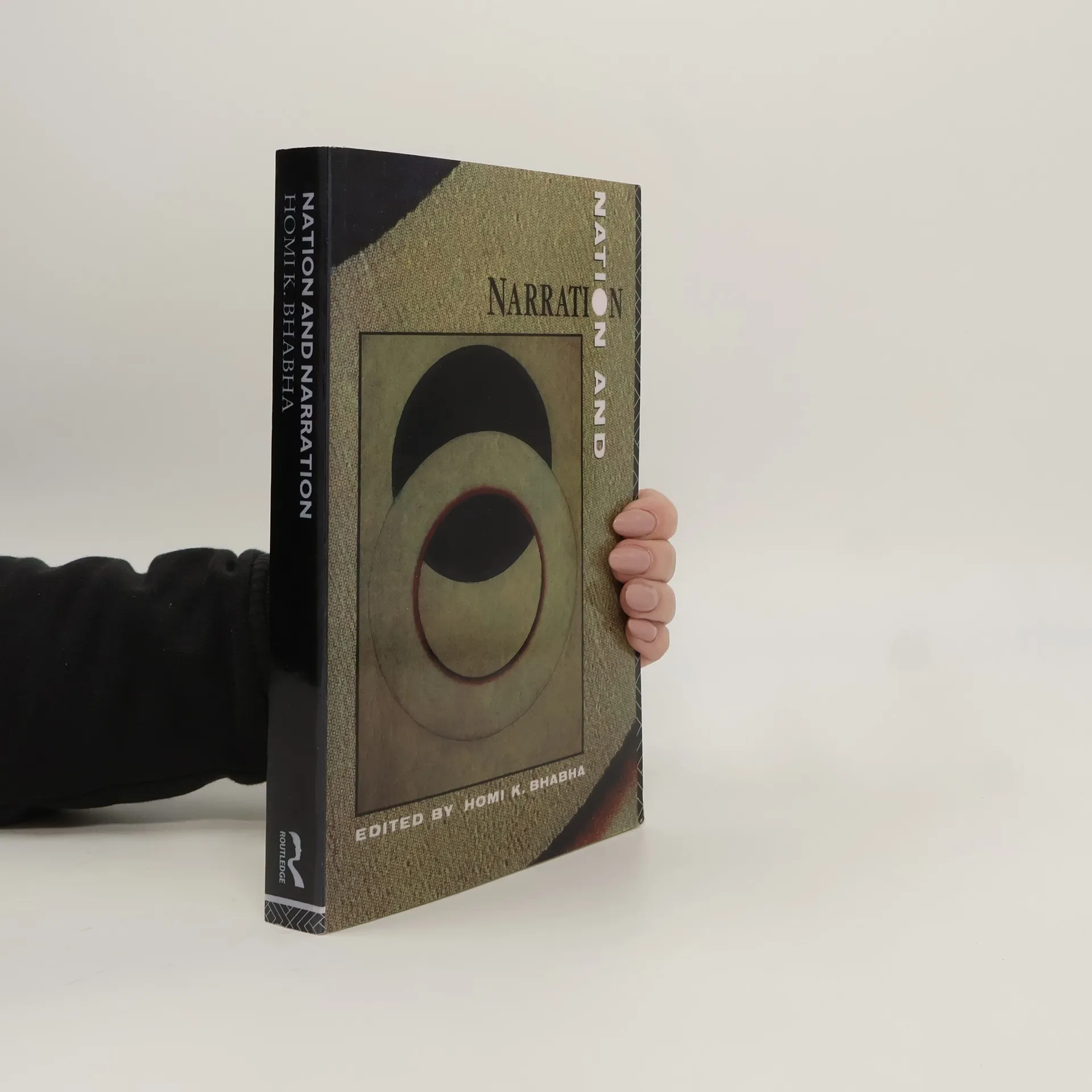
A collection of essays celebrating the fact that English is no longer just an English' language. Contributors include Gillian Beer, Rachel Bowlby, Doris Sommer and Sneja Gunew.
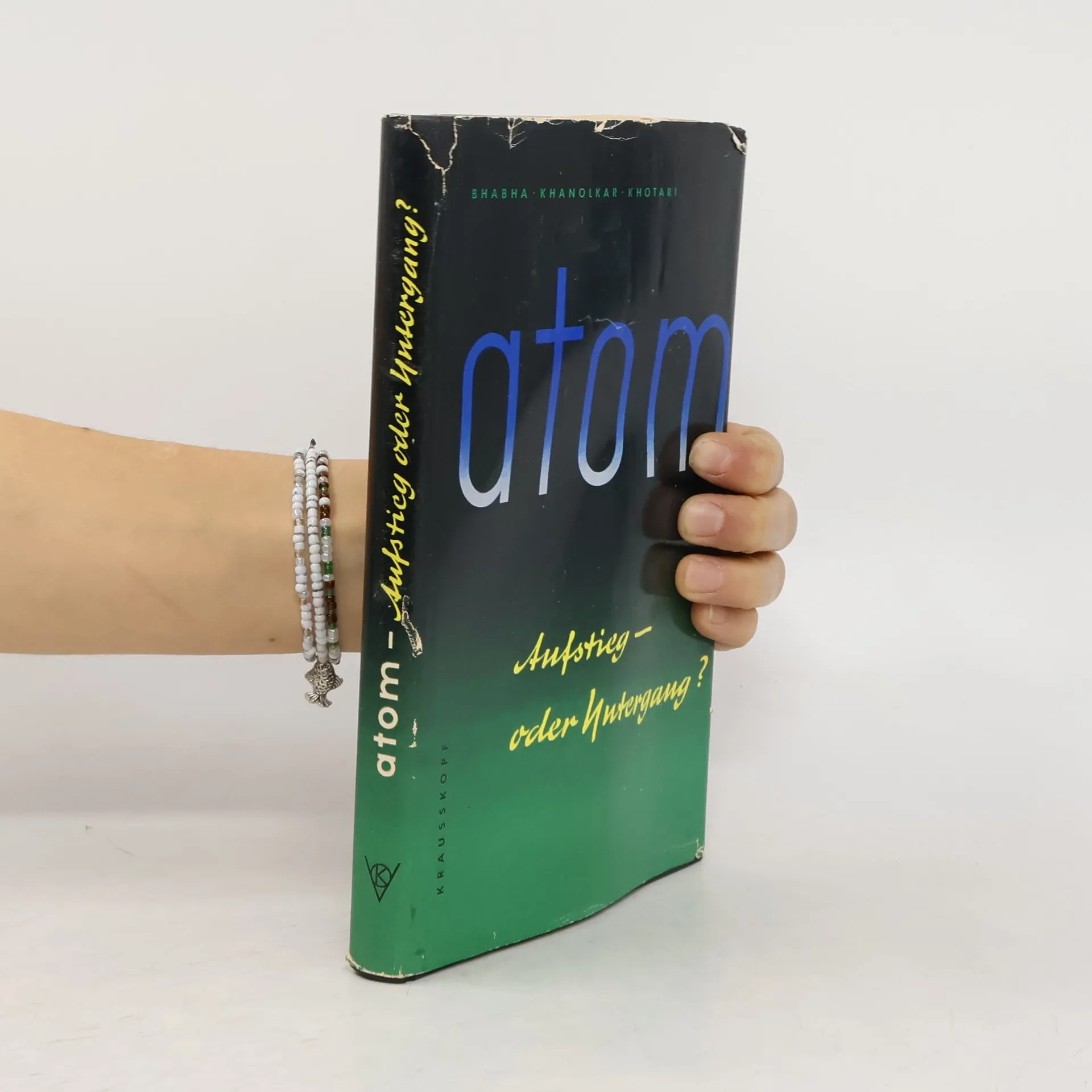
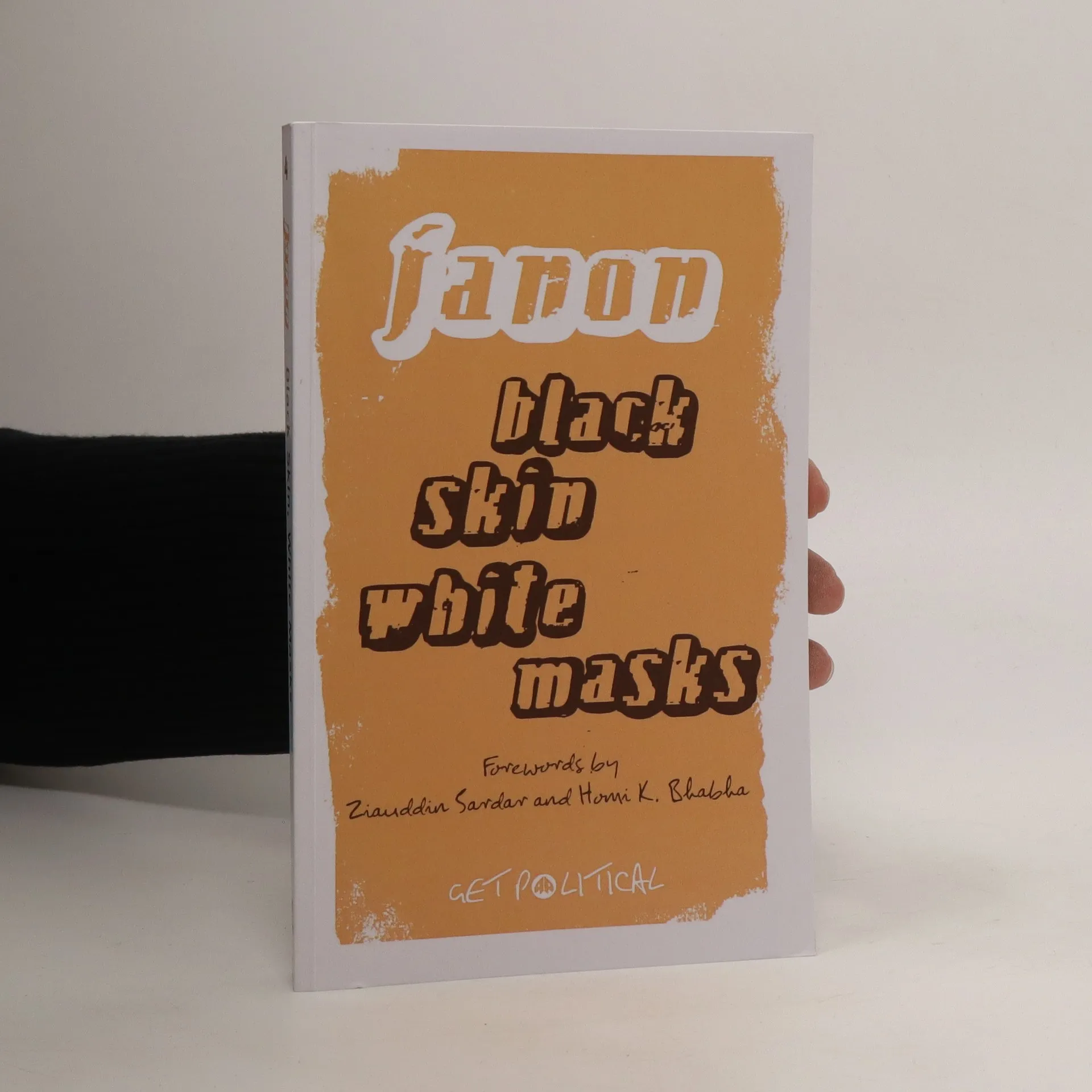
Black skin, white masks
- 186bladzijden
- 7 uur lezen
The explosion will not happen today. It is too soon ... or too late.First published in English in 1968, Frantz Fanon's seminal text was immediately acclaimed as a classic of black liberationalist writing. Fanon's descriptions of the feelings of inadequacy and dependence experienced by people of colour in a white world are as salient and as compelling as ever. Fanon identifies a devastating pathology at the heart of Western culture, a denial of difference, that persists to this day. His writings speak to all who continue the struggle for political and cultural liberation in our troubled times.
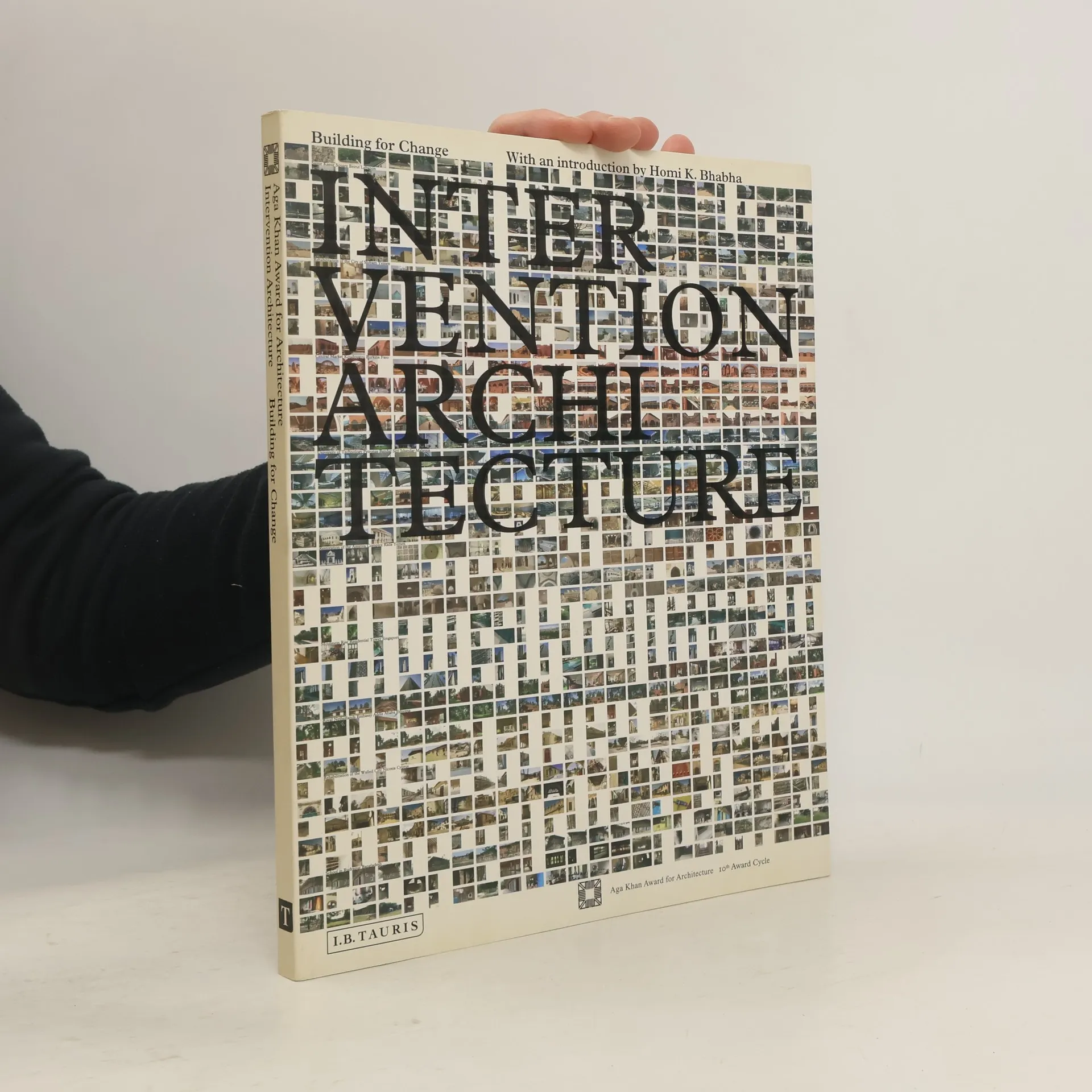
Aga Khan Award for Architecture - 10: Intervention Architecture
Building for Change
- 192bladzijden
- 7 uur lezen
Across a range of settings - from the dry river valleys of Yemen to tropical high-rise fabric of Singapore - the projects selected for the 10th cycle of the Aga Khan Award for Architecture match the cutting-edge design with a deep commitment to place. Resolutely contemporary and yet firmly local, they respond to the challenges of their environments with imagination and skill. "Intervention Architecture" brings these works vividly to life through understanding photographs as well as drawings and descriptions. Texts by leading thinkers and practitioners explore the broader issues raised by the projects, from ecological urbanism to cosmopolitanism in architecture.
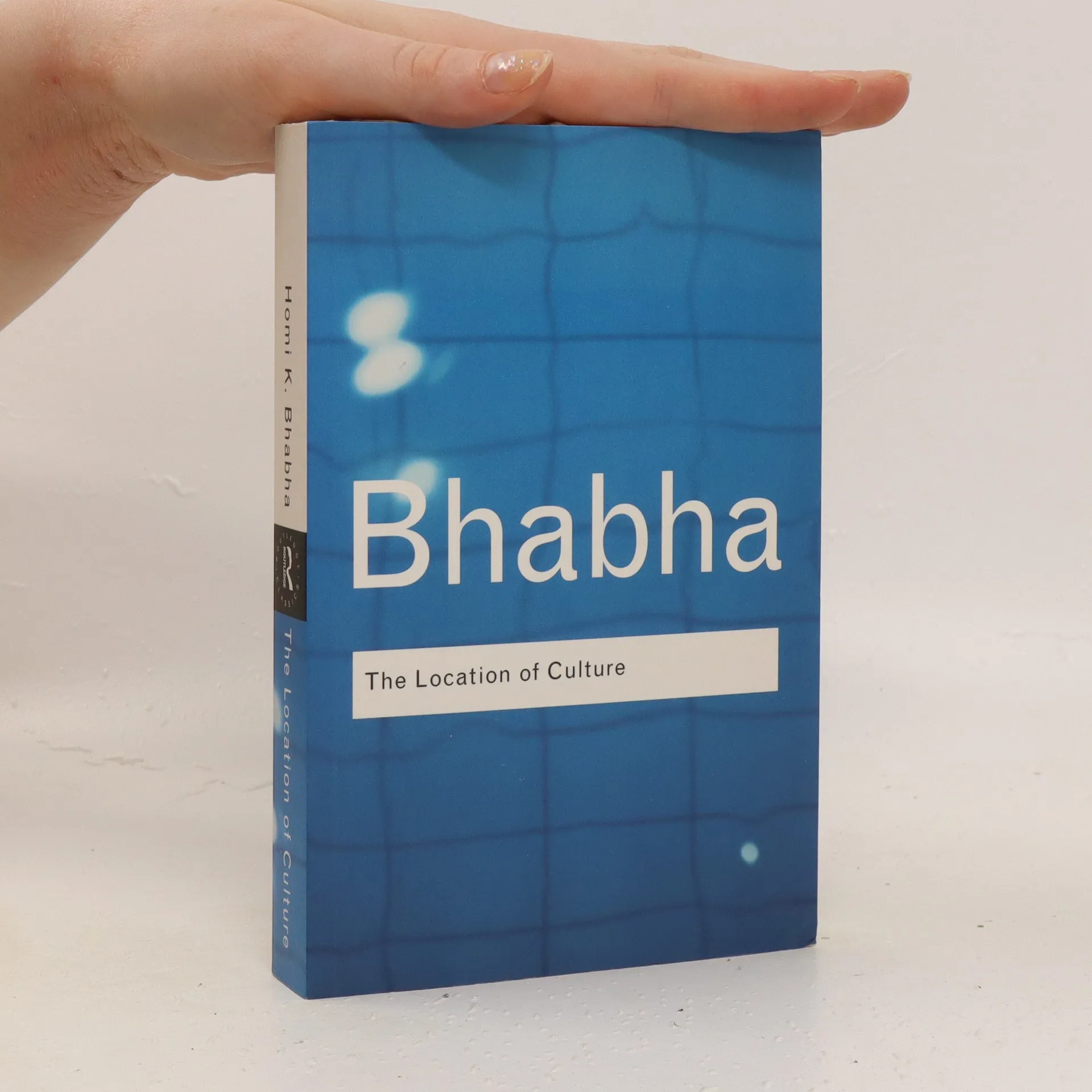
The location of culture
- 408bladzijden
- 15 uur lezen
Rethinking questions of identity, social agency and national affiliation, Bhabha provides a working, if controversial, theory of cultural hybridity - one that goes far beyond previous attempts by others. In The Location of Culture , he uses concepts such as mimicry, interstice, hybridity, and liminality to argue that cultural production is always most productive where it is most ambivalent. Speaking in a voice that combines intellectual ease with the belief that theory itself can contribute to practical political change, Bhabha has become one of the leading post-colonial theorists of this era.