A history of the uniforms worn by the United States Army from colonial times to the present day.
Philip R. N. Katcher Boeken


The US Army 1890-1920
- 48bladzijden
- 2 uur lezen
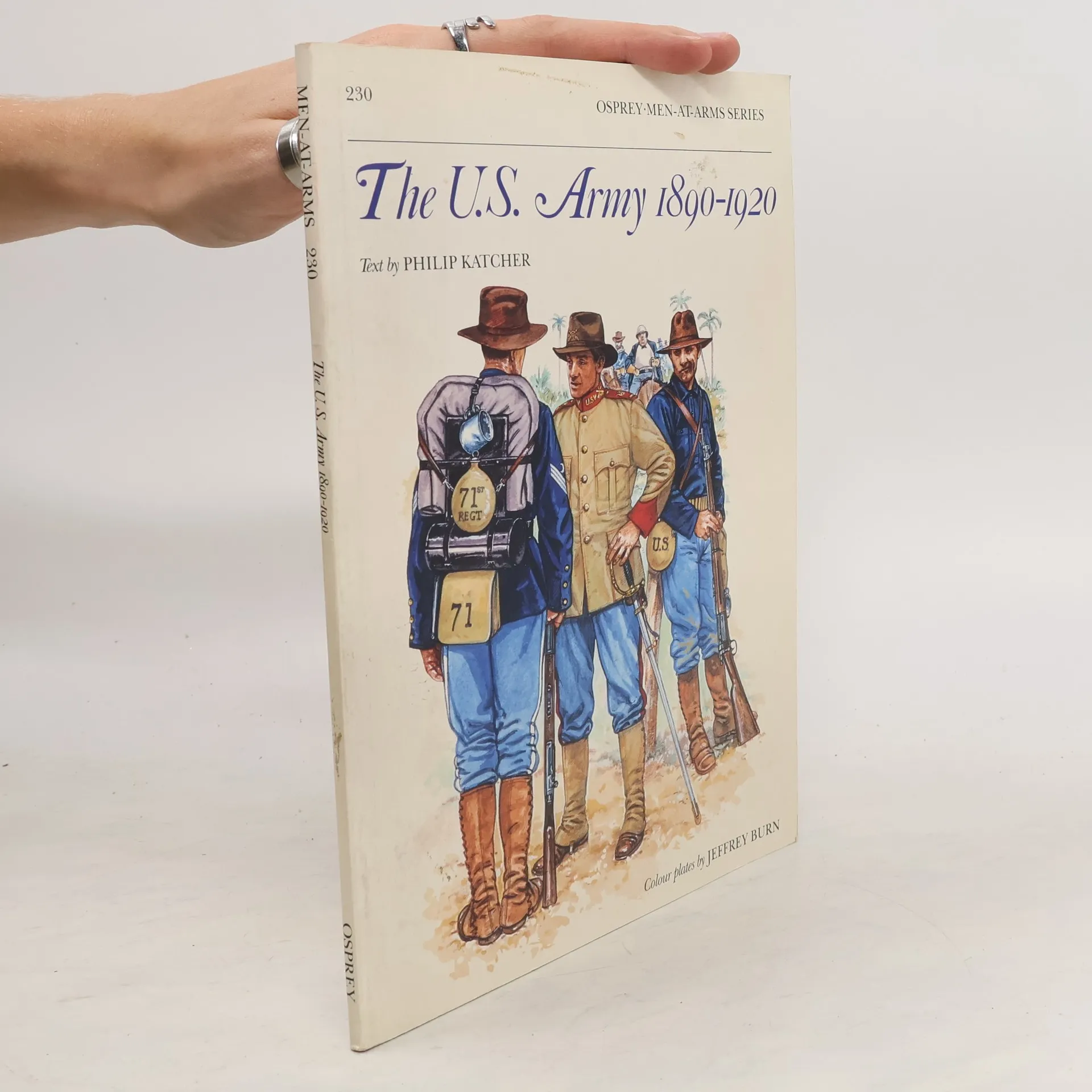
Between 1890 and 1920 the US Army underwent profound changes in organization, function, composition and appearance. The Army was transformed from a small, blue-clad force whose primary weapon was the single-shot rifle, into a mighty host of men dressed in dirt-coloured combat uniforms, using automatic weapons, tanks and aircraft to fight enemies on fields across the world. This book details the Army's developments during its involvement in the Spanish-American War (1898), the Boxer Rebellion (1898-1901), and World War I (1914-1918). Particular attention is given to the evolution of the Army's uniforms, which are illustrated vividly throughout the book.
The American War 1812–1814
- 48bladzijden
- 2 uur lezen
Typically the United States is said to have declared war on Great Britain in 1812 because of the Royal Navy's impressment of American seamen and the British desire to create an Indian buffer state. An Englishman William Cobbett, described the real cause of the conflict: 'There seemed to be wanting just such a war as this to complete the separation of England from America; and to make the latter feel that she had no safety against the former but in the arms of her free citizens.' Regardless of the reasons, however, on 4 June 1812, U.S.President James Madison, asked Congress to declare war
American Civil War Artillery 1861–65 (2)
- 48bladzijden
- 2 uur lezen
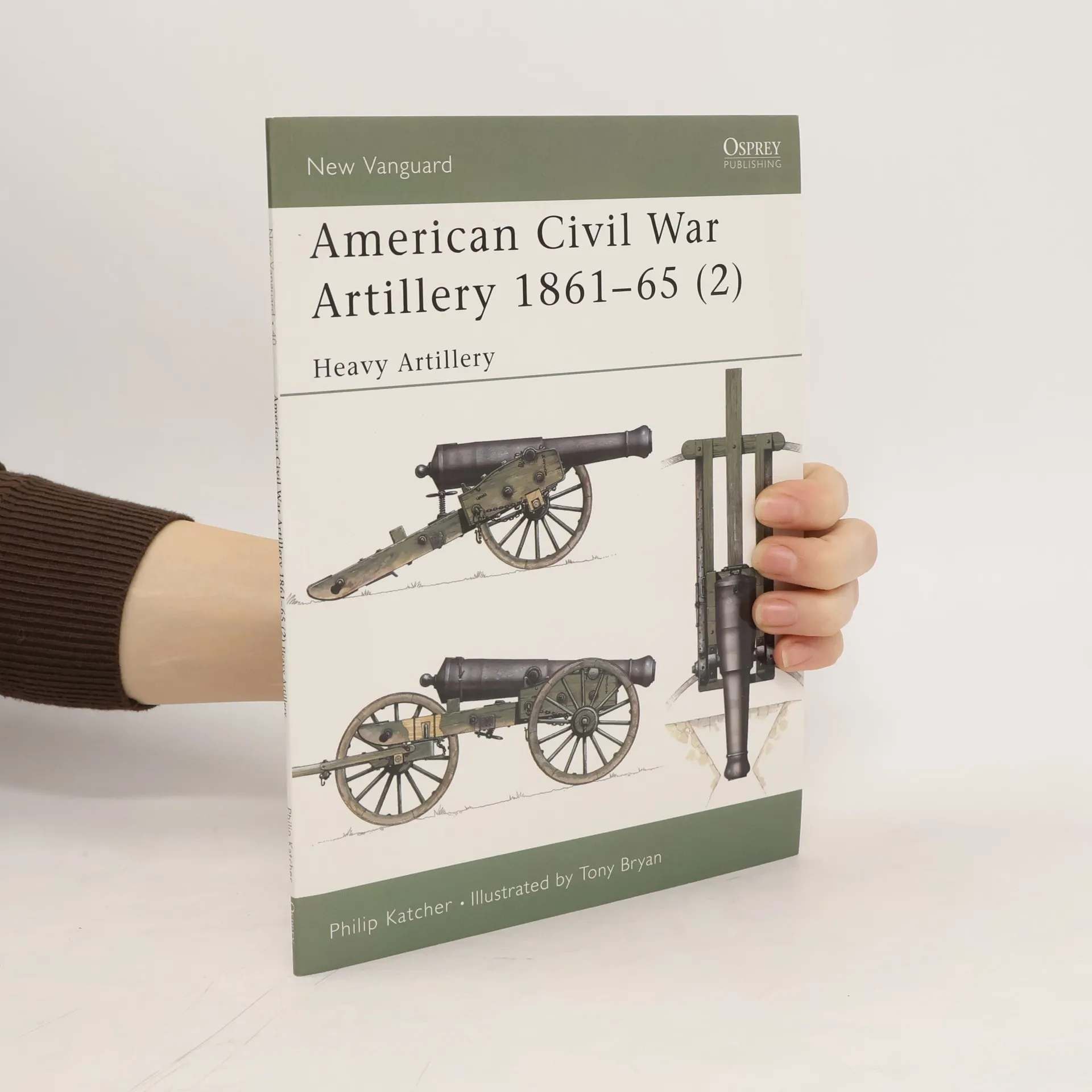
Because of the length of the coastline of the United States, from the beginning American ordnance and engineers placed an emphasis on heavy artillery mounted in coastal defences. The Union army organised its 'Heavy Artillery' into separate regiments, uniformed and equipped differently. While the Field Artillery was assigned across the fighting fronts Heavy Artillery units served the big guns in the forts and the defences of Washington. The Confederates did not differentiate types of artillery and those that became known as Heavy Artillery did so through informal association rather than formal designation. This book details the development and usage of the big guns.
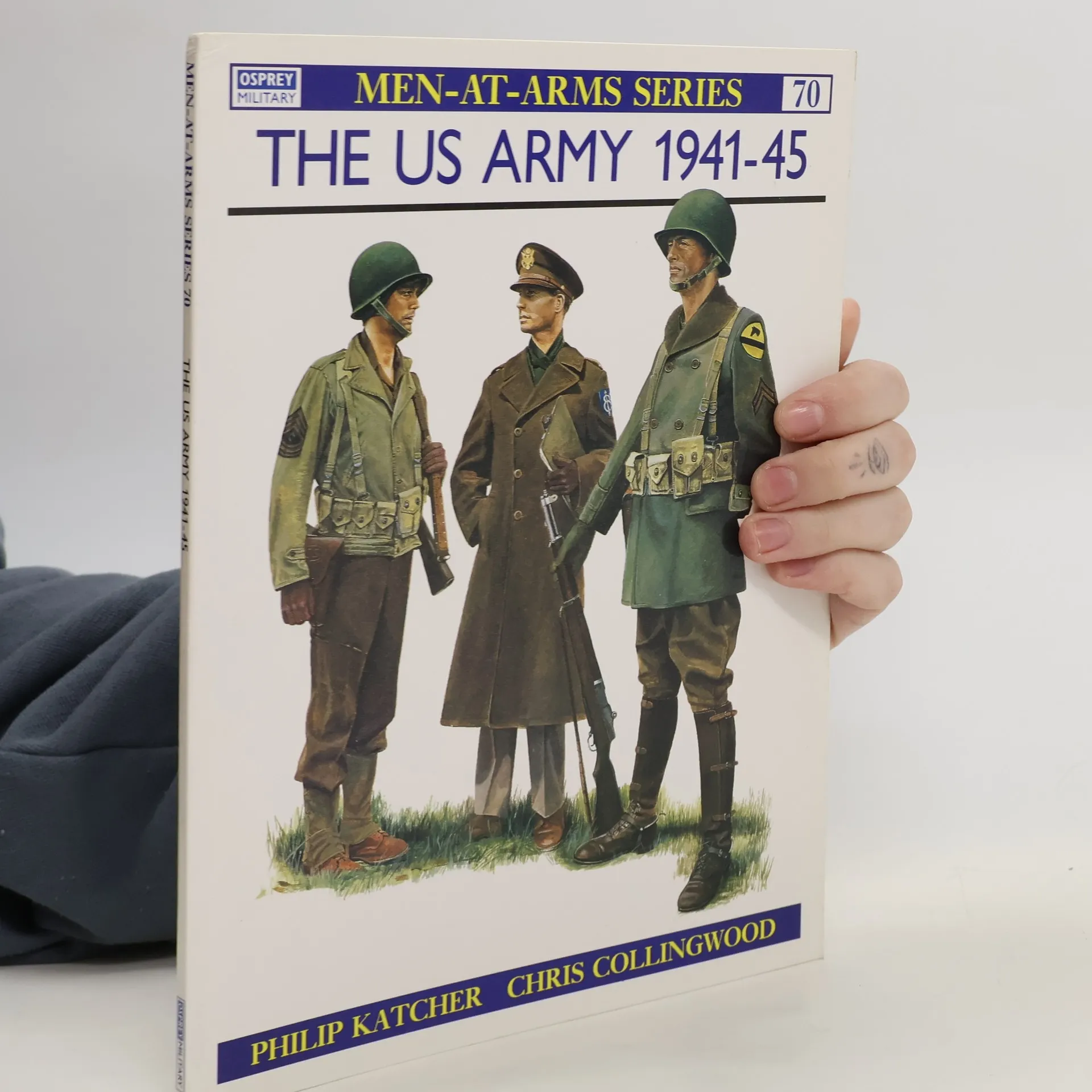
At the time of the Second World War, the United States Army took an unusual approach, for the period, towards the design of its uniforms. Rather than attempt to find an all-purpose outfit, such as the British battledress, it attempted to design special-purpose dress for every possible duty, from combat in cold climates to dress parades in hot ones. Here Philip Katcher provides an extensive examination of the many different types of uniform and equipment which saw service during the conflict.
Sharpshooters of the American Civil War 1861–65
- 64bladzijden
- 3 uur lezen
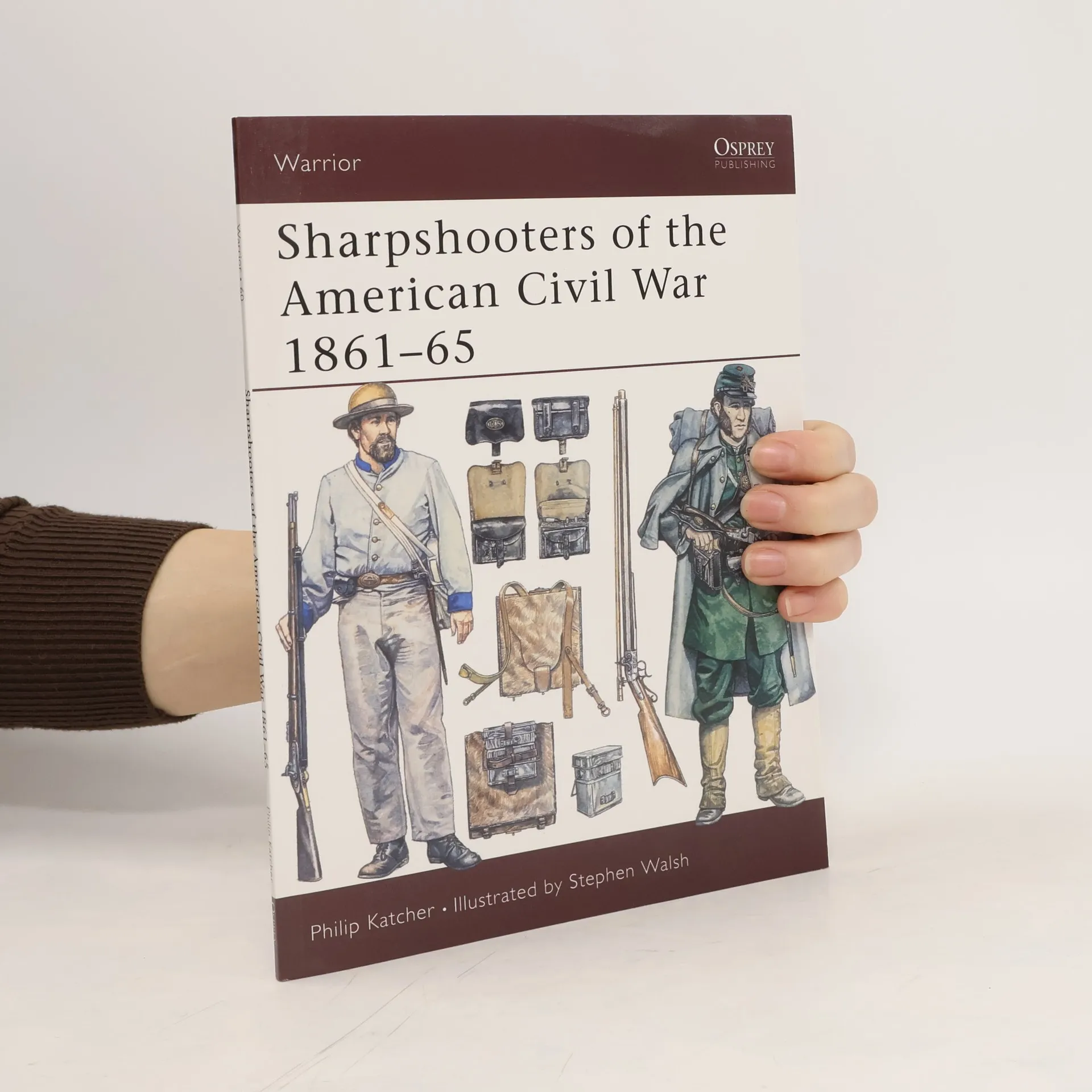
When the American Civil War (1861-1865) broke out, both Confederate and Union experts decided that specialized sharpshooter units should be formed. These highly trained marksmen served in a front-line role and, due to the technological developments of the 1850s, were equipped with weapons that could guarantee greater accuracy over increased range than traditional muskets. This title examines the recruitment, training, tactics and deployment of sharpshooters from both sides of the conflict. It also takes a close look at the specialized personal weaponry of the sharpshooter, the rifle and its accoutrements, as well as the sharpshooters' unique insignia and identification patches.
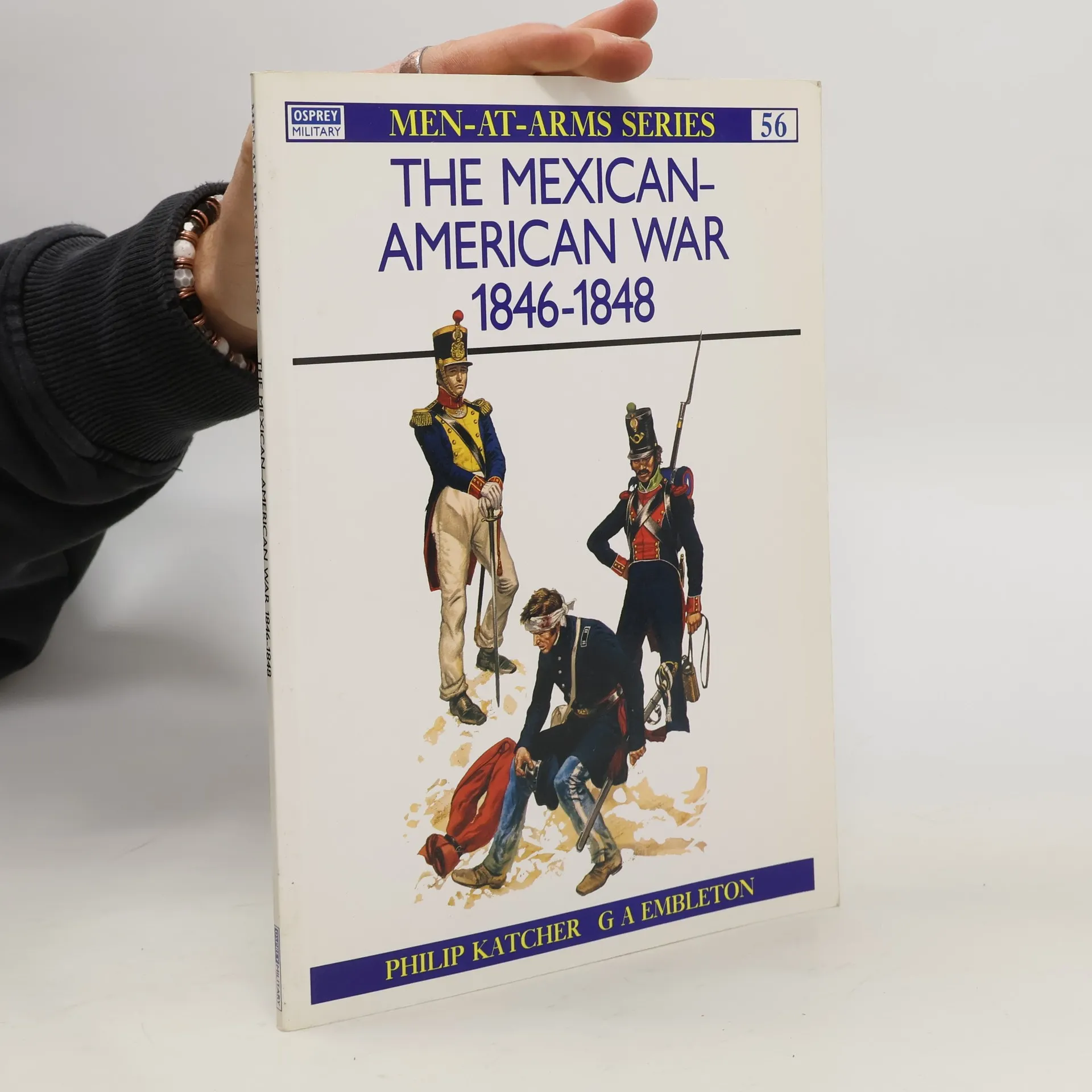
The Mexican-American War 1846-1848
- 8bladzijden
- 1 uur lezen
'There never was so fine an American army,' wrote second-lieutenant, John Sedgwick, in describing the troops under Major-General Zachary Taylor in 1846. Another then second-lieutenant, destined to see many more armies; U.S. Grant, also thought highly of them: 'The rank and file were probably inferior … to the volunteers that participated in all the later battles of the war; but they were brave men, and then drill and discipline brought out all there was in them.' Philip Katcher writes the story of the regulars and volunteers who fought in the Mexican-American War, detailing the infantry, cavalry, artillery and staff of both the American and Mexican armies.
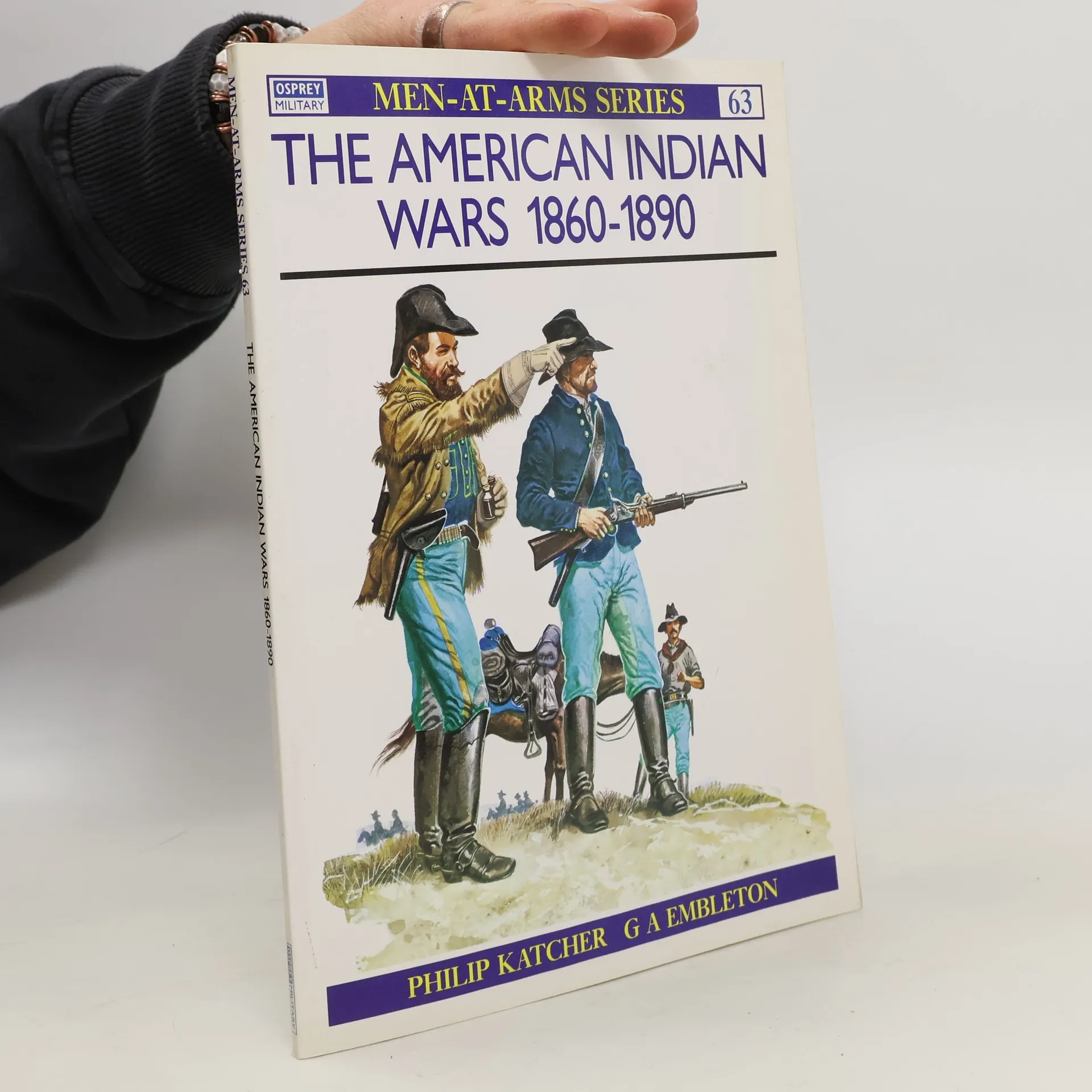
The American Indian Wars, the most famous of which were fought on the great Western plains between 1860 and 1890, were among the most tragic of all conflicts ever fought. To the victor went no less than the complete domination of the continent, to the loser total extinction. Accustomed only to small scale skirmishing and raiding, the Indians were doomed from the start. They had never fought a European-style war with its constant pressure and co-ordinated strategies. Philip Katcher details the armies of both sides, paying particular attention to their organization and uniforms.
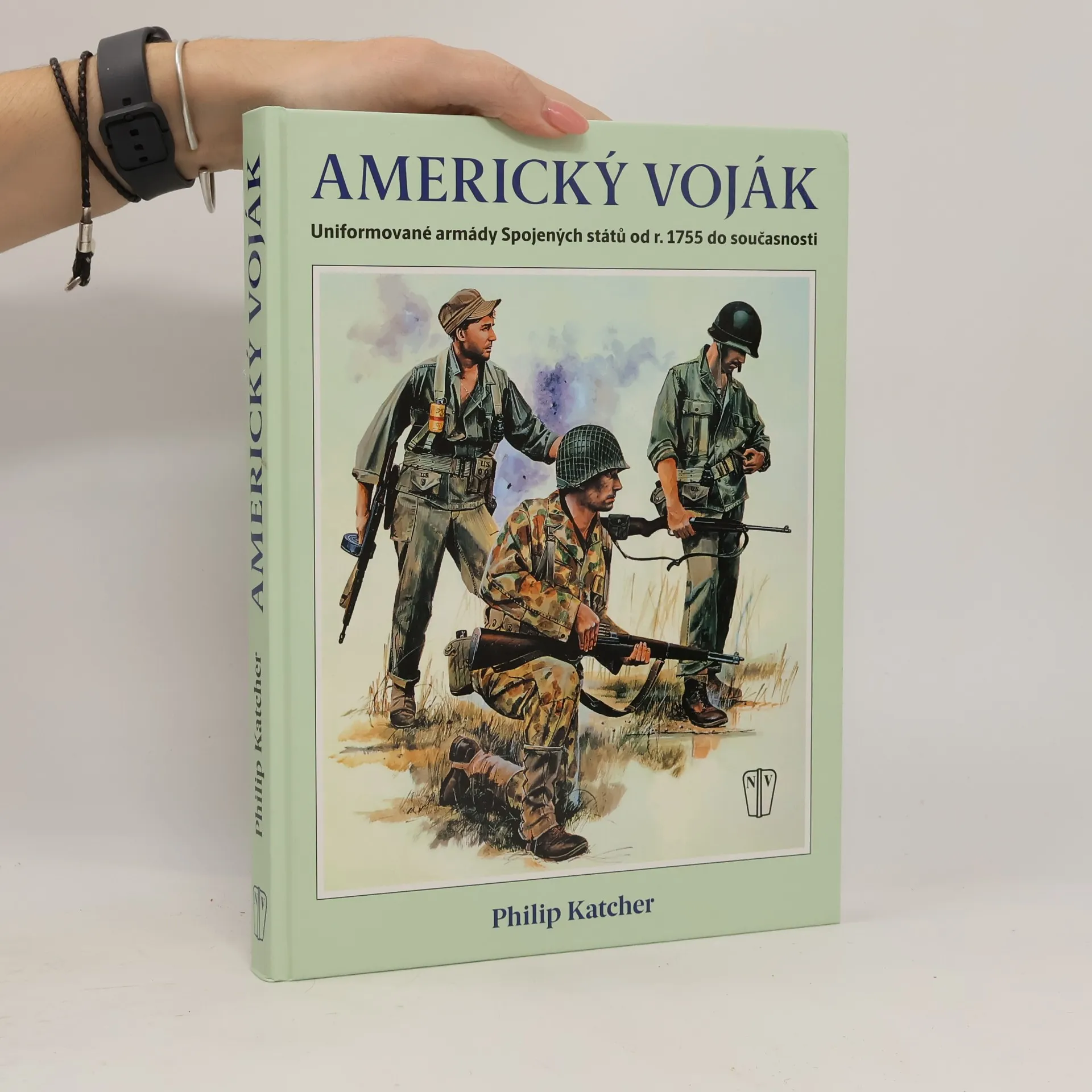
Americký voják: Uniformované armády Spojených států od r. 1755 do současnosti
- 224bladzijden
- 8 uur lezen
Uniformované armády Spojených států od r. 1755 do současnosti Titul představuje zcela nový pohled na pozemní jednotky Spojených států. Klade důraz na vývoj americké armády a námořní pěchoty od jejich koloniálních počátků do současné doby. Přitom ukazuje, jak je ovlivnila všechna tažení, od válek proti Francouzům a indiánům až po invazi do Panamy z roku 1989. V díle je věnován prostor i jinak málokdy probíraným konfliktům, jako je například válka za nezávislost Texasu. Autor referuje o historii, organizaci, výzbroji a celkové filozofii amerických po zemních jednotek v každém časovém období. Ve všech etapách sleduje historii osobní bojové výbavy vojáků a končí podrobným popisem bojového vybavení vojáka 21. století, které odborníci v sou časnosti vyvíjejí. V knize mají své vlastní kapitoly rovněž jednotky speciálních sil a Rangers. Podrobné informace, data a čísla činí z publikace podstatně více než jen všeobecný pohled na americké pozemní síly. Texty jsou navíc doplněny barevnými ilustracemi od světoznámých umělců z oblasti vojenství a několika desítkami fotografií, kreseb a maleb, které dotvářejí vývoj amerických vojenských uniforem, a to jak polních, tak vycházkových.
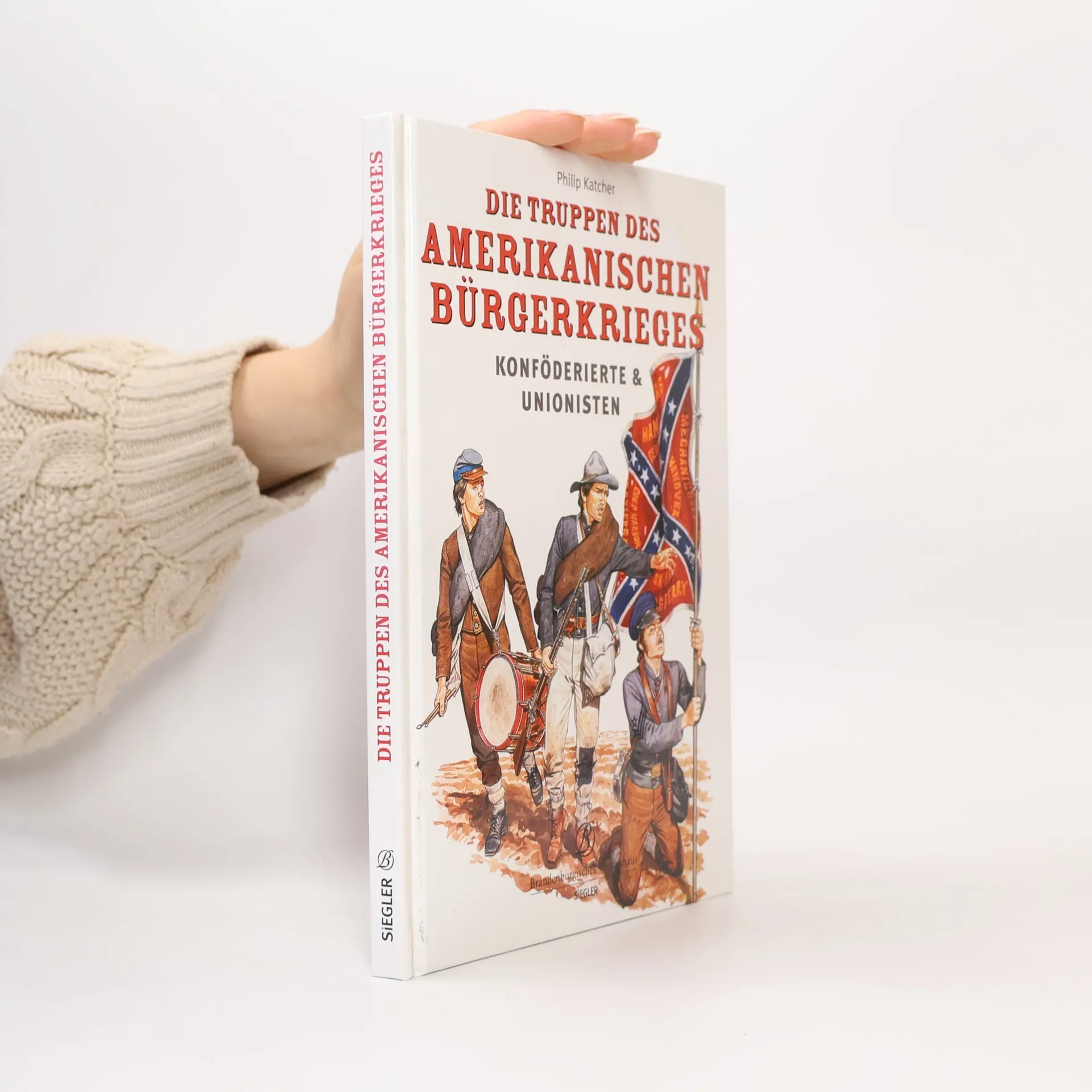
Mit der Sezession der Südstaaten, die eine eigene Regierung bilden wollten, begann 1861 der amerikanische Bürgerkrieg, der in seinem Verlauf Hunderttausende Tote auf beiden Seiten forderte. Eine der ersten Maßnahmen war auf beiden Seiten die Aushebung und Ausrüstung regulärer Truppen gewesen. Das vorliegende Buch schildert mit großem Detailreichtum und umfangreich bebildert die Historie der Uniformen von Konföderierten und Unionisten, und zwar jeweils der einzelnen Truppenteile Infanterie, Artillerie und Kavallerie. Dabei werden nicht nur optische Unterschiede deutlich, sondern auch die kaum vergleichbaren Ausrüstungsstandards der sich feindlich gegenüber stehenden Armeen.