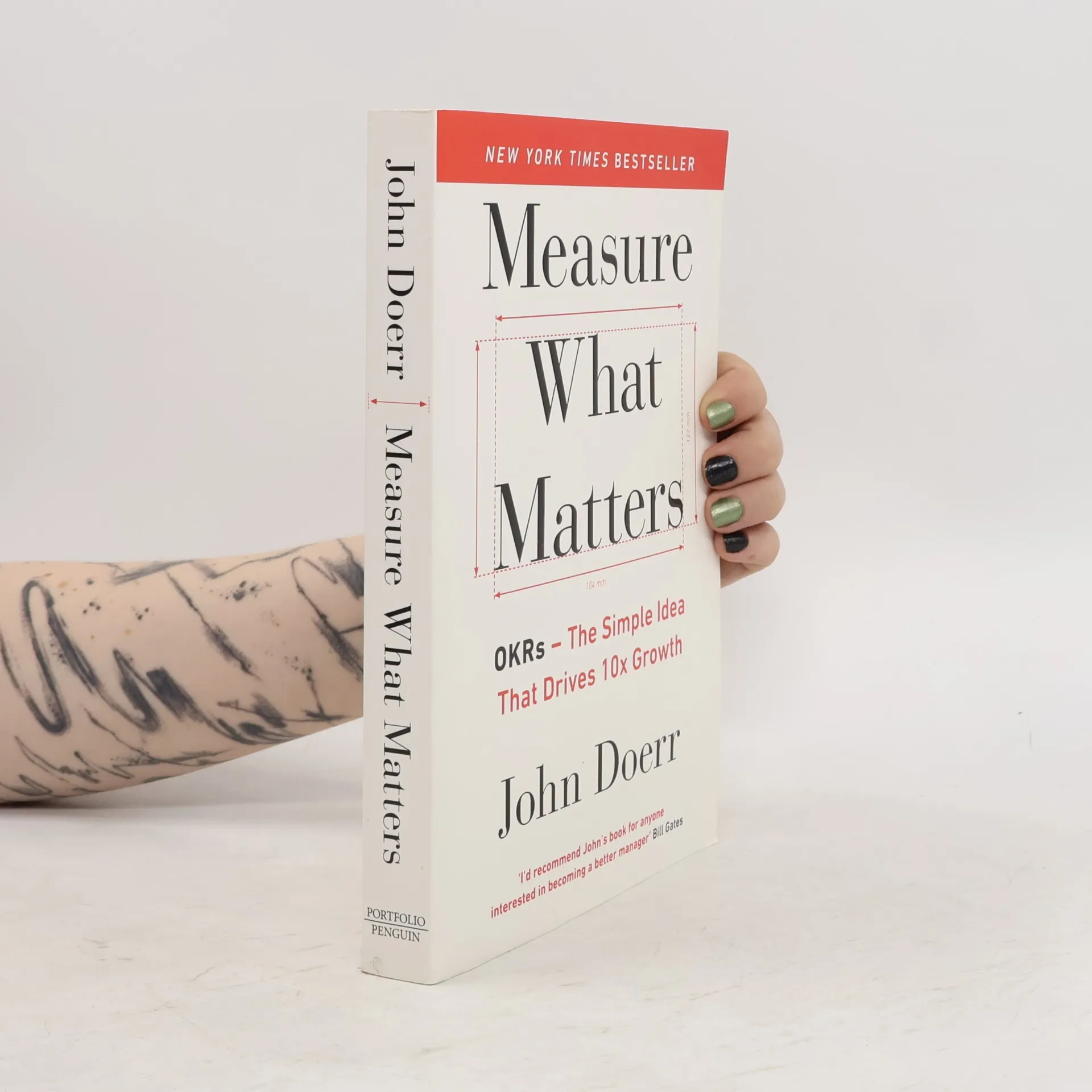
OKRs: The Simple Idea that Drives 10x Growth Broschiertes Buch In 1999, legendary venture capitalist John Doerr invested nearly $12 million in a startup that had amazing technology, entrepreneurial energy and sky-high ambitions, but no real business plan. Doerr introduced the founders to OKRs and with them at the foundation of their management, the startup grew from forty employees to more than 70,000 with a market cap exceeding $600 billion. The startup was Google. Since then Doerr has introduced OKRs to more than fifty companies, helping tech giants and charities exceed all expectations. In the OKR model objectives define what we seek to achieve and key results are how those top priority goals will be attained. OKRs focus effort, foster coordination and enhance workplace satisfaction. They surface an organization's most important work as everyone's goals from entry-level to CEO are transparent to the entire institution. In Measure What Matters, Doerr shares a broad range of first-person, behind-the-scenes case studies, with narrators including Bono and Bill Gates, to demonstrate the focus, agility, and explosive growth that OKRs have spurred at so many great organizations. This book will show you how to collect timely, relevant data to track progress - to measure what matters. It will help any organization or team aim high, move fast, and excel.