The eagerly awaited publication of the second edition of The New Grove Dictionary of Music and Musicians will be a major event in the world of music in the year 2000. Grove is the name for music information on an international scale, instantly recognised and constantly used by music scholars and enthusiasts the world over - and the new edition will reflect some of the enormous changes in the world of music over the last twenty years. For the first time ever, four paperback companions are to be published featuring new research, writing and bibliography derived from the new edition, in advance of the publication of The New Grove II itself.
James Webster Boeken
Deze auteur is een bedreven wever van vreemde verhalen, die zijn verhalen vormt tot eigenzinnige maar perfect gevormde gehelen. Zijn werk, dat poëzie en proza omvat, verkent vaak onconventionele thema's en verschijnt online, op het podium en in bloemlezingen. Zijn meeslepende korte verhalen, gericht op vrouwelijke en non-binaire protagonisten, zijn verzameld in zijn debuutboek. Zijn stijl is onderscheidend, gekenmerkt door een vleugje surrealisme en onverwachtheid.


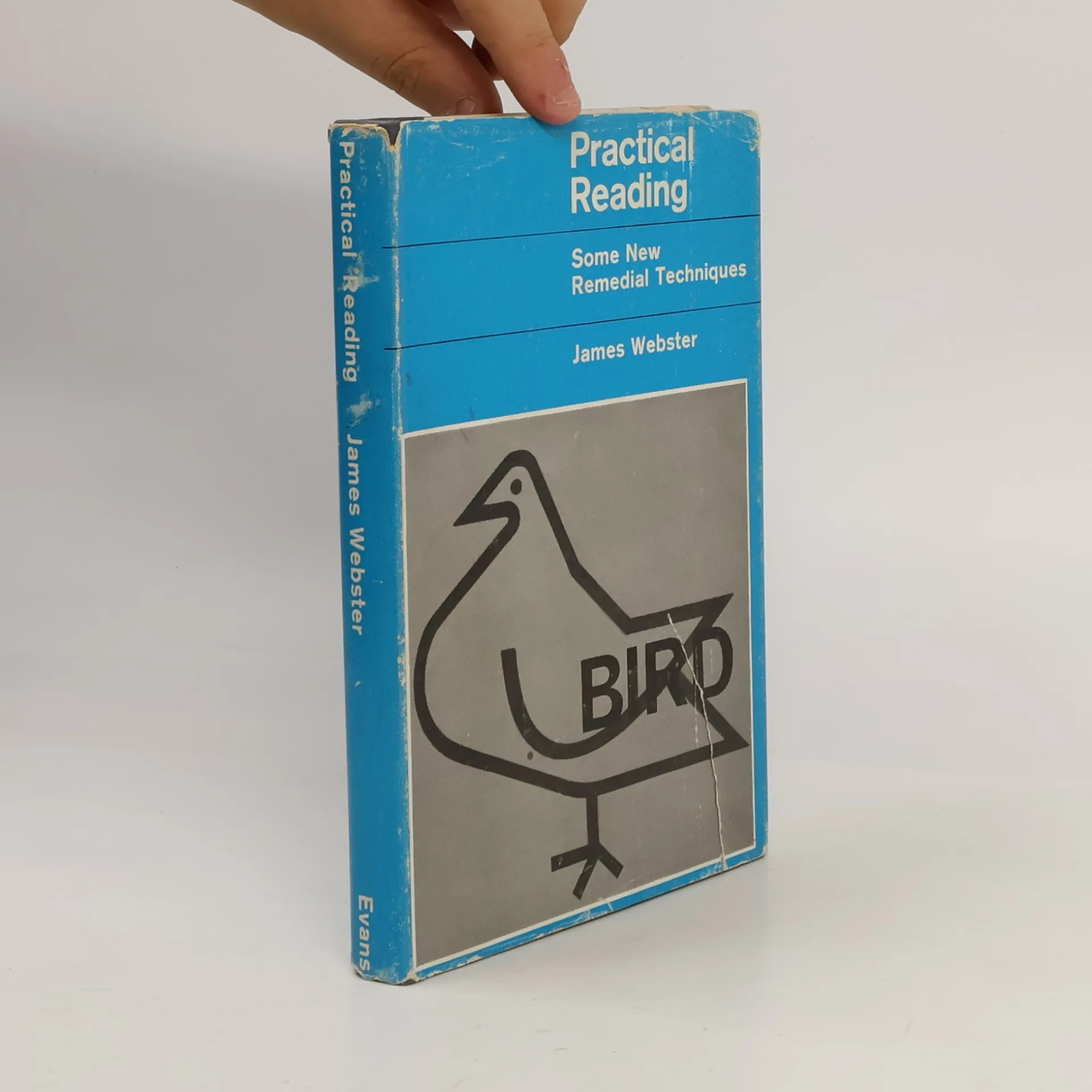

Practical Reading
Some New Remedial Techniques
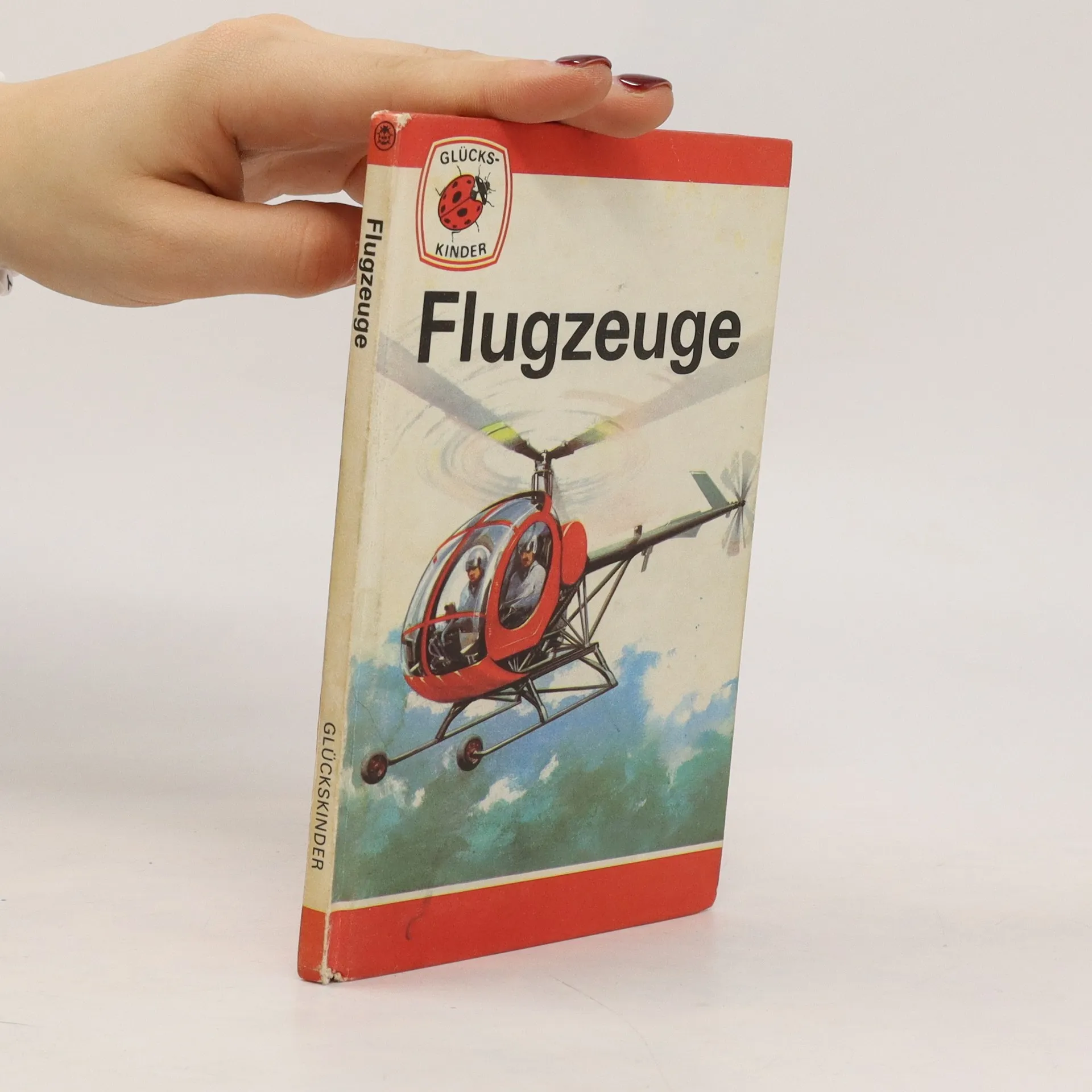
Ladybird Leaders: Man in the Air
- 52bladzijden
- 2 uur lezen
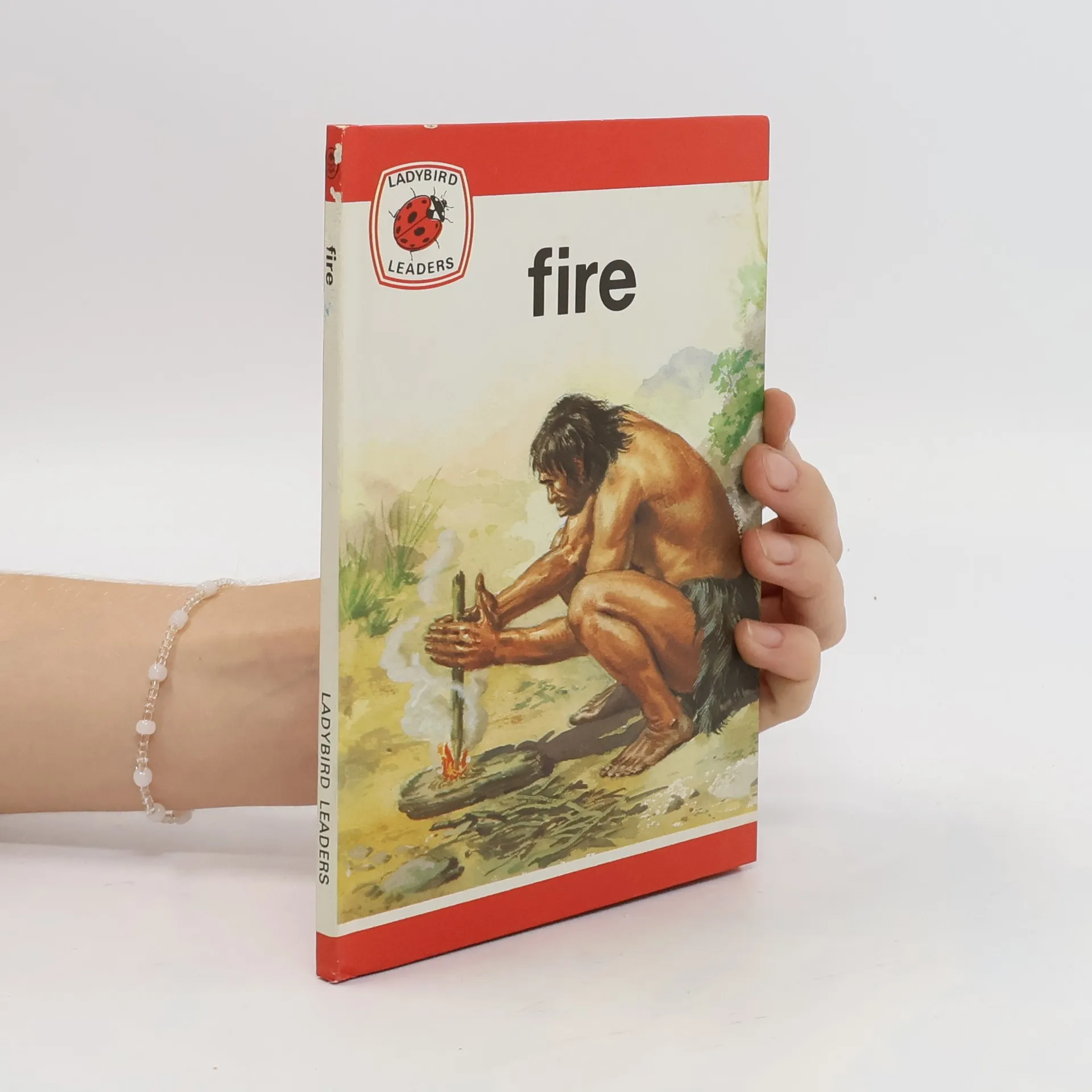
The story of man's progress in flying, beginning with Icarus and ending with the shape of aircraft to come. The book is in the Ladybird Leader series, specially produced to meet the very real need for carefully planned first information books that instantly attract enquiring minds and stimulate reluctant readers.