American Poetry Since 1970
- 592bladzijden
- 21 uur lezen
Gathers poems by Kay Boyle, Ted Berrigan, Ishmael Reed, David Shapiro, Maxine Chernoff, Tom Clark, and Bernadette Bayer


Andrei Codrescu is een gevierd dichter en essayist wiens werken hedendaagse cultuur onderzoeken met een onderscheidende postmoderne en dadaïstische flair. Zijn schrijven wordt gekenmerkt door speelse intelligentie en inzichtelijke observaties van de wereld om ons heen. Door zijn literaire productie en publieke commentaar daagt hij lezers voortdurend uit om na te denken over de kruising van kunst en realiteit. Codrescu's invloed reikt diep in zowel poëzie als proza, en laat een gedenkwaardige stempel achter op de literatuur.

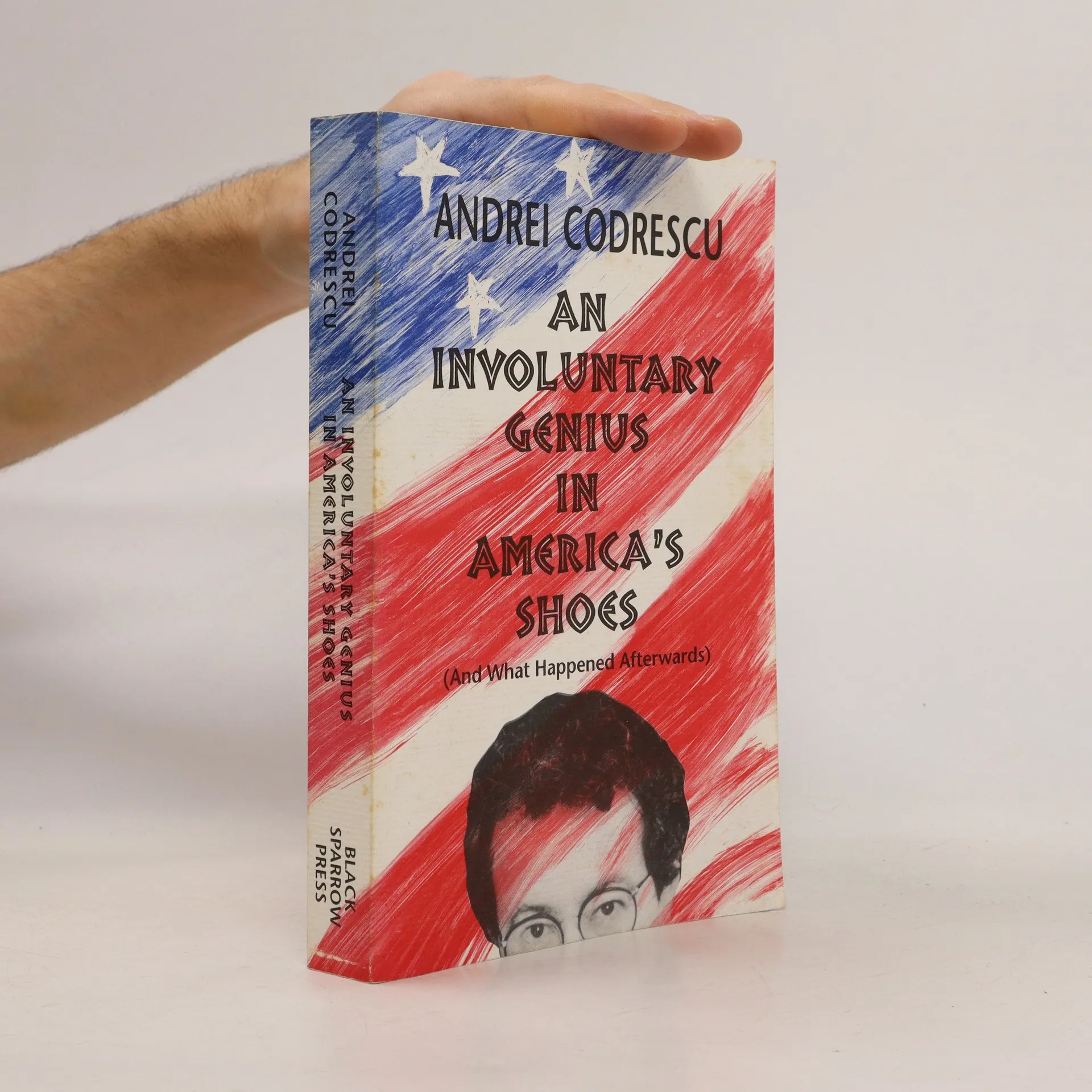
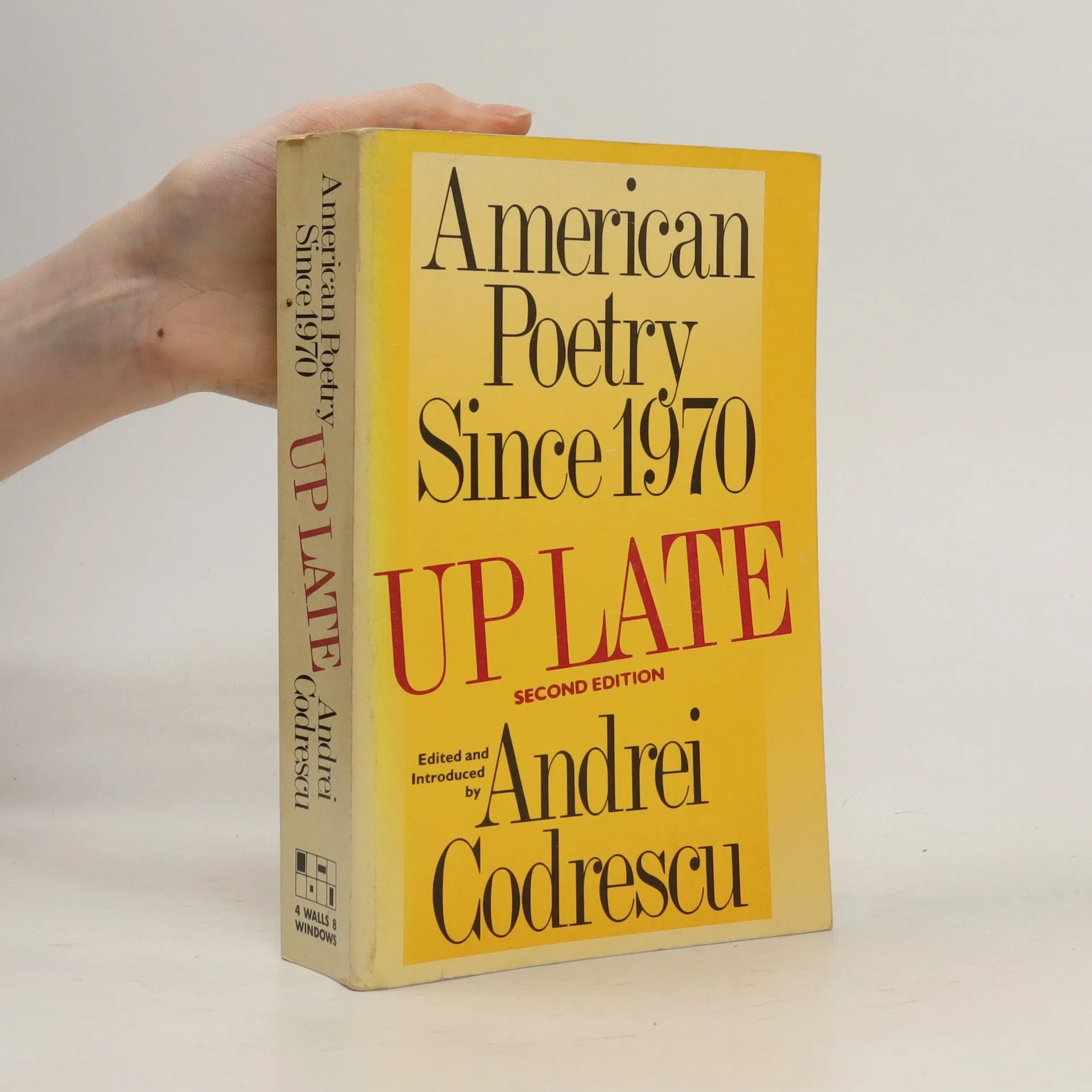
Gathers poems by Kay Boyle, Ted Berrigan, Ishmael Reed, David Shapiro, Maxine Chernoff, Tom Clark, and Bernadette Bayer
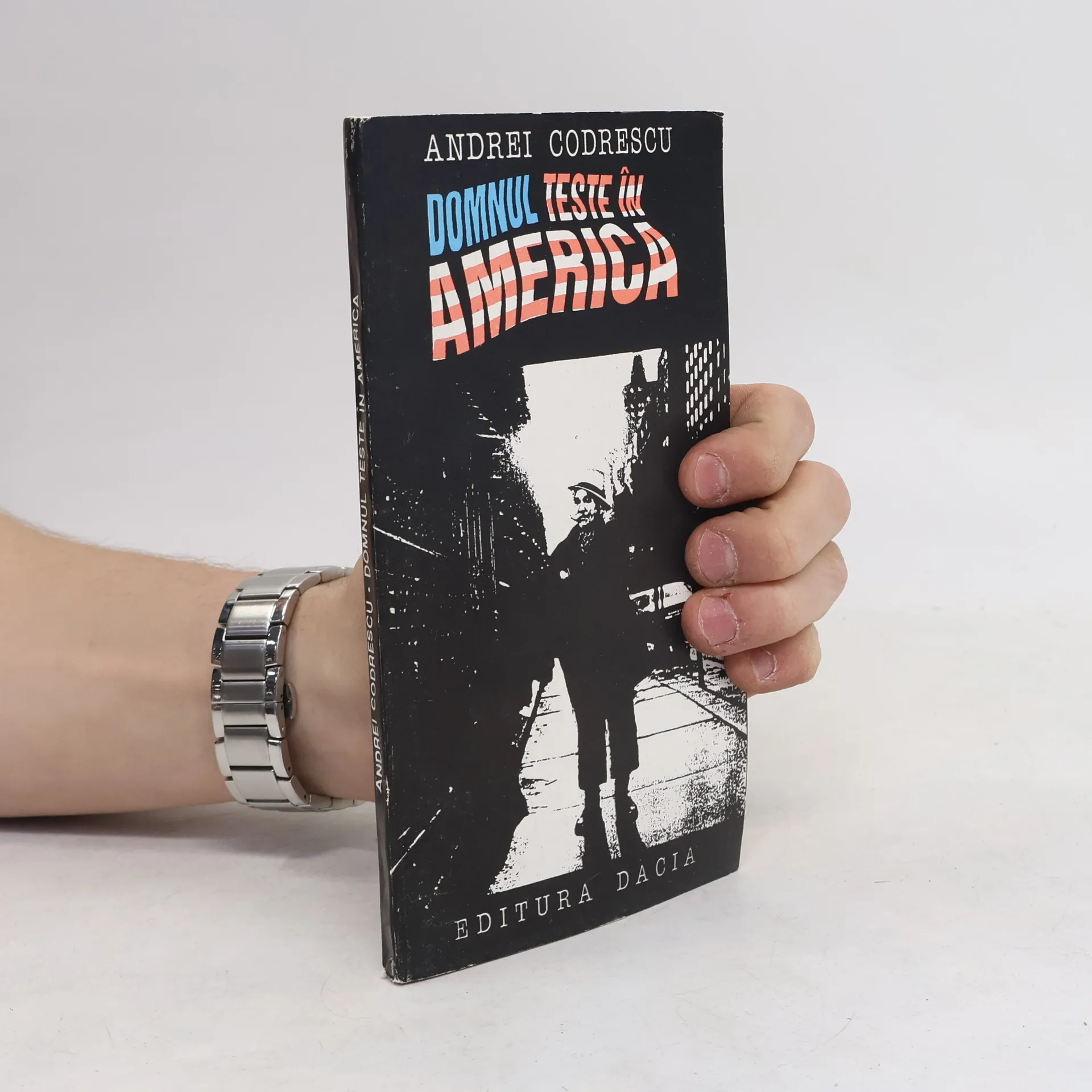
s/t: & What Happened AfterwardsIn New York City in 1969, Andrei Codrescu, a Romanian poet just beginning to master the American vernacular, began writing The Life & Times of an Involuntary Genius (1975), a memoir of antic Communist youth now recognized as a classic of comic self-creation. "There I was, twenty-three years old, the possessor of a wealth of experience which had already spawned an equal if not greater quantity of mythicizing anecdotes."Anecdote 1: He was the intellectual love child of Transylvania's great culture heroes, Dracula and Ionesco, twin totems of the Immortal and the Absurd. Anecdote 2: He was a political exile from Communist Europe, and everyone knows that all exiles are geniuses. A later anecdote the one about the enormous file the INS had collected on him and his left-wing Neo-Beat activities provides the subject of the sequel, In America's Shoes (1983), the mock epic of his quest to become a U.S. citizen.This new book collects both of Codrescu's memoirs, together with the now-middle-aged author's wry notes on the young man who wrote them. While traveling the road from the Balkan forest to the land of the free, he writes, "I never abandoned my rebellious Romanian generation, within which I'd been raised a baby dissident destined for great things and prison. I just put on a cape ' a Dracula cape, with a star-spangled lining ' to complete the picture."
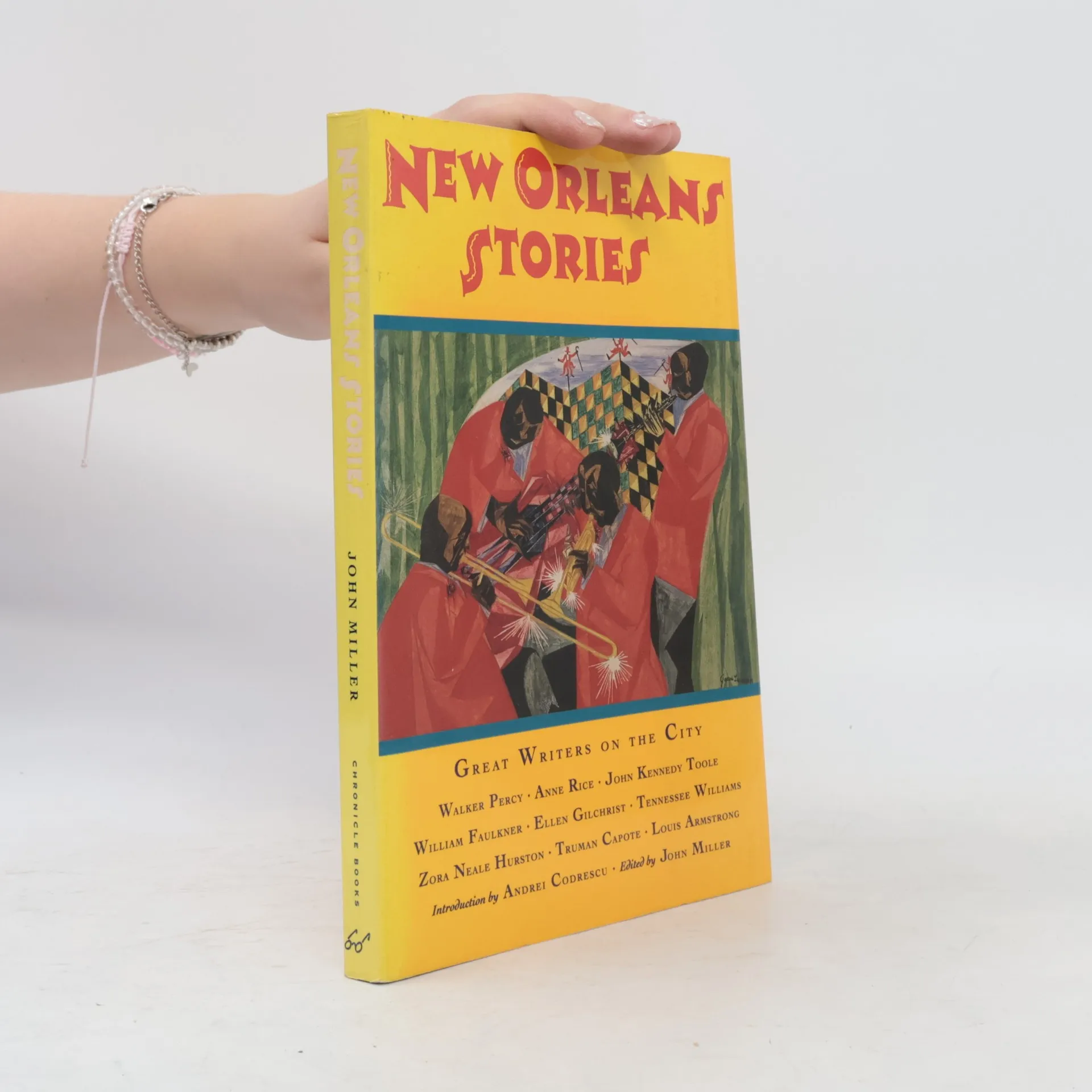
The narrative explores the vibrant and surreal life in New Orleans through the eyes of Andrei Codrescu, an NPR commentator and Transylvanian refugee. He vividly describes a city where dreams hold sway, featuring a unique blend of vampires, voodoo queens, and lively cemeteries that double as picnic spots. The presence of ghosts from various walks of life adds to the city's mystique, while the French Quarter's perpetual energy captures the essence of a place where the extraordinary is commonplace.
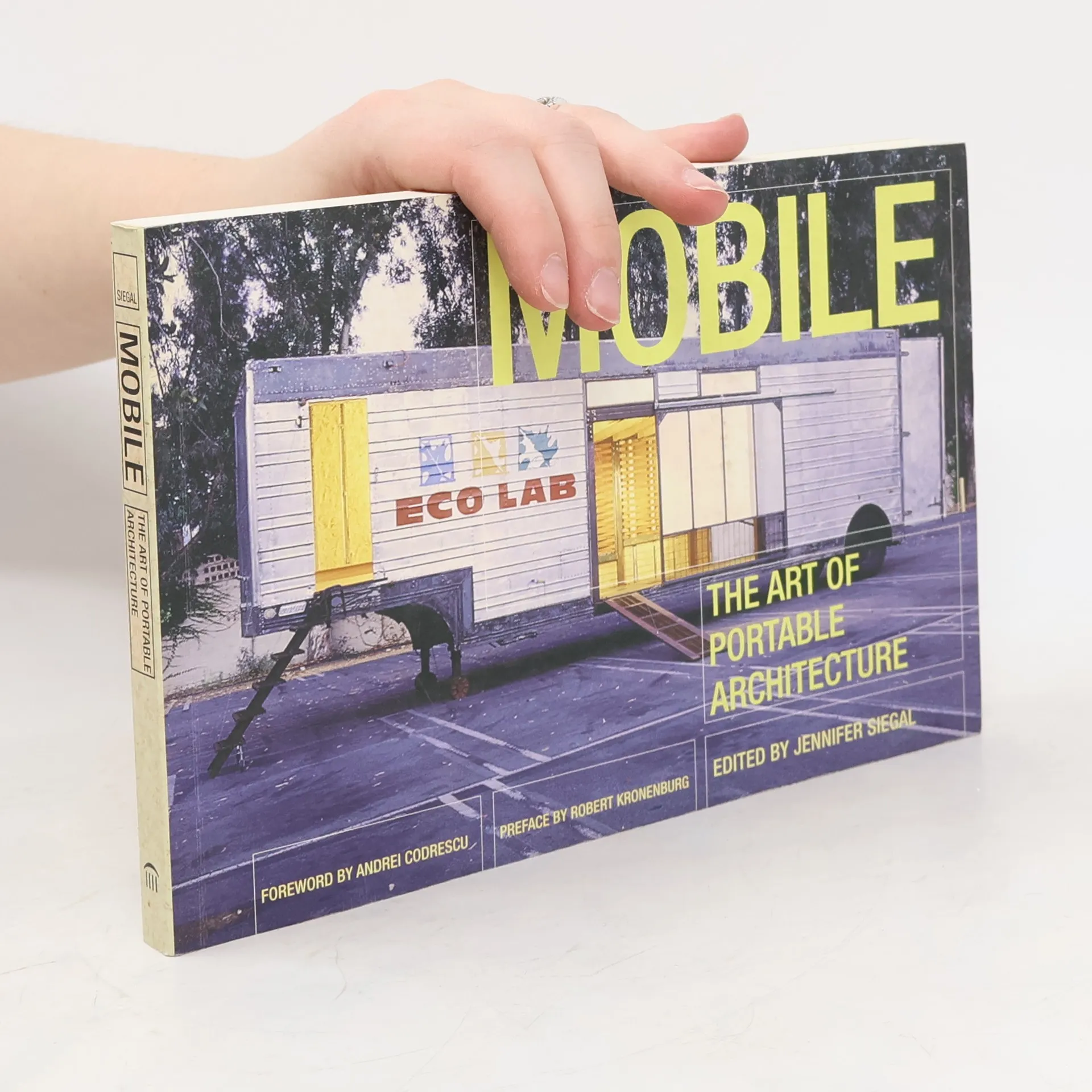
The allure of mobile, portable architecture is worldwide and centuries old, from the desert tents of the bedouin to the silvery capsules of the Airstream trailer. Mobile explores the ever-growing range of possibilities of portable, demountable, and mobile structures. Jennifer Siegal brings together the work of the most interesting contemporary designers of dynamic, active structures, whose work ranges from the microenvironment of a house that literally attaches to your body to the city-scaled macroenvironment of London's Millennium Dome, from the interior of a Boeing jet to an entire mobile community whose living units plug into a framework of flexible communal space, and from the practical design of transportable office space to the whimsical design of Pink Floyd's The Wall stage set. All of the designs celebrate the lightness, transience, and practicality that mobile architecture makes possible.Mobile includes work by Office of Mobile Design, LOT/EK, Vito Acconci, Doug Jackson/LARGE, Mark Fisher, Michael Fox, FTL Happold, Festo, and Lawrence Scarpa. In beautiful color images, detailed drawings, and thoughtful text, the contributors reveal their working methods.
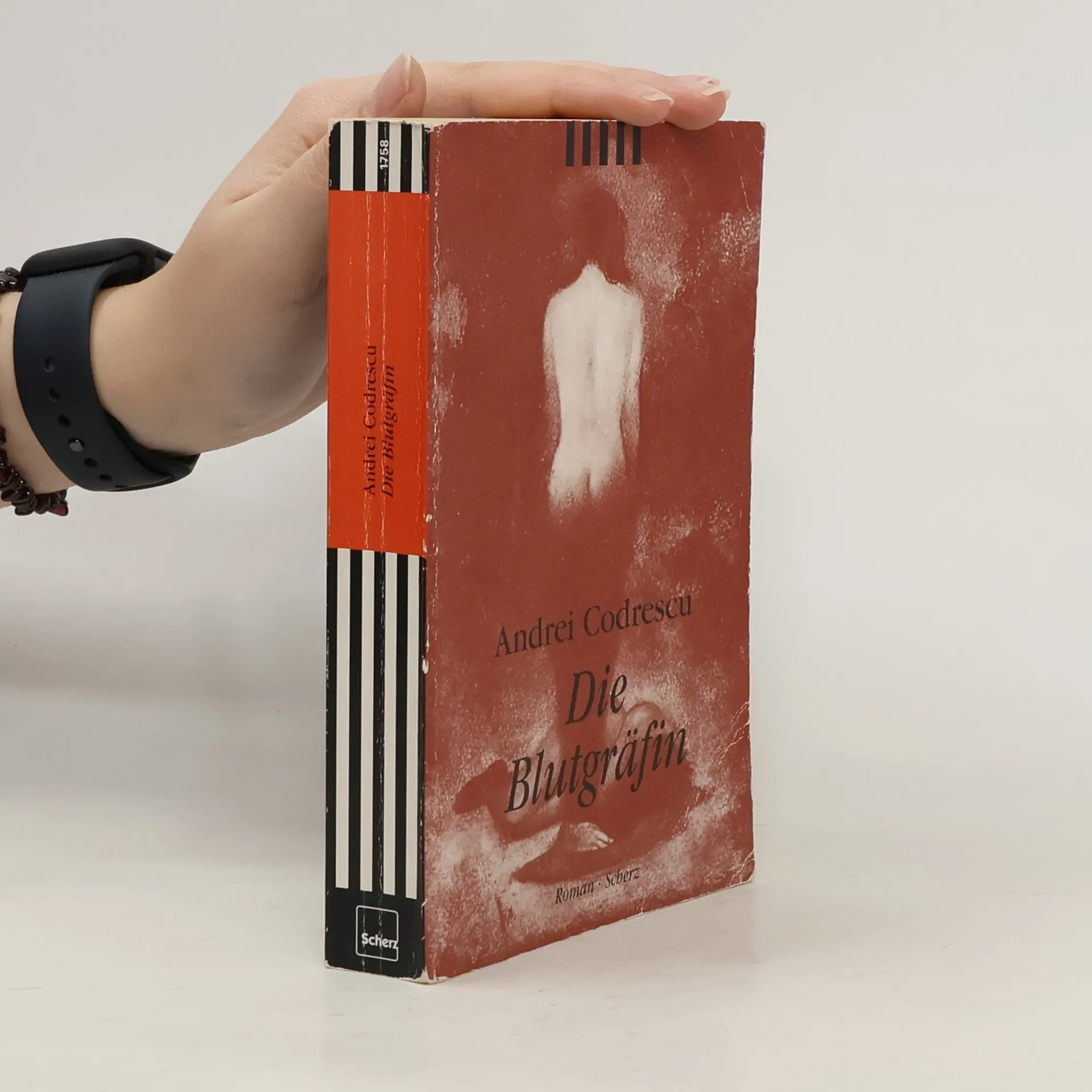
Andrei Codrescu, NPR commentator and journalist, presents a captivating first novel inspired by his ancestor, Elizabeth Bathory, the infamous Blood Countess. This neo-gothic narrative intertwines two tales: the 16th-century Countess, a beautiful yet terrifying figure who allegedly bathed in the blood of virgin girls, and her descendant, a contemporary journalist grappling with his family's dark legacy. Drake Bathory-Kereshtur, a Hungarian-born journalist raised in the U.S., returns to Hungary and finds himself targeted by a patriotic group seeking to revive the glory—and horrors—of the aristocracy. As a descendant of Bathory, he inherits both the splendor and the monstrosity of his heritage. Codrescu delves into Drake's turmoil as he uncovers the gruesome truths of his lineage. The narrative also vividly portrays the sadistic Bathory, obsessed with youth and beauty, who purportedly ordered the deaths of 650 virgins for her macabre rituals. This compelling work explores the haunting shadows of history, embodied in the complex character of Elizabeth, and examines the enduring impact of such horrors on contemporary lives.
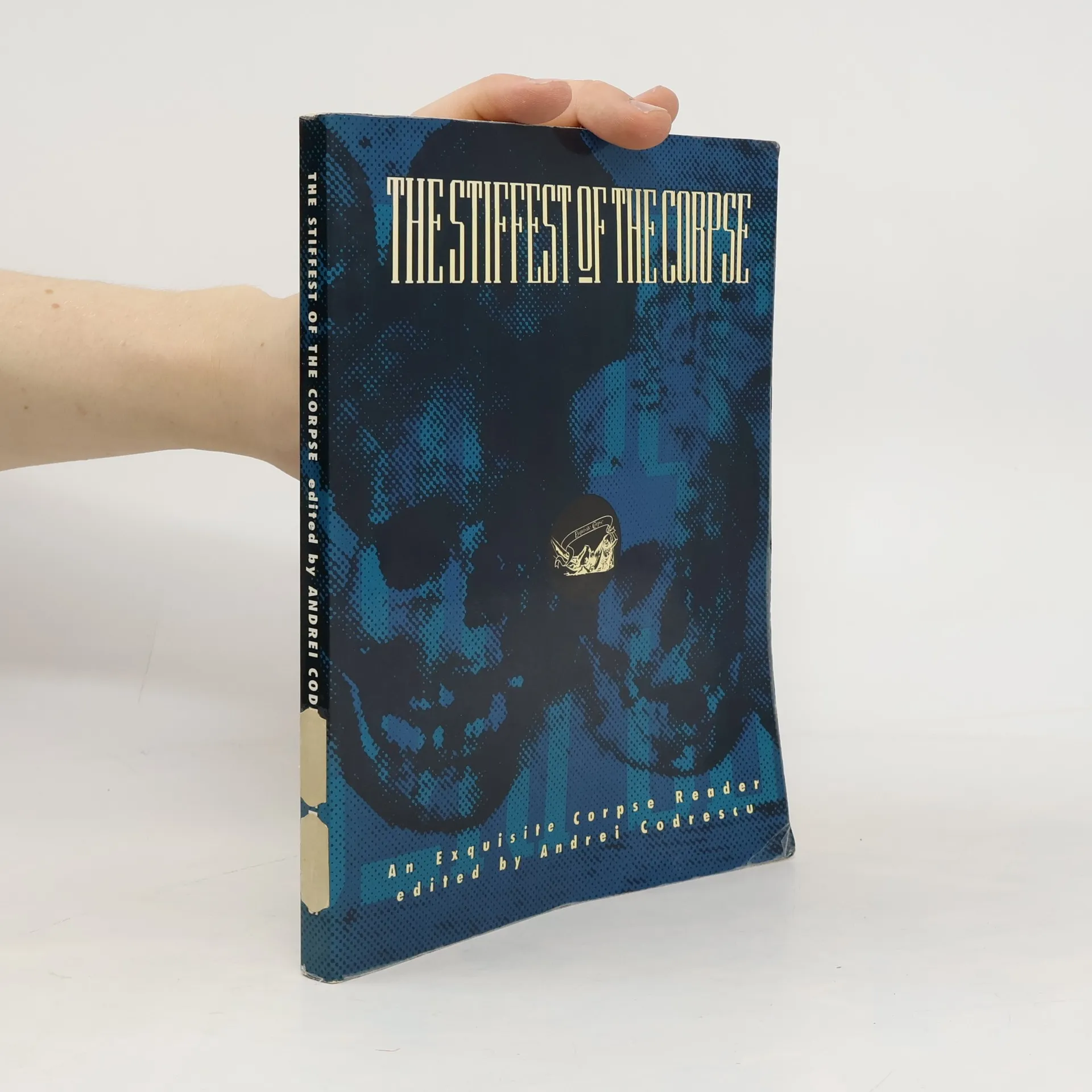
The Stiffest of the Corpse brings together the best of the radical journal of books and ideas that galvanized the tepid literary world of the 1980s. Talk, erudition and savagery join here for a truly international assault on a mass hypnosis and image manipulation. This collection should further fuel the controversies that are the life blood of the Corpse. Andrei Codrescu is a poet, memorialist, essayist, and translator. He is a regular commentator on National Public Radio, and Professor of English at Louisiana State University. Born in Transylvania, Romania, on December 20, 1946, he lives in New Orleans.
Alive with jazz and tropical flowers, its streets an intoxicating 24-hour party, New Orleans exerts a hypnotic effect on virtually every visitor and resident, but perhaps none have been more susceptible to its exotic charm than the writers who have lived there. From Mark Twain to William Faulkner to Anne Rice; from Kate Chopin to Zora Neale Hurston to Ellen Gilchrist; from Tennessee Williams to Truman Capote to Walker Percy, the authors in this remarkable collection celebrate the city that stirs their imaginations as no other can. Third in our best-selling series of anthologies centered around America's great cities, New Orleans Stories includes not only "literature," but also interviews, ghost stories, and voodoo charms. Perfect for first-time visitors as well as longtime residents, it re-creates the heady, mesmerizing atmosphere of New Orleans itself.
This book is a collection of portrait photographs taken by Felver of some of the worlds most influential modern artists, singeers, actors, spiritual gurus, activists.
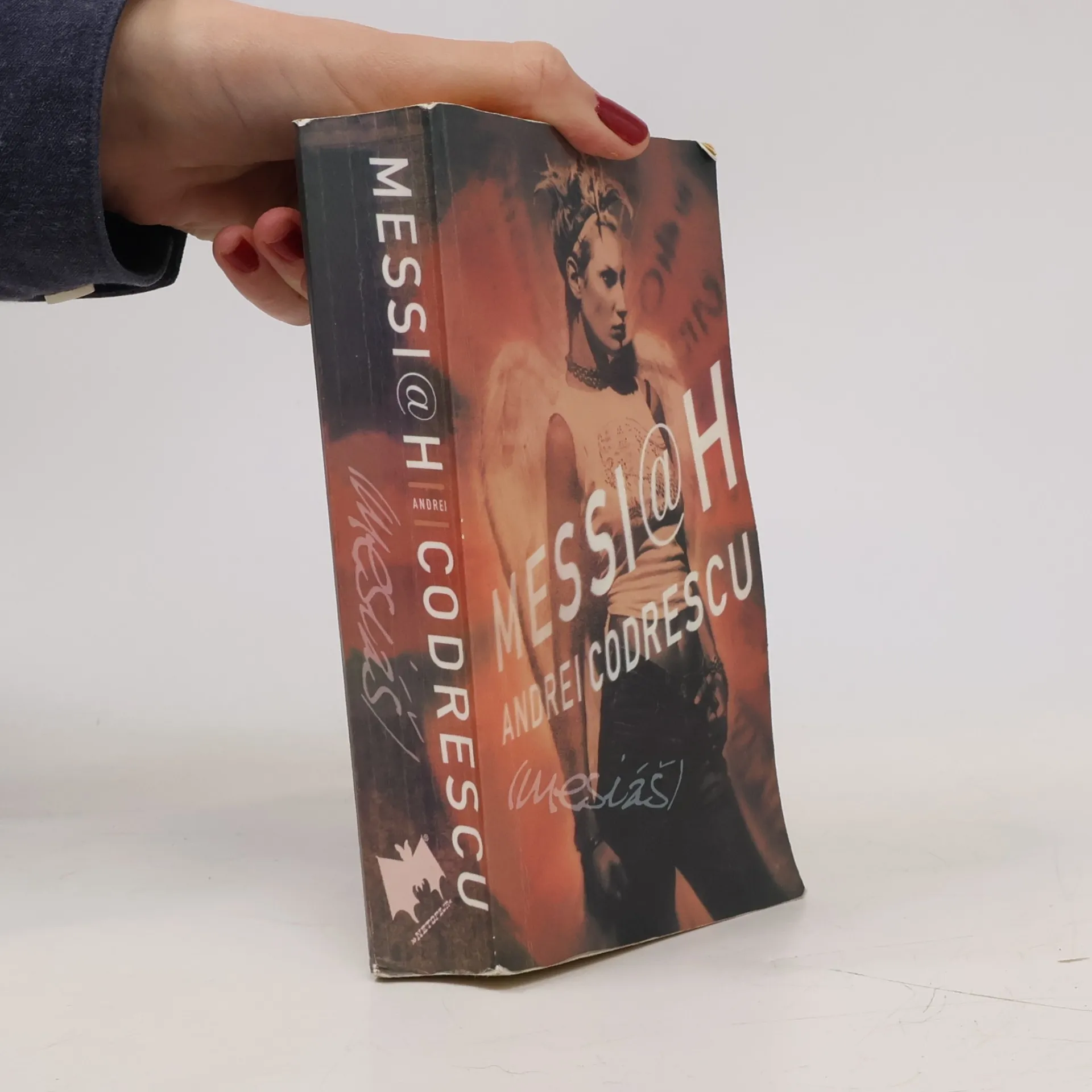
„Svým Mesiášem Andrei Codrescu zaběhl na trávník Isaaka Singera, kde se nadskutečno mísí s nadpřirozenem, s brilantně utkanými postavami z konce století a kde se spřádají rozhovory s různými sektami, poblázněnými přelomem milénia. Pradávné touhy po věčnosti se mísí se špičkovou technikou modemů… Co vlastně znamená spasení v éře digitální mánie? Codrescu pátral po odpovědích tak zaujatě, až mu z toho hořely uši.“ Ed Sanders