

Bookbot

Laure Paquette

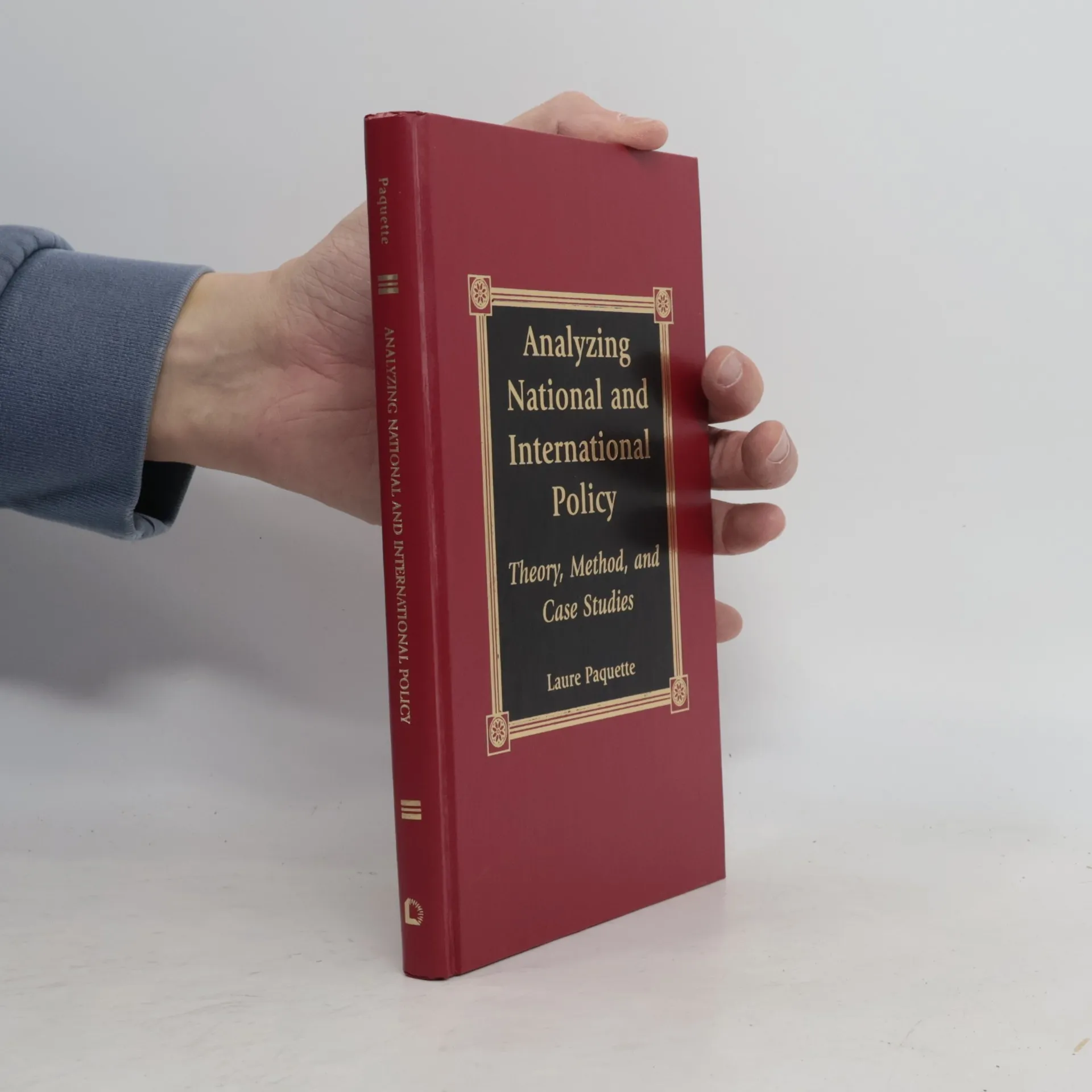
    Studies in Public Policy: Analyzing National and International Policy
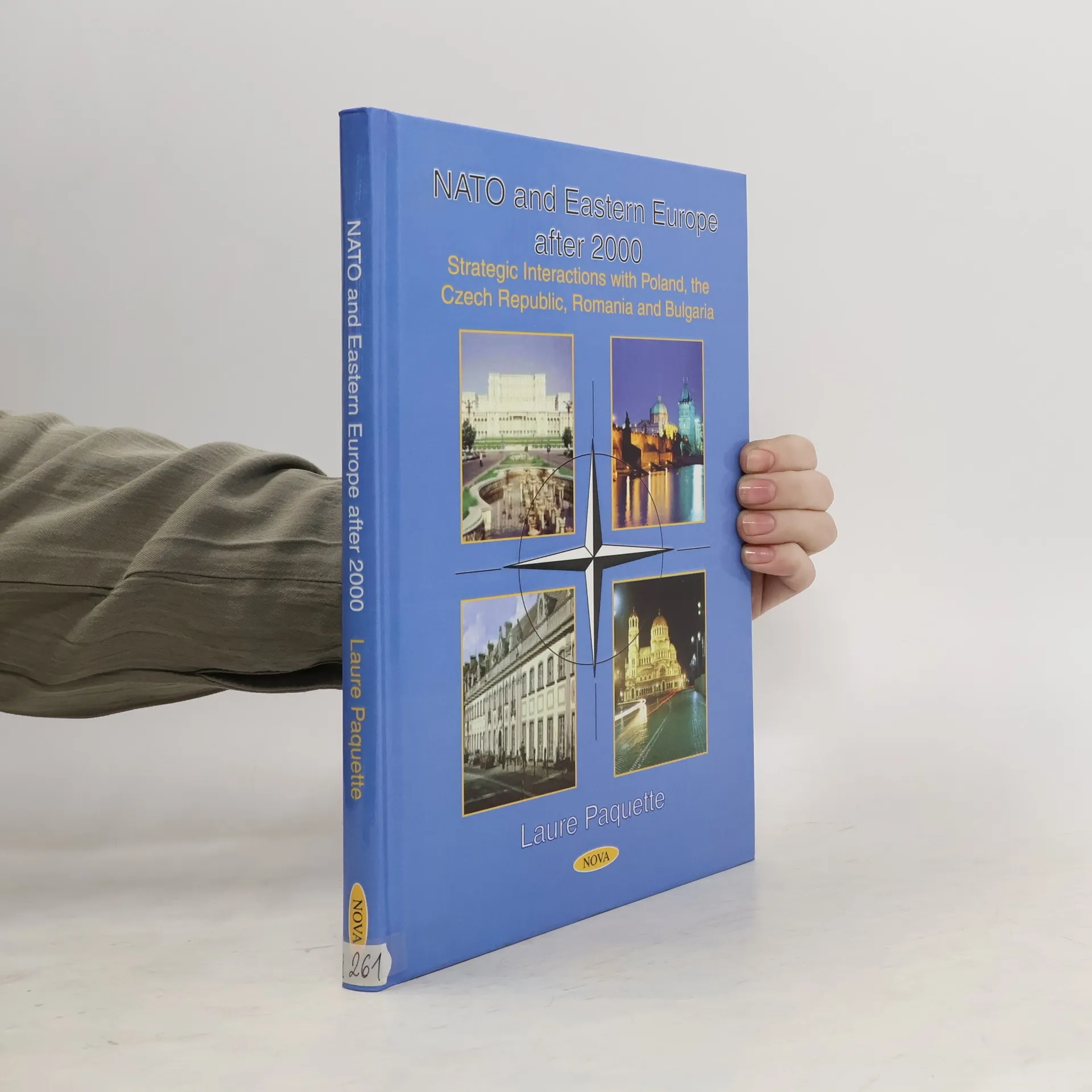
    NATO and Eastern Europe After 2000
    Analyzing National and International Policy
    • Studies in Public Policy: Analyzing National and International Policy

      Theory, Method, and Case Studies

      • 122bladzijden
      • 5 uur lezen

      Analyzing National and International Policy presents a new theory and method for the conceptualization and analysis of policy making. Laure Paquette's work draws on a wealth of theoretical and empirical research to analyze the importance of national values as building blocks of national policy. Going beyond the traditional analysis of how states use policy, Paquette examines―through the use of four case studies―the prevalence of national values at every stage of the policy decision-making process. (1) France's nuclear policy (1955-1970) is used to analyze the development of a single policy in a single state. (2) The analysis of bilateral state to state relations is conducted through an examination of North and South Korean policies of Nordpolitik and juche from 1994 to 2000. (3) Canada's Northeast Pacific foreign policy in the 1990s sheds light on the development of a single state's policy in a multilateral setting. (4) The example of the Czech Republic's dealings with NATO (1990 to 2000) is used to examine a single state's bilateral policy in a relationship with a block of states.

      Studies in Public Policy: Analyzing National and International Policy2003
    • NATO is acutely aware of its increased status as a force for stability in a drastically altered Atlantic community. The number of its initiatives is on the increase just as a new political, economic and military Europe emerges. The Cold War's end has wrought as many changes as there are continuities in the security environment. Eastern and Central European states, especially NATO and PfP members, enjoy an increasing importance to NATO, both as trading partners and as new participants in the civil society. While the literature on relations between NATO and the East Europeans is rather limited, the study of the overall posture of those states in the international system is almost non-existent, so that the consequences of their posture for NATO's renewed concept are unknown. The study of these countries' security posture and strategic interactions with Central European states in general promotes the renewed role of NATO. This book shows that each of the long-term relations with Poland, the Czech Republic, Romania and Bulgaria is subordinated to the goal of entering the European Union, and that their different values will makes relations difficult. This will test NATO's new strategic concept to the limit. It also shows the importance of strategic thinking.

      NATO and Eastern Europe After 20002001