Amy Chua richt zich op de complexe raakvlakken van cultuur, ethiek en wereldhandel. Haar werk onderzoekt hoe culturele identiteiten en tradities internationale handelspraktijken en ethische normen vormgeven. Chua analyseert de dynamiek van machtsrelaties en etnische conflicten in de context van globalisering. Haar literaire stijl staat bekend om zijn scherpte en het vermogen om verborgen motivaties in de wereldeconomie te ontdekken.
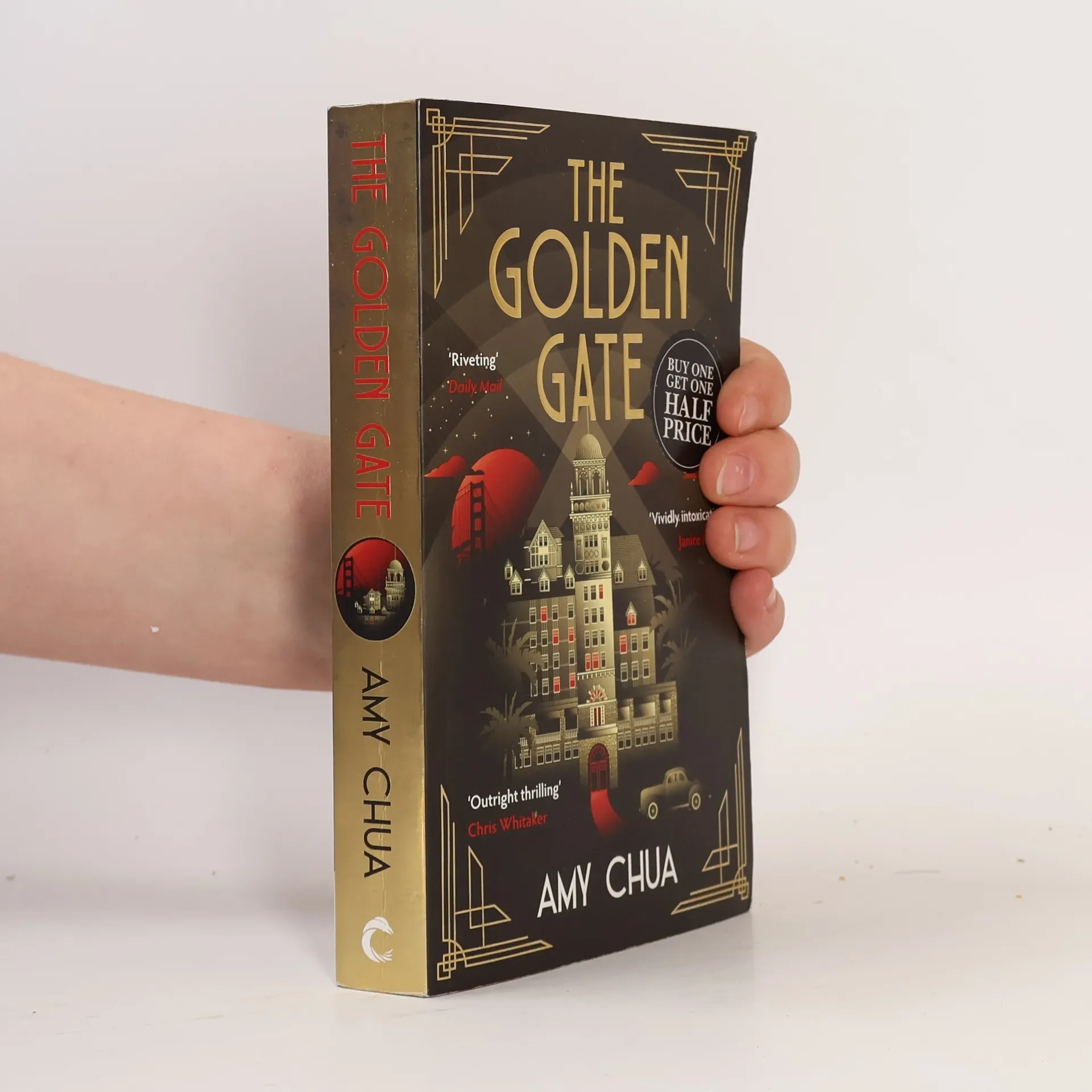
Im Jahr 1944 wird Detective Al Sullivan nach einem Mord im Claremont Hotel zurückgerufen. Der Präsidentschaftskandidat Walter Wilkinson wurde erschossen. Al untersucht zahlreiche Verdächtige, darunter eine Affäre und mysteriöse Erbinnen, und stößt auf ein Netz aus Geheimnissen und Intrigen.
Berkeley, California 1944: A former presidential candidate is assassinated in one of the rooms at the opulent Claremont Hotel. A rich industrialist, Walter Wilkinson could have been targeted by any number of adversaries. But Detective Al Sullivan's investigation brings up the spectre of another tragedy at the Claremont ten years earlier: the death of seven-year-old Iris Stafford, a member of the wealthy and influential Bainbridge family. Some say she haunts the Claremont still. The many threads of the case keep leading Sullivan back to the three remaining Bainbridge heiresses, now adults: Iris's sister, Isabella, and her cousins Cassie and Nicole. Determined not to let anything distract him from the truth - not the powerful influence of Bainbridges' grandmother, or the political aspirations of Berkeley's district attorney, or the interest of Chinese first lady Madame Chiang Kai-Shek - Sullivan follows his investigation to its devastating conclusion. Chua's page-turning debut brings to life a historical era rife with turbulent social forces and ground-breaking forensic advances, when access to power, and therefore justice, hinged on gender, race and class.[Bokinfo].
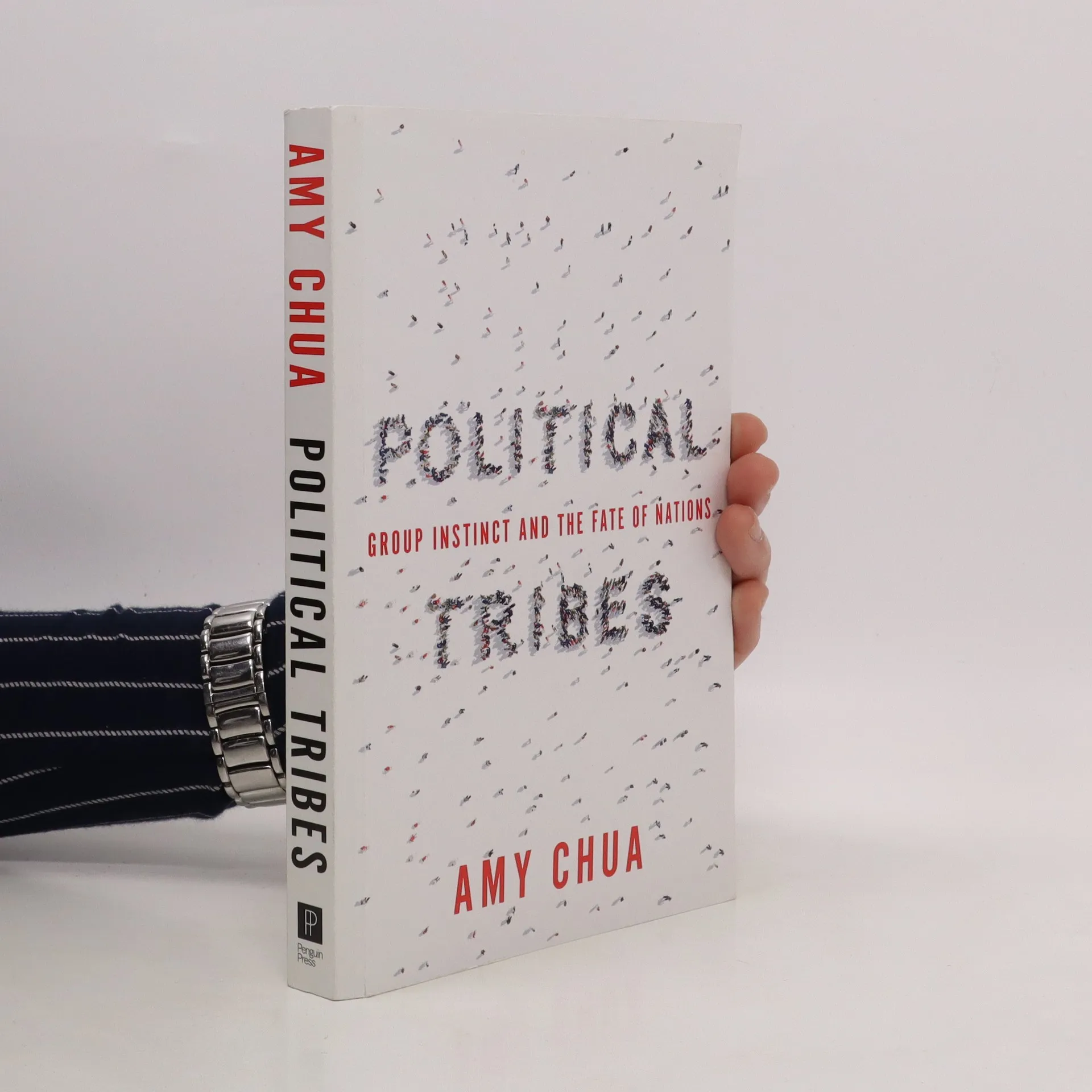
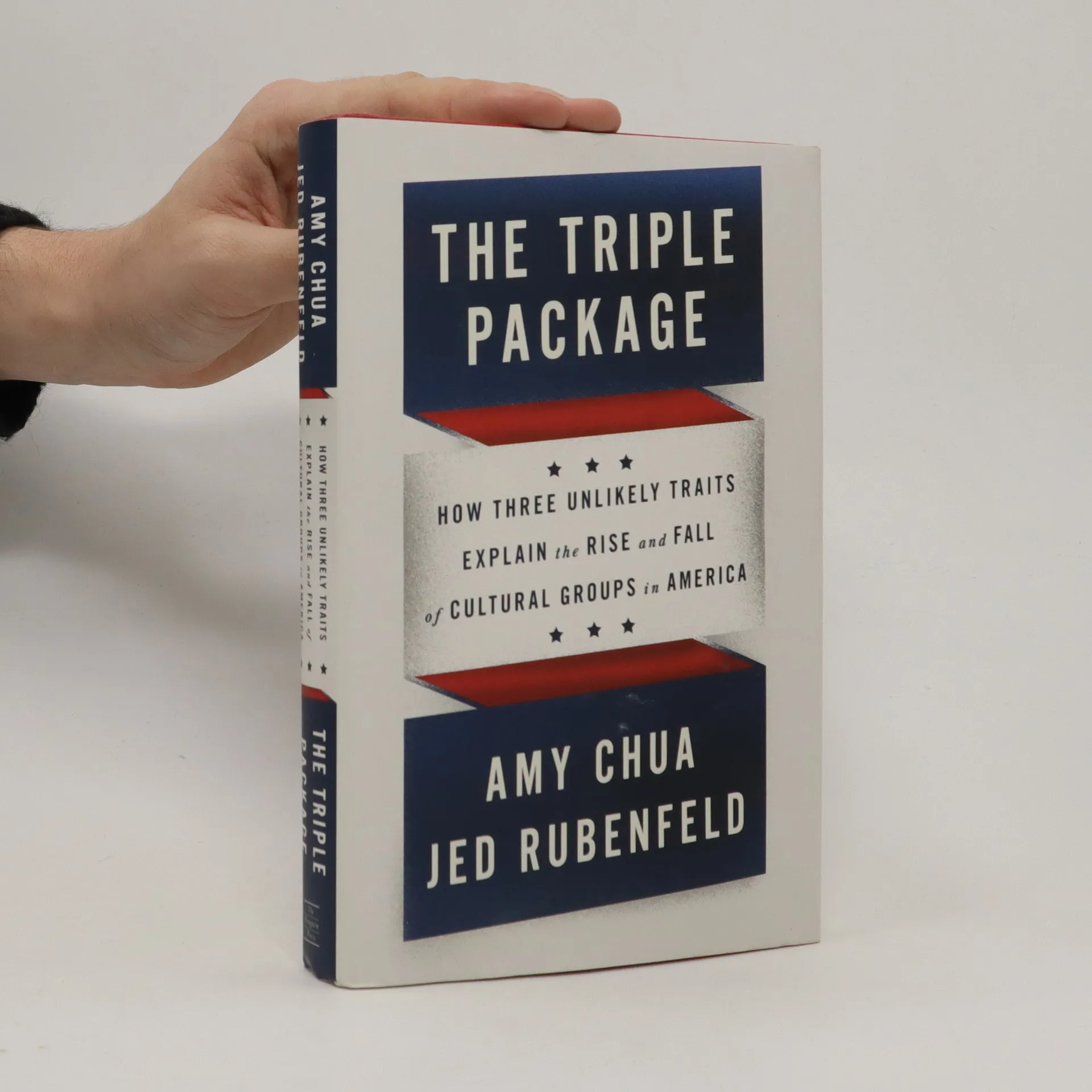
Discusses the failure of America's political elites to recognize how group identities drive politics both at home and abroad, and outlines recommendations for reversing the country's foreign policy failures and overcoming destructive political tribalism at home.
"It may be taboo to say so, but some groups in this country do better than others. Mormon, Cuban, Nigerian, and Chinese Americans have all recently achieved astonishing business success. This book uncovers the secret to their success."--Page 4 de la couverture.
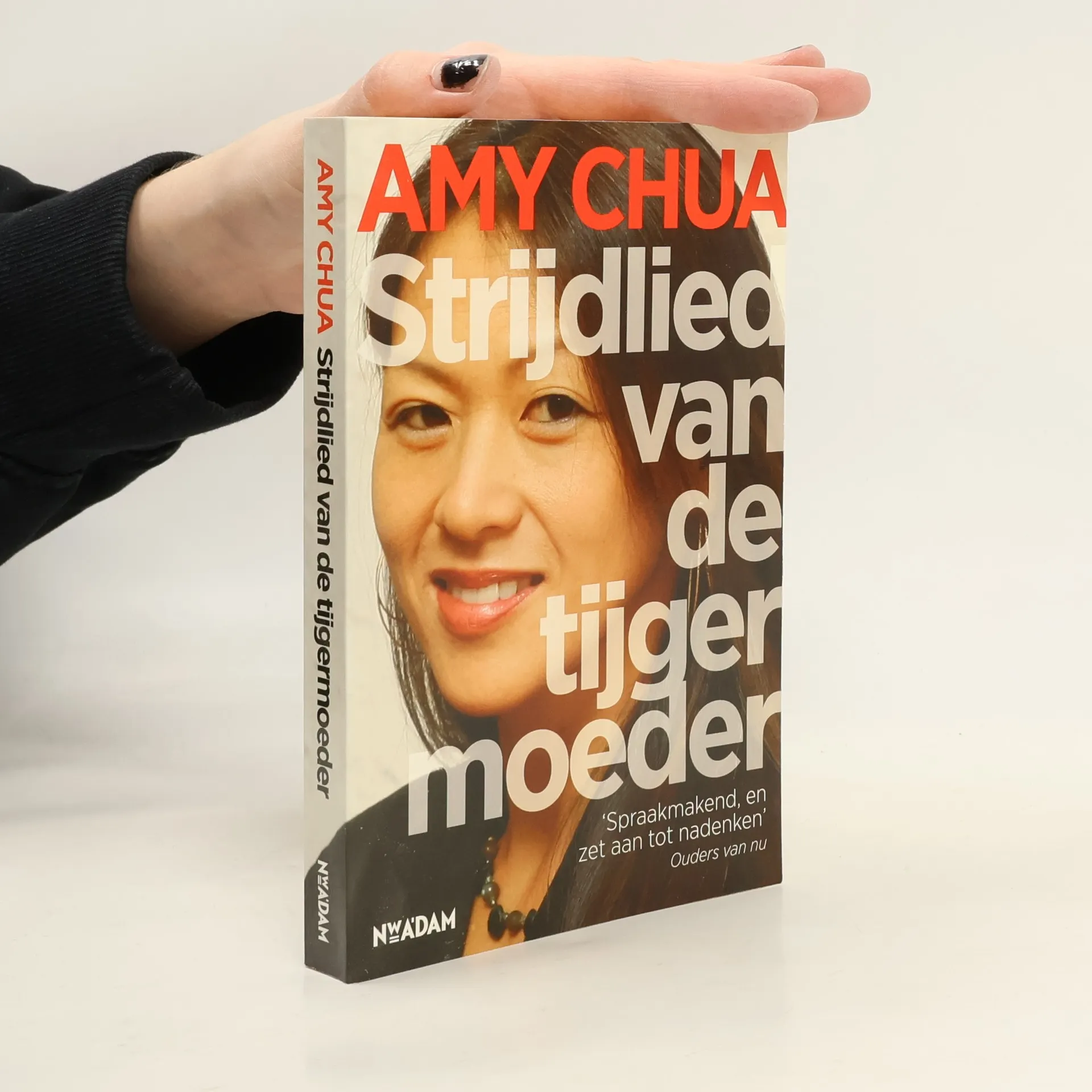
Persoonlijk verhaal van een Chinees-Amerikaanse moeder over de opvoeding van haar twee dochters, die geheel gericht is op discipline en zo hoog mogelijke prestaties op school en daarbuiten.
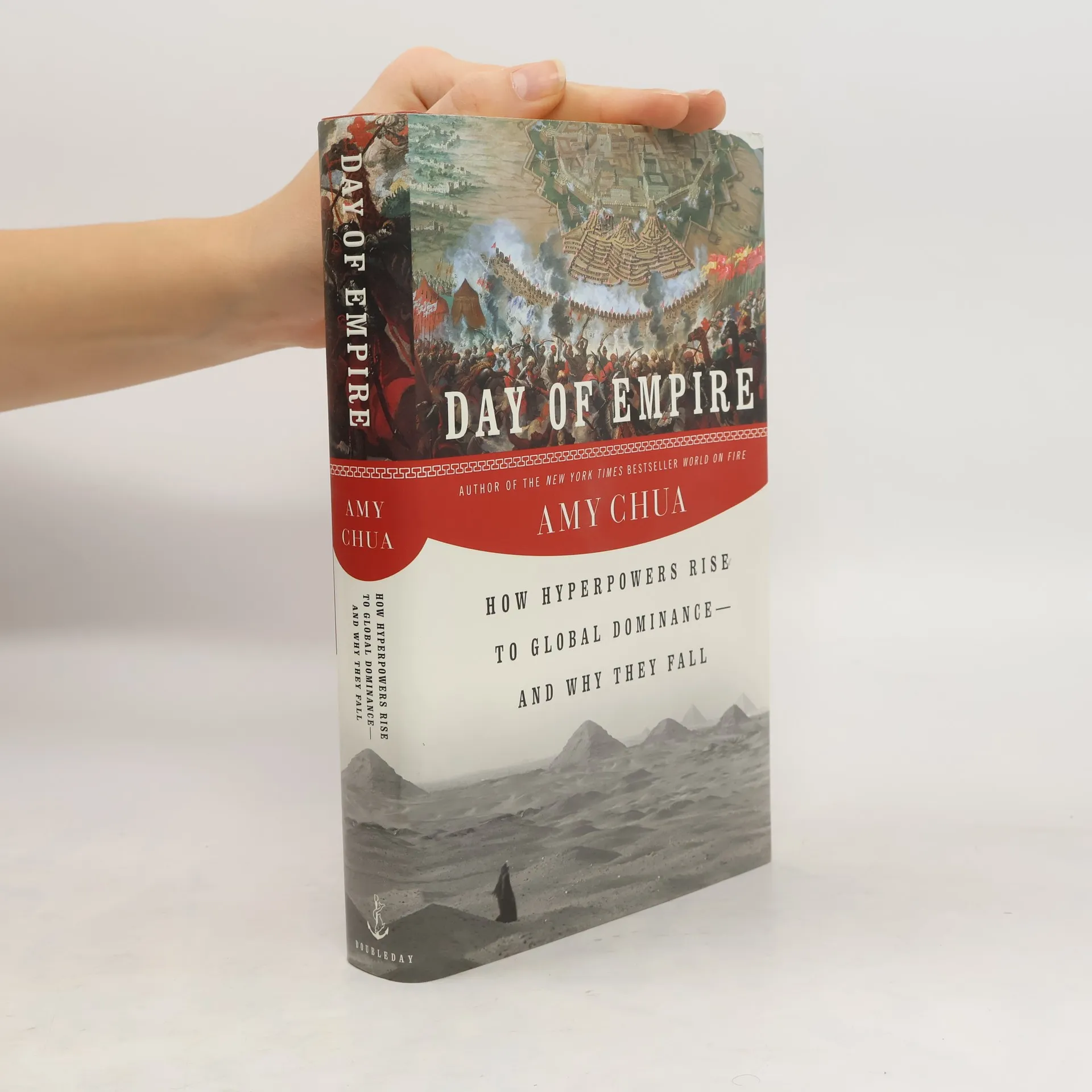
In just over two centuries, America has transformed from a regional power to a hyperpower, raising questions about its ability to maintain dominance or if it is already in decline. While historians have long debated the rise and fall of empires, the phenomenon of hyperpowers—societies with extraordinary military and economic might—has been less explored. This sweeping history delves into the hyperpowers of Persia, Rome, Tang China, the Mongols, the Dutch, the British, and the United States, revealing the reasons for their successes and the roots of their eventual downfalls. A striking pattern emerges: each of these dominant powers was, by the standards of its time, remarkably pluralistic and tolerant, thriving by harnessing diverse talents. For instance, Rome allowed individuals from various backgrounds to ascend to power, while the Mongols conquered vast territories through their unprecedented ethnic and religious tolerance. In contrast, regimes like Nazi Germany and imperial Japan, marked by intolerance, failed to achieve global dominance. However, the irony lies in the fact that this very multicultural tolerance often sowed the seeds of decline, leading to conflict and violence. The United States exemplifies a power that rose through diversity, yet current concerns about immigration and cultural openness raise questions about its future cohesion. Chua argues that America may have reached a tipping point, suggesting a need f
A study of history's great hyperpowers--Persia, Rome, China, the Mongols, the Dutch, the British, and the United States--traces the reasons for their success and the roots of their ultimate fall, examining why multiculturalism and diversity became a liability as they triggered hatred, intolerance, conflict, and violence as she looks at the state of the American empire. 60,000 first printing.
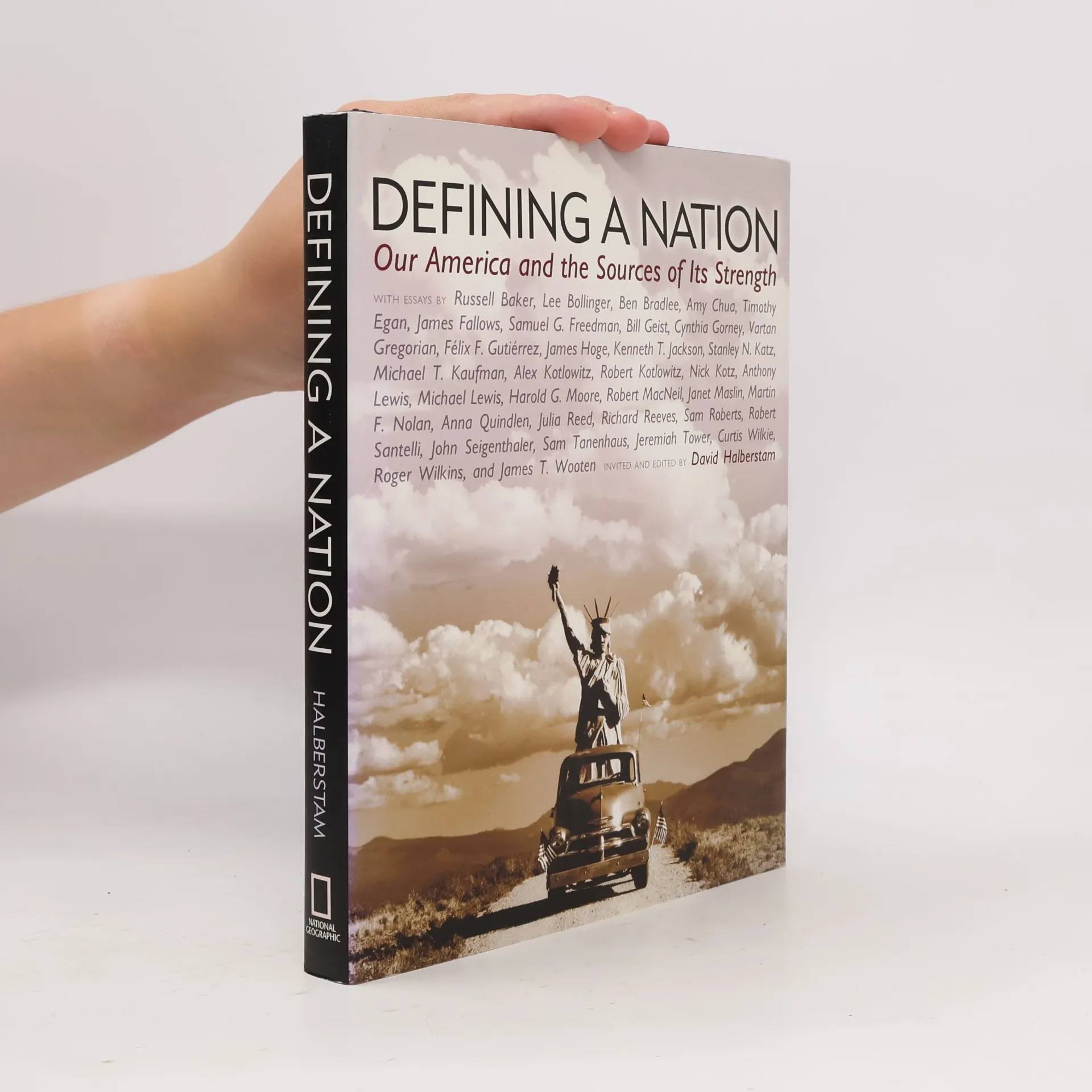
"The freer we are … the stronger we are," writes David Halberstam in this probing compilation of original essays which distill the essence of America, an evergreen subject rendered even more timely by recent world events that highlight cultural clashes and prompt us not just to reconsider foreign attitudes and aspirations but to think anew about our own.Each chapter explores fundamental qualities, concepts and accomplishments that shape the American the sheer size of our country; the legendary events of our history; the heroes, villains, and icons of our national mythology; our enduring dream of a meritocratic society; and the unmistakable spirit that defines us both to ourselves and the rest of the world. Halberstam's keen observations introduce richly varied contributions by distinguished and eloquent commentators like Russell Baker, Ben Bradlee, James Fallows, Cynthia Gorney, Vartan Gregorian, and Janet Maslin, among others, who consider everything from Manifest Destiny to the McCarthy hearings and from Paul Revere's midnight gallop to John Wayne's classic cowboy riding tall through the American Century. Inspiring, enlightening, and enhanced by more than 300 photographs and illustrations, this wide-ranging collection provides thought-provoking, often surprising insights into how today's America took shape, who we are as a nation now, and where our country is headed.From the Trade Paperback edition.
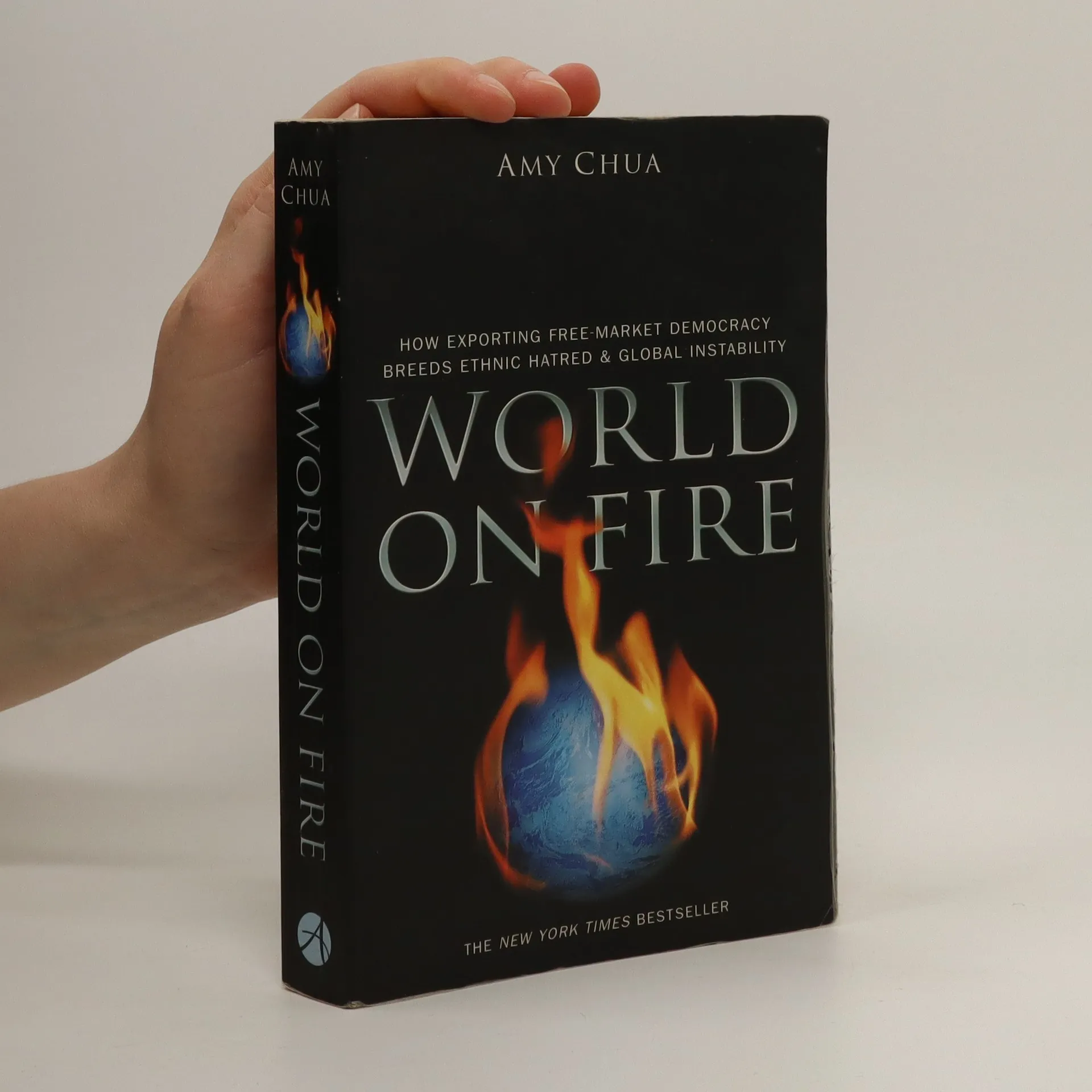
Amy Chua's remarkable and provocative book explores the tensions of the post-Cold War globalising world. As global markets open, ethnic conflict worsens and democracy in developing nations can turn ugly and violent. Chua shows how free markets have concentrated disproportionate, often spectacular wealth in the hands of resented ethnic minorities - 'market-dominant minorities'. Adding democracy to this volatile mix can unleash suppressed ethnic hatred and bring to power 'ethno-nationalist' governments that pursue aggressive policies of confiscation and revenge. Chua also shows how individual countries may also be viewed as market-dominant minorities, a fact that may help to explain the rising tide of anti-American sentiment around the world and the visceral hatred of Americans expressed in recent acts of terrorism. Chua is not an anti-globalist. But she presciently warns that, far from making the world a better and safer place, democracy and capitalism - at least in the raw, unrestrained form in which they are currently being exported - are intensifying ethnic resentment and global violence, with potentially catastrophic results.