

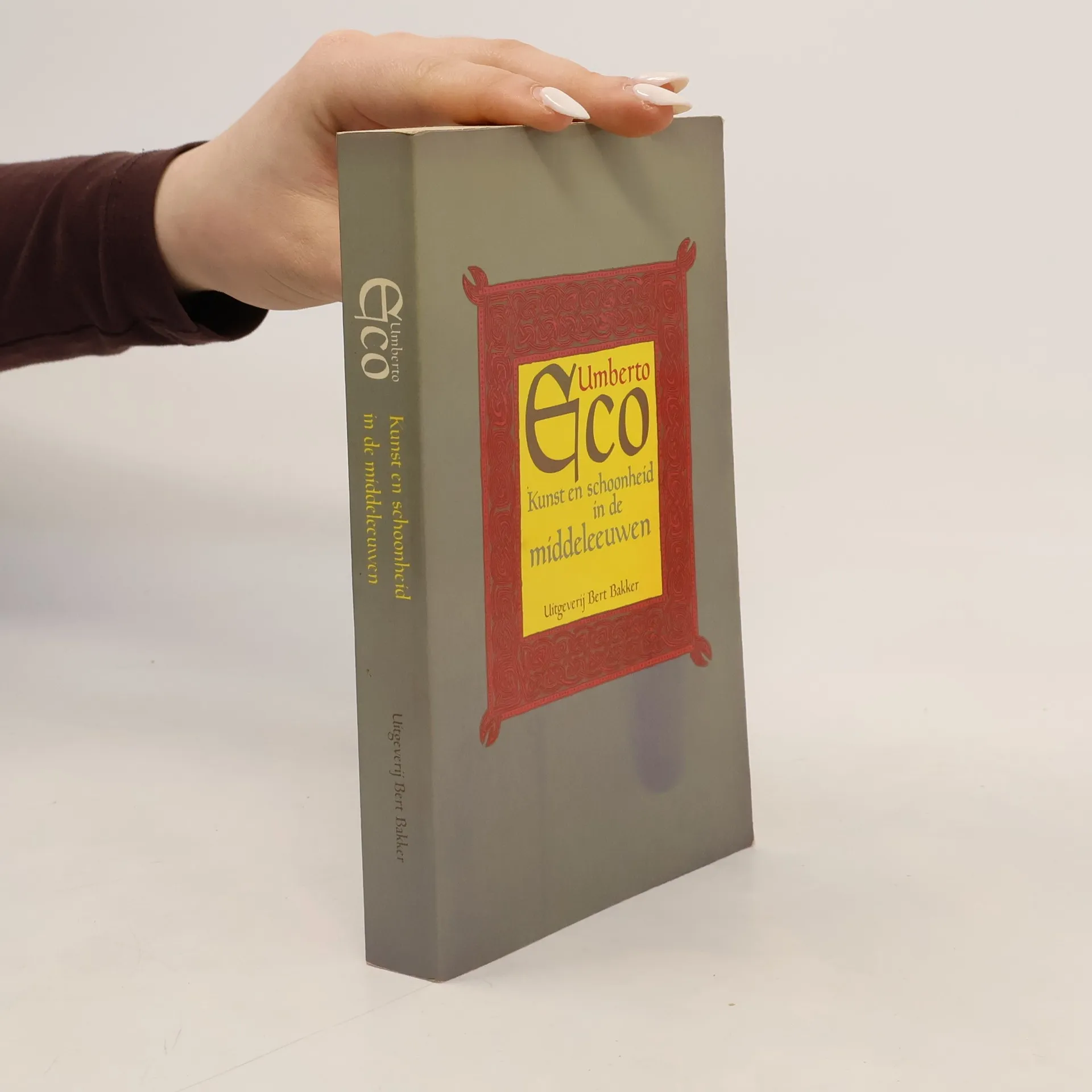
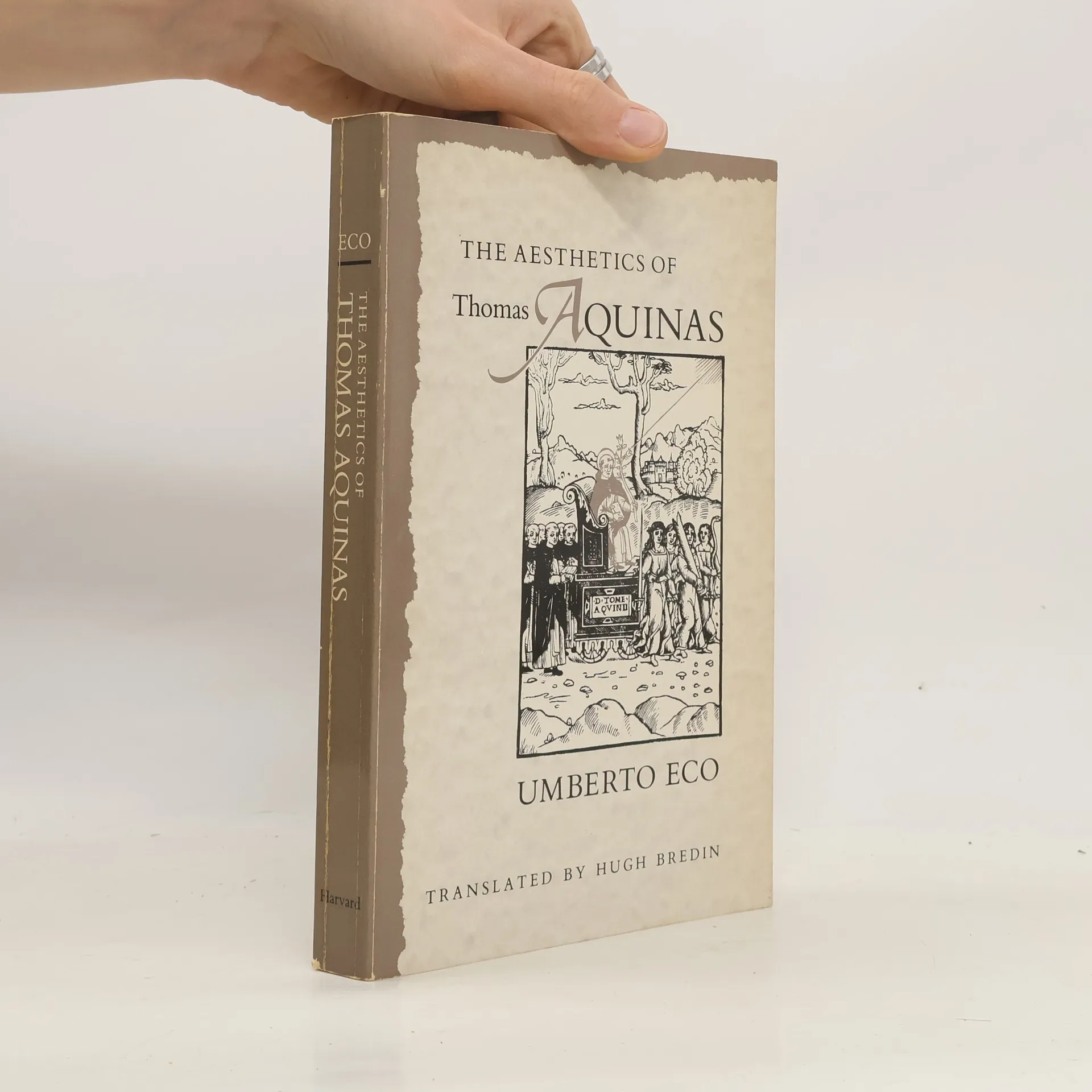
The Aesthetics of Thomas Aquinas
- 302bladzijden
- 11 uur lezen
Umberto Eco introduces English-speaking readers to the rich and complex aesthetic theories of Thomas Aquinas, a medieval thinker often recognized primarily as a theologian. Aquinas inherited concepts of art and beauty from classical traditions but transformed them through the lens of Christian theology and advancements in metaphysics and optics during the thirteenth century. Eco sets the context by exploring the vibrant aesthetic sensibility of medieval times and delves into Aquinas's ideas on transcendental beauty, aesthetic perception (visio), and the three conditions of beauty: integrity, proportion, and clarity—principles that later influenced James Joyce. He applies these theories to Aquinas's reflections on God, humanity, music, poetry, and scripture, and compares Aquinas's poetics with those of Dante. In a concluding chapter from the second Italian edition, Eco discusses how Aquinas's aesthetics were absorbed and transformed in late medieval thought, drawing parallels between Thomistic methodology and contemporary structuralism. As the only comprehensive English treatment of Aquinas's aesthetics, this work appeals to philosophers, medievalists, historians, critics, and those engaged in poetics, aesthetics, or the history of ideas.