Victor ErofeevVolgorde van de boeken (chronologisch)
Victor Erofeevs vroege blootstelling aan literatuur die in de Sovjet-Unie verboden was, beïnvloed door figuren als Nabokov en de Sade, vormde zijn provocerende literaire pad. Zijn werk duikt in de duistere esthetiek van seks, geweld en dood, waarbij vaak een groteske en verontrustende stijl wordt gehanteerd. Erofeev staat bekend om zijn radicale artistieke manifesten, waarin hij gedurfd het einde van het socialistisch realisme aankondigt en een nieuwe literatuur van het "kwaad" promoot. Via zijn romans en essays biedt hij onconventionele en vaak controversiële interpretaties van de Russische samenleving en haar literaire erfgoed.
Russkij sostoit iz "nichego," kotoroe vklyuchaet v sebya "vsyo." Russkij schitaet, chto emu nichego ne prinadlezhit. Russkij schitaet, chto emu prinadlezhit ves' mir. Pri vneshnej myagkosti i pevuchesti Rossii, pri ee bab'em oblichij, lyubvi k kefiru, v etoj strane zhivet naselenie s chudovischnym appetitom. Vchera - vsyo, segodnya - nichego, nazavtra - snova vsyo.
O miłości napisano tyle głupot, że można zaryzykować stwierdzenie, że w ogóle nic nie napisano. Niewykluczone, że miłość do kobiety to w istocie wydana reszta, drobne, które zostają mężczyźnie w dłoni po jego miłości do Boga, ale w obliczu powszechnie znanego zaniku uczuć religijnych wysoki kurs nominalny miłości rozmienia się dziś powszechnie na uczucie do płci (w zasadzie) odmiennej.
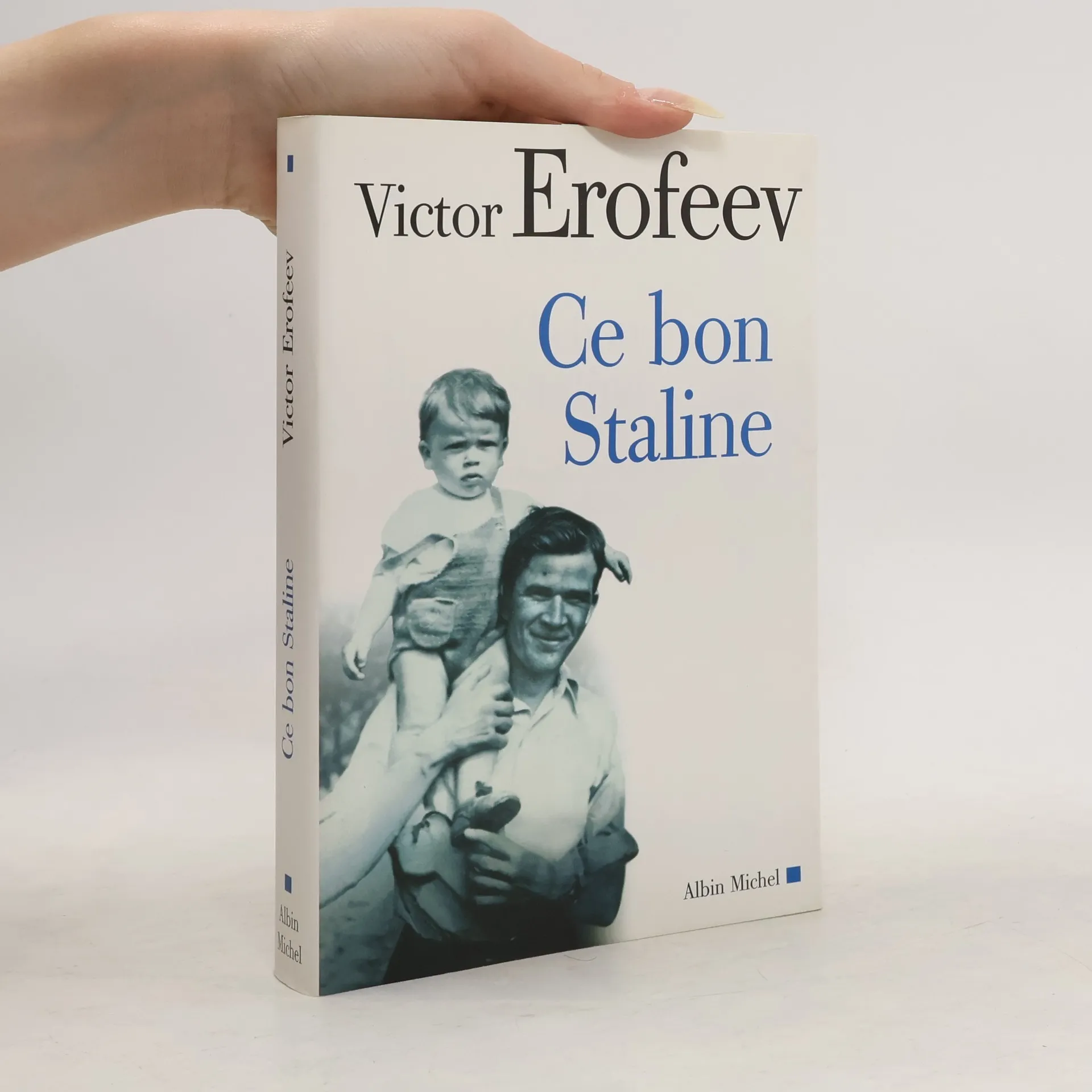
Το 1979, μια ομάδα Ρώσων συγγραφέων με κύριο εμπνευστή τον Βίκτορα Γεροφέγεφ αποπειράθηκε να δημοσιεύσει μια ανθολογία διηγημάτων με περιεχόμενο και ύφος σαφώς αποκλίνον απ' τις αρχές του σοσιαλιστικού ρεαλισμού. Τα επακόλουθα για τους περισσότερους απ' τους συγγραφείς ήταν σοβαρότατα. Η ιστορία αυτής της απόπειρας, με την οποία κλείνει το μυθιστόρημά του ο Γεροφέγεφ, περιγράφεται ως απόπειρα πατροκτονίας: Ο ήρωας του βιβλίου με την πράξη του αυτή στρέφεται όχι μόνο ενάντια στον υψηλά ιστάμενο πρέσβη πατέρα του, αλλά και ενάντια στα ιερά και τα όσια του λαού του που βλέπει - σύμφωνα πάντα με τον Γεροφέγεφ - τον Στάλιν ως "καλό πατέρα". Ο καλός Στάλιν περιγράφει με χιούμορ και ειρωνεία την ουτοπική πίστη στον σοσιαλισμό, τα όμορφα, προστατευμένα χρόνια της σοβιετικής νομενκλατούρας και την ιδιόμορφη εξέγερση στην οποία οδηγεί η πνευματική και αισθητική αφύπνιση του ήρωα. (Από την παρουσίαση στο οπισθόφυλλο του βιβλίου) Ο Γεροφέγιεφ στέκεται απέναντι σε κάθε έννοια πολιτικής ορθότητας και ευγενικής γραφής. Ανασύρει τα γεγονότα απευθείας από τη μνήμη του και τα περνάει αμέσως στο χαρτί. Μπορεί να πηγαίνει από το ένα θέμα στο άλλο, να αναπαριστά διαλόγους, να περιγράφει εικόνες, όλα υπό μορφή ενός προφορικού ημερολογίου. Παραδόξως αρνείται πως αυτοβιογραφείται και το χαρακτηρίζει ως απλό μυθιστόρημα.
The Russian beauty is Irina Tarakanova. She is beautiful, bisexual, and utterly knowing. She is also a heroine as touchingly human as Emma Bovary and Molly Bloom, and the narrator of this astonishing and sophisticated novel. Abandoning her dull provincial life for Moscow, Irina embarks on a spectacular horizontal career encompassing all layers of Moscow society: Western diplomats, nationalist dissidents, American Journalists, KGB officers. It is not until she meets the older married Leonardik (who once "shook hands with Stalin") that she finds her match. But their relationship is doomed, and neither subsequent lovers, nor memories of her beloved lesbian friend, Ksyusha, can console her. Reflecting on her own and Russia's tragic destiny, Irina decides that it is only through her own self-sacrifice that the motherland that has condemned her can be saved... Combining satire and brutal realism, eroticism and humor, Victor Erofeyev paints an unsparing picture of the Soviet world behind official facades. In his extraordinary heroine, he has also created a vision and a voice that are unique in Russian literature.
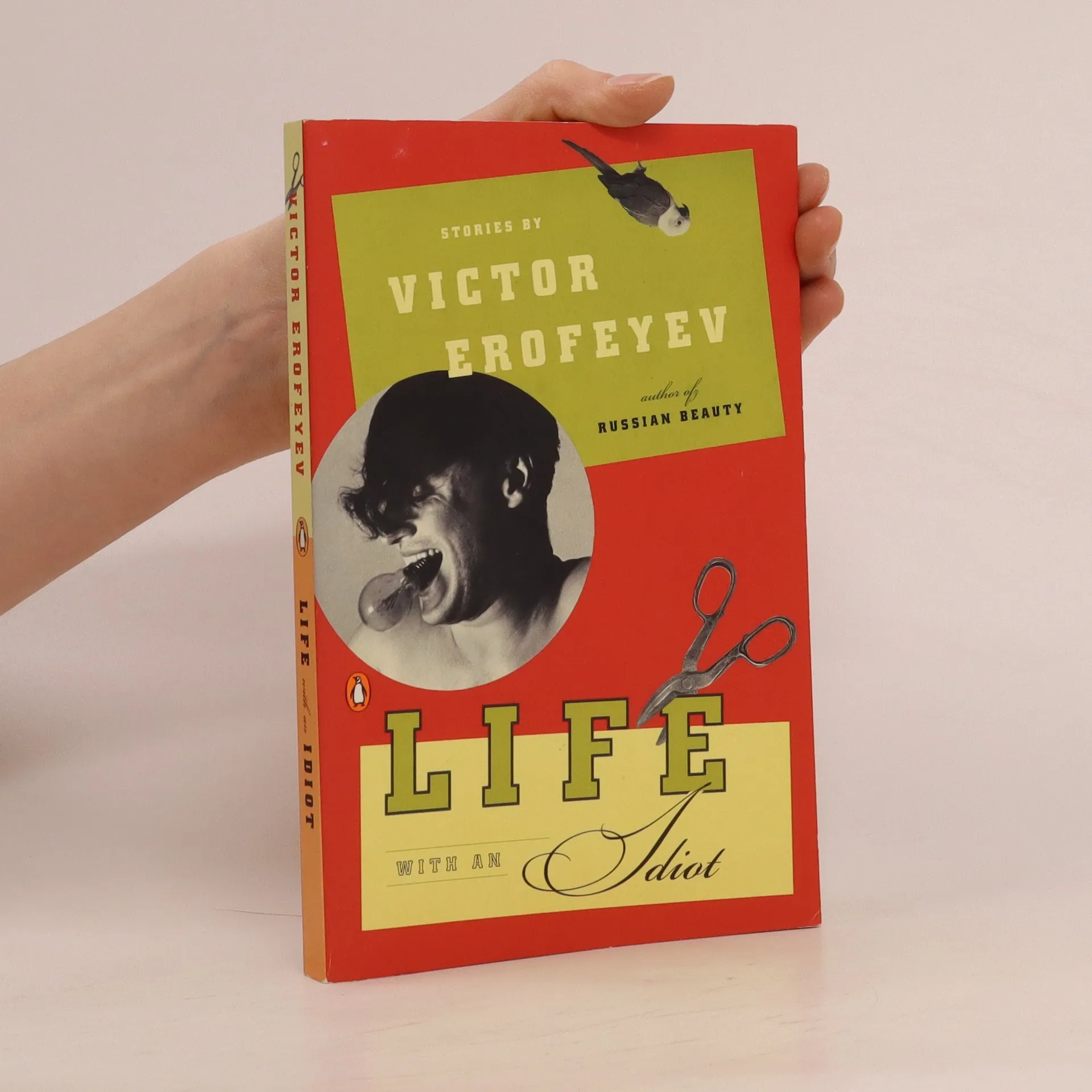
Presents a definitive collection of short fiction, originally written between 1978 and 1990, by one of Russia's most controversial avant-garde authors that capture the death throes of the Soviet Union and the author's rebellion against Soviet values. By the author of Russian Beauty. Original.