Koop 10 boeken voor 10 € hier!
Bookbot

Johan Norberg

    27 augustus 1973
    Johan Norberg
    Global Transformations
    Open
    Progress: Ten Reasons to Look Forward to the Future
    Financial Fiasco
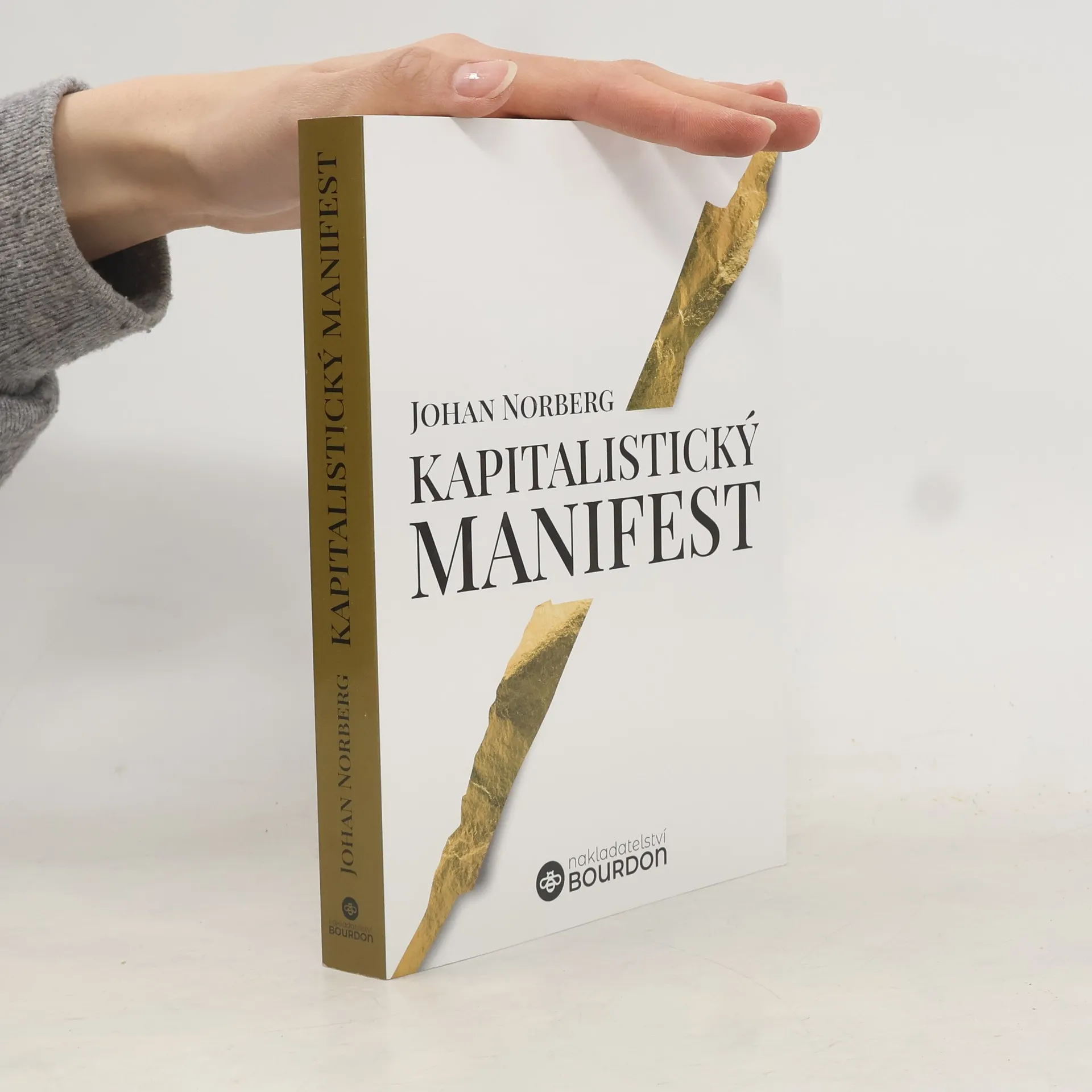
    The Capitalist Manifesto
    Leve de globalisering
    • 2024

      Manifest kapitalistyczny. Jak wolny rynek uratuje świat Czy nierówności społeczne mogą być korzystne? Dlaczego nie należy bać się technologicznych monopolistów? I jak to możliwe, z˙e wolny rynek uczy nas hojności? Johan Norberg broni globalnego, wolnorynkowego kapitalizmu przed krytykami – i tymi z lewicy, i z prawicy. Argumentuje, że – na przekór ich tezom – system ten przyczynia się do bogacenia się społeczeństw, umożliwia nam dbanie o środowisko naturalne i jego skuteczną ochronę, a nawet umacnia międzyludzką solidarność i czyni nas szczęśliwszymi. Norberg uważa, że „kapitalizm” to nazwa wyjątkowo niefortunna i niesprawiedliwa – bo sednem tego systemu nie jest kapitał, lecz oddanie kontroli nad gospodarką w ręce miliardów niezależnych konsumentów, przedsiębiorców i pracowników oraz pozwolenie im na samodzielne decydowanie o własnym losie. „Gospodarka rynkowa – twierdzi – polega przede wszystkim na współpracy i wymianie. Chodzi w niej o to, aby razem z innymi zrobić coś, czego nie bylibyśmy w stanie zrobić sami”. A są to zarówno rzeczy trywialne i błahe – choćby zaparzenie filiżanki kawy – jak i najdonioślejsze: czynienie świata miejscem lepszym dla nas wszystkich.

      Manifest kapitalistyczny
    • 2023
    • 2021

      Weltweit gehen Menschen gegen die Globalisierung und den freien Handel auf die Straße. Nationalistische Tendenzen sind auf dem Vormarsch. Covid-19 und die Finanzkrise haben die Schattenseiten einer vernetzten Welt aufgezeigt. Trotzdem oder gerade deshalb plädiert Johan Norberg für den Erhalt der Offenheit. Brillant kombiniert er historische Lehren mit Erkenntnissen aus der Evolutionspsychologie, um zu erklären, warum der Liberalismus gerade in Gefahr, aber trotz allem der beste Weg zu mehr Wohlstand, Gesundheit und Fortschritt ist. Und er warnt davor, diese Errungenschaften aufs Spiel zu setzen, denn: „Betrachtet man den heutigen Lebensstandard, die Gesundheit, den Wohlstand, die Alphabetisierung und die Freiheit im historischen Kontext, besteht kein Zweifel, dass wir in einem goldenen Zeitalter leben. Aber die Geschichte ist übersät mit goldenen Zeitaltern, die nicht von Dauer waren.“

      Open: Die Geschichte des menschlichen Fortschritts
    • 2020

      Open

      • 448bladzijden
      • 16 uur lezen
      4,1(290)Tarief

      A vital exploration of openness and why we must defend it at all costs.

      Open
    • 2019
    • 2017

      Todos los días nos bombardean con noticias acerca de lo mal que va todo: la victoria de Trump, el Brexit, el colapso financiero, el desempleo, la pobreza, los desastres ambientales, el hambre, la guerra, los refugiados... Sin embargo hemos progresado más en los últimos 100 años que en los primeros 100.000. La pobreza, la desnutrición, el analfabetismo, la explotación laboral, la mortalidad infantil… están reduciéndose más rápido que nunca antes en la historia de la humanidad. La esperanza de vida al nacer ha crecido dos veces más durante el último siglo que en los doscientos mil años anteriores. El riesgo de sufrir una guerra, morir en un desastre natural o vivir bajo una dictadura es hoy más bajo que nunca. Johan Norberg analiza hasta qué punto hemos superado los problemas a los que se enfrenta nuestra especie.

      Progreso : 10 razones para mirar al futuro con optimismo
    • 2017

      Contrary to what most of us believe, our progress over the past few decades has been unprecedented. By almost any index you care to identify, things are markedly better now than they have ever been for almost everyone alive.

      Progress: Ten Reasons to Look Forward to the Future
    • 2015

      Power To The People

      • 98bladzijden
      • 4 uur lezen

      The thirst for energy in developing countries will only grow as economic freedom spreads. People there see how we in the west live and refuse to be left behind. In "Power to the People" Swedish economist and author Johan Norberg explores the incredible challenge this demand presents to man- and woman-kind. As costs rise and concern for climate change increases, these questions loom large: How are we going to maintain our standard of living?How do we reduce our impact on the planet? And how will we get power to ALL the people? Based on Norberg's travels for the television documentary "Power to the People," his investigation peels back the layers of this global challenge, often questioning the conventional wisdom on what works and what doesn't. His journey starts in the Moroccan bazaars of Marrakech, which functioned fine for eons without modern conveniences, but where electric lights, computers, cell phones and credit card readers are now everywhere. Even more telling is Norberg's journey to a remote Berber village in the Sahara Desert. More than half the world still cooks its food over open flames but this is rapidly changing, including here, where women now cook on gas stoves, and some even have refrigerators.

      Power To The People
    • 2013

      Gridlock

      • 368bladzijden
      • 13 uur lezen
      3,7(13)Tarief

      The issues that increasingly dominate the 21st century cannot be solved by any single country acting alone, no matter how powerful. To manage the global economy, prevent runaway environmental destruction, reign in nuclear proliferation, or confront other global challenges, we must cooperate.

      Gridlock