A kreatív agy
- 543bladzijden
- 20 uur lezen





Het is niet bijzonder om uniek te zijn; dat zijn we allemaal. In dit werk toont Dick Swaab aan wat ons tot mensen maakt: de interactie van de hersenen met onze omgeving. Deze omgeving draagt bij aan de unieke ontwikkeling van elk brein, het ontstaan van hersenziekten en de genezing daarvan. Muziek en beeldende kunst zijn niet alleen creatieve communicatiemiddelen, maar hebben ook therapeutische waarde bij hersenziekten. De ontwikkeling van onze hersenen beïnvloedt onze beroepskeuze, terwijl ons beroep de structuur en functie van onze hersenen kan veranderen. Swaab bespreekt de maatschappelijke gevolgen van hersenonderzoek, zoals voor partnerkeuze, filosofie en strafrecht. Vragen die aan bod komen zijn onder andere: Hoe wordt elk brein anders? Wat is creativiteit en hoe stimuleren we het? Hoe beïnvloeden hersenziekten het werk van kunstenaars? Waarom waarderen sommige mensen atonale muziek? Hoe kan de omgeving als medicijn werken? Hoe kunnen we de ziekte van Alzheimer uitstellen? En hoe doorbreken we het stigma rond hersenziekten? Swaab bewijst opnieuw zijn talent om complexe materie toegankelijk en boeiend te maken. Het lezen van zijn werk is als het bekijken van een röntgenfoto van je geest. Een onmisbaar boek.
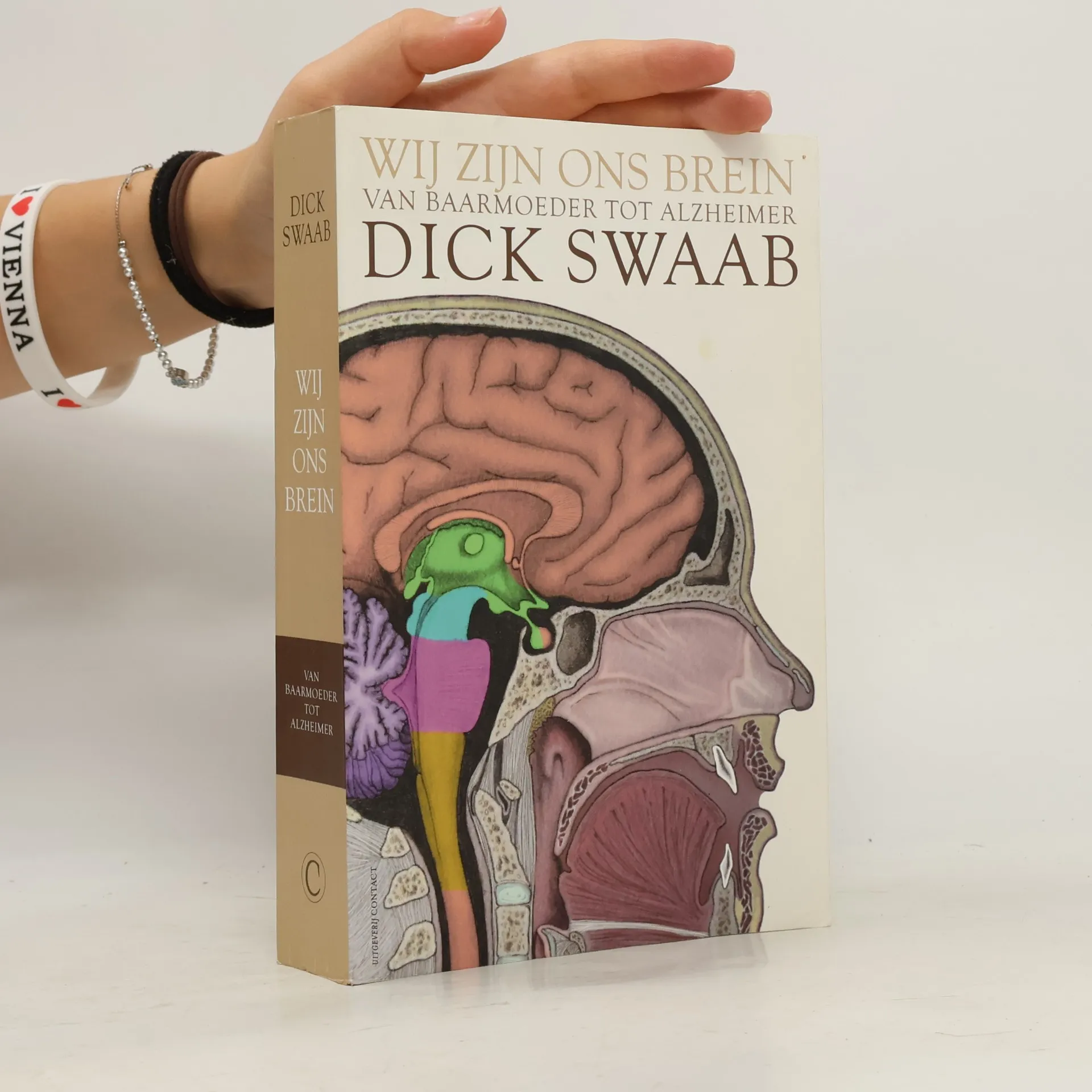
Het verhaal van je leven is het verhaal van je brein. Dat begint in de baarmoeder, waar de hersenen gevormd worden op een manier die bepalend is voor de rest van je leven. Dick Swaab volgt in Wij zijn ons brein de mens vanaf de conceptie tot en met de dood. Wat zijn de bedreigingen voor het kind in de baarmoeder? Hoe zit het met de hersenen van pubers, wat gebeurt er als je verliefd bent, hoe zijn homo- en heteroseksualiteit te verklaren en wat gebeurt er wanneer alzheimer toeslaat? De zin en onzin van therapieën, antidepressiva en alternatieve geneeswijzen, agressie, moreel gedrag en geloof, meditatie, hersenbeschadiging, psychische problemen en bijna-dood-ervaringen: alles wordt beschreven in Wij zijn ons brein. Na lezing van dit boek zul je beter begrijpen waarom je bent wie je bent.
Interviews met wetenschapsbeoefenaars, filosofen en kunstenaars over de kwalijke kenmerken van godsdienstig geloof en de waarde van atheïsme.
Basic and Clinical Aspects, Part I
Traditionally viewed as part of the neuroendocrine system, the human hypothalamus has garnered little interest from neurologists. This volume revitalizes the topic by presenting groundbreaking research that connects this complex brain region to various neurological and psychological disorders. Clinicians, researchers, and practitioners across multiple medical fields will find a comprehensive overview of new findings related to the origin, diagnosis, and treatment of these disorders. The discussions link the hypothalamus to attention deficits in dementias, as well as its involvement in conditions like narcolepsy and certain epilepsies, making this resource invaluable for research and patient care. It includes specific information on depression, eating disorders, aggression, and mental retardation, providing professionals in neurology, psychiatry, endocrinology, and pediatrics with a deeper understanding of how the hypothalamus relates to patient disorders. This volume offers a thorough account of innovative research, insights into the hypothalamus's role in various disorders, and a clearer perspective on its impact on research and treatment protocols in diverse fields.
Basic and Clinical Aspects, Part II
This volume provides a comprehensive understanding of the human hypothalamus, an extremely complex structure that consists of a large number of very different functional units. It approaches the subject in a way that has not historically existed in standard neuropathological investigations of the human brain.As the hypothalamus was traditionally considered to be a neuroendocrine structure, and hence of little interest to neurologists, this volume explores new findings in the field and the value they bring to the field of neurology.New understandings of the role the hypothalamus plays in memory and attention deficits in the dementias, along with greater evidence that the hypothalamus is related to symptoms and signs in both neurological and psychological disorders provide users in the fields of neuroscience, endocrinology, pediatrics, and psychology with a comprehensive resource on which to base new research and exploration. * A new understanding of the role of the human hypothalamus in neurological disorders * Clinical evidence regarding a plethora of neurological disorders and how they relate to the human hypothalamus* A greater understanding of the direct connection between both neurological and psychological disorders and the role of the hypothalamus in these disorders