


Bookbot

Antoine François Prévost D'Exiles Boeken

    Histoire d'une grecque moderne
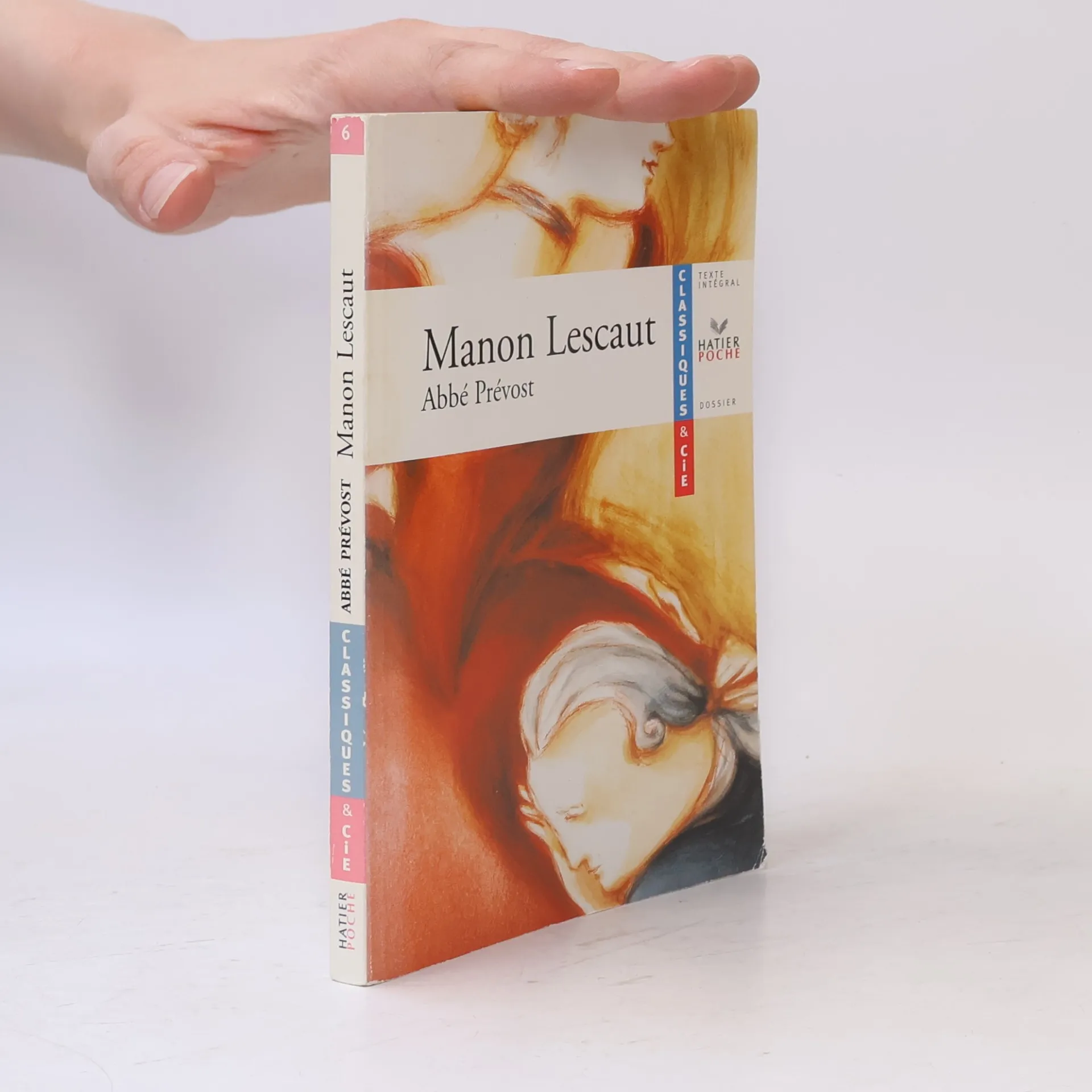
    Classiques & Cie - 6: Manon Lescaut
    Manon
    Manon Lescaut - BAC 2026
    Manon Lescaut
    Manon Lescaut
    • Antoine-Francois Prévost (1697-1763), meestal genoemd l'abbé Prévost, heeft een zeer bewogen leven gehad. Toen hij in 1727 het abdijklooster van St. Germain-des-Prés te Parijs ontvluchtte en naar Engeland uitweek - hij vertoefde ook enkele jaren in Nederland -, was hij genoodzaakt geheel van de pen te leven. Van de vele boeken die hij heeft gepubliceerd vóór hij naar Frankrijk kon terugkeren, is Manon Lescaut (1731) het meest bekend geworden. Deze literair opmerkelijke roman mochten de Fransen destijds niet lezen: het boek was verboden. In Manon Lascaut laat de auteur een jonge edelman, Ridder des Grieux, het verhaal vertellen van zijn hartstochtelijke liefde voor een lichtzinnig meisje zonder opvoeding: Manon, die hem het hoogste geluk en de diepste rampspoed bezorgt. Dit boek geeft een specimen van l'abbé Prévosts talent en is voor de huidige lezer interessant als tijdsdocument en zedenspiegel. Klassejustitie was normaal en het hebben van een maîtresse bij de hoge heren en hun zonen gebruikelijk.

      Manon Lescaut
      4,3
    • Manon

      Opéra comique o pěti dějstvích z roku 1884

      Manon
    • Classiques & Cie - 6: Manon Lescaut

      Texte intégral - Dossier

      • 219bladzijden
      • 8 uur lezen

      The inspiration for three films and several operas, this classic of French literature is set in Regency Paris and Louisiana around 1720. A tragic love story, it's also an epic adventure story with three infidelities, three escapes, three abductions and two murders. The action spans two continents and a social range extending from the aristocracy to the social outcast, from pillars of the establishment to pimps and prostitutes. Manon Lescaut's ambiguous love story has a transcendent significance: Is it a cautionary tale, warning of the dangers to which passion, blindly followed, can lead? Or does it illustrate the redemptive power of love? After all, Des Grieux's perseverance in his devotion to Manon eventually brings about a profound change of heart in her and seems to make possible a lasting happiness based on deep mutual affection. The ambiguity persists to the end, when death snatches that happiness away.

      Classiques & Cie - 6: Manon Lescaut