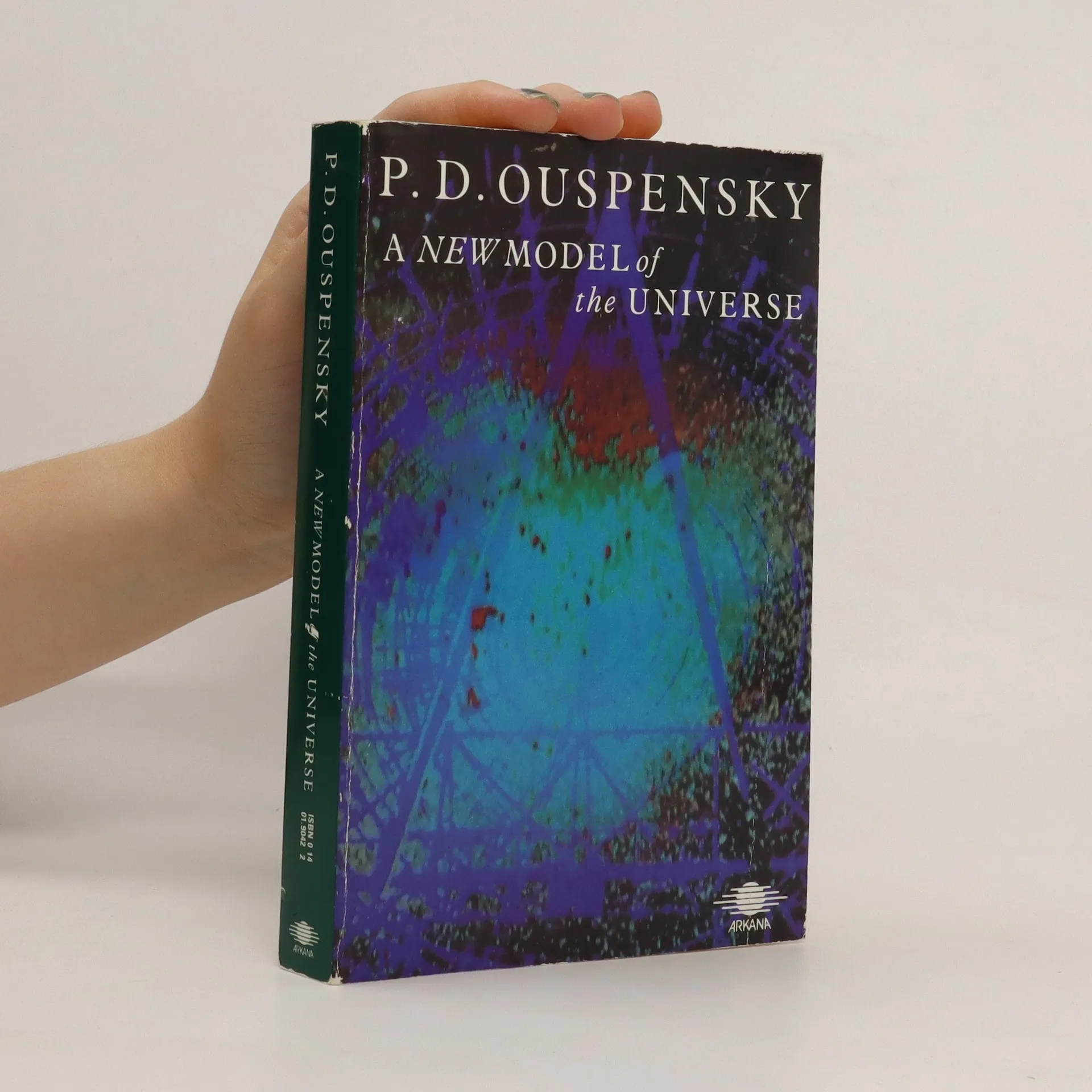
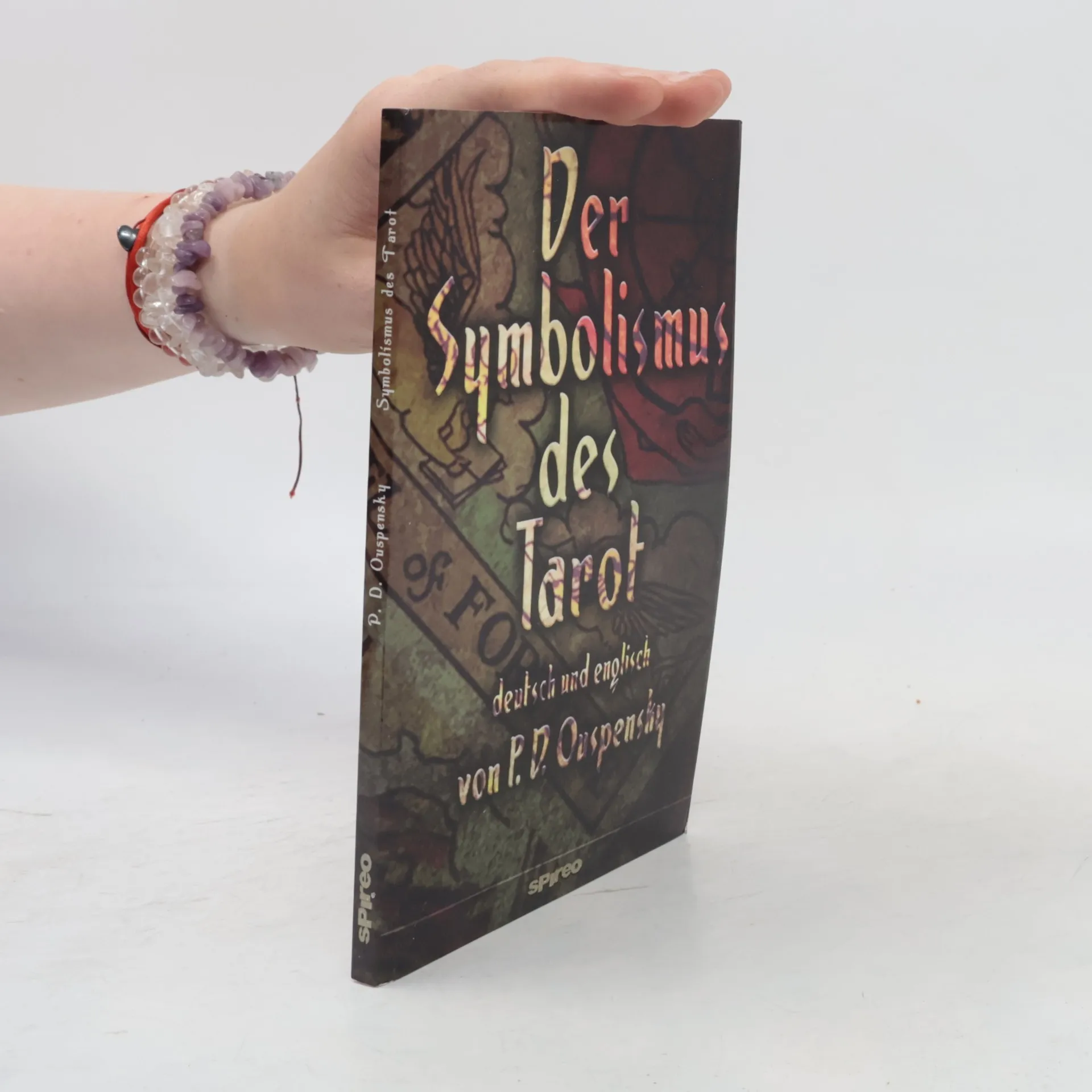
P.D. OuspenskyVolgorde van de boeken (chronologisch)
Peter D. Ouspensky was een Russische wiskundige en esotericus, bekend om zijn uiteenzettingen van de vroege leerstellingen van de mysticus George Gurdjieff. Na zijn ontmoeting met Gurdjieff in 1915 wijdde Ouspensky 25 jaar aan het uiteenzetten van dit unieke filosofische en psychologische systeem in Engeland en de Verenigde Staten. Zijn geschriften duiken in de hogere dimensies van het menselijk bestaan en de zoektocht naar een hoger bewustzijn, gekenmerkt door een duidelijke en analytische benadering van complexe spirituele ideeën. Ouspensky's werk biedt diepgaande inzichten voor lezers die geïnteresseerd zijn in de psychologische en filosofische fundamenten van spirituele exploratie.
Dvije priče ovog kontroverznog ruskog pisca, sadržane u knjizi, daju uvid u obskurnu duhovnost koja ga je cijeli život zaokupljala. U prvoj priči - "Izumitelj", riječ je o znanstveniku koji uspijeva uspostaviti kontrolu nad materijalnim silama, dajući im novu osobinu koja ih odvaja od Vraga i na posljetku dovodi do njegova nestajanja. U drugoj priči - "Dobroćudni vrag", pisac se bavi problemom čovjekova samoobmanjivanja, kao djelatnog psiho-mehanizma kojim je vezan za materijalnu stvarnost, ostajući u stanju trajnog spavača, zamišljajući "dobro" u smislu iluzornog svijeta, a Vragov je zadatak upravo da ohrabri ovu obmanu.
s/t: Principles of the psychological method in its application to problems of science, religion and art Preface Prefatory Note Introduction Esotericism and modern thought The fourth dimension Superman Christianity and the New Testament The symbolism of the Tarot What is yoga? On the study of dreams and on hypnotism Experimental mysticism In search of the miraculous A new model of the universe Eternal recurrence and the laws of Manu Sex and evolution Index
This edition of The Psychology of Man's Possible Evolution includes a lecture, not previously published, in which Ouspensky givers some details of the "School of the Fourth Way," with which he was connected, and an account of some of its fundamental principles, methods, and rules. The psychology Ouspensky sets forth in this introductory lectures has existed in one form or another for thousands of years and, unlike modern psychology, studies man from the point of view of what he may become. Once a man realizes how little control he has over his reactions to external circumstances and internal stimuli, he may wish to find a way to becomoe free of this mechanical way of living. Ouspensky describes how a man must work simultaneously on his knowledge and his being to find inner unity and why although his development depends on his own efforts, this is very difficult to achieve without guidance from a "School."