
Koop 10 boeken voor 10 € hier!
Bookbot

Simon Baron Cohen

    15 augustus 1958

    Simon Baron-Cohen is hoogleraar ontwikkelingspsychopathologie aan de Universiteit van Cambridge. Zijn onderzoek richt zich op autisme, waarbij hij theorieën over 'mind-blindness' en het 'mannelijke brein' als extreme vorm onderzoekt. Zijn werk duikt in de conceptualisering van psychologische sekseverschillen door de lens van de empathie-systemiseringstheorie.

    Simon Baron Cohen
    The pattern seekers : a new theory of human invention
    The Pattern Seekers
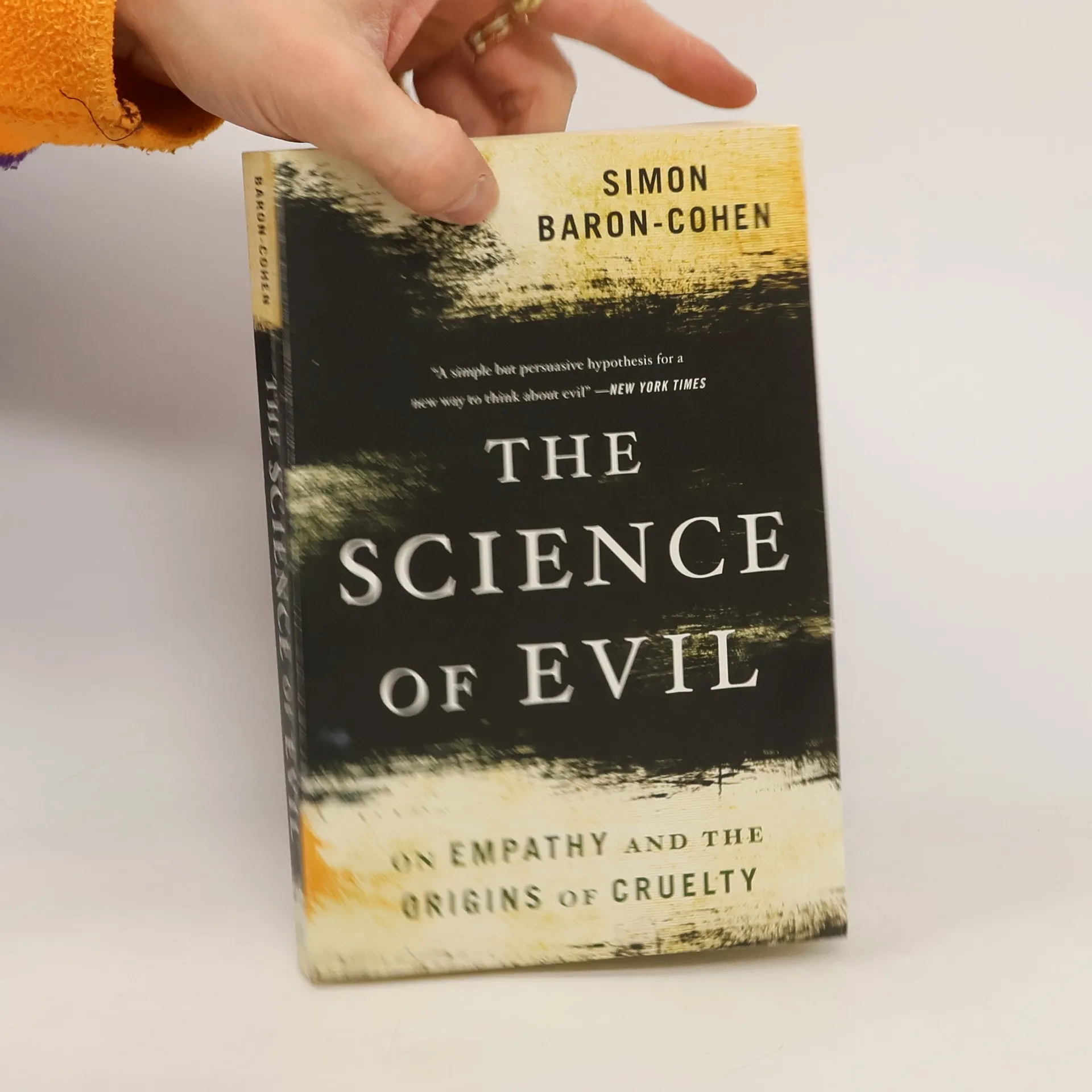
    The Science of Evil
    Mindblindness
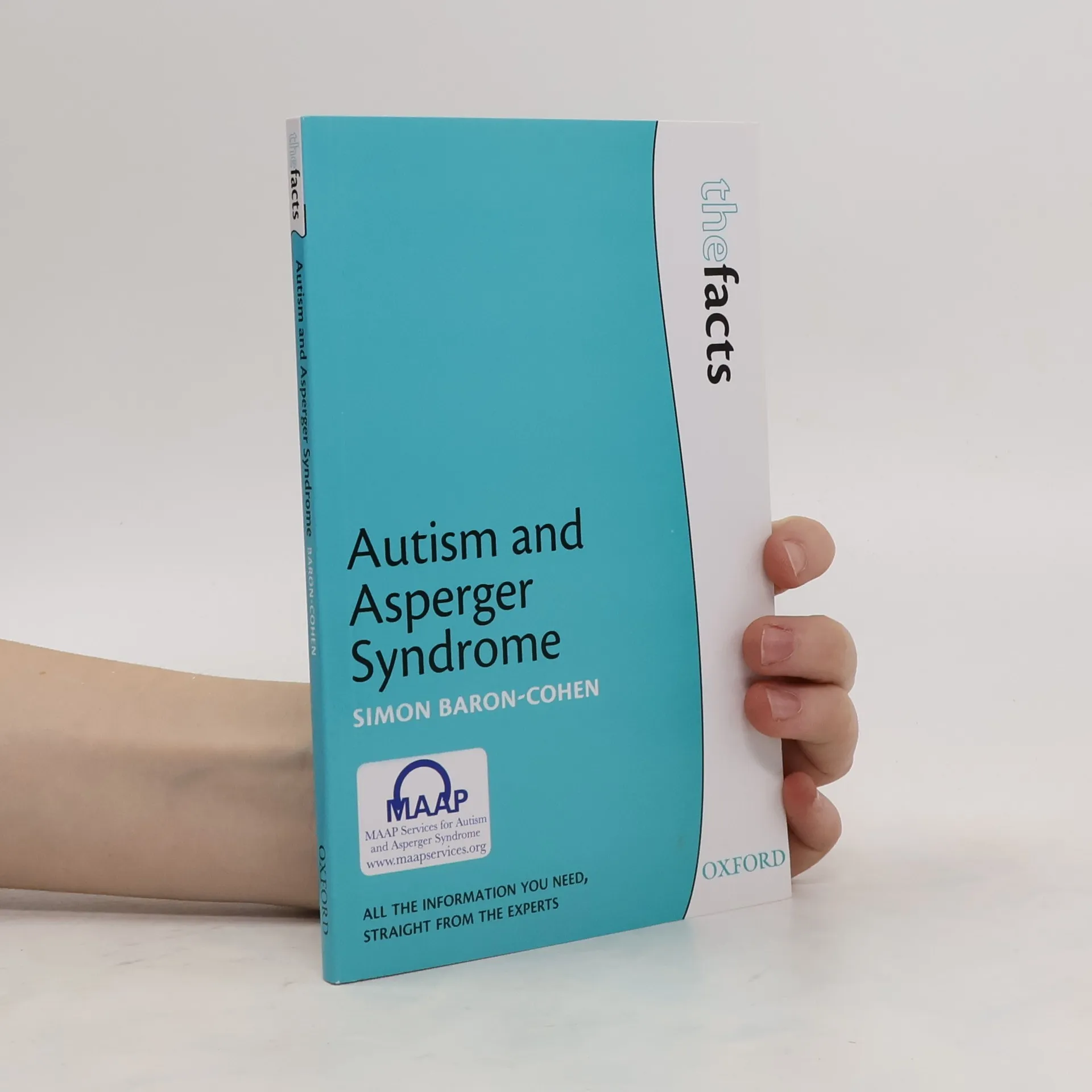
    Autism and Asperger syndrome
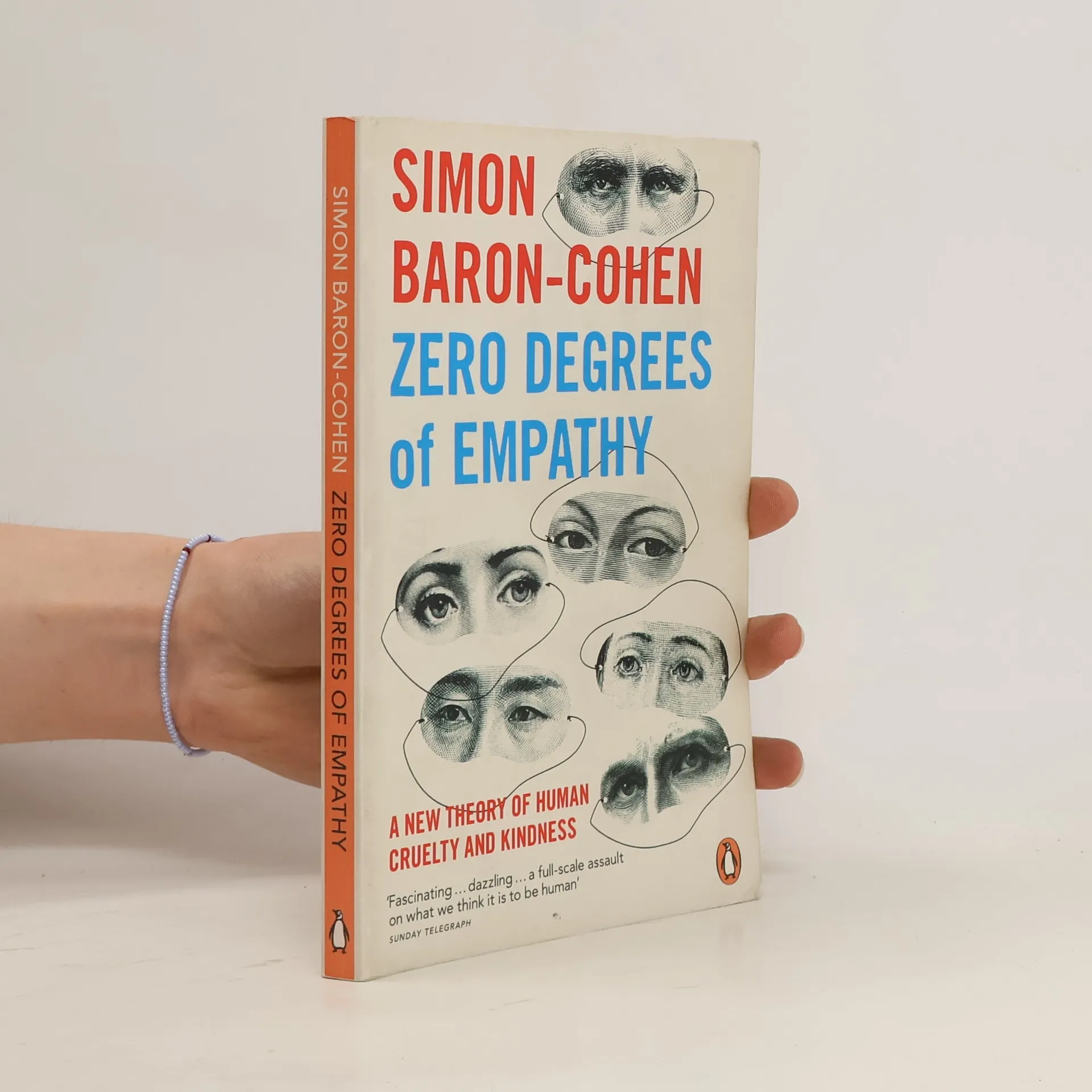
    Zero Degrees of Empathy
    • Is it possible that - rather than thinking in terms of 'good' and 'evil' - all of us instead lie somewhere on the empathy spectrum, and our position on that spectrum can be affected by both genes and our environments? Why do some people treat others as objects? This book examines an understanding in a study of what it means to be human.

      Zero Degrees of Empathy
    • Autism and Asperger syndrome

      • 157bladzijden
      • 6 uur lezen
      3,9(247)Tarief

      Following on from the highly successful book Autism: The Facts, this new volume by Simon Baron-Cohen summarizes the current understanding of the autistic spectrum, from Asperger syndrome to autism. Written first and foremost as a guide for parents, but what is also certain to become required reading for interested professionals, the book covers what we have learnt to date about the brain, genetics, and interventions for autism spectrum disorders. The book also provides an overview of diagnosis of these conditions, their biological and physiological causes, and the various treatments and educational techniques available. In the book Professor Baron-Cohen also presents a new unified psychological theory of the autistic spectrum.

      Autism and Asperger syndrome
    • Mindblindness

      • 197bladzijden
      • 7 uur lezen
      3,8(255)Tarief

      This text argues that specific neurocognitive mechanisms have evolved that result in mindreading, an ability to interpret, for the most part unconsciously, non-verbal actions. It suggests that autistic children suffer from mindblindness due to selective developmental impairment in mindreading.

      Mindblindness
    • The Science of Evil

      On Empathy and the Origins of Cruelty

      • 256bladzijden
      • 9 uur lezen
      3,8(206)Tarief

      A groundbreaking and challenging examination of the social, cognitive, neurological, and biological roots of psychopathy, cruelty, and evil Borderline personality disorder, autism, narcissism, psychosis: All of these syndromes have one thing in common--lack of empathy. In some cases, this absence can be dangerous, but in others it can simply mean a different way of seeing the world.In The Science of Evil Simon Baron-Cohen, an award-winning British researcher who has investigated psychology and autism for decades, develops a new brain-based theory of human cruelty. A true psychologist, however, he examines social and environmental factors that can erode empathy, including neglect and abuse. Based largely on Baron-Cohen's own research, The Science of Evil will change the way we understand and treat human cruelty.

      The Science of Evil
    • The Pattern Seekers

      • 256bladzijden
      • 9 uur lezen
      3,4(29)Tarief

      Why can humans alone invent? In this book, psychologist and world renowned autism expert Simon Baron-Cohen puts forward a bold new theory: because we can identify patterns, specifically if-and-then patterns. And he argues that the genes for this unique ability overlap with the genes for autism. From the first musical instrument to the agricultural, industrial and digital revolutions, Baron-Cohen shows how this unique ability has driven human progress for 70,000 years. By linking one of our greatest human strengths with a condition that is so often misunderstood, The Pattern Seekers challenges us to think differently about those who think differently.

      The Pattern Seekers
    • 'Celebrates human cognitive diversity, and is rich with empathy and psychological insight' Steven Pinker 'Bold, intriguing, profound' Jay Elwes, Spectator Why can humans alone invent? In this book, psychologist and world renowned autism expert Simon Baron-Cohen puts forward a bold new theory: because we can identify patterns, specifically if-and-then patterns. Baron-Cohen argues that the genes for this unique ability overlap with the genes for autism and have driven human progress for 70,000 years. From the first musical instruments to the agricultural, industrial, and digital revolutions, Pattern Seekers links one of our greatest human strengths with a condition that is so often misunderstood and challenges us to think differently about those who think differently.

      The pattern seekers : a new theory of human invention
    • Simon Baron-Cohen je profesorem vývojové psychopatologie na univerzite v Cambridge. Je ředitelem Centra pro výzkum autizmu (Autism Research Centre), kromě toho se zajímá o výzkum autizmu s ohledem na výzkum teorie mysli. Duševná slepota je asi jeho nejznámější publikací u nás. Představte si, jak by vypadal váš svět, kdybyste si uvědomovali fyzické objekty, ale nebyli byste schopni "vidět" mentální věci, jako myšlenky, přesvědčení, vědomosti, touhy a záměry, které pro většinu z nás celkem samozřejmě představují základ pro naše jednání. Rozšiřte svoji představivost a popřemýšlejte, jaký smysl byste přisoudili lidskému jednání (jakémukoliv živému jednání), pokud by mentální výklad byl daleko za vašimi hranicemi, je to náročný experiment, na jehož konci stojí zjištění, že jen ten, kdo je schopný "vidět" jiným do mysli, je schopný vysvětlit chování druhých a že uprostřed jakékoliv společenské situace se vyplatí vědět, přijít s rozumnou interpretací příčin jednání druhého, a že je to nezbytná podmínka, jak přežít a sociálně existovat.

      Duševná slepota - nevidieť do mysle, Esej o autizme a teórii mysle
    • Wnikliwe uzasadnienie idei, że kreatywność ma wiele cech wspólnych z autyzmem. () Odkrywcza. Kirkus Dlaczego tylko ludzie dokonują wynalazków? Simon Baron- Cohen, psycholog z Uniwersytetu w Cambridge, od kilkudziesięciu lat prowadzi badania autyzmu i zgłębia psychologiczne spektrum ludzkiego myślenia, którego wszyscy doświadczamy. W książce Poszukiwacze wzorów Baron-Cohen przekonuje, że autyzm odegrał równie ważną rolę w historii naszej kreatywności i kultury, jak opanowanie ognia. Baron-Cohen twierdzi, że ludzie z autyzmem odgrywają decydującą rolę w rozwoju ludzkości już od siedemdziesięciu tysięcy lat, od powstania pierwszych narzędzi po rewolucję cyfrową. W jaki sposób? Otóż geny, które wywołują autyzm, umożliwiają również poszukiwanie wzorów będące istotą ludzkiej wynalazczości. Autyści płacą jednak za te zdolności nader wysoką cenę w postaci trudności społecznych, a często również problemów medycznych, dlatego Baron-Cohen apeluje, abyśmy wspierali i honorowali ludzi z autyzmem zarówno w ich ułomnościach, jak i w ich triumfach. Książka Poszukiwacze wzorów nie jest tylko opisem nowej teorii ludzkiej cywilizacji, lecz także wezwaniem do refleksji nad tym, jak społeczeństwo traktuje tych, którzy myślą inaczej.

      Poszukiwacze wzorów
    • 4,1(18)Tarief

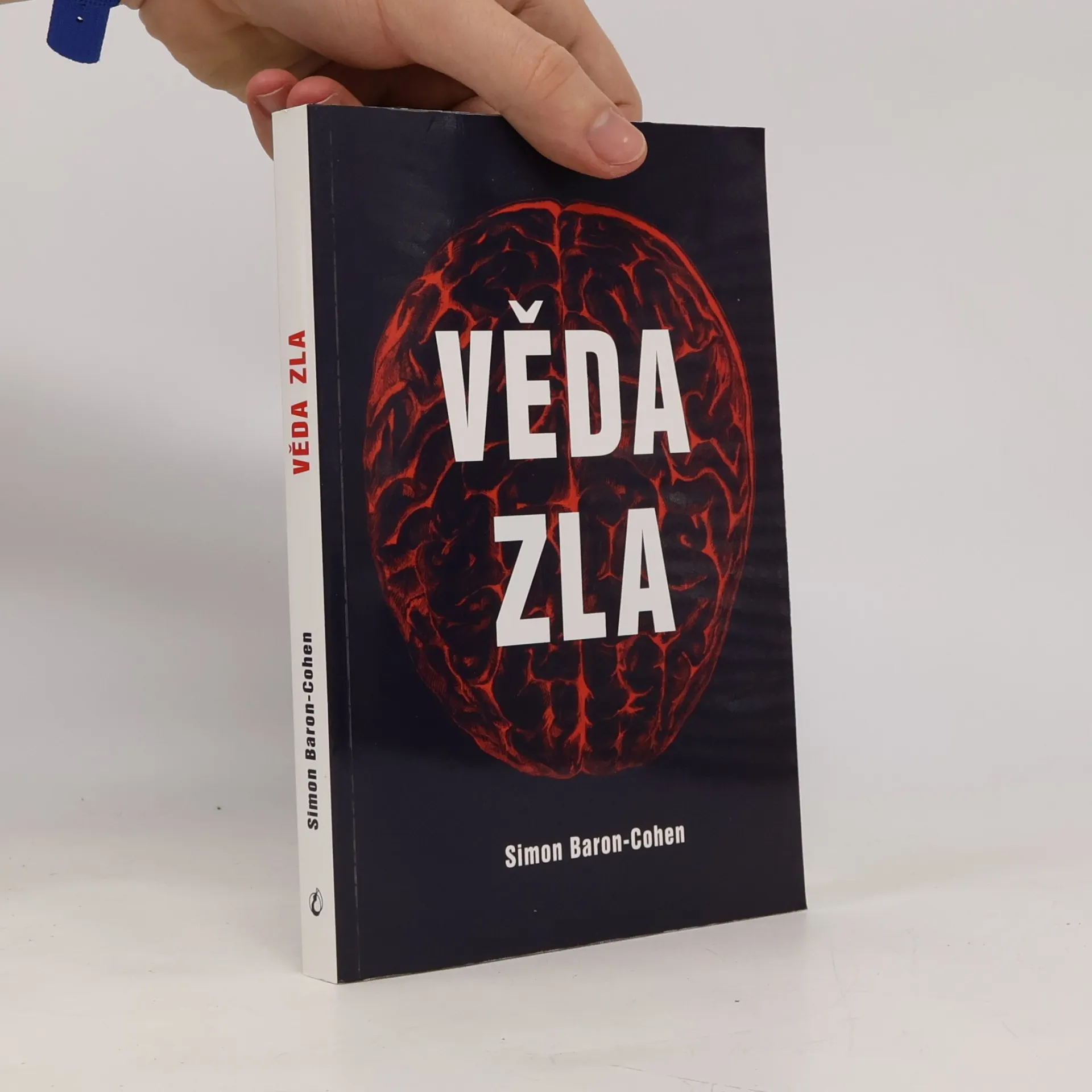
      Simon Baron-Cohen se v knize Věda zla pokouší nalézt odpověď na otázku, proč jsou někteří lidé nepochopitelně krutí k jiným lidem, proč se lidé v určitých situacích chovají k jiným lidem jako k věcem. S obvyklou odpovědí, že takoví lidé jsou prostě „zlí“, se nespokojuje a pátrá po hlubších, vědecky doložitelných příčinách krutého chování. Za hlavní příčinu krutosti považuje sníženou nebo úplně chybějící empatii, která je společným příznakem některých duševních poruch – hraniční poruchy osobnosti, psychopatie, narcistické poruchy, ale také autismu a Aspergerova syndromu. V některých případech může být chybějící empatie nebezpečná, v jiných může být jejím důsledkem odlišný, někdy prospěšný, pohled na svět. Aby lépe porozuměl důvodům „eroze empatie“, zkoumá její biologické základy – empatický mozkový obvod a genetické predispozice – nezapomíná však na vlivy prostředí a výchovy, včetně zanedbávání a zneužívání dětí. Svět, jehož obraz nám Baron-Cohen předkládá, není výlučně krutý nebo „zlý“. Autor nechává promluvit také ty, kteří se nacházejí na druhém konci spektra empatie – „superempatické“ osobnosti, které mají sílu měnit svět k lepšímu – a připomíná nám, že empatie je možná tím nejcennějším zdrojem, který má dnešní lidstvo k dispozici.

      Věda zla: Nová teorie lidské krutosti
    • Ein Buch, das hilft, die Unterschiede zwischen den Geschlechtern besser zu verstehen Männer und Frauen sind von Geburt an anders, so die Theorie des bekannten Psychologen und Autismusforschers Simon Baron-Cohen. Anhand von Beispielen aus Hirnforschung, Psychologie und Verhaltensbiologie belegt er, dass geschlechterspezifisches Verhalten nicht nur auf unterschiedliche Erziehung zurückzuführen ist, sondern tatsächlich schon vor der Geburt im Mutterleib festgelegt wird.

      Frauen denken anders - Männer auch