

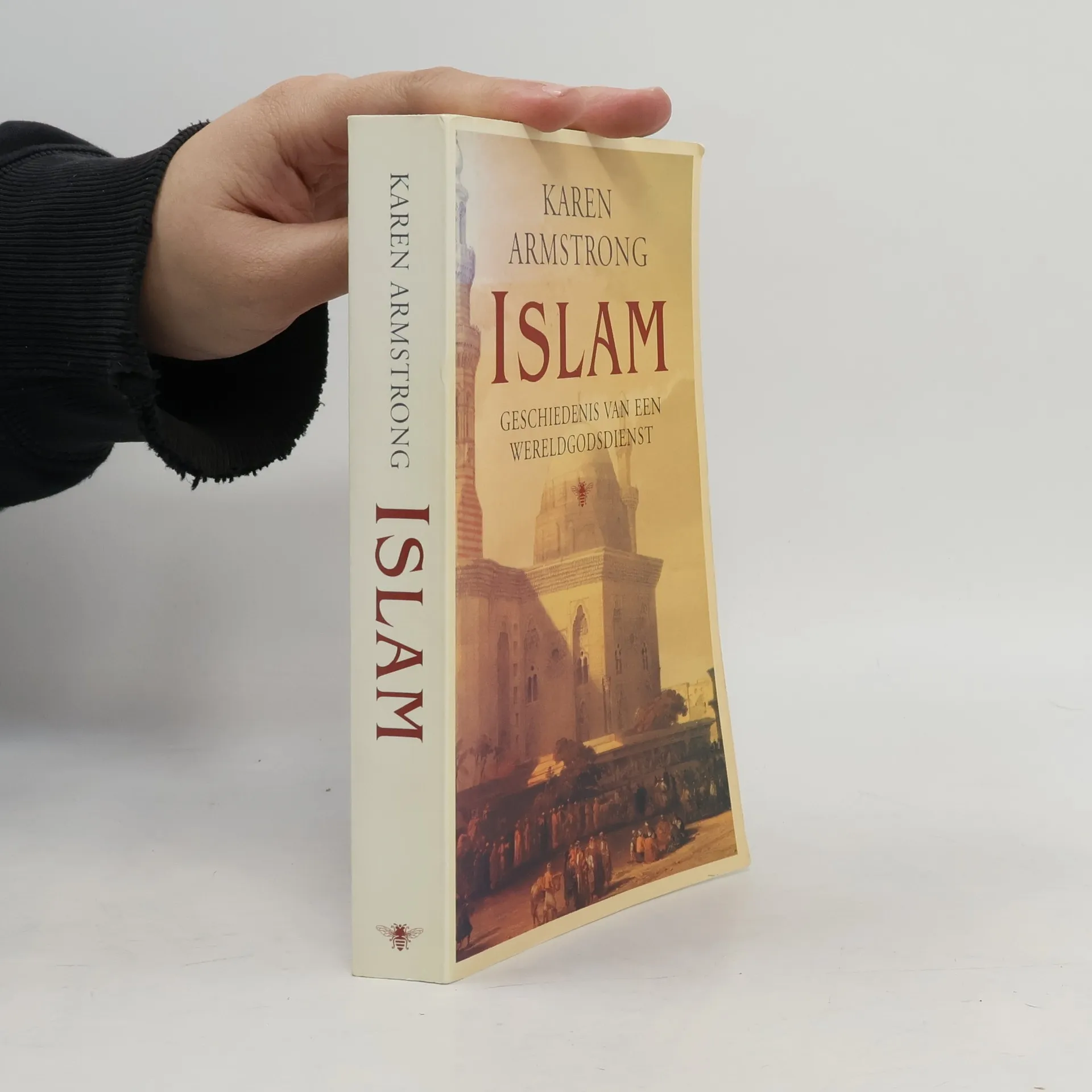
El Islam es, probablemente, la religión más incomprendida y malinterpretada de la modernidad. Una curiosa ignorancia prevalece en Occidentes desde las cruzadas, cuando empezó a cultivarse una visión distorsionada del Islam como una religión violenta e intolerante. Sin embargo, los imperios islámicos llegaron a ser los más g randes y mejor situados de la tierra hasta que fueron reemplazados por las naciones europeas en el siglo XIX.Karen Armstrong explica los acontecimientos centrales en la historia de esta religión -la división entre musulmanes chiítas y sunnitas. La aparición del misticismo sufí, la expansión por el Mediterráneo y por Asia, el efecto devastador de las cruzadas, el florecimiento del Islam imperial en los siglos XIV y XV, los orígenes y consecuencias del Islam revolucionario- y analiza los retos que afronta hoy en día esta religión milenaria.En este libro se confrontan los estereotipos y se demuestra que lo que llamamos «Islam» es un fenómeno mucho más rico y complejo de lo que su moderna facción fundamentalista sugiere.
Shirah Lachmann Boeken
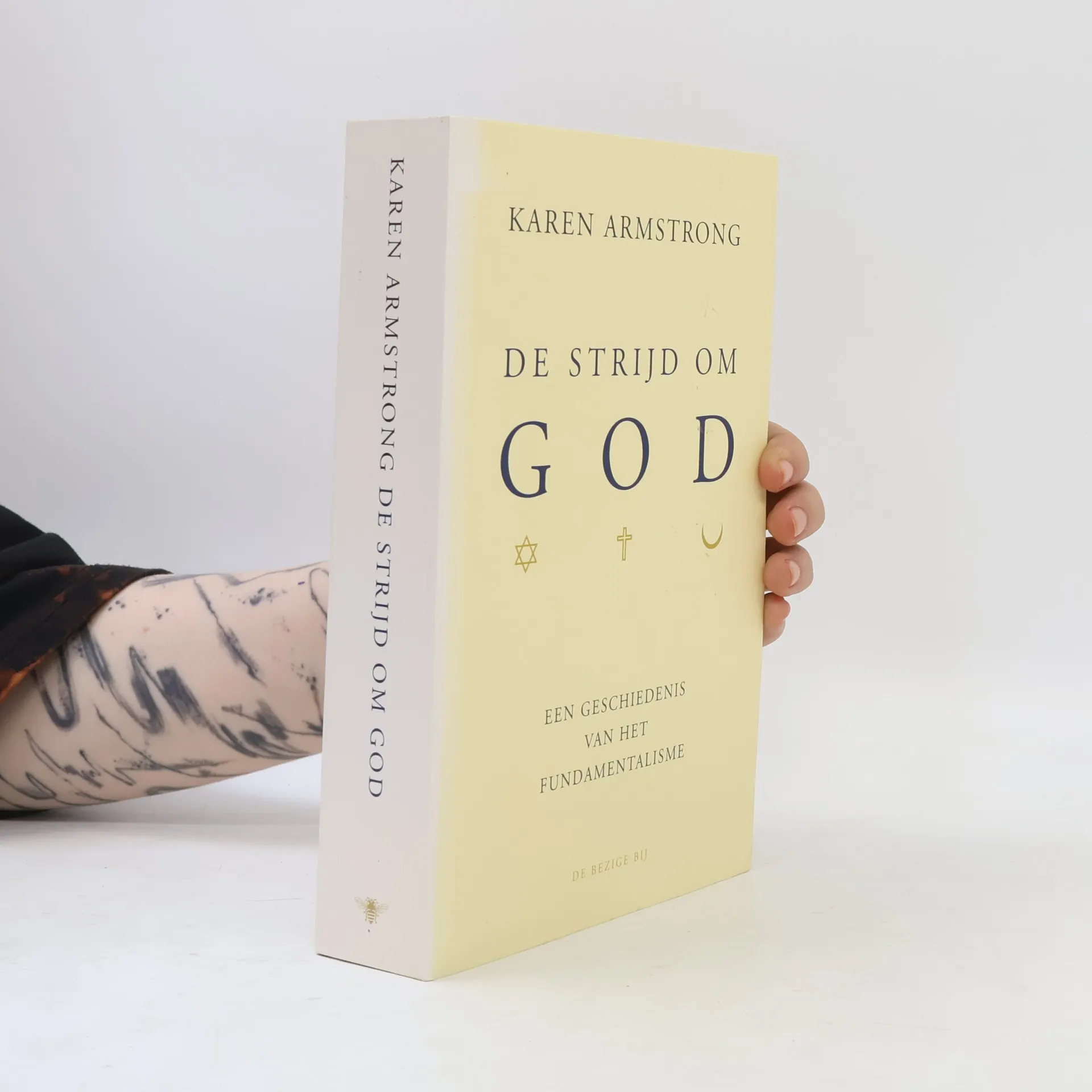
About 40 years ago, many believed that religion would diminish as society modernized and morals relaxed. Contrary to this expectation, theologian and author Karen Armstrong reveals that fundamentalism has surged within major religions, including Christianity, Islam, and Judaism, as well as Buddhism, Sikhism, Hinduism, and Confucianism. In response to a technologically driven world that embraces liberal Western values, fundamentalist groups have not only increased in numbers but have also become more desperate. Armstrong cites events like the Oklahoma City bombing, violent anti-abortion campaigns, and the assassination of President Yitzak Rabin as evidence of these dangerous extremes. She highlights the irony that fundamentalism and Western materialism seem to exacerbate each other's excesses. To mitigate escalating conflict, Armstrong emphasizes the need to understand the pain and perspectives of opposing sides. With her clear, engaging writing and thorough research, she presents a powerful discussion on this globally significant issue. Her work serves as a blend of history lesson, wake-up call, and a heartfelt plea for healing, offering both a religious reflection and a cultural vision.