Henry DreyfussVolgorde van de boeken (chronologisch)
Henry Dreyfuss was een Amerikaanse industrieel ontwerper die het uiterlijk, de 'feel' en de bruikbaarheid van tientallen consumentenproducten drastisch verbeterde. In tegenstelling tot zijn tijdgenoten was Dreyfuss geen loutere stylist; hij paste gezond verstand en een wetenschappelijke benadering toe op ontwerpproblemen. Zijn werk maakte niet alleen het vakgebied populair bij het grote publiek, maar leverde ook belangrijke bijdragen aan de onderliggende disciplines van ergonomie, antropometrie en menselijke factoren. Dreyfuss studeerde als leerling van een theaterontwerper voordat hij zijn eigen kantoor opende, dat uitgroeide tot een onmiddellijk en langdurig commercieel succes.
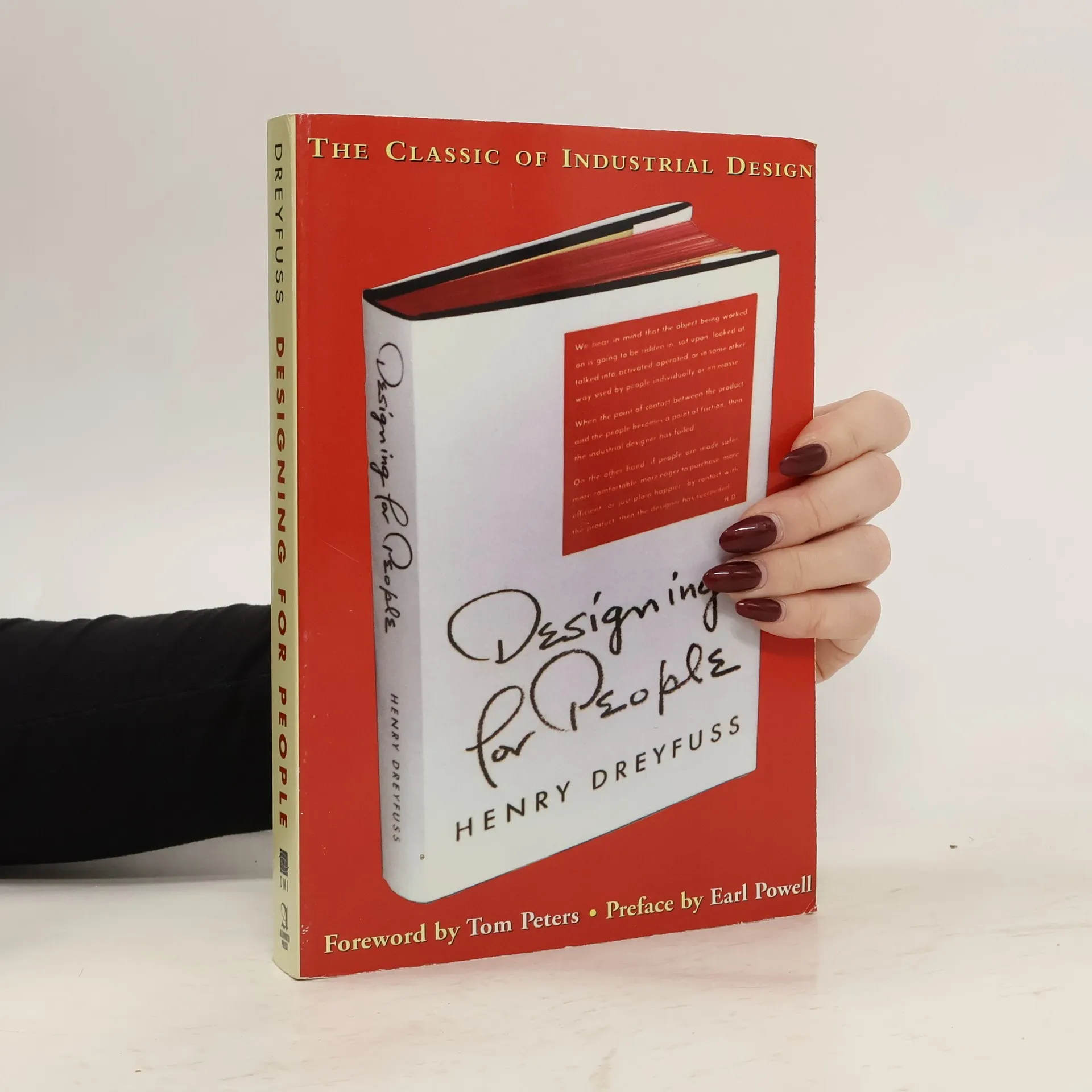
From the first answering machine ("the electronic brain") and the Hoover vacuum cleaner to the SS Independence and the Bell telephone, the creations of Henry S. Dreyfuss have shaped the cultural landscape of the 20th century. Written in a robust, fresh style, this book offers an inviting mix of professional advice, case studies, and design history along with historical black-and-white photos and the author's whimsical drawings. In addition, the author's uncompromising commitment to public service, ethics, and design responsibility makes this masterful guide a timely read for today's designers.
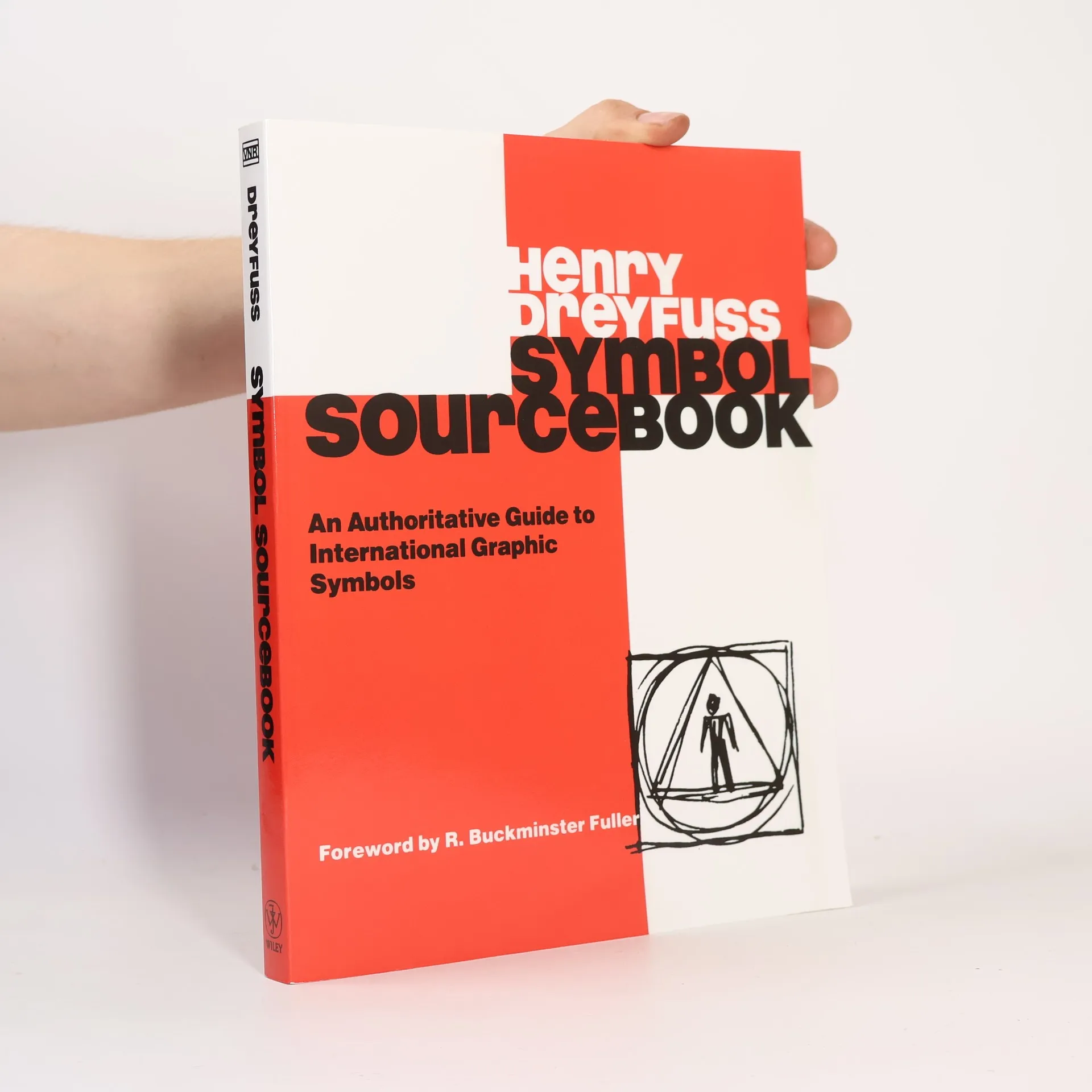
An Authoritative Guide to International Graphic Symbols
288bladzijden
11 uur lezen
This unparalleled reference is a significant achievement in graphic design. Renowned industrial designer Henry Dreyfuss emphasized the importance of symbols for effective communication, leading him and his team to collect and categorize graphic symbols from various aspects of life worldwide. The result is a comprehensive "dictionary" of universally recognized graphic symbols. Designed for practicality, the sourcebook organizes symbol information into cleverly structured sections: Basic Symbols includes a selective array of commonly used symbols (e.g., on-off, up-down). The Disciplines section covers symbols relevant to areas such as travel, agriculture, architecture, business, communications, engineering, photography, sports, safety, and traffic controls. The Color section explains the meanings of colors across different cultures and applications. Graphic Form categorizes symbols by shape (squares, circles, arrows, human figures), facilitating the identification of symbols out of context and aiding designers in creating new ones. To enhance its universality, the Table of Contents features translations of section titles and discipline areas into 17 languages, including English. This sourcebook serves as both a practical tool and an inspiration for designers.