Herbert Read Boeken


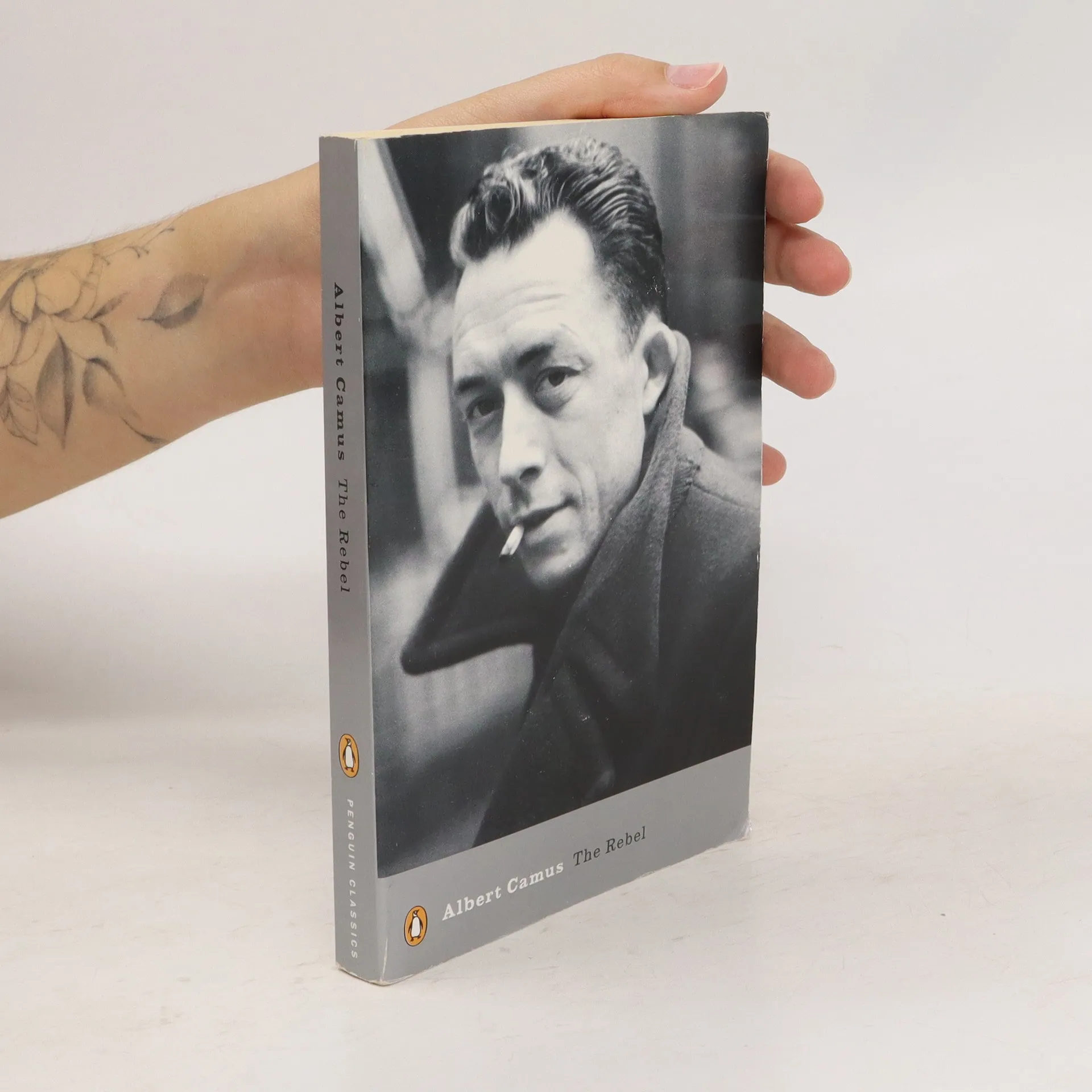

The Rebel
- 288bladzijden
- 11 uur lezen
Translated by Anthony Bower With an Introduction by Oliver Todd 'A conscience with style' V.S. Pritchett The Rebel (1951) is Camus's 'attempt to understand the time I live in' and a brilliant essay on the nature of human revolt. Here he makes a daring critique of communism - how it had gone wrong behind the Iron Curtain and the resulting totalitarian regimes. And he questions two events held sacred by the left wing - the French Revolution of 1789 and the Russian Revolution of 1917 - that had resulted, he believed, in the use of terrorism as a political instrument. In this towering intellectual document, Camus argues that hope for the future lies in revolt with revolution - a chance to achieve change without losing our freedom. 'The last French intellectual to take the side of humanity and talk its language . . . a figure of immense moral stature' Sunday Times Winner of the Nobel Prize for Literature

The Green Child is the only novel by Herbert Read - the famous English poet, anarchist, and literary critic. First published by New Directions in 1948, it remains a singular work of bewildering imagination and radiance. The author considered it a philosophical fable akin to Plato’s cave. Olivero, the former dictator of a South American country, has returned to his native England after faking his own assassination. On a walk he sees, through a cottage window, a green-skinned young girl tied to a chair. He watches in horror as the kidnapper forces the girl to drink lamb’s blood from a cup. Olivero rescues the child, and she leads him into unknown realms. -- Publisher's description

The Practice of Psychotherapy brings together Jung's essays on general questions of analytic therapy and dream analysis. It also contains his profoundly interesting parallel between the transference phenomena and alchemical processes. The transference is illustrated and interpreted by means of a set of symbolic pictures, and the bond between psychotherapist and patient is shown to be a function of the kinship libido. Far from being pathological in its effects, kinship libido has an essential role to play in the work of individuation and in establishing an organic society based on the psychic connection of its members with one another and with their own roots.



Sulla scultura
- 87bladzijden
- 4 uur lezen

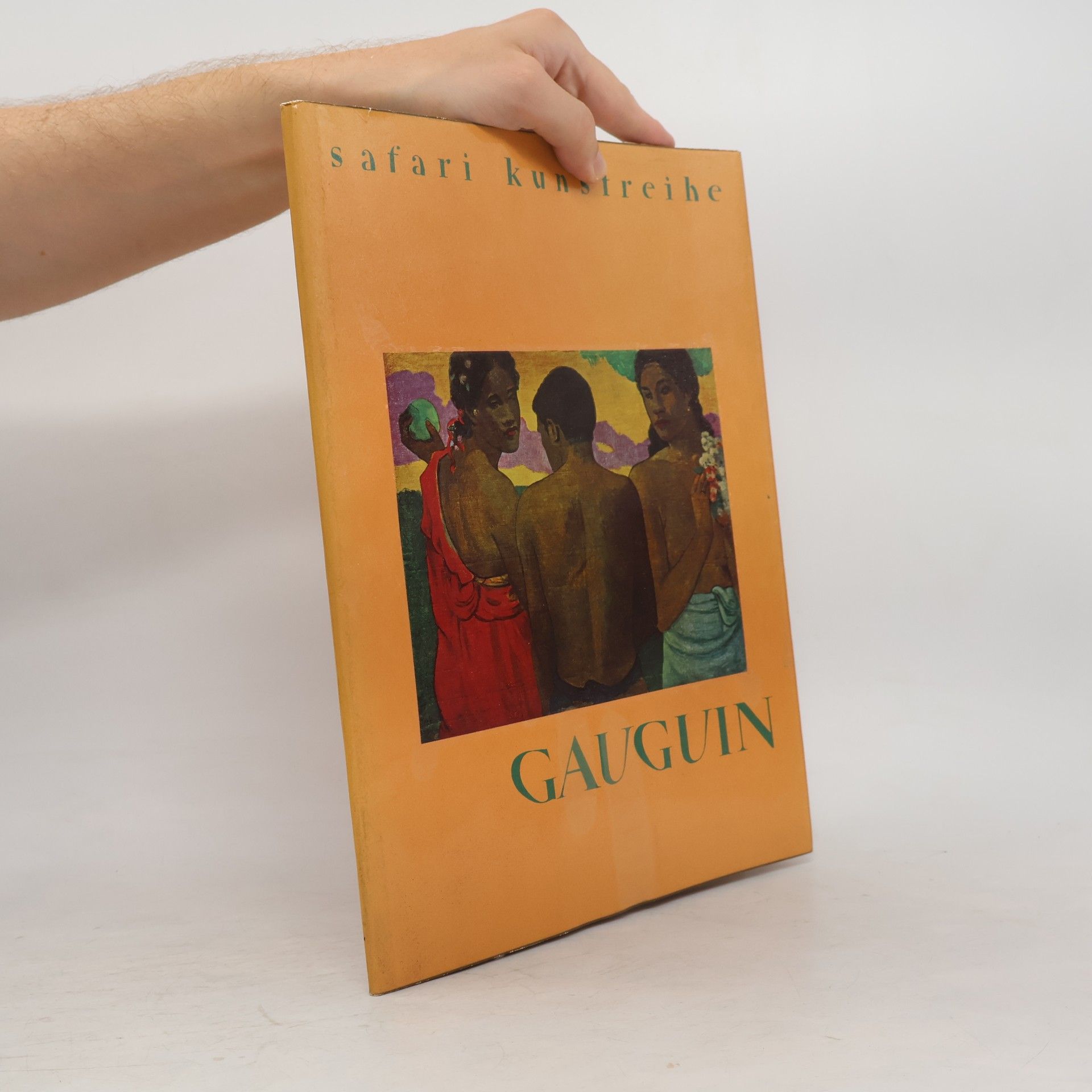
Safari Kunstreihe
Gauguin 1848-1903
Kandinsky
1866-1944