

Bookbot

Laurence J. Kirmayer

    Dsm-5(r) Handbook on the Cultural Formulation Interview
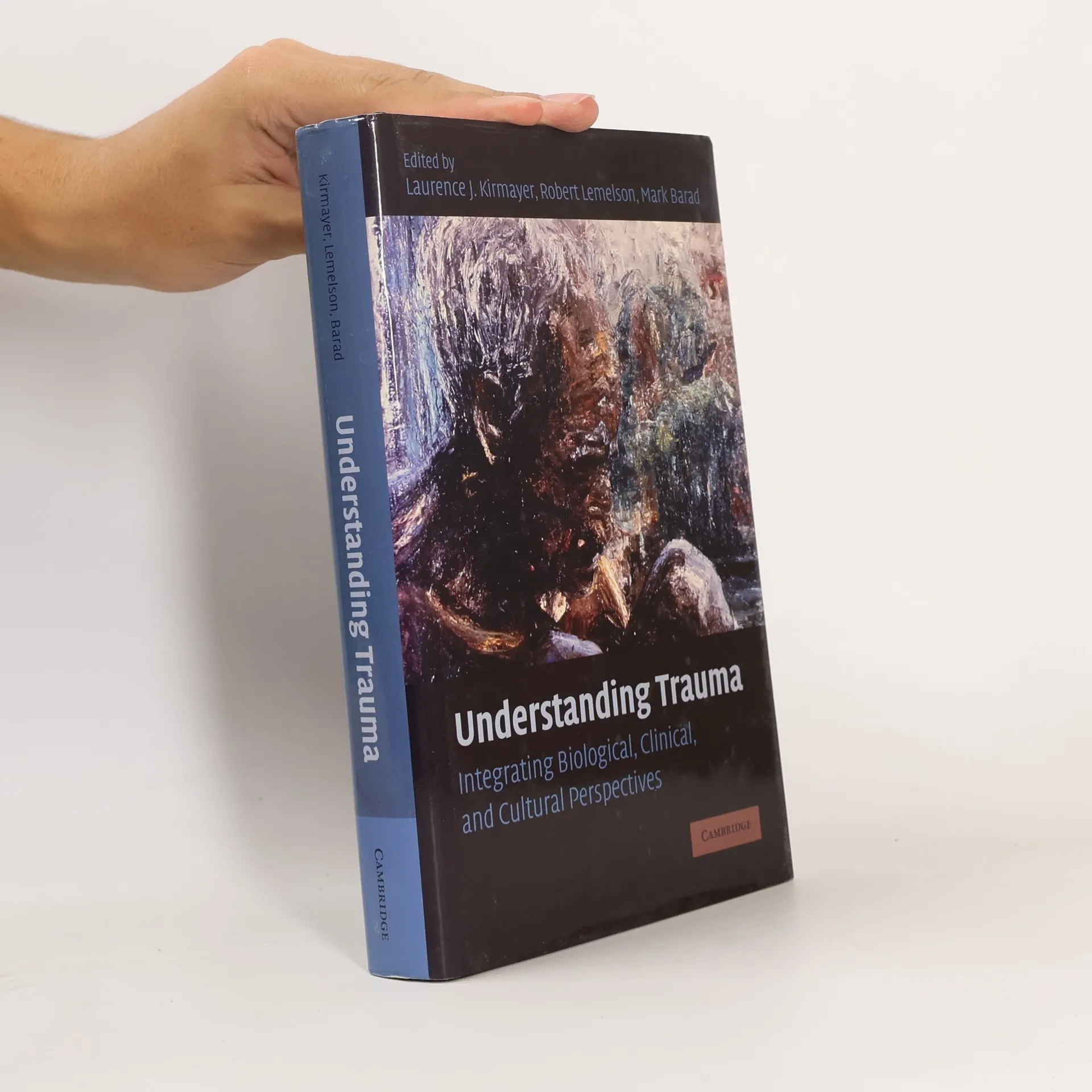
    Understanding Trauma
    • Understanding Trauma

      Integrating Biological, Clinical, and Cultural Perspectives

      • 548bladzijden
      • 20 uur lezen

      This book analyzes the individual and collective experience of and response to trauma from a wide range of perspectives including basic neuroscience, clinical science, and cultural anthropology. Each perspective presents critical and creative challenges to the other. The first section reviews the effects of early life stress on the development of neural systems and vulnerability to persistent effects of trauma. The second section of the book reviews a wide range of clinical approaches to the treatment of the effects of trauma. The final section of the book presents cultural analyses of personal, social, and political responses to massive trauma and genocidal events in a variety of societies.This work goes well beyond the neurobiological models of conditioned fear and clinical syndrome of post-traumatic stress disorder to examine how massive traumatic events affect the whole fabric of a society, calling forth collective responses of resilience and moral transformation.

      Understanding Trauma
      4,9
    • The DSM-5(R) Handbook of the Cultural Formulation Interview offers essential guidance for clinicians on using the Cultural Formulation Interview (CFI), developed during the DSM revision process from 2007-2013. This handbook aims to help providers consider cultural influences in their clinical work, enhancing communication and improving patient outcomes. Cultural psychiatry has evolved significantly, now addressing various issues, including differing models of illness and treatment experiences across cultures. The editors, experienced in the field, designed the book and accompanying videos for optimal instructional and clinical use. Key features include a detailed description of the CFI's core 16-item questionnaire applicable in any clinical setting, an informant version for caregivers, and 12 supplementary modules for expanded assessments. Over a dozen clinical vignettes illustrate the CFI's components, complemented by videos demonstrating its application. Strategies for integrating the CFI into clinical training are discussed, promoting the development of culturally-sensitive practitioners. Theoretical foundations of the CFI are explored, raising discussion points and identifying areas for further research. The CFI serves all patients, not just those perceived as culturally different, and is regarded as a significant contribution of cultural psychiatry to clinical practice. This handbook is a vital resource for incorporating

      Dsm-5(r) Handbook on the Cultural Formulation Interview